

ASK THE EXPERTS: ANSWERS TO THE MOST FREQUENTLY ASKED RACING & CRUISING QUESTIONS

ASK THE EXPERTS: ANSWERS TO THE MOST FREQUENTLY ASKED RACING & CRUISING QUESTIONS

ASK THE EXPERTS: ANSWERS TO THE MOST FREQUENTLY ASKED RACING & CRUISING QUESTIONS

Your Trusted Source for Sailing and Sailmaking Expertise

At North Sails, we believe that better information leads to better sailing. This ever-growing FAQ library brings together expert answers to the questions we hear most often about sail selection, sail trim, sail care, racing performance, cruising comfort, offshore preparation, and more. You'll find practical guidance backed by decades of sailmaking leadership, innovation, and real-world experience on the water. From optimizing boat speed and extending the life of your sails to understanding the latest sail technologies, this resource is designed to help you sail with greater confidence. Consider it your go-to destination for sailing knowledge and trusted recommendations from the people who design, build, test, and race some of the world's most advanced sails.
CRUISING

FREQUENTLY ASKED QUESTIONS

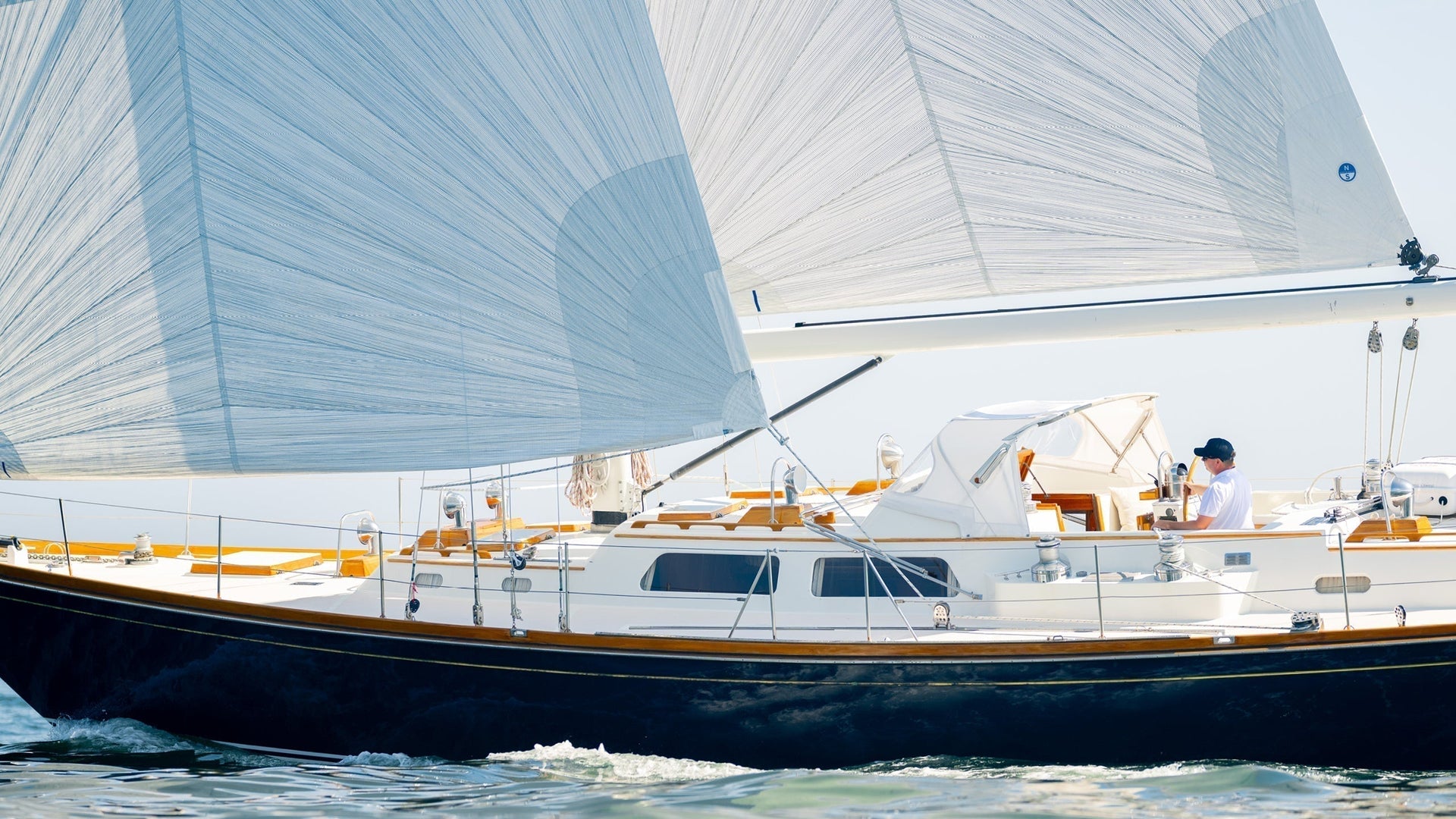
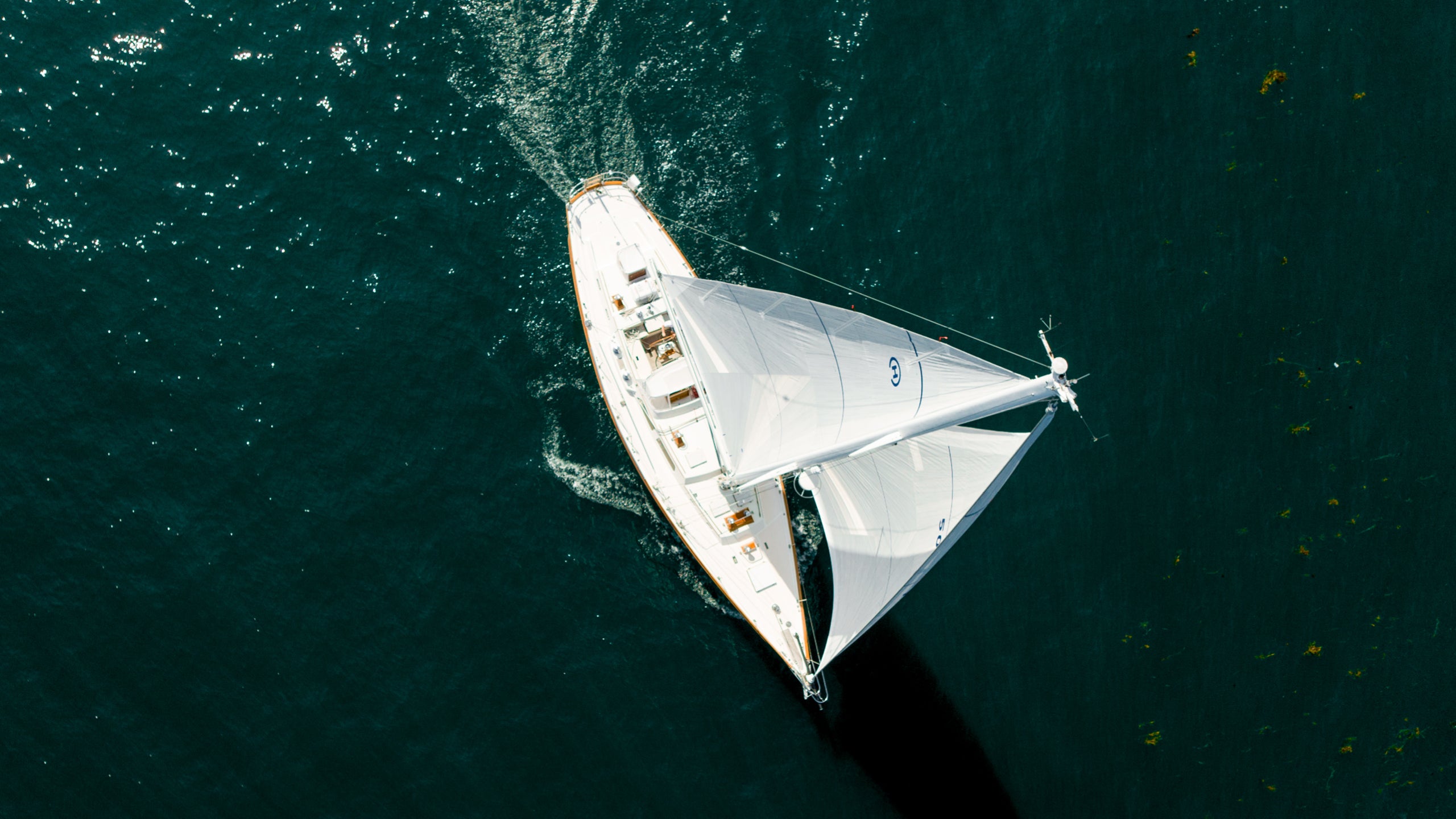
A: Cruising covers a broad spectrum from a day sail on local waters through to a year-long offshore passage. Bluewater sailing refers specifically to extended offshore passages typically on boats over 40 feet that are fully equipped to be self-sufficient for days at a time. A bluewater sail inventory prioritises durability above everything else including UV resistance, chafe protection and the ability to cope with changing conditions far from a sail loft. Coastal cruisers have considerably more flexibility. Our guide to cruising sail inventories across day sailing, coastal and bluewater explains how the two differ in practical terms.

A: Yes and for most cruising sailors a gennaker is one of the best investments you can make. A gennaker combines a genoa's asymmetric form with the wide girth of a spinnaker giving you power on reaches and broad reaching angles that a jib simply cannot match. The North Sails Helix Furling Gennaker makes it even more practical with top-down furling that is deployable and stowable from the cockpit without the need for a snuffer or a trip to the bow. It covers wind angles from 70 degrees apparent wind to 130 and beyond when paired with a reefed main.

A: In light winds, avoid sailing dead downwind. Sailing slightly higher angles can create more apparent wind, helping the boat sail faster even if the distance traveled is greater. Downwind sails such as a gennaker, asymmetric spinnaker, or symmetric spinnaker can significantly improve performance. In stronger winds, many boats are faster and more stable on a broad reach than running square. For more techniques, read our guide to downwind sail trim.

A: The essentials: avoid prolonged flogging, rinse sails with fresh water after every sail and dry them thoroughly before storing to prevent mildew. Use sails within their designed wind ranges. Flying a sail in too much breeze ages it far faster than normal use. Patch small tears with a pressure-sensitive adhesive as soon as they appear because catching them early saves the sail. Leech flutter is another silent killer, so keep the leech line just tensioned enough to stop it. Annual servicing with a North Certified Service loft will catch issues early and keep your sails performing season after season. Our full sail care and maintenance guide has everything you need.

RACING

FREQUENTLY ASKED QUESTIONS

A: A tack turns the bow through the wind and is used to change direction while sailing upwind. A jibe turns the stern through the wind and is used when sailing downwind. In racing, both maneuvers are important for positioning and speed, but a poorly executed jibe generally carries more risk, especially in stronger winds. Smooth, well-coordinated maneuvers help minimize speed loss and keep the boat performing at its best. For more detail, read our guide to perfect spinnaker jibes.

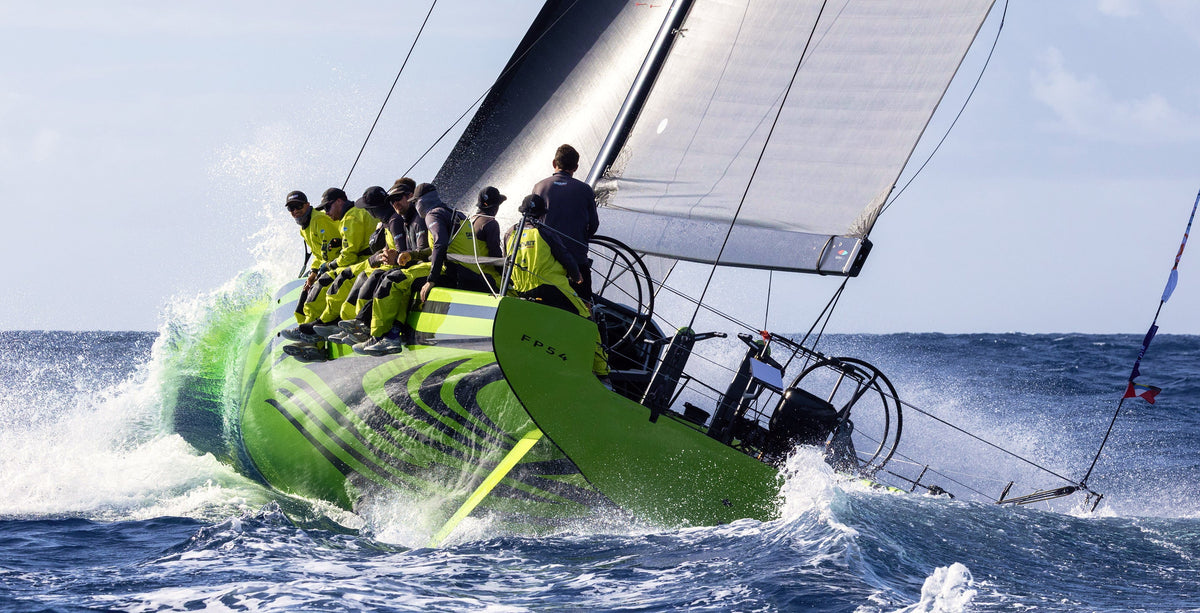
A: A racing sail inventory typically includes a mainsail, a primary upwind headsail and a range of downwind sails. Upwind the mainsail and headsail work together to generate drive to windward. Downwind racers use asymmetric spinnakers for reaching and deeper angles, symmetric spinnakers for running and Code sails for close reaching in light air. The exact inventory depends on your class rules, course format and expected conditions. Speed is the overriding goal unlike cruising sails where ease of handling and durability lead. Racing sails are engineered for maximum performance in their target wind range. For more on how racing and cruising sails differ read the difference between racing sails and cruising sails.

A: Tacking is turning the bow through the wind to change from one upwind course to another. Each tack costs momentum and a poor tack can cost you several boat lengths. Over ten tacks in a close race the difference between good and poor tacking can be the margin of victory. Strategically tacking at the right moment to stay in pressure, avoid a competitor's dirty air or nail a layline is just as important as the manoeuvre itself. Tack in a smooth spot when you can, stay hiking until the last moment and trim for power on the exit to rebuild speed quickly. For detailed technique read our guide to improving your tacks.

A: Sail selection starts before you leave the dock. In light air you want maximum sail area with a powerful shape. A light runner or Code sail downwind and a full-cut jib upwind will do the work. As the breeze builds you move to flatter stiffer sails to depower and maintain control. In big breeze a heavy-weather jib and reefed main reduce heeling and keep the boat driving. Knowing your crossover points, the wind speeds where you switch between sails, is as important as the sails themselves. Always have storm sails accessible and positioned ready to deploy. Your local North Sails expert can help you build a race-ready inventory for your boat and the conditions you sail in.


LATEST NORTH SAILS NEWS
Offshore vs. Inshore Sailing Gear? How to Choose the Right Apparel

Offshore vs. Inshore Sailing Gear? How to Choose the Right Apparel

Every day on the water is different. A sunny afternoon of coastal sailing doesn't call for the same setup as an offshore passage, and a regatta demands different sailing gear than a leisurely cruise. That's why choosing the right technical sailing apparel always starts with the type of sailing you're doing. Protection from the elements, freedom of movement, and comfort don't depend on material quality alone, they also depend on how well each piece performs under specific conditions. This philosophy is exactly what drives the North Sails Performance collection: a system of gear designed to support sailors in every scenario, blending technical innovation, functionality, and a clean design inspired by the sea. Inshore vs Offshore Sailing: What Really Changes Onboard The difference between offshore and inshore sailing isn't just about distance from shore. Trip length, exposure to the elements, how quickly you can reach shelter, and the intensity of conditions you're likely to face all change too. Since inshore and offshore sailing present very different conditions, they call for different levels of protection when it comes to gear. Inshore, or coastal sailing, typically takes place within a few miles of shore. Outings are often day trips, with the option to head back to port quickly if the weather turns. That's why inshore sailing apparel favors lightweight construction, breathability, and freedom of movement: features that help you handle changing conditions throughout the day. Offshore sailing, on the other hand, takes the crew far from land for extended periods at sea. Continuous exposure to wind, rain, spray, and cold makes superior protection essential. Compared to coastal sailing apparel, offshore sailing gear features highly waterproof materials, more rugged construction, and details engineered for comfort and reliability through long hours on the water and in the toughest weather conditions. The Layering System: The Foundation of Sailing Apparel Whether you're sailing close to shore or heading offshore, the principle stays the same: build your gear around a layering system. This sailing setup lets you quickly adapt to changes in weather and physical exertion, avoiding both overheating and heat loss. The base layer keeps skin dry by wicking away moisture. The mid layer traps warmth as temperatures drop, while the outer layer serves as the real barrier against wind, rain, and salt water. With this setup, you can handle a wide range of conditions simply by adding or removing a layer, without sacrificing the freedom of movement you need for maneuvers. The Most Important Features in Technical Sailing Gear Choosing technical sailing gear isn't just about your destination, it's mainly about the performance you need on the water. Certain features become critical precisely because offshore and inshore sailing place very different demands on sailors. Waterproofing, Breathability, and Wind Protection When you're out on the water, wind and spray are the toughest elements to deal with. That's why technical sailing gear needs to be both waterproof and breathable. Waterproof membranes, taped seams, and water-repellent treatments keep water out, while breathability lets moisture produced by the body escape. Among the most trusted solutions in this space are technical fabrics like GORE-TEX, engineered to deliver strong weather protection without sacrificing breathability. In coastal sailing, these features keep you comfortable through variable conditions; offshore, they become essential for staying dry after many hours of exposure to wind and rain. Fit, Weight, and Freedom of Movement Effective technical gear needs to protect without restricting movement. Ergonomic cuts, articulated joints built to move with you, and lightweight materials let you move naturally during maneuvers, cutting down on bulk and fatigue. The weight of each piece also affects the overall experience: a streamlined yet durable construction makes long days on the water more comfortable. Inshore sailing apparel prioritizes lightness and agility, with a trim fit and low-profile design that moves with you without getting in the way. It's the ideal choice for dynamic outings, training sessions, and day sailing. Offshore sailing gear favors a more structured build, engineered to deliver continuous protection without compromising freedom of movement, even in extreme conditions. At the same time, ergonomic design keeps every maneuver easy to execute. How to Choose the Right Sailing Gear Based on Your Trip Choosing between coastal and offshore gear comes down to finding the right balance of weather protection, mobility, and comfort for your voyage. What to Wear for Inshore Sailing For coastal sailing, it's important to strike the right balance between protection, lightness, and freedom of movement. A waterproof yet breathable inshore jacket, paired with technical pants and an easily adjustable mid layer, handles wind, spray, and shifting temperatures without weighing you down. Non-slip shoes, a sun hat, and a few practical accessories within easy reach round out the system for a day on the water. Built specifically for this kind of sailing, the North Sails Inshore collection combines high-performance materials, lightweight construction, and practical details, offering the comfort you need both during maneuvers and once you're back on dry land. What to Wear for Offshore Sailing As trips get longer and conditions grow more demanding, your gear needs to step up too. Steady wind, rain, and spray make a system built around an offshore jacket, technical bibs, and a base layer essential for staying dry and at the right temperature over many consecutive hours. This is where the details make the difference: a high collar, adjustable hood, protective cuffs, reinforcements in high-wear areas, and reflective elements all boost safety and reliability when the weather turns without warning. That's the philosophy behind the North Sails Offshore Foul Weather Gear collection: pieces built on the brand's experience in competitive sailing, designed to deliver continuous protection and the freedom of movement needed for the most demanding passages. What to Wear for Ocean Sailing Ocean passage-making takes offshore sailing a step further, with even more specific demands. When you're spending multiple days at sea with no chance to duck into port, reliable, high-performing ocean sailing gear becomes essential. UPF-rated pieces play an especially important role here, helping shield skin from UV rays during long hours on deck, where direct sun combines with glare off the water. It's worth pairing these with a few spare base layers, technical socks, and a waterproof bag or backpack to keep clothing, electronics, and documents safe from constant moisture. The North Sails Foul Weather Ocean collection, developed with input from the brand's experience in ocean racing, meets these demands with technical fabrics, durable construction, and functional details built for the longest, most challenging crossings. What to Wear for a Sailboat Race Regattas call for a different approach, where every piece of gear can affect performance. Here, the priority is cutting bulk, favoring ergonomic, lightweight, highly breathable sailing apparel that moves with the body through every maneuver. In races held in rough weather, or in offshore regattas, the level of protection needed shifts closer to that of offshore sailing, calling for more structured gear that keeps sailors dry and protected over many consecutive hours. Must-Have Sailing Gear for Every Trip Whether it's an inshore outing, an offshore passage, or a regatta, choosing the right gear is key to striking the ideal balance between performance and comfort. The North Sails sailing apparel line turns this need into pieces designed to adapt to different sailing conditions, with innovative materials and functional details that deliver optimal performance out on the water. Every piece serves a specific purpose and works together with the rest of the system to protect sailors without limiting their movement. A complete sailing equipment setup should always include: technical base and mid layers, UV-protective clothing, a waterproof sailing jacket, technical sailing bibs or pants, non-slip sailing shoes, gloves, a brimmed sailing hat, sunglasses with a retainer strap, a waterproof backpack or bag.
READ MORE
What to Pack for a Vacation: The Ultimate Packing Guide, from Beach to City

What to Pack for a Vacation: The Ultimate Packing Guide, from Beach to City

READ MORE
Summer Office Outfits: Smart Casual Ideas for Men and Women

Summer Office Outfits: Smart Casual Ideas for Men and Women

READ MORE
VIEW ALL STORIES