
BECOMING OCEAN POSITIVE
MATERIALS & TECHNOLOGIES
Making clothes comes with an ecological and social footprint. We are committed to using more responsible materials that cause less pollution to water, air, soil and life.
Our goal is to find the right balance between sustainability, functionality, and purpose. For us, responsible materials are made from recycled content, grown using organic practices, or have a proven lower environmental and social impact than conventional ones.
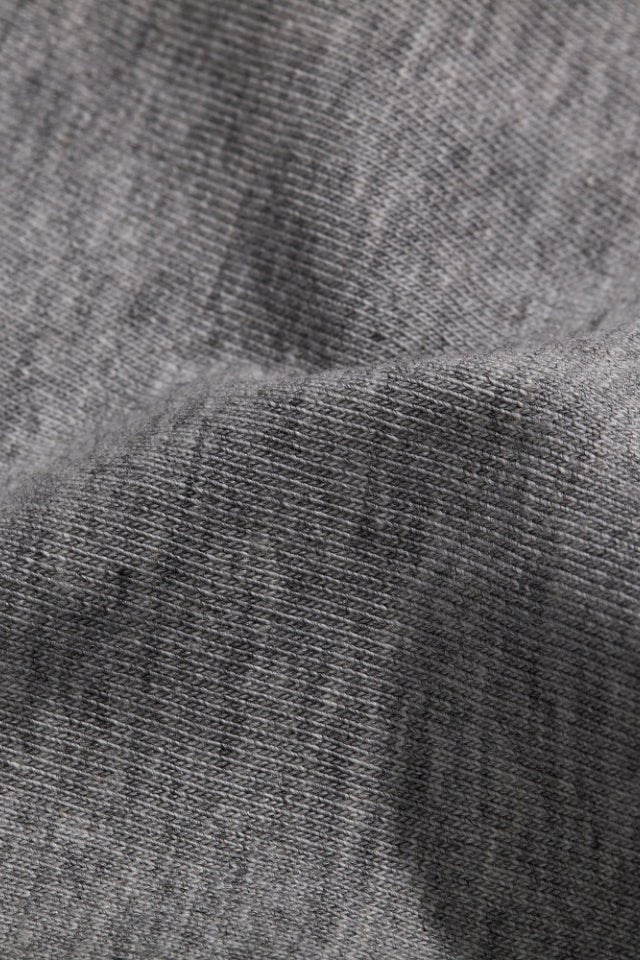
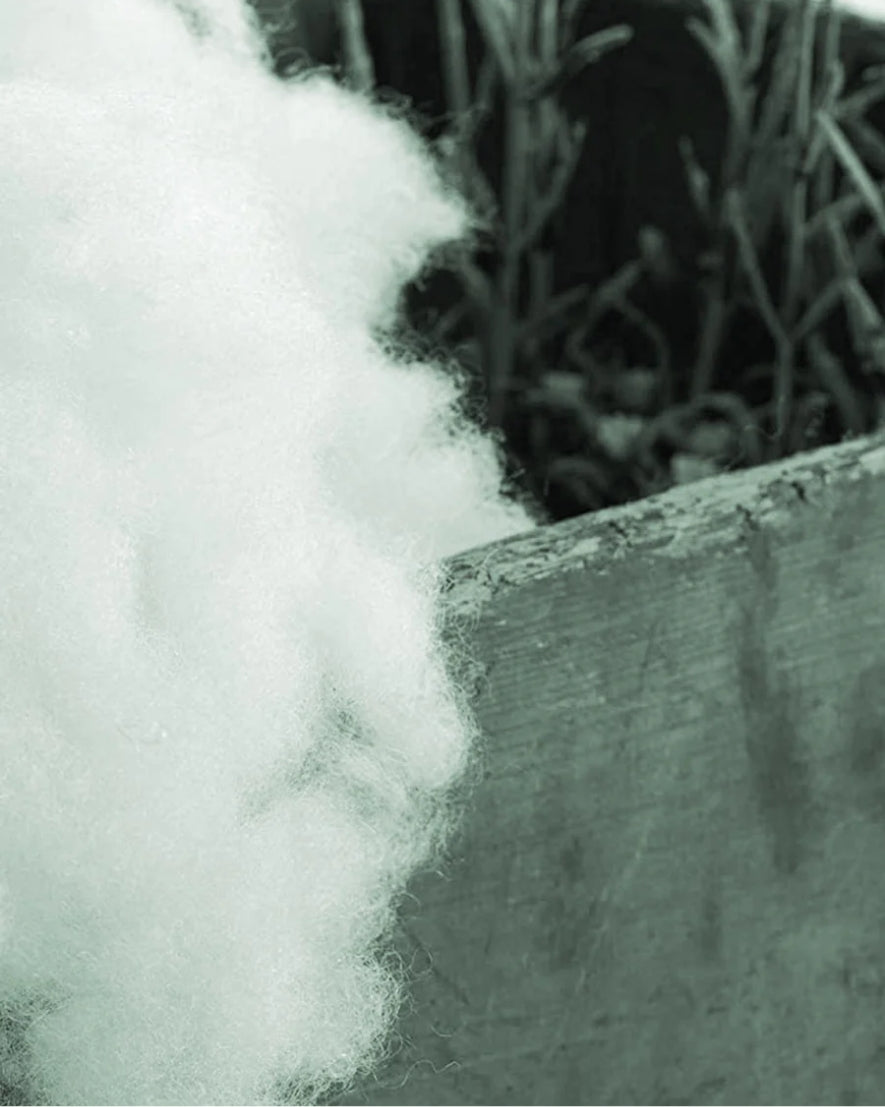
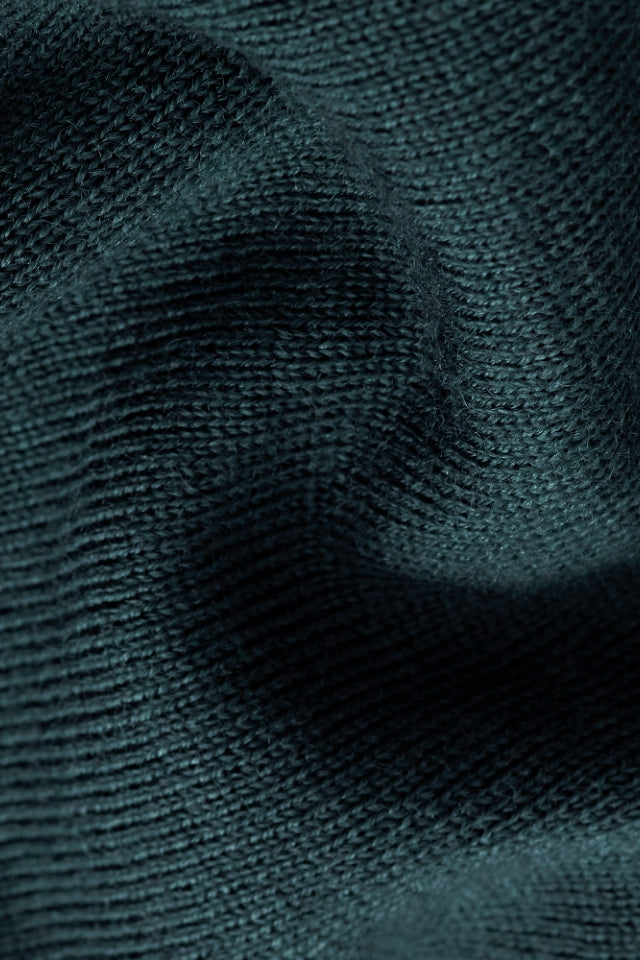
WOOL & CASHMERE
Wool and cashmere are lightweight natural fibers made from the fleece of sheep and cashmere goats, and have unique characteristics such as comfort, versatility, and great thermal performance. As it is a natural fiber, wool is also biodegradable and fully recyclable in its pure form.
We source, as much as possible, virgin wool from certified responsible sources that respect the highest standards of animal welfare and land stewardship. We also encourage our suppliers to align with animal health and welfare standards as part of our Code of Conduct. Plus, we have introduced in our collections recycled pre- and post-consumer wool and cashmere that has been recovered from existing materials and regenerated into new yarns. For FW24, about 30% of the wool in our products was made using recycled content.

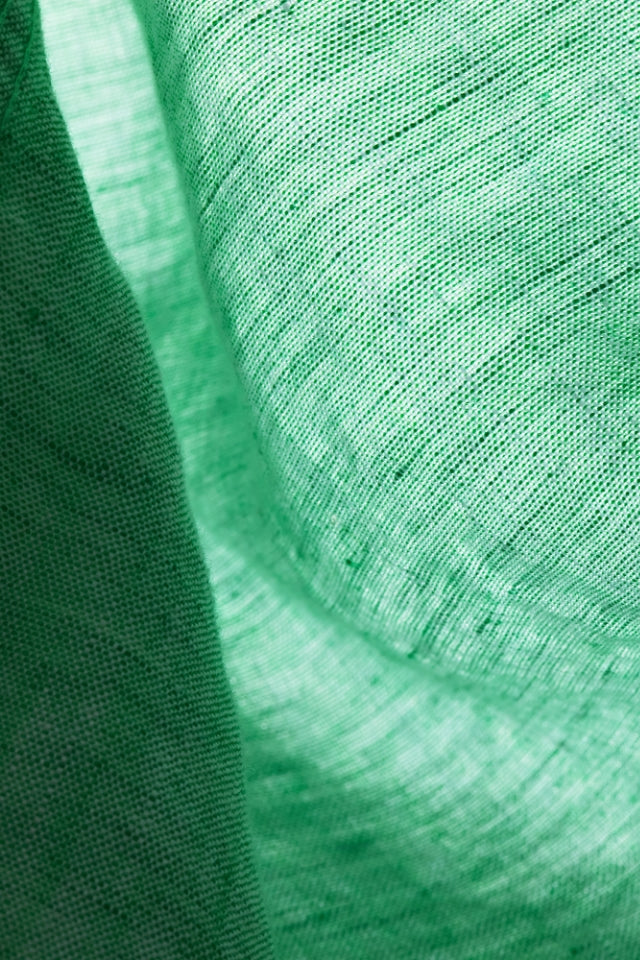
LINEN
Linen is a natural, durable fabric made from the fibers of the flax plant. It’s one of the oldest fabrics in the world, known for its breathability, lightweight feel and unique texture. Linen is widely considered one of the most sustainable natural fabrics available, as flax cultivation requires minimal water and pesticides, and it’s possible to utilize the whole plant. As a natural material, it’s fully biodegradable and lives on in the biological lifecycle once past its useful life. We aim to source European Flax™ Certified Linen. This guarantees our linen is GMO-free, uses low-to-no irrigation, fertilizer and pesticidesis produced using zero-waste methods and is produced in compliance with the rules of the International Labour Office.

MAN-MADE CELLULOSIC FIBERS
Materials like Viscose, Modal, Tencel, and Seacell™ fall into this category. These materials, which are made by dissolving natural cellulose and reconstituting it into fiber form, are used in designs that require extra drapability, softness, breathability and durability. Although many of these fabrics require the use of chemicals in their production, newer fibers, like Lyocell, are produced in sustainable, closed-loop systems that reduce or eliminate chemical waste. When it comes to using these fabrics, our designers and product team work using internal guidelines (the Preferred Materials and Processes Matrix) that help and guide them in finding the right balance between sustainability, functionality and the purpose of the garment.
SEACELL™
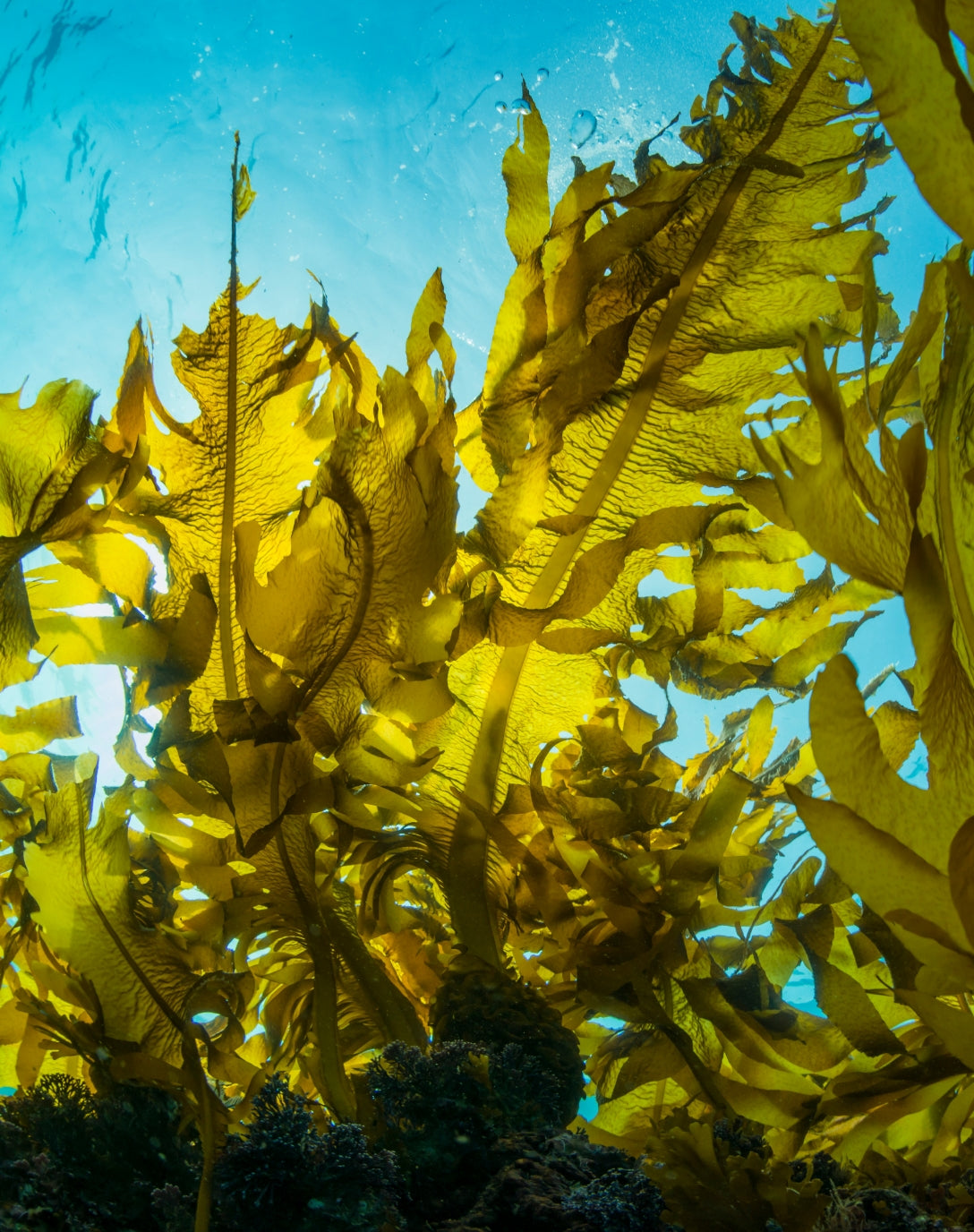
Seacell™ is an innovative certified material made from seaweed and sustainably sourced wood pulp. Not only is it 100% biodegradable, zero-waste and renewable, it's also produced without using any chemicals. Care is taken in sourcing the seaweed—the regenerative part of the plant is harvested every four years, meaning no damage is caused, and regrowth is accelerated. Seacell™ is also hypoallergenic, breathable, soft and has antimicrobial properties. Given its multiple benefits, we continue introducing products made from Seacell™ and organic cotton blends into our apparel collections.
POLYESTER & NYLON
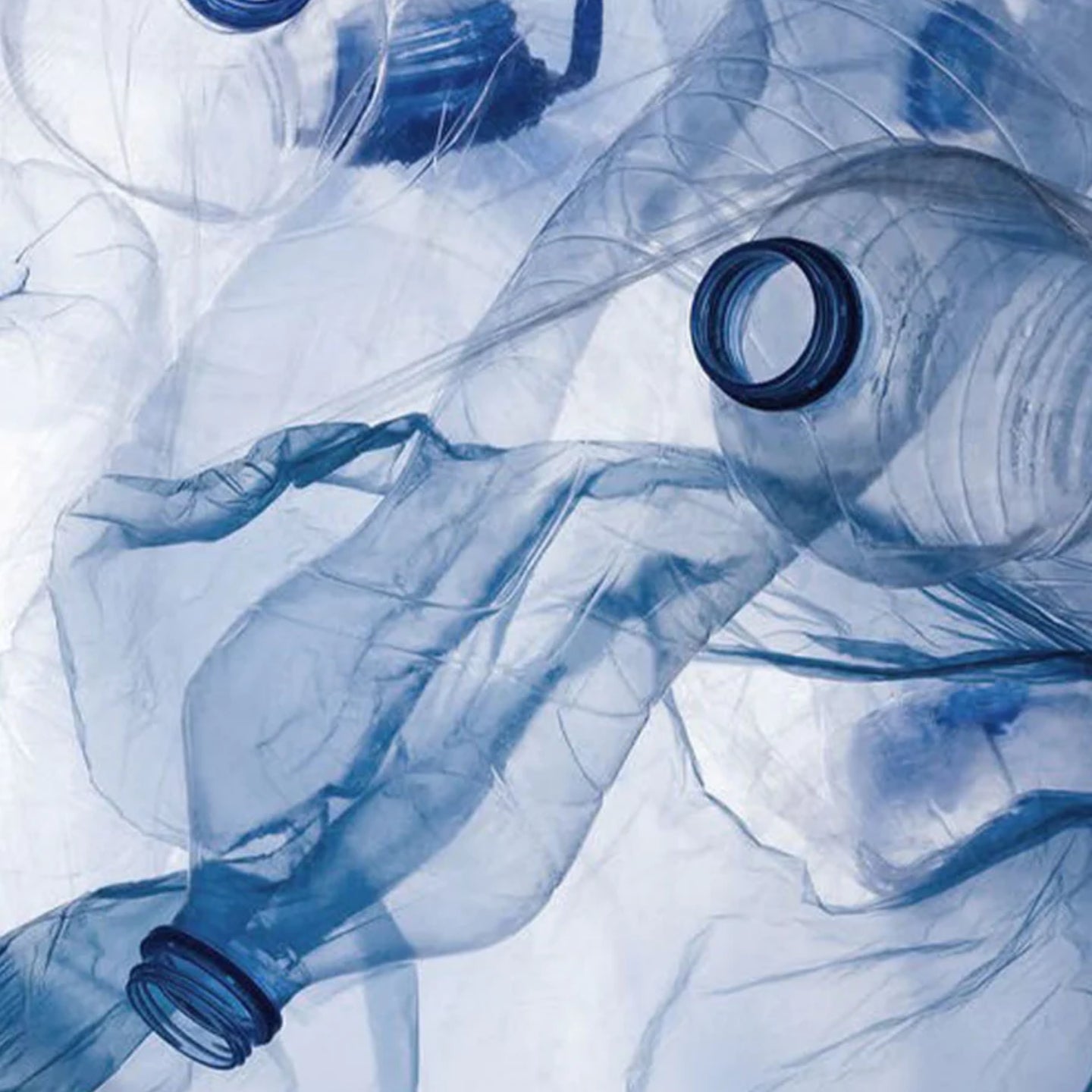
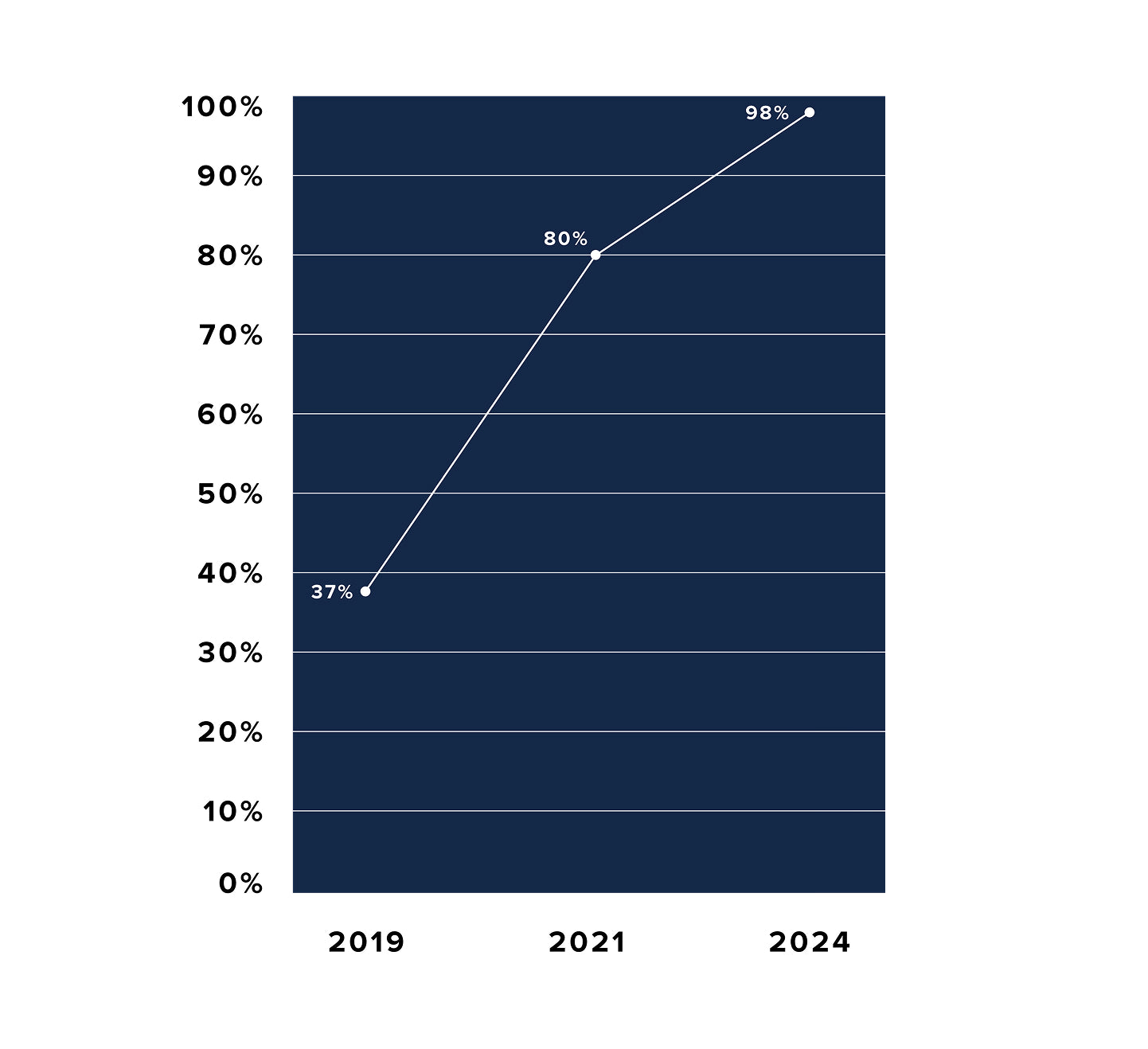
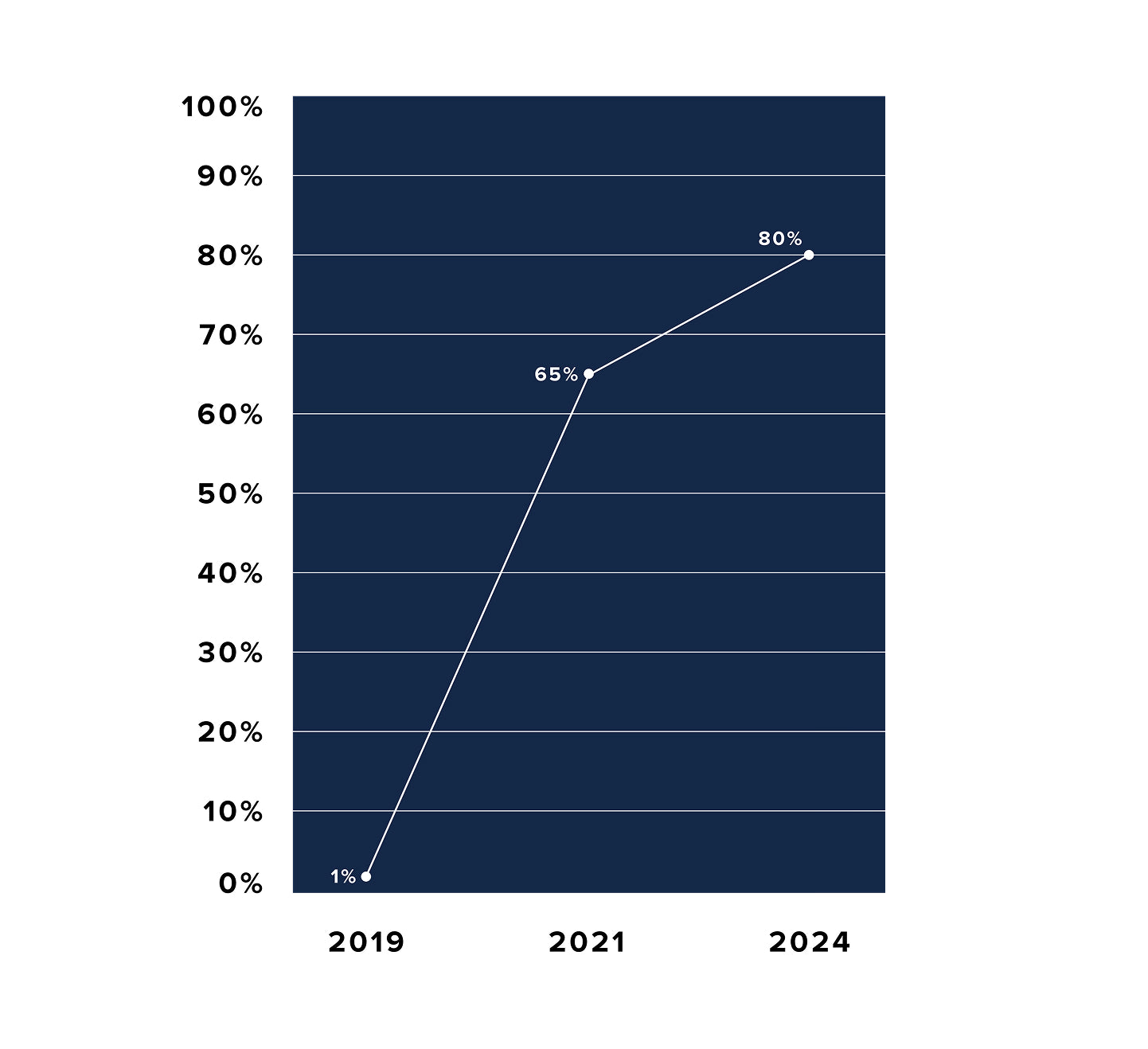
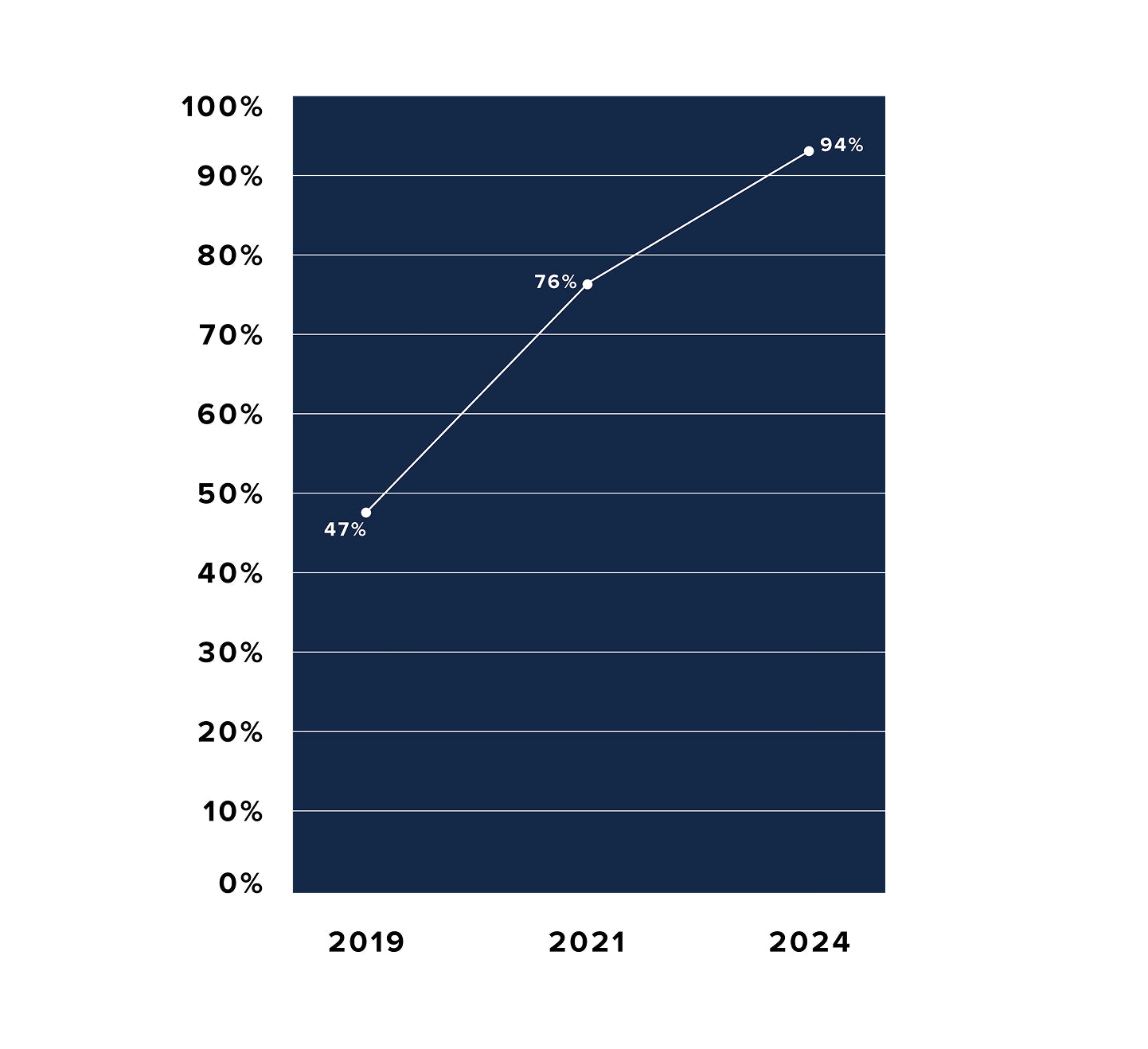
Polyester and nylon are strong synthetic fibers which are long lasting, weather resistant, and quick drying. We know the fashion industry is largely dependent on non-renewable and finite resources, such as synthetic fibers made from petroleum. Synthetics also release microplastic pollution that enters the wider environment, which can cause negative effects on ecosystems and human health. As a sportswear and activewear business, we rely on synthetic fibers such as polyester and nylon for their comfort and technical performance. We are working on replacing synthetic materials with natural materials, without compromising performance. Where this is not still possible, we are working to reduce our use of virgin polyester and nylon. For FW24, about 94% of the nylon and about 98% of the polyester in our products were made using recycled content.
Polyester and nylon are strong synthetic fibers which are long lasting, weather resistant, and quick drying. We know the fashion industry is largely dependent on non-renewable and finite resources, such as synthetic fibers made from petroleum. Synthetics also release microplastic pollution that enters the wider environment, which can cause negative effects on ecosystems and human health. As a sportswear and activewear business, we rely on synthetic fibers such as polyester and nylon for their comfort and technical performance. We are working on replacing synthetic materials with natural materials, without compromising performance. Where this is not still possible, we are working to reduce our use of virgin polyester and nylon. For FW24, about 94% of the nylon and about 98% of the polyester in our products were made using recycled content.

SOLOTEX®
Comprising 37% bio-based polymers, SOLOTEX® is a more sustainable alternative to common synthetic fibers. These bio-derived plant ingredients reduce the need for fossil fuels in the manufacturing process and lower the fabric’s overall environmental impact. Known for its softness and stretchability, it offers unrivaled comfort and durability.
Comprising 37% bio-based polymers, SOLOTEX® is a more sustainable alternative to common synthetic fibers. These bio-derived plant ingredients reduce the need for fossil fuels in the manufacturing process and lower the fabric’s overall environmental impact. Known for its softness and stretchability, it offers unrivaled comfort and durability.
REPREVE®
Repreve is a high-performance synthetic fiber that offers extreme versatility. Made primarily from recycled plastic bottles, it transforms post-consumer and ocean-bound plastics into durable fibers. We use Repreve® fibers to pad and insulate many of our jackets and vests—it offers a lightweight, breathable and durable alternative to conventional, less sustainable insulation materials. A selection of our swim shorts are made from fast-drying, moisture-wicking Repreve® fabric.
Repreve is a high-performance synthetic fiber that offers extreme versatility. Made primarily from recycled plastic bottles, it transforms post-consumer and ocean-bound plastics into durable fibers. We use Repreve® fibers to pad and insulate many of our jackets and vests—it offers a lightweight, breathable and durable alternative to conventional, less sustainable insulation materials. A selection of our swim shorts are made from fast-drying, moisture-wicking Repreve® fabric.
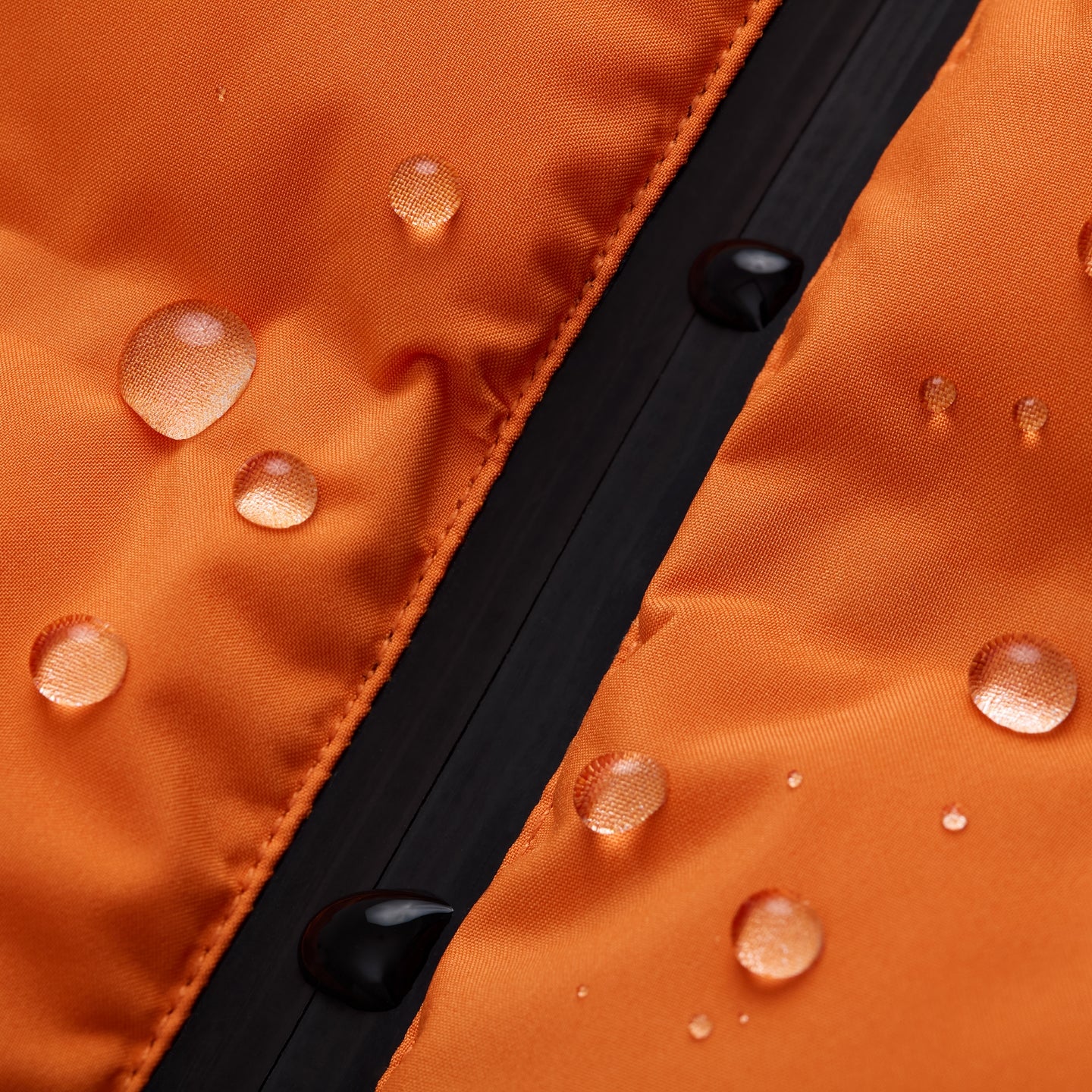
SORONA
Derived from nature. Designed for performance. Sorona® is a partially plant-based fiber produced using fermented corn-derived glucose. Its production requires 30% less energy and emits 50% fewer greenhouse gasses than comparable synthetic fibers like nylon. All Sorona® fabrics are tested through the Common Thread Fabric Certification Program, guaranteeing the performance and transparency our customers deserve.
Derived from nature. Designed for performance. Sorona® is a partially plant-based fiber produced using fermented corn-derived glucose. Its production requires 30% less energy and emits 50% fewer greenhouse gasses than comparable synthetic fibers like nylon. All Sorona® fabrics are tested through the Common Thread Fabric Certification Program, guaranteeing the performance and transparency our customers deserve.
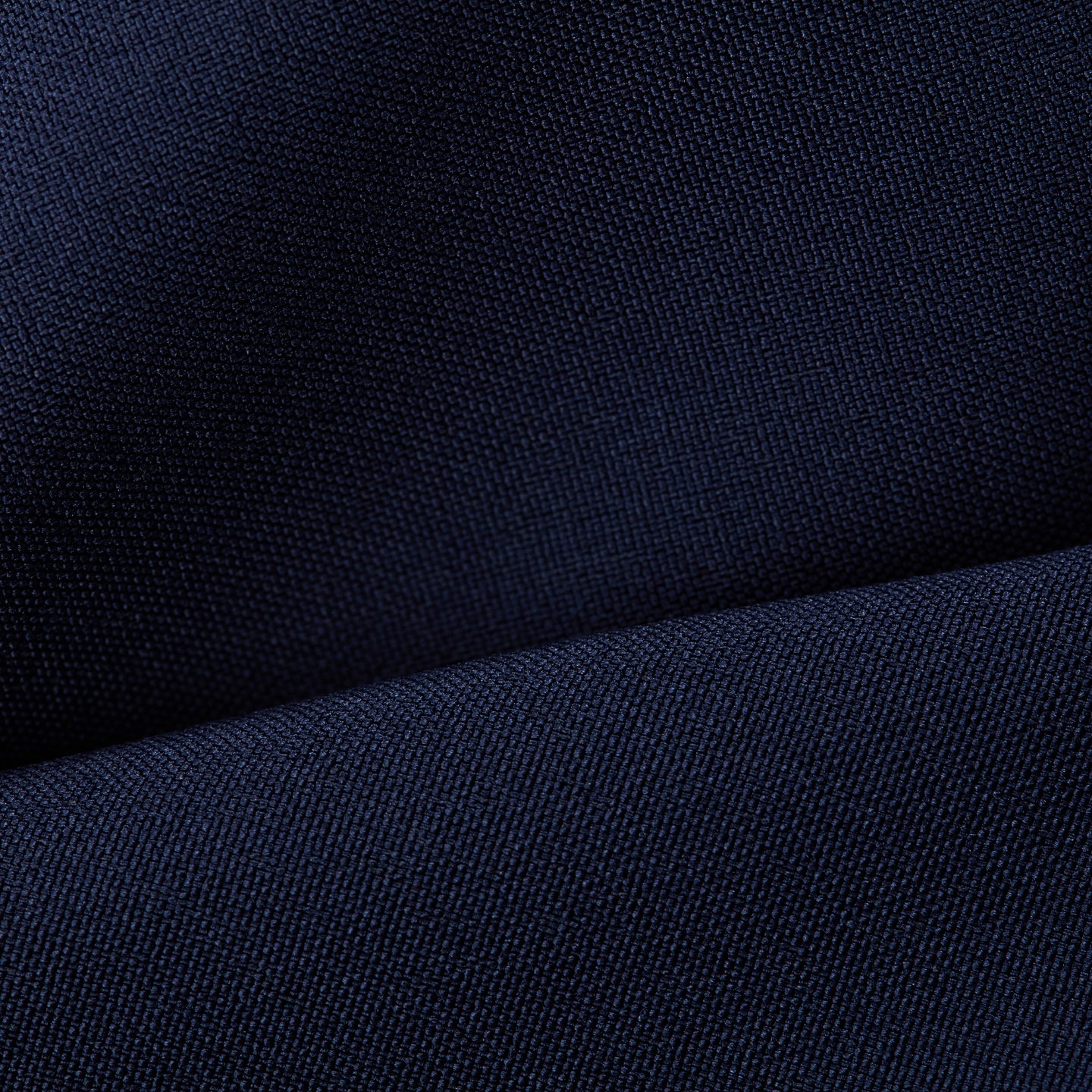
REPREVE® OUR OCEAN®
In response to the global ocean plastic problem, Unifi, Inc., maker of Repreve®, has developed a product made from ocean-bound bottles collected within 50 kilometers of coastlines in countries lacking formal waste and recycling systems.
In response to the global ocean plastic problem, Unifi, Inc., maker of Repreve®, has developed a product made from ocean-bound bottles collected within 50 kilometers of coastlines in countries lacking formal waste and recycling systems.
RECYCLED POLYESTER
% of the recycled polyester over total polyester used
ORGANIC COTTON
% of the organic cotton over total cotton used
% of the organic cotton over total cotton used
RECYCLED NYLON
% of recycled nylon over total nylon used
PACKAGING MATERIALS
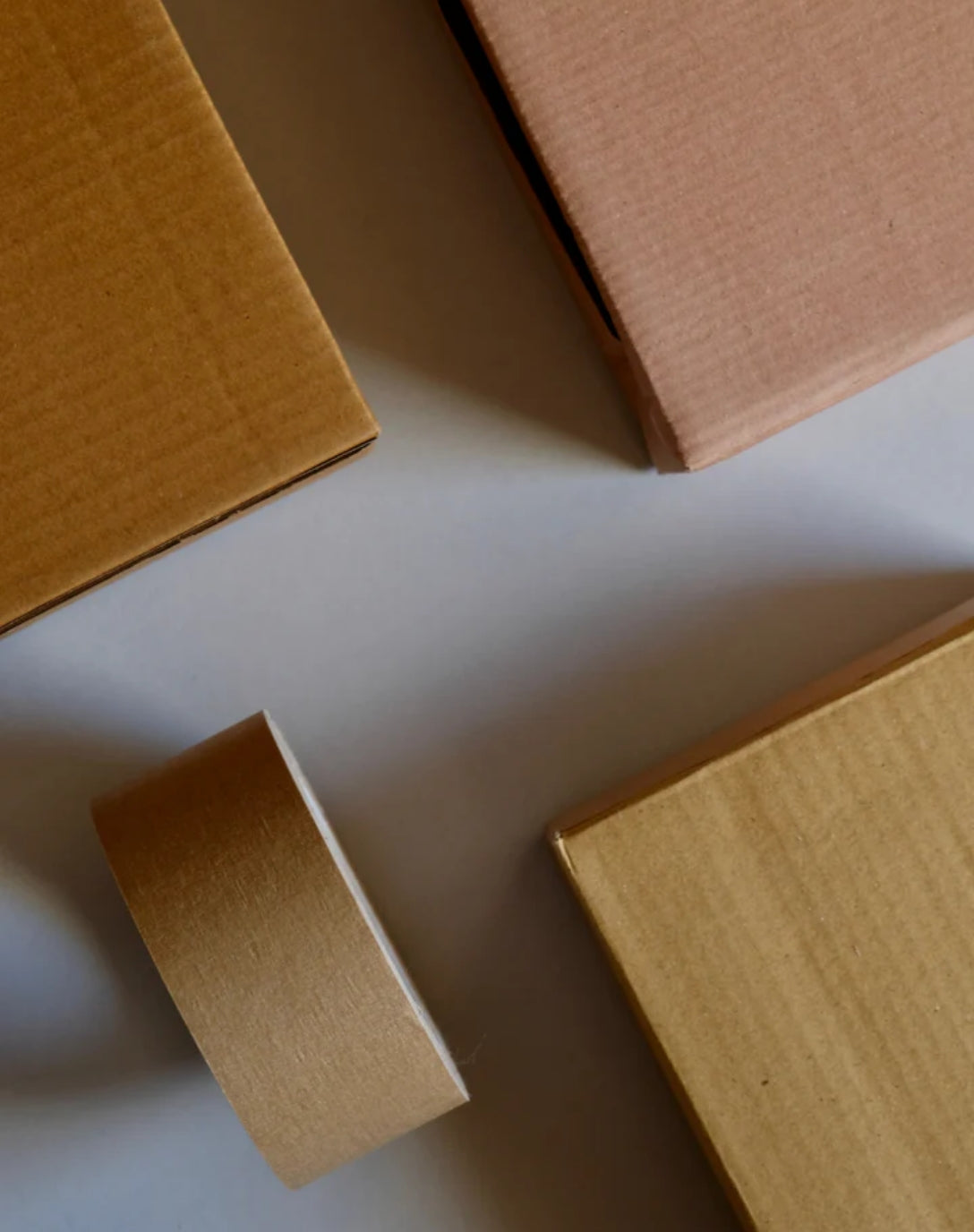
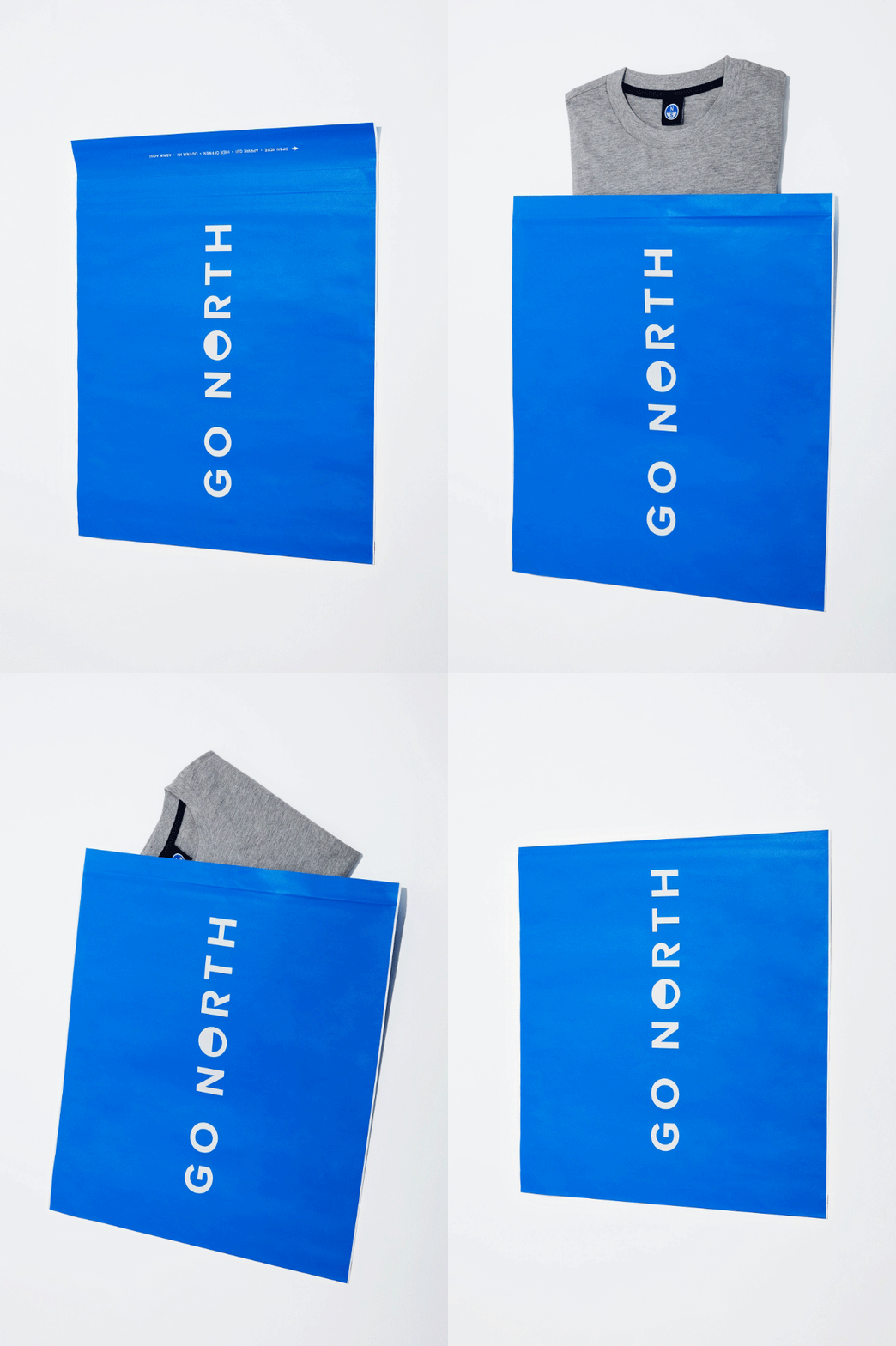
Our commitment towards responsible materials also extends to packaging; for this reason, we are adopting solutions to limit the amount of unnecessary plastic in our retail packaging (goods we send directly to you, the customer), as well as in our purchased goods and wholesale packaging. Not only is packaging the dominant application of plastic globally (at 26% of total volume), but its small size also makes it especially prone to leakage into the ocean.
In our stores, both hangtags and packaging are made from recycled materials, with hangtags additionally certified by the Forest Stewardship Council (FSC).
We are currently piloting the use of glassine paper bags to replace traditional low-density polyethylene (LDPE) bags. Unlike LDPE bags, which can be difficult to recycle, glassine paper bags are biodegradable, recyclable and compostable. In transport packaging, we use recycled plastic polybags and cardboard from certified, responsible sources.
PROCESSES
Finding ecologically responsible materials is just one part of our sustainability work. We know producing and finishing garments can also have a high environmental impact. We are committed to finding effective solutions to improve these processes.
DYEING
The dyeing process is particularly water and chemically intensive. In addition to the high volume of water needed, water can also return to the environment contaminated with hazardous substances, such as toxic chemicals, heavy metals, mordants and microfibres which are a threat to local communities and animal life.
In response to this, we’ve developed a Restricted Substances List, which all our suppliers must comply with. Our commitment to testing certifies that none of the products developed for North Sails contain any substances marked as restricted within this document, or if restricted substances are used, they are present below the established limits.

WATERPROOFING
The current process for waterproofing garments uses the durable water repellent (DWR) technology. This ensures the garment protects the wearer from the harshest conditions and prolongs the life of a garment. Once all stitches are sealed from water penetration through seam-taping, the garment is coated with the solution. Such a process also gives the garment a good durability.
The current challenge of this process is presented by the use of PFAS (per- and polyfluoroalkyl substances), chemicals potentially harmful to human health that, due to their composition, are highly resistant to biological degradation. At North Sails we are continuously looking for technologies that have lower impact on people and planet and that at the same time can guarantee the level of performance for which our garments are famous.
By 2026, we aim to be 100% free of PFAS (per- and polyfluoroalkyl substances), which will include removing intentionally-added perfluorinated chemicals from our waterproofing process.

POLYGIENE® TREATMENT
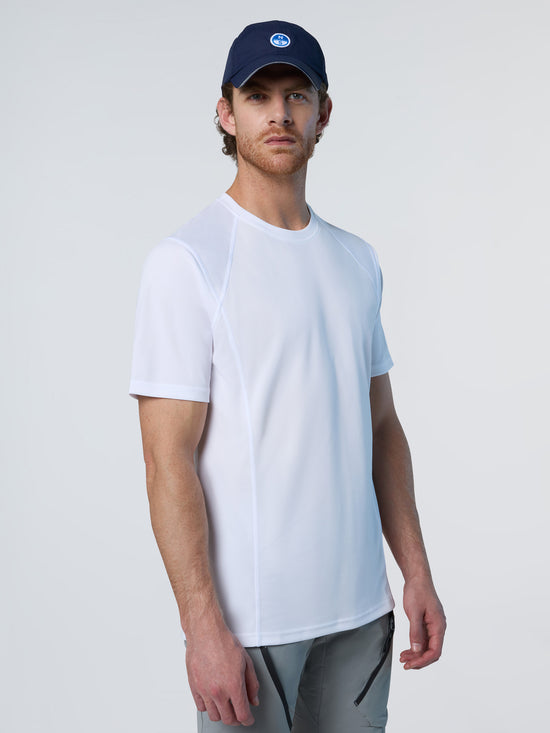
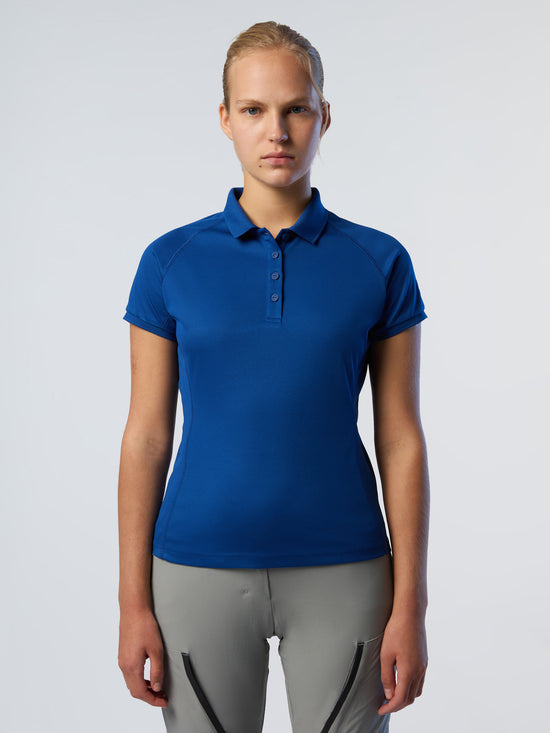
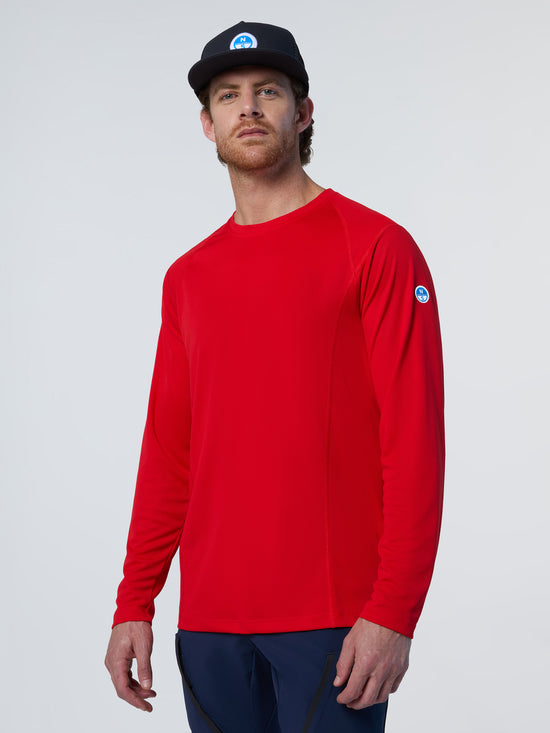
We care about the health and safety of our customers, and for this reason we introduced the Polygiene® Stays Fresh Technology in our collections. Polygiene® keeps clothing fresher for longer by stopping the growth of odor-causing bacteria with a biocide made of silver chloride. This salt inhibits and guards against the growth of bacteria and fungi. Polygiene® stays effective through many more washes than any other anti-bacterial treatment. The treatment is applied to the fabric at the finishing stage of production and does not require additional resources such as water and energy.

GARMENT CARE
The longer a product lasts, the smallest its annual environmental footprint will be. That’s why we design functional products that can be used many times and over different seasons. As a customer, you can also help reduce the ecological footprint of the clothes you own.

WASH LESS, AIR MORE
With proper care, washing your clothing less will ensure they have a longer, more useful life. It will also maintain the breathability of jackets, especially, and reduce the water and energy needed for running a wash cycle.
Our products that feature polygiene treatment reduce microbes and help you cut down on your need to clean with water. Instead of washing after every use, try airing out your clothes. Wash only when garments are soiled by dirt and body oils.

REPAIR, RESELL
With fewer than 1% of garments being recycled into new clothing each year, repairing slightly damaged garments and reselling quality clothing that you are no longer wearing will keep textile waste out of landfills and the ocean.
For GORE-TEX® jackets, such as our Southern Ocean Jacket, you can take advantage of Gore-approved fabric repair kits and repair centers to extend the jacket’s lifetime.
Get in touch with our Customer Care team to request a repair.
E-mail: webcustomercare@northsails.com
Phone :
+39 334 666 2890 or +39 018 520 0555

REDUCING MICROFIBER POLLUTION
When washed, textiles shed tiny particles known as microfibers. In the case of synthetic clothing, microfibers are made of plastic, which is why they are commonly referred to as microplastics. These tiny particles easily enter waterways, posing a significant threat to marine ecosystems and human health. For this reason, North Sails is committed to using natural fibers whenever possible — we have increased the cotton share in our Spring-Summer collections from 66% in 2020 to 75% in 2022. We are also piloting manufacturing technologies and fibers that shed less during use and washing.