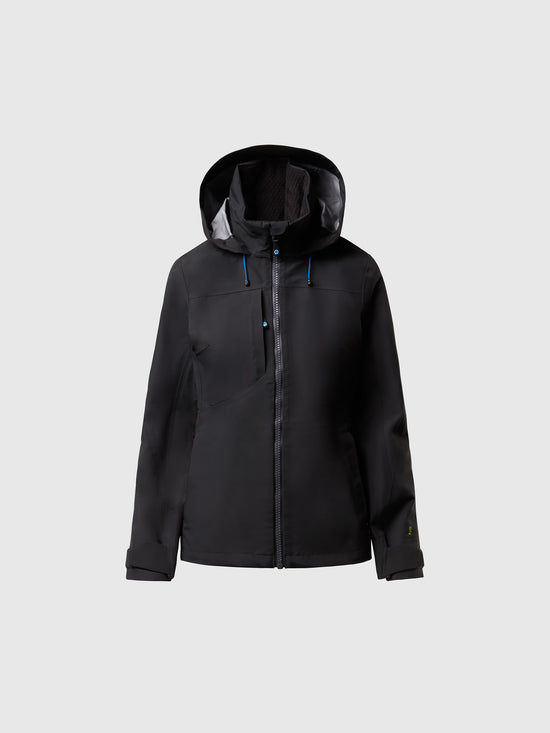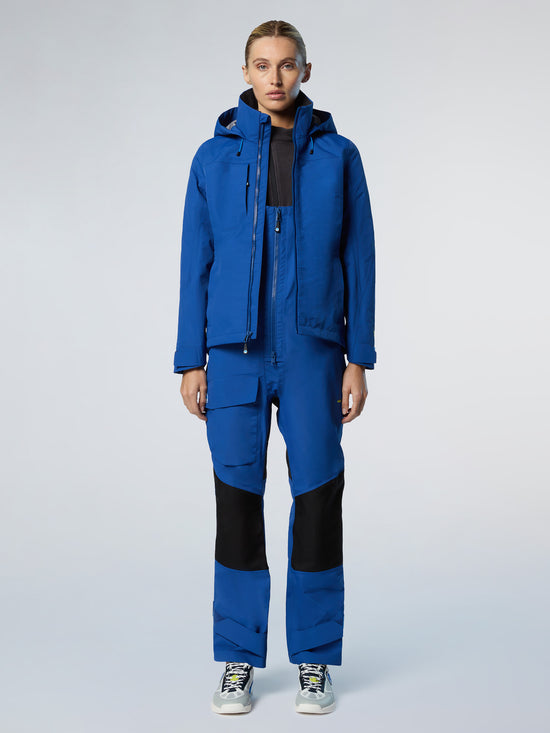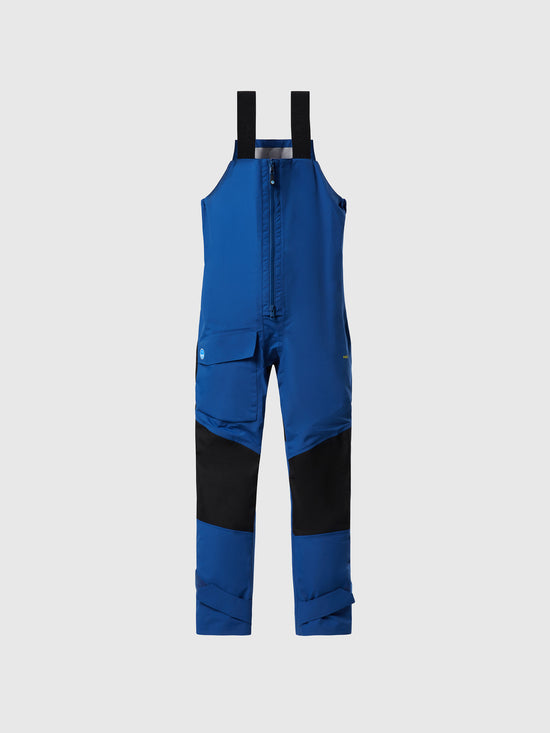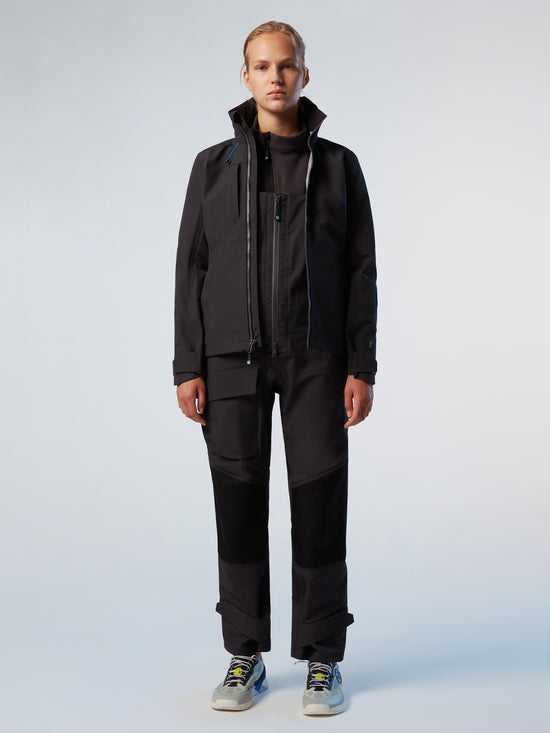


CHOOSING THE RIGHT SAILING GEAR

CHOOSING THE RIGHT SAILING GEAR

CHOOSING THE RIGHT SAILING GEAR

How materials, construction, and sailing conditions define the gear you need.

North Sails Performance apparel is designed around the same principle as our sails: the right materials, used in the right way, make a real difference on the water.

Different types of sailing place very different demands on your gear. Duration, weather exposure, physical intensity, and recovery time all influence which fabrics, constructions, and design features perform best.


This guide helps you understand how the North Sails Performance ranges are built, what they are designed for, and how to choose the right gear for the way you sail.

THE GUIDE

SHOPPING FOR PERFORMANCE SAILING GEAR?

WHAT REALLY MATTERS

KEY FACTORS TO CONSIDER

How severe are the conditions you typically sail in? Cold, wet and prolonged exposure demand maximum waterproofing and durability, while warmer climates and shorter sessions benefit from lighter, more breathable solutions.

Are you racing hard, cruising offshore, or mixing both? Higher physical output increases the importance of breathability, weight reduction, and mobility.

A few hours inshore is very different from days offshore. Longer exposure shifts priorities toward protection, comfort and long-term reliability.

PERFORMANCE GEAR GUIDE

WHICH RANGE IS RIGHT FOR YOU?

North Sails Performance gear is organized by how and where you sail, not by price or aesthetics. Each range is designed for a specific type of sailing and intensity level, with materials, construction and features tailored to perform in those conditions.

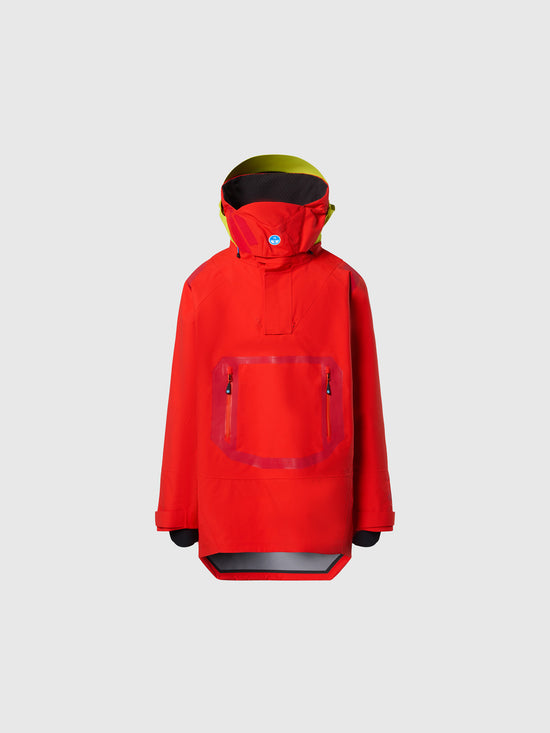
OCEAN RANGE

Built for the harshest conditions

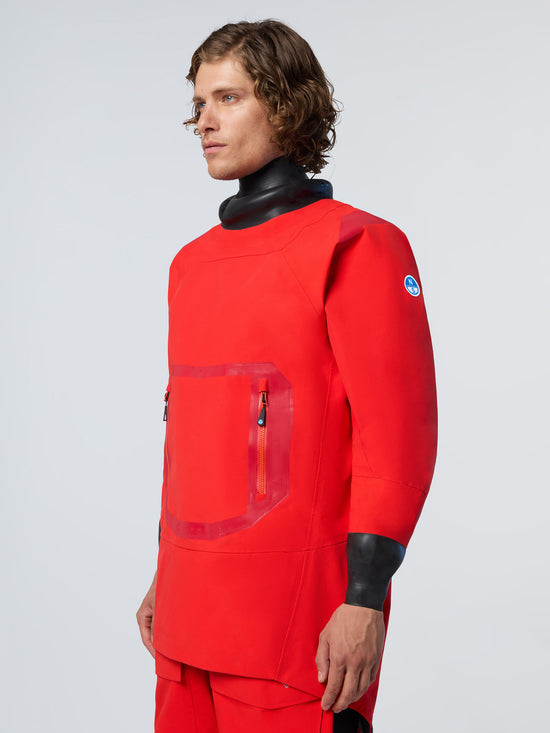
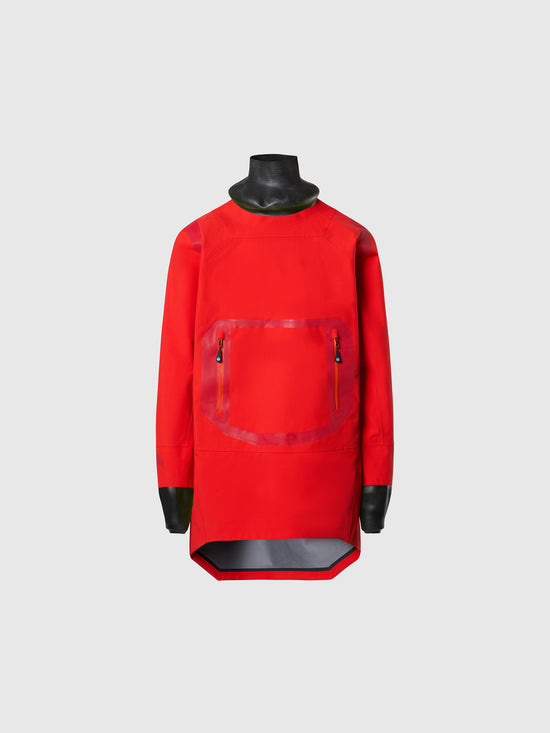
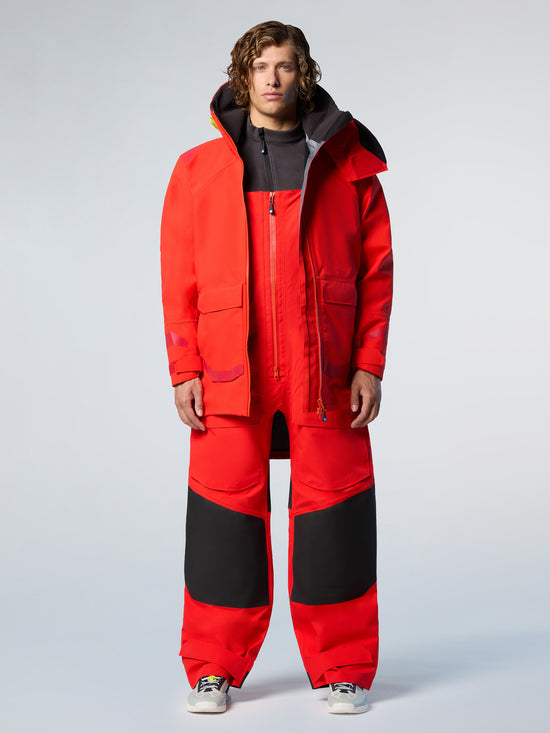
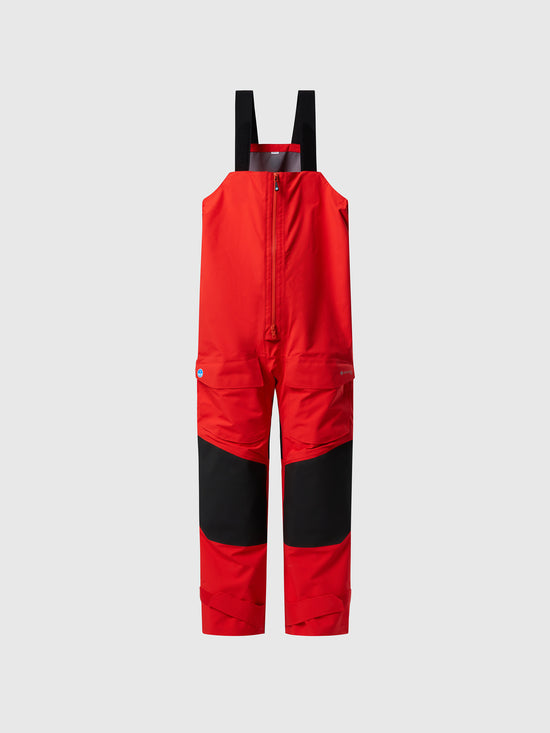
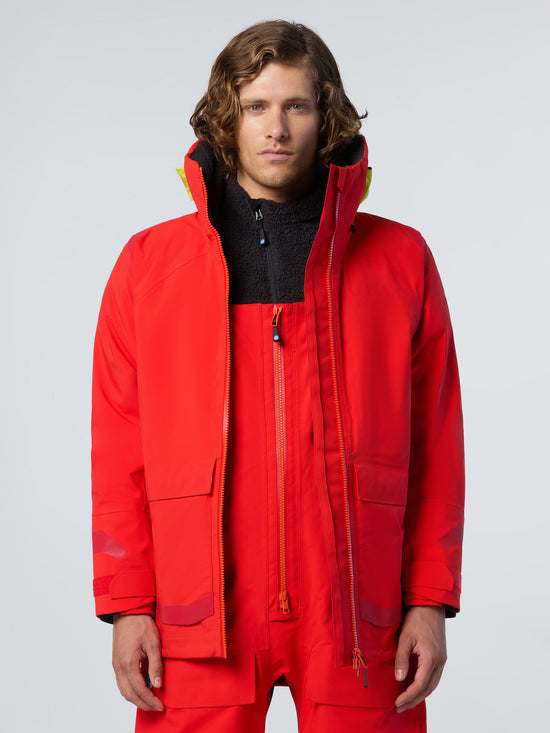
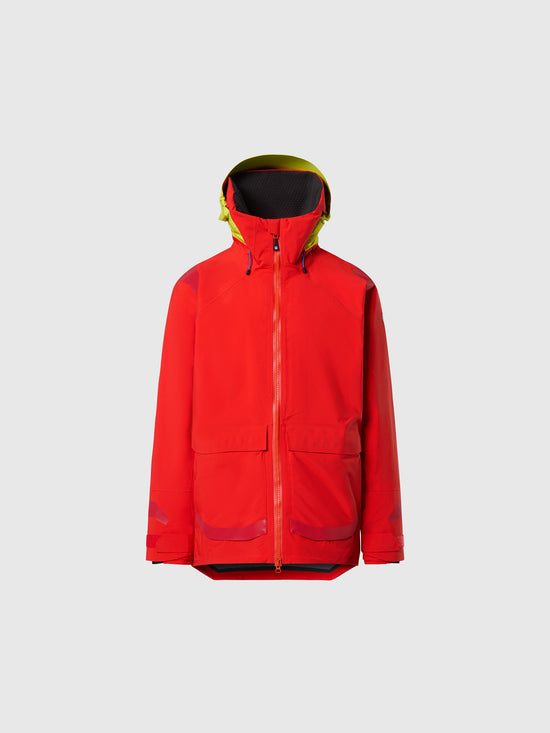
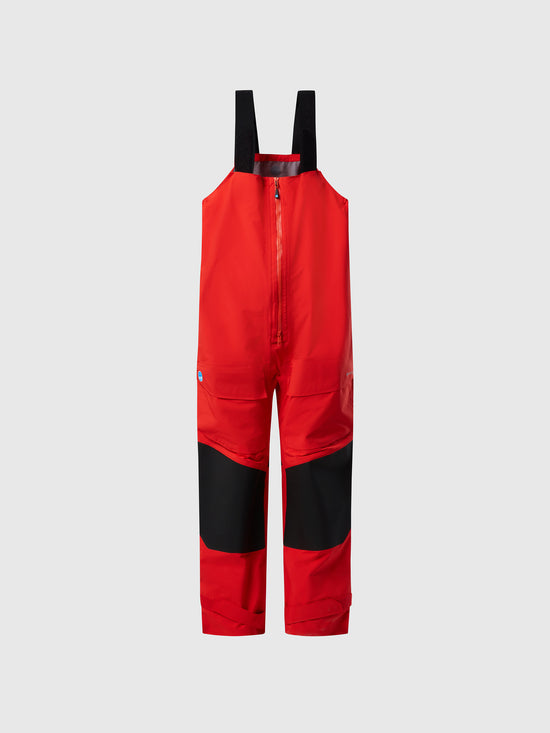
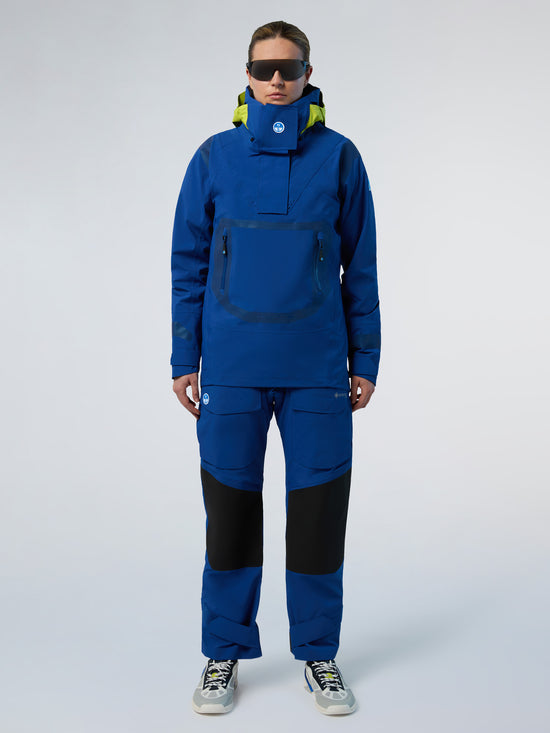
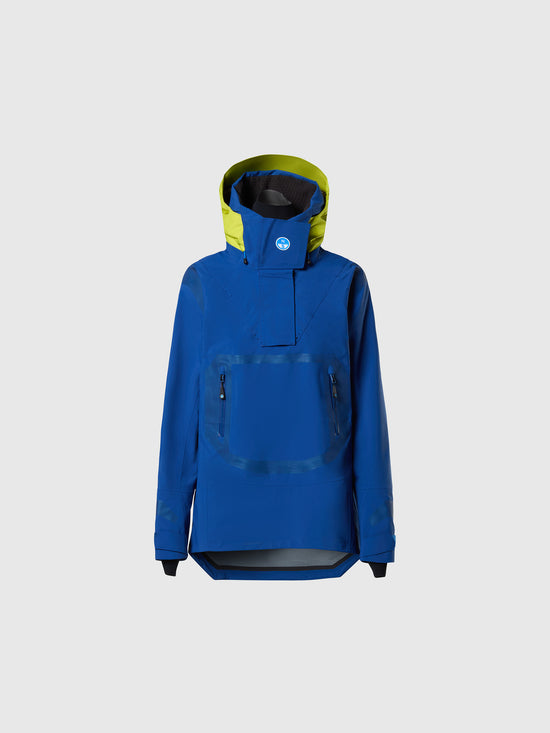
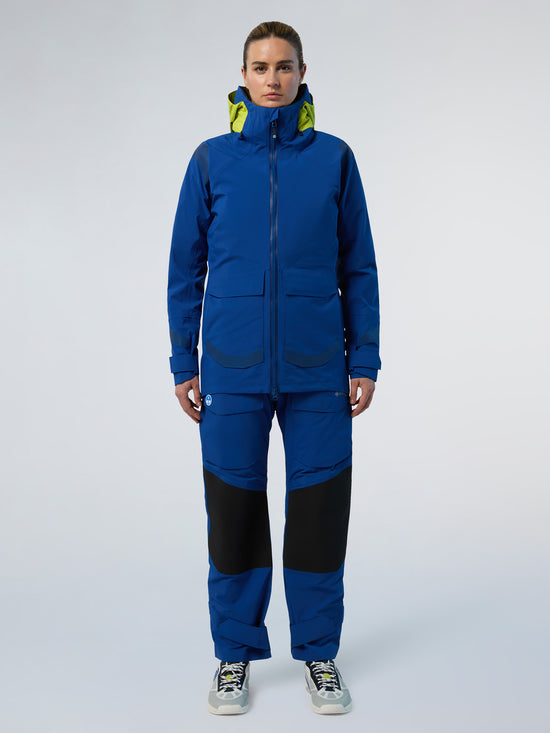
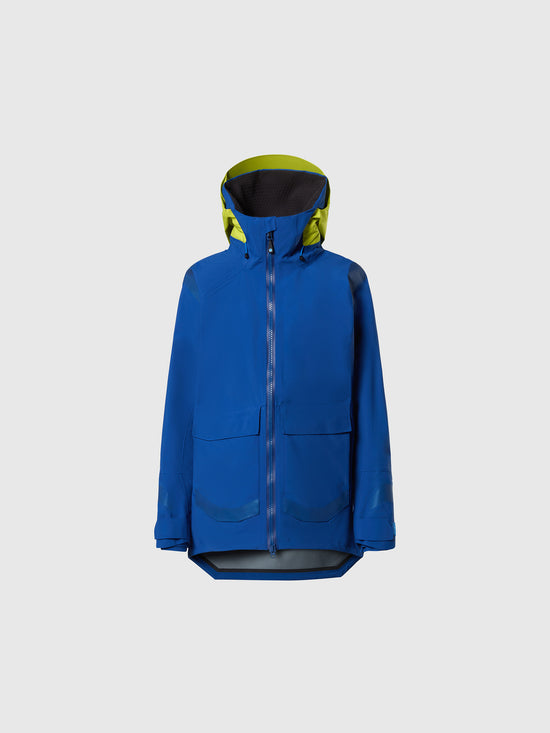
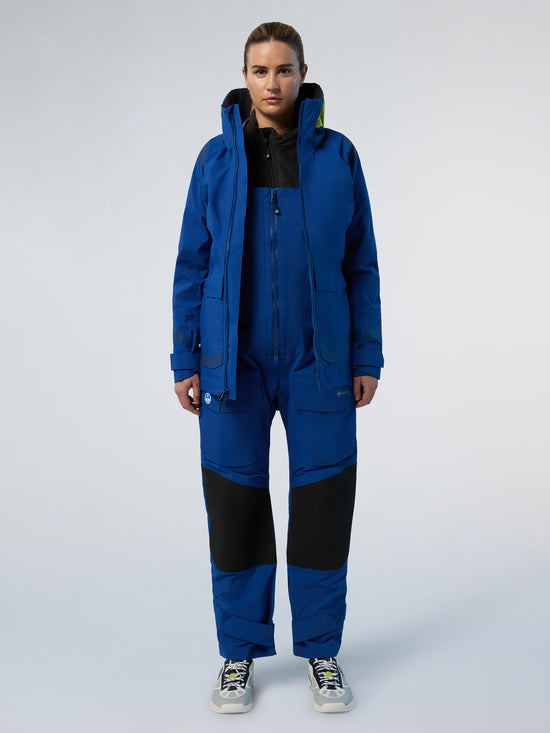
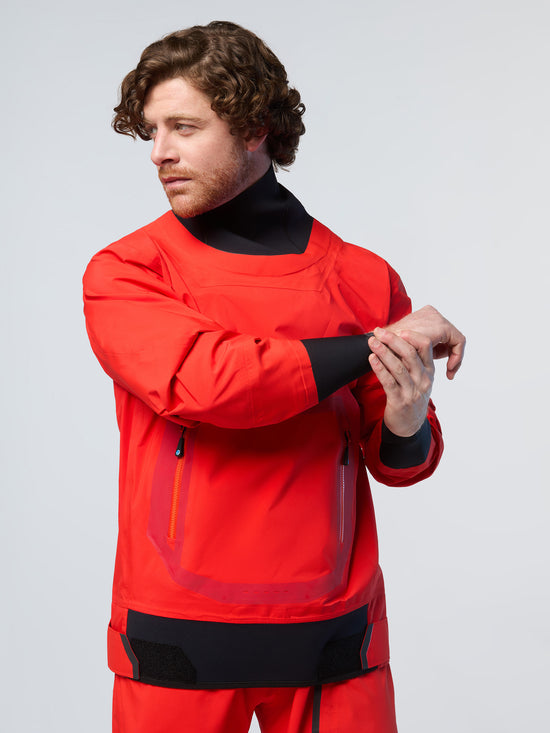
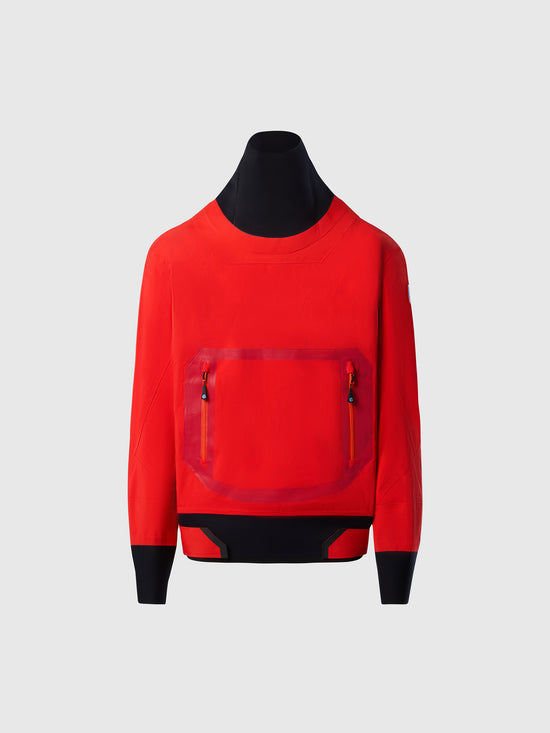
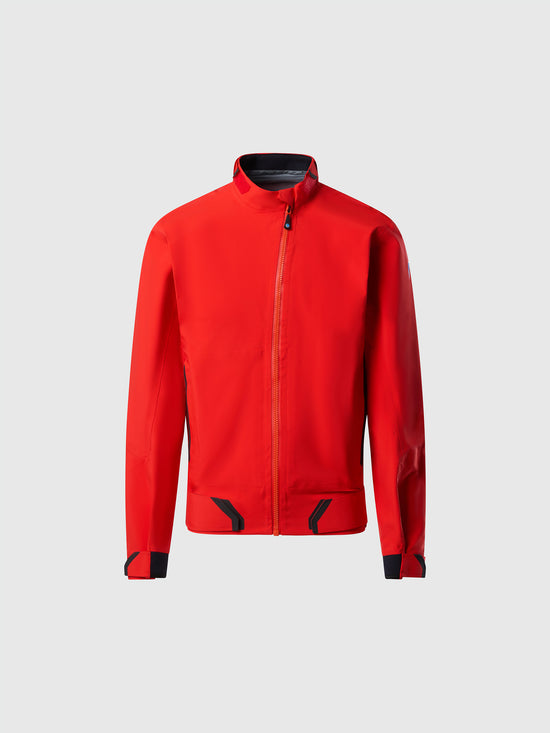
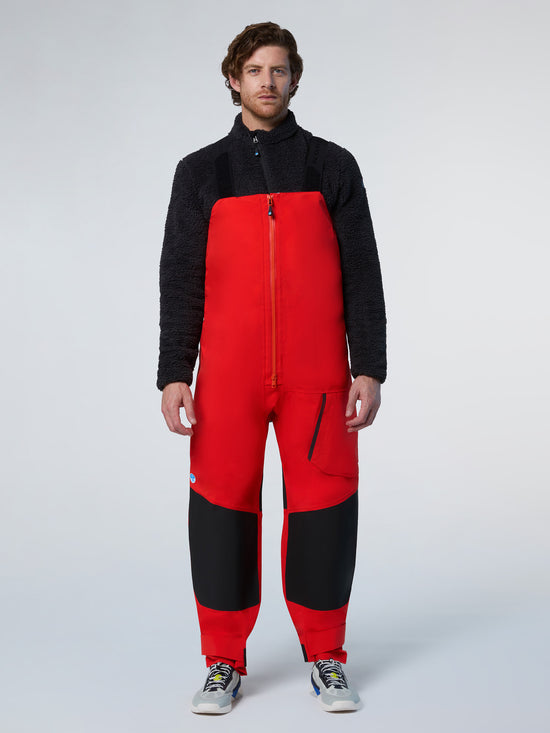
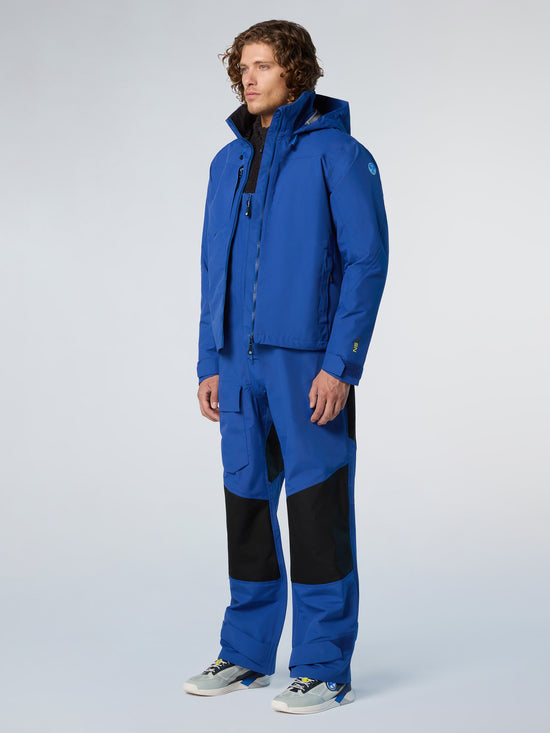
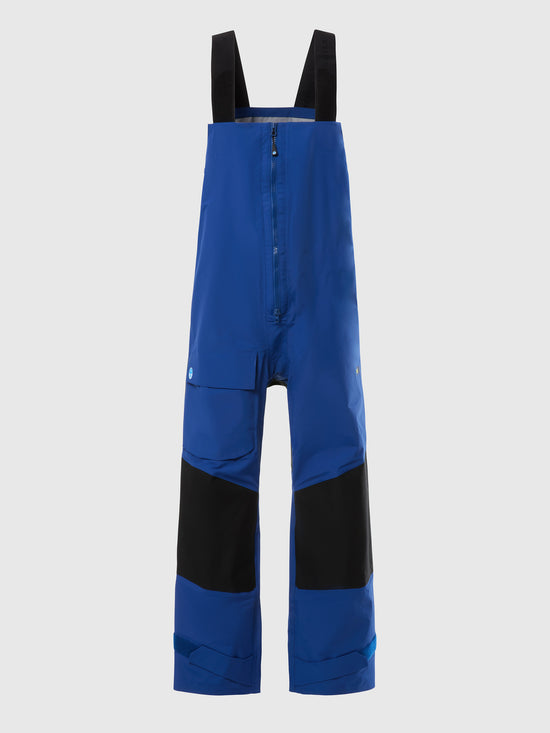
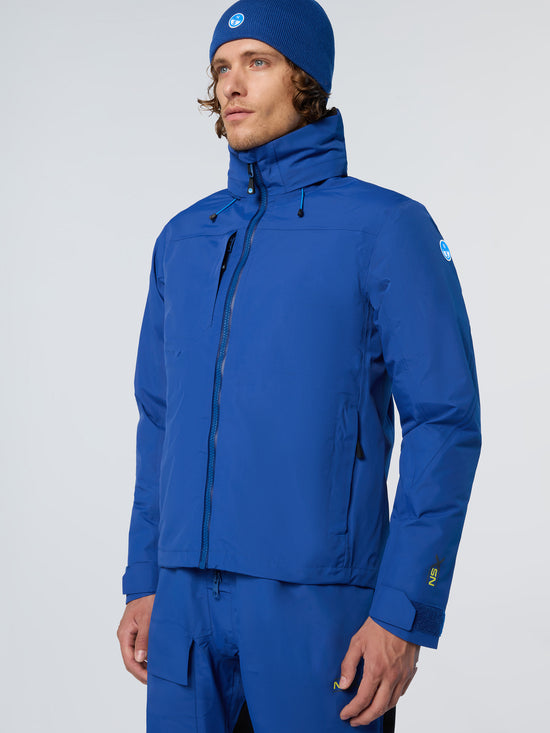
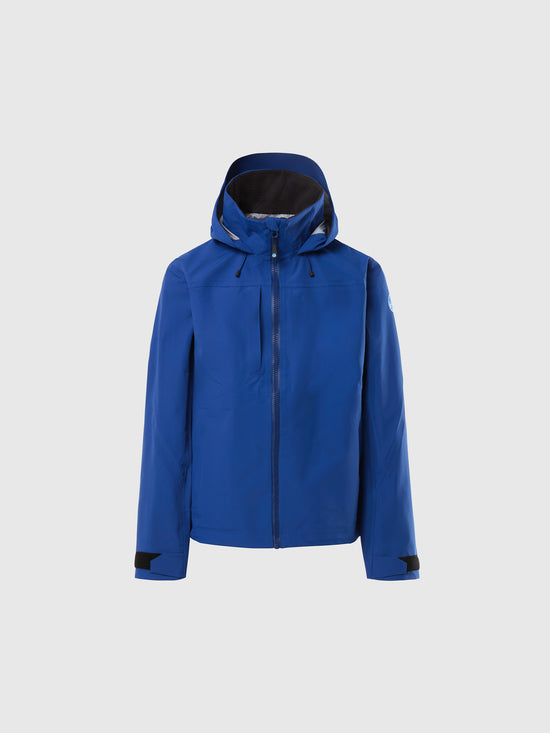
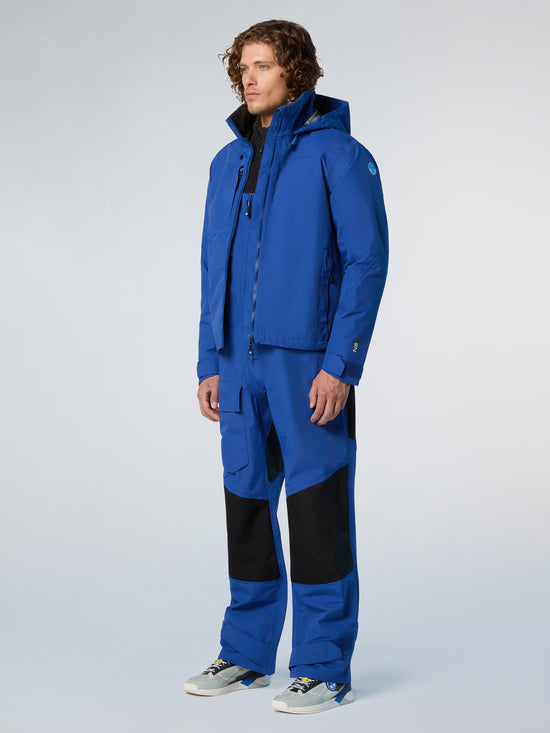
The Ocean range is designed for sailors who want the very best, because they're going to face the very worst the ocean can throw at them. Transoceanic passages, Southern Ocean systems, and winter crossings demand gear that will not fail, no matter how bad it gets.

This is the most protective, most breathable and most durable gear we make. It's built to be worn continuously in harsh conditions, where reliability, durability and long-term performance are non-negotiable.

SAILING TYPE: Transoceanic, extreme offshore
CONDITIONS: Cold, wet, prolonged exposure
PRIORITY: Maximum protection, durability and breathability
OFFSHORE RANGE

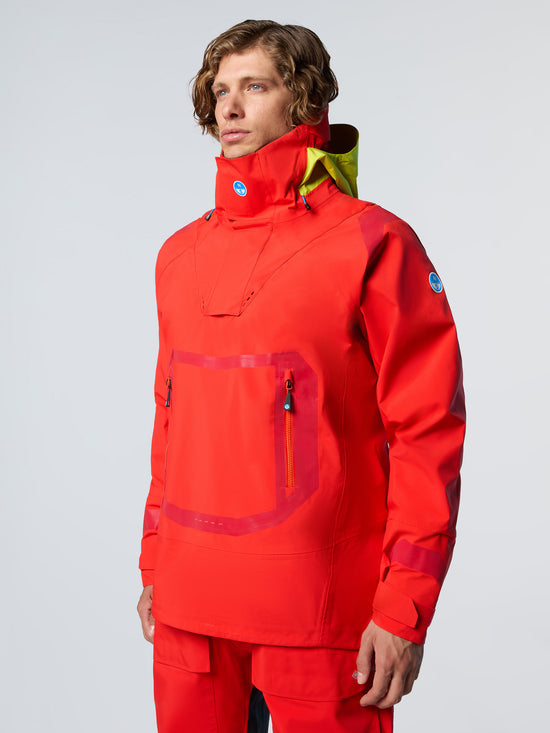
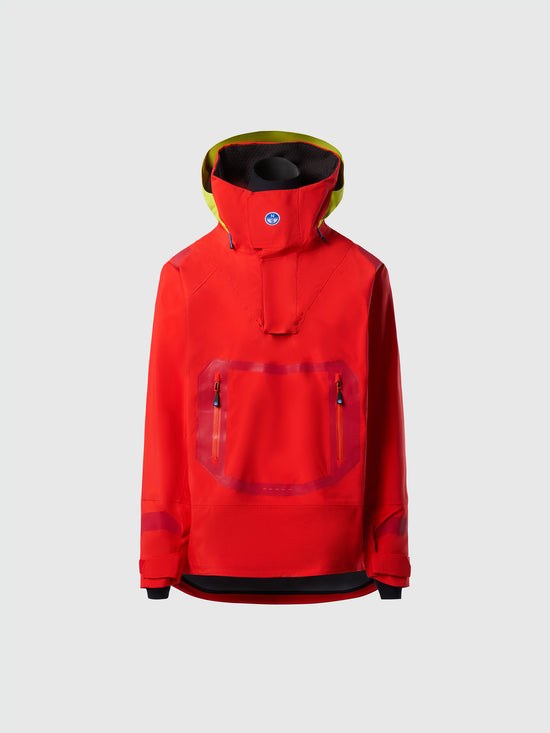
High-performance protection for serious offshore sailing

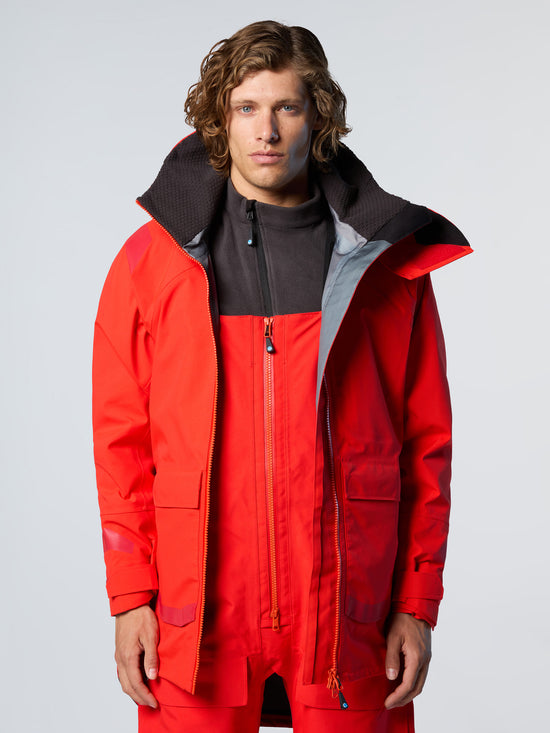
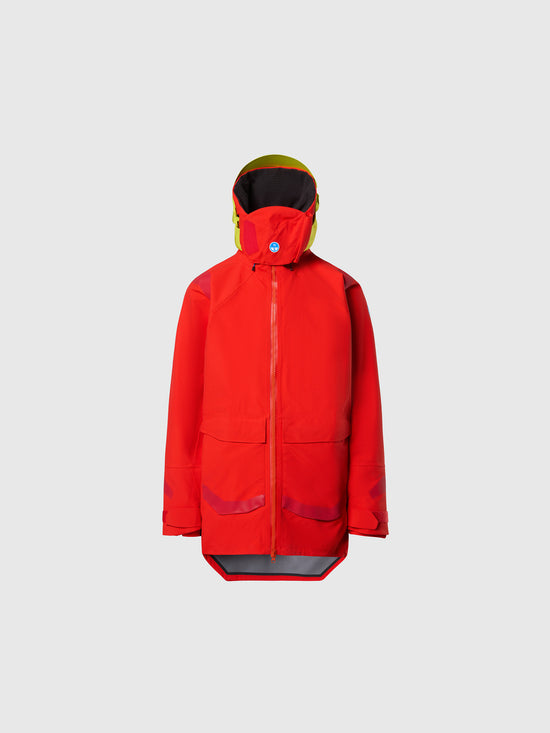
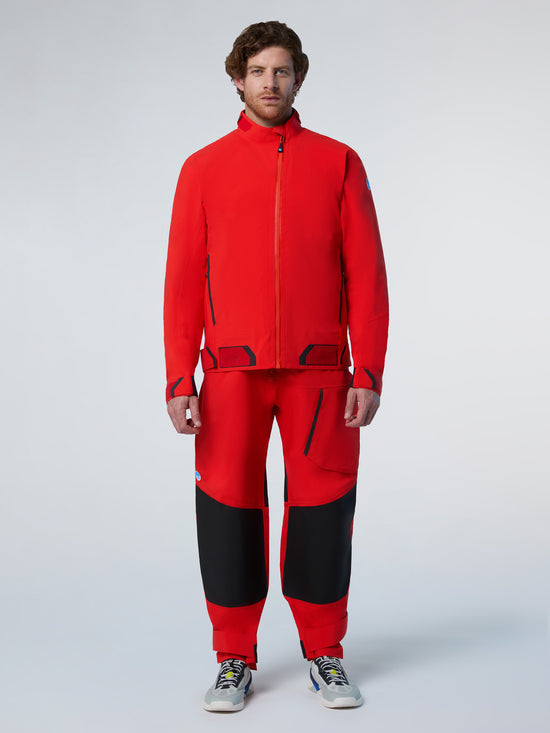
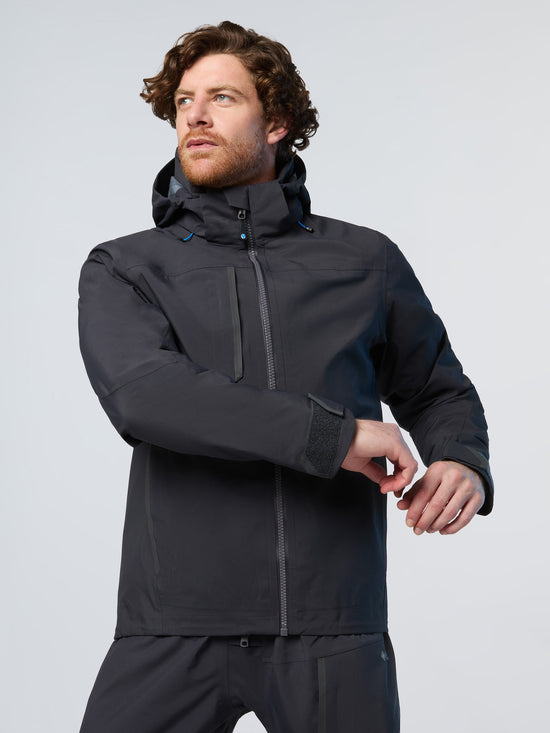
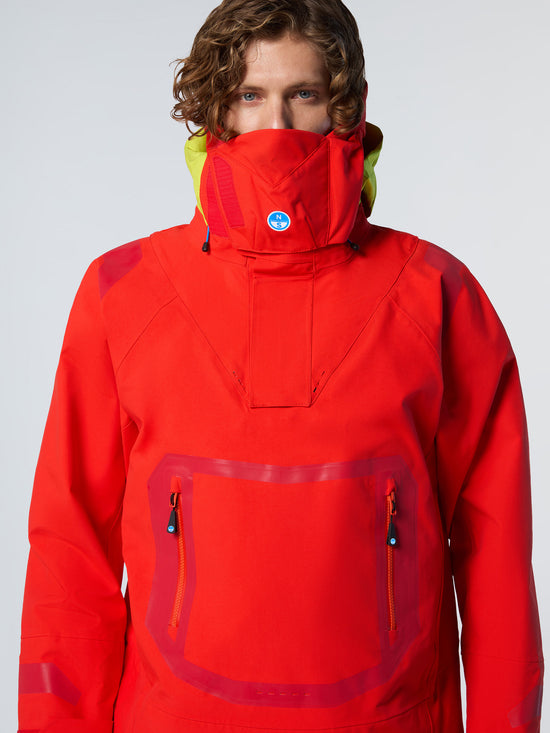
Our Offshore gear is designed for classic medium-distance races or demanding cruising, where protection and comfort must work together. Think multi-day races or challenging coastal passages where you live in your foul weather gear for extended periods.

Offshore retains the core waterproofing and breathability of the Ocean range, while reducing weight and increasing comfort. The result is gear that performs exceptionally when intensity is high and recovery time is limited.

SAILING TYPE: Offshore racing and cruising
CONDITIONS: Variable, wet, high physical output
PRIORITY: Protection, comfort and reduced weight
INSHORE RANGE

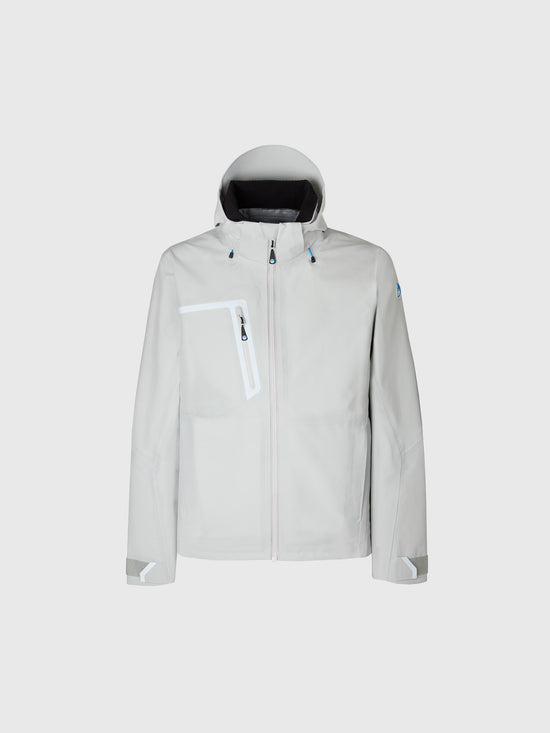
Lightweight agility for fast-paced sailing

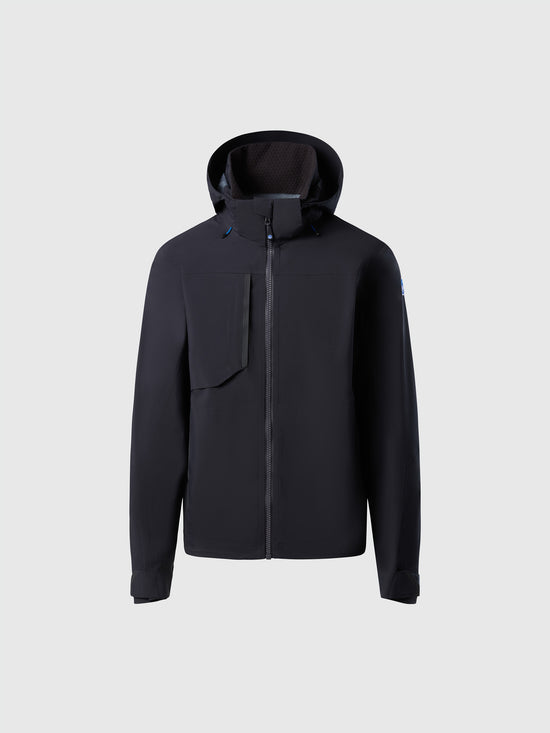
Inshore racing and coastal cruising demand flexible gear that allows for unrestricted movement. Conditions change quickly so your gear needs to keep pace.

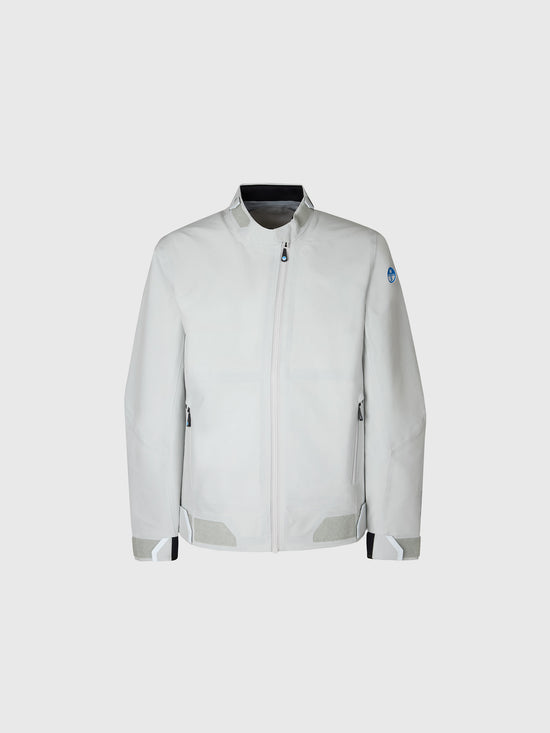
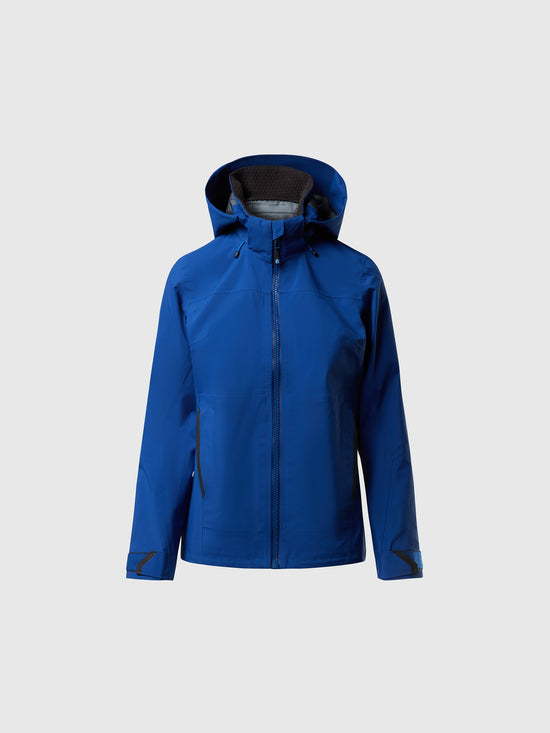
The Inshore range is built with lightweight, highly breathable materials and a focus on mobility. It delivers reliable waterproof and windproof protection while minimizing bulk—ideal for speed, agility, and constant movement on deck.

SAILING TYPE: Inshore racing, coastal sailing
CONDITIONS: Changing, active, short to medium duration
PRIORITY: Freedom of movement, breathability and speed
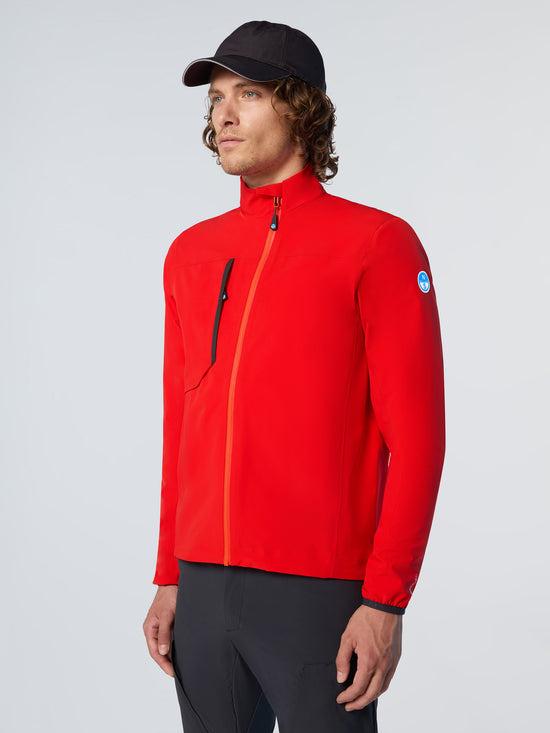
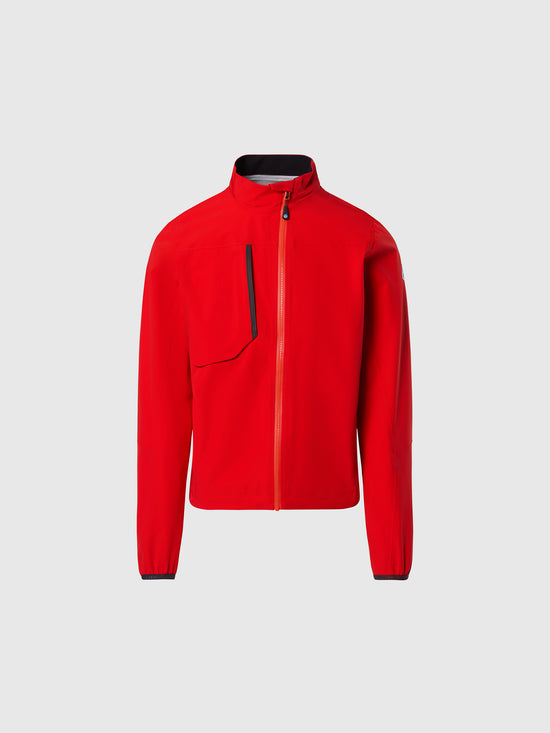
GP AERO RANGE

Ultra-light protection for high-intensity racing

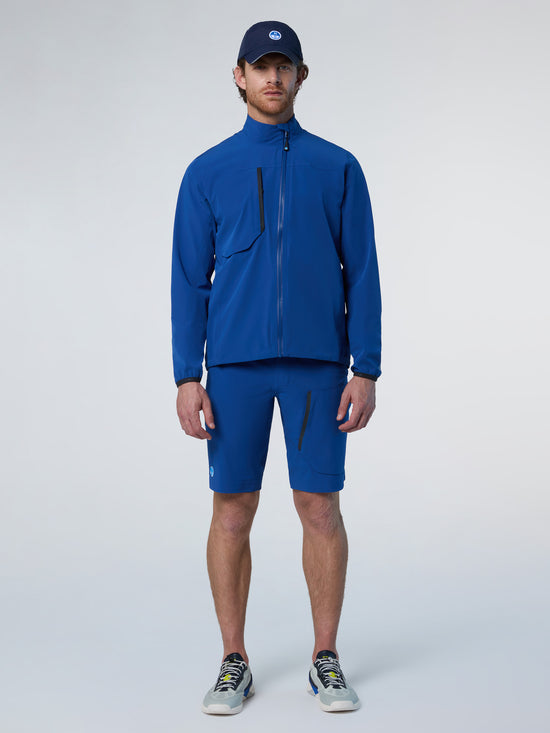
GP Aero is performance apparel stripped down to the essentials. Inspired by high-output endurance sports, it is designed for sailors who prioritize speed, aerodynamics and comfort over full waterproof protection.

Extremely lightweight and flexible, GP Aero is intended for warm climates and high-performance race circuits where spray protection and mobility matter more than staying completely dry.

SAILING TYPE: High-performance inshore racing
CONDITIONS: Warm, fast-paced, spray exposure
PRIORITY: Lightness, mobility and focus
NSTEC INSHORE

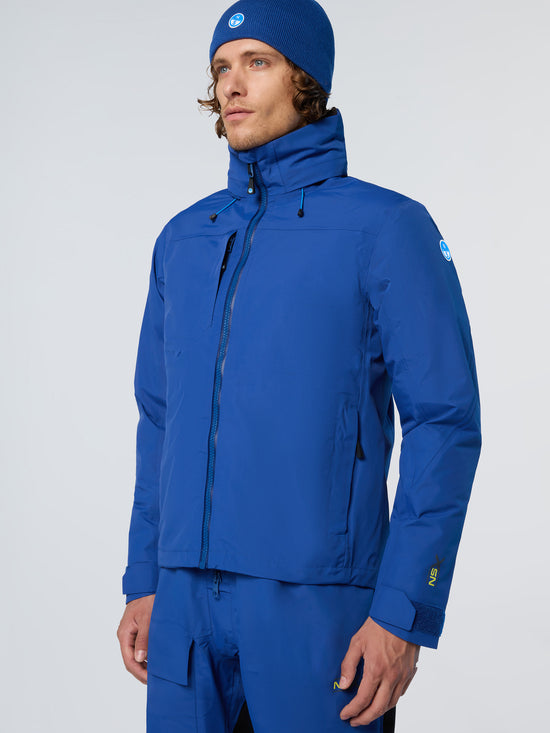
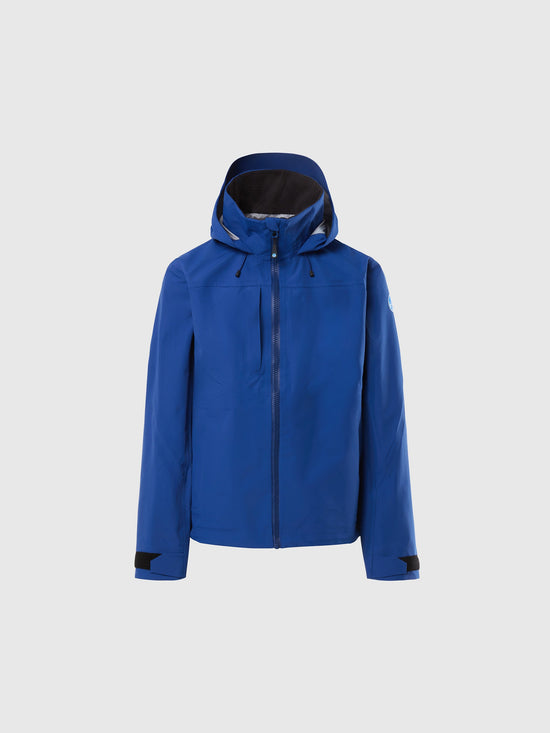
Lightweight durability for everyday performance sailing

NSTEC Inshore strikes the perfect balance between protection, weight and durability. It's designed for sailors who need dependable waterproof gear for inshore sailing, club racing and regular coastal use.

Lightweight, tough and easy to wear, NSTEC Inshore allows sailors to focus on their performance, safe in the knowledge that their gear will keep up.

SAILING TYPE: Inshore sailing and racing
CONDITIONS: Variable coastal weather
PRIORITY: Versatility and durability
LATEST NORTH SAILS NEWS
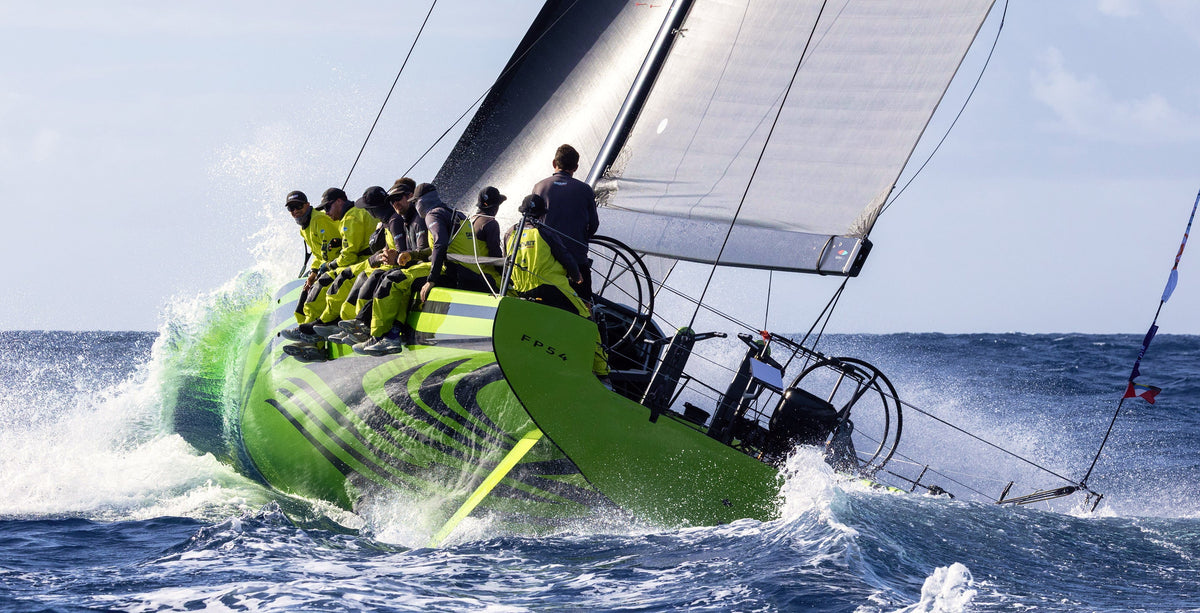
Offshore vs. Inshore Sailing Gear? How to Choose the Right Apparel

Offshore vs. Inshore Sailing Gear? How to Choose the Right Apparel

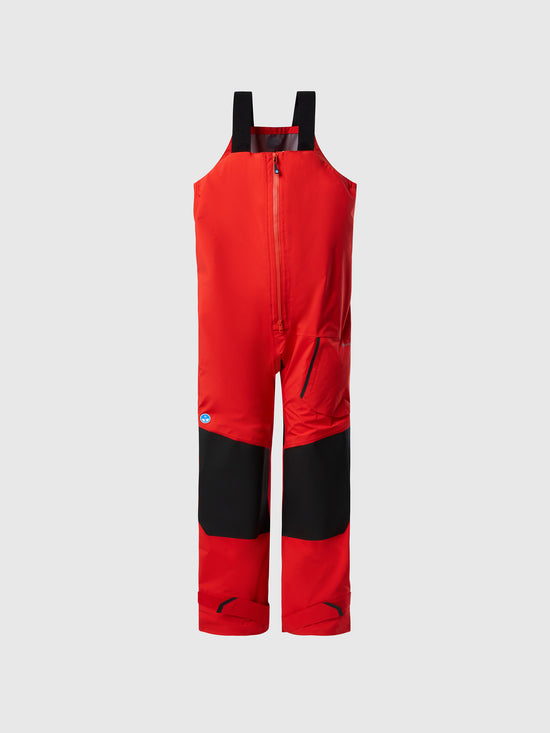
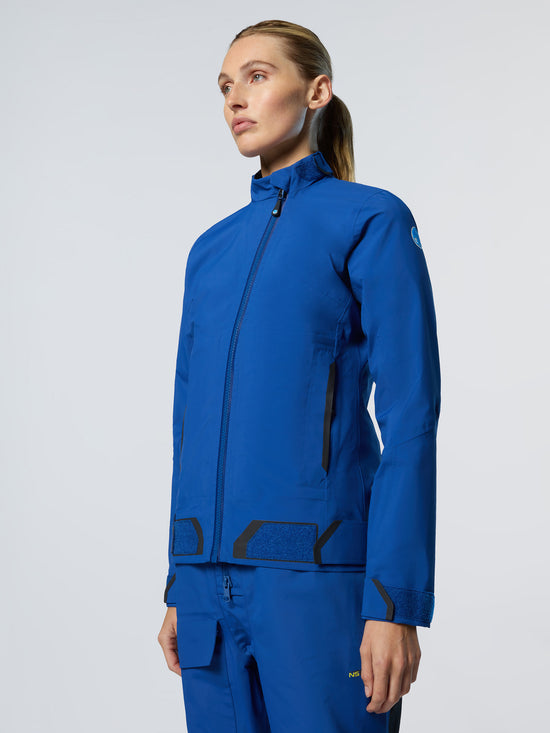
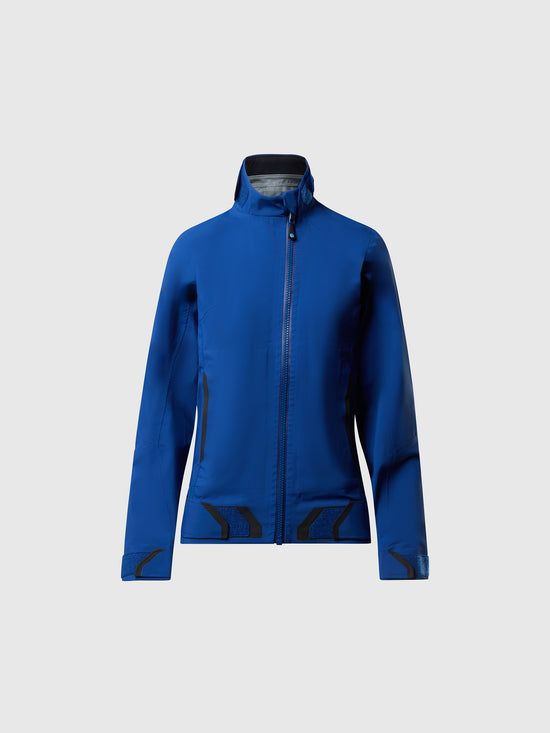
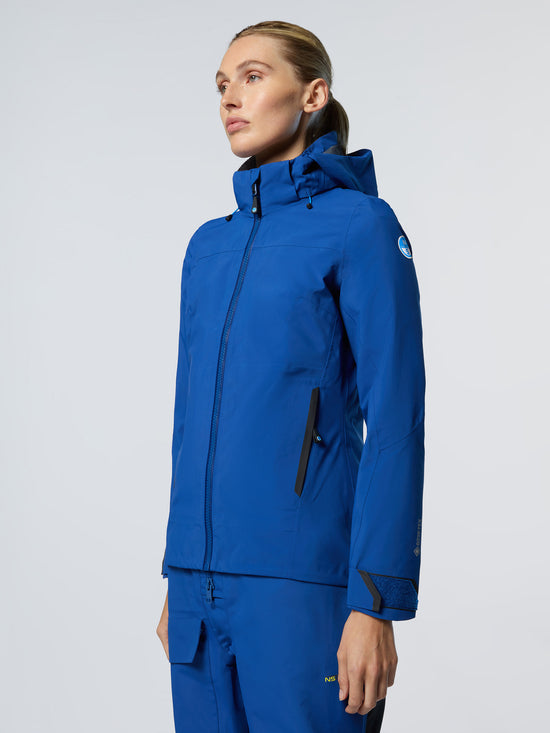
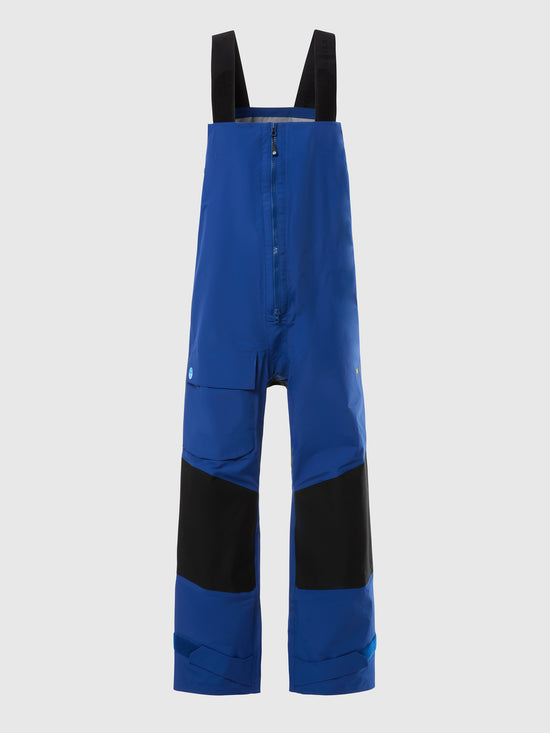
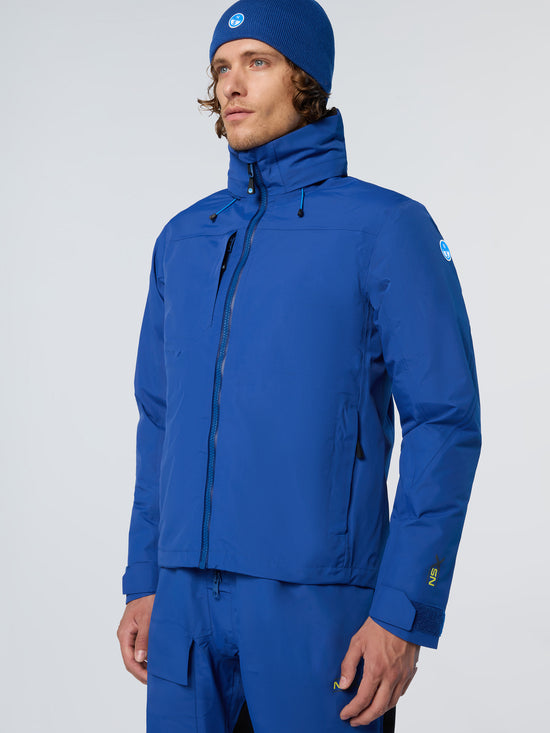
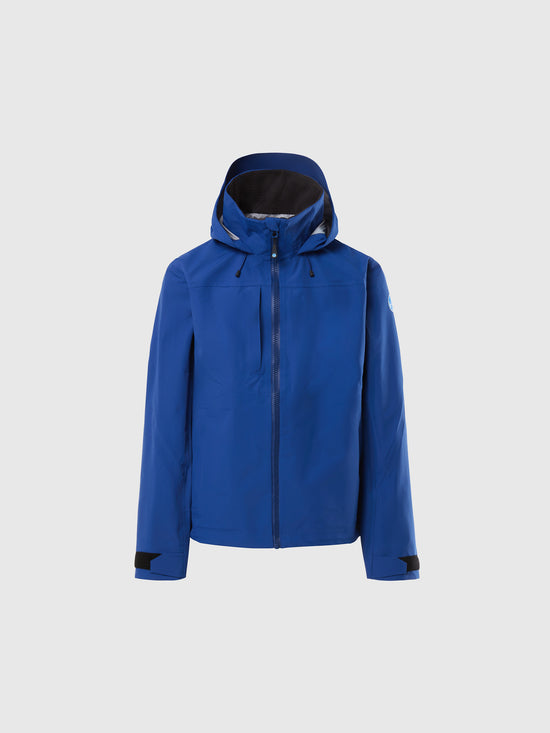
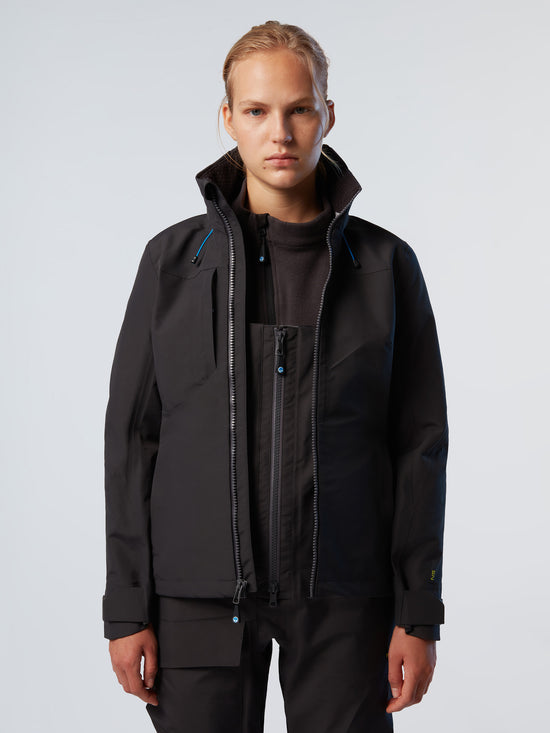
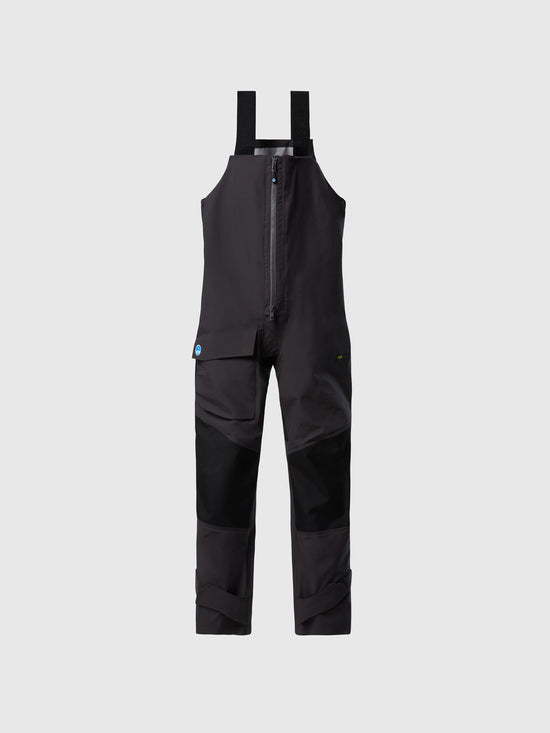
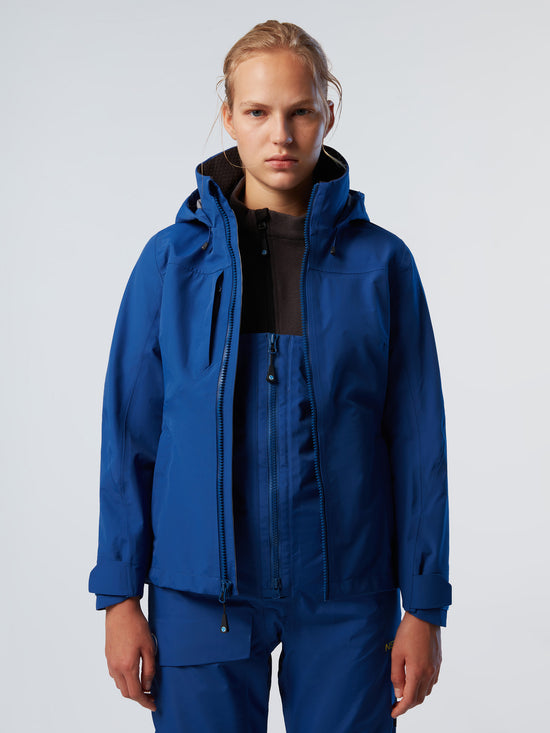
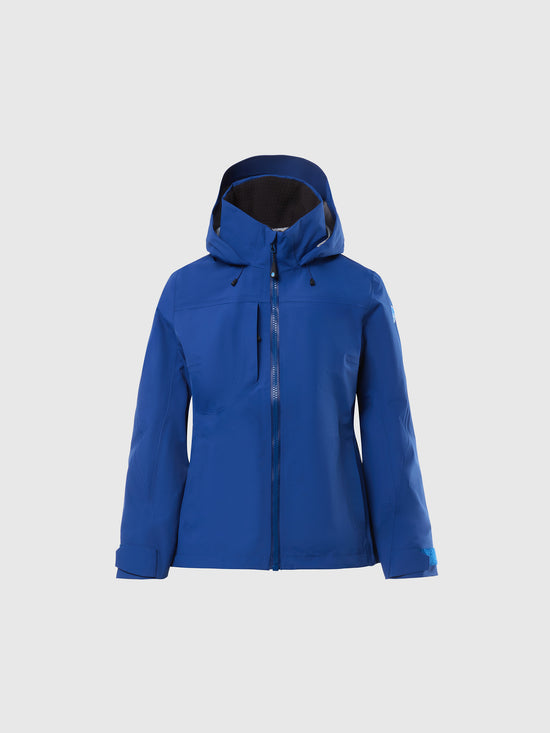
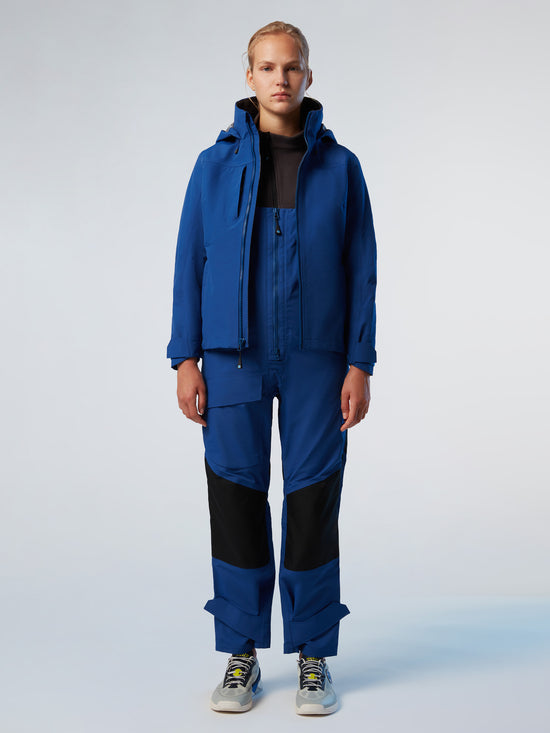
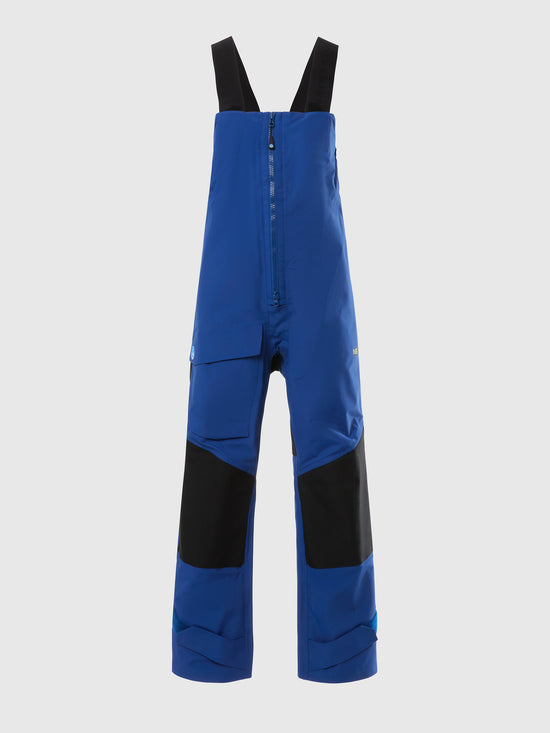
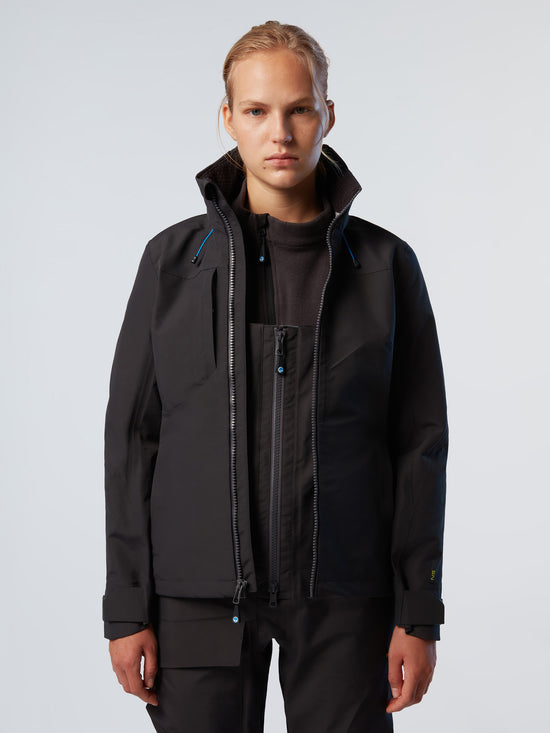
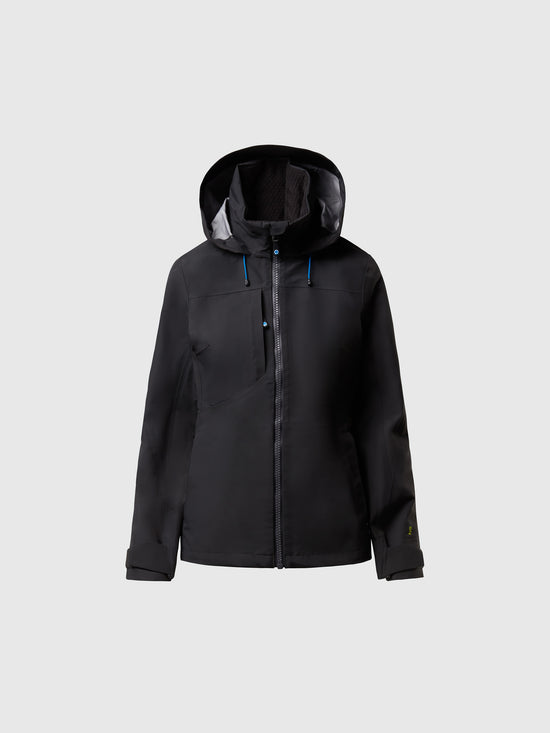
Every day on the water is different. A sunny afternoon of coastal sailing doesn't call for the same setup as an offshore passage, and a regatta demands different sailing gear than a leisurely cruise. That's why choosing the right technical sailing apparel always starts with the type of sailing you're doing. Protection from the elements, freedom of movement, and comfort don't depend on material quality alone, they also depend on how well each piece performs under specific conditions. This philosophy is exactly what drives the North Sails Performance collection: a system of gear designed to support sailors in every scenario, blending technical innovation, functionality, and a clean design inspired by the sea. Inshore vs Offshore Sailing: What Really Changes Onboard The difference between offshore and inshore sailing isn't just about distance from shore. Trip length, exposure to the elements, how quickly you can reach shelter, and the intensity of conditions you're likely to face all change too. Since inshore and offshore sailing present very different conditions, they call for different levels of protection when it comes to gear. Inshore, or coastal sailing, typically takes place within a few miles of shore. Outings are often day trips, with the option to head back to port quickly if the weather turns. That's why inshore sailing apparel favors lightweight construction, breathability, and freedom of movement: features that help you handle changing conditions throughout the day. Offshore sailing, on the other hand, takes the crew far from land for extended periods at sea. Continuous exposure to wind, rain, spray, and cold makes superior protection essential. Compared to coastal sailing apparel, offshore sailing gear features highly waterproof materials, more rugged construction, and details engineered for comfort and reliability through long hours on the water and in the toughest weather conditions. The Layering System: The Foundation of Sailing Apparel Whether you're sailing close to shore or heading offshore, the principle stays the same: build your gear around a layering system. This sailing setup lets you quickly adapt to changes in weather and physical exertion, avoiding both overheating and heat loss. The base layer keeps skin dry by wicking away moisture. The mid layer traps warmth as temperatures drop, while the outer layer serves as the real barrier against wind, rain, and salt water. With this setup, you can handle a wide range of conditions simply by adding or removing a layer, without sacrificing the freedom of movement you need for maneuvers. The Most Important Features in Technical Sailing Gear Choosing technical sailing gear isn't just about your destination, it's mainly about the performance you need on the water. Certain features become critical precisely because offshore and inshore sailing place very different demands on sailors. Waterproofing, Breathability, and Wind Protection When you're out on the water, wind and spray are the toughest elements to deal with. That's why technical sailing gear needs to be both waterproof and breathable. Waterproof membranes, taped seams, and water-repellent treatments keep water out, while breathability lets moisture produced by the body escape. Among the most trusted solutions in this space are technical fabrics like GORE-TEX, engineered to deliver strong weather protection without sacrificing breathability. In coastal sailing, these features keep you comfortable through variable conditions; offshore, they become essential for staying dry after many hours of exposure to wind and rain. Fit, Weight, and Freedom of Movement Effective technical gear needs to protect without restricting movement. Ergonomic cuts, articulated joints built to move with you, and lightweight materials let you move naturally during maneuvers, cutting down on bulk and fatigue. The weight of each piece also affects the overall experience: a streamlined yet durable construction makes long days on the water more comfortable. Inshore sailing apparel prioritizes lightness and agility, with a trim fit and low-profile design that moves with you without getting in the way. It's the ideal choice for dynamic outings, training sessions, and day sailing. Offshore sailing gear favors a more structured build, engineered to deliver continuous protection without compromising freedom of movement, even in extreme conditions. At the same time, ergonomic design keeps every maneuver easy to execute. How to Choose the Right Sailing Gear Based on Your Trip Choosing between coastal and offshore gear comes down to finding the right balance of weather protection, mobility, and comfort for your voyage. What to Wear for Inshore Sailing For coastal sailing, it's important to strike the right balance between protection, lightness, and freedom of movement. A waterproof yet breathable inshore jacket, paired with technical pants and an easily adjustable mid layer, handles wind, spray, and shifting temperatures without weighing you down. Non-slip shoes, a sun hat, and a few practical accessories within easy reach round out the system for a day on the water. Built specifically for this kind of sailing, the North Sails Inshore collection combines high-performance materials, lightweight construction, and practical details, offering the comfort you need both during maneuvers and once you're back on dry land. What to Wear for Offshore Sailing As trips get longer and conditions grow more demanding, your gear needs to step up too. Steady wind, rain, and spray make a system built around an offshore jacket, technical bibs, and a base layer essential for staying dry and at the right temperature over many consecutive hours. This is where the details make the difference: a high collar, adjustable hood, protective cuffs, reinforcements in high-wear areas, and reflective elements all boost safety and reliability when the weather turns without warning. That's the philosophy behind the North Sails Offshore Foul Weather Gear collection: pieces built on the brand's experience in competitive sailing, designed to deliver continuous protection and the freedom of movement needed for the most demanding passages. What to Wear for Ocean Sailing Ocean passage-making takes offshore sailing a step further, with even more specific demands. When you're spending multiple days at sea with no chance to duck into port, reliable, high-performing ocean sailing gear becomes essential. UPF-rated pieces play an especially important role here, helping shield skin from UV rays during long hours on deck, where direct sun combines with glare off the water. It's worth pairing these with a few spare base layers, technical socks, and a waterproof bag or backpack to keep clothing, electronics, and documents safe from constant moisture. The North Sails Foul Weather Ocean collection, developed with input from the brand's experience in ocean racing, meets these demands with technical fabrics, durable construction, and functional details built for the longest, most challenging crossings. What to Wear for a Sailboat Race Regattas call for a different approach, where every piece of gear can affect performance. Here, the priority is cutting bulk, favoring ergonomic, lightweight, highly breathable sailing apparel that moves with the body through every maneuver. In races held in rough weather, or in offshore regattas, the level of protection needed shifts closer to that of offshore sailing, calling for more structured gear that keeps sailors dry and protected over many consecutive hours. Must-Have Sailing Gear for Every Trip Whether it's an inshore outing, an offshore passage, or a regatta, choosing the right gear is key to striking the ideal balance between performance and comfort. The North Sails sailing apparel line turns this need into pieces designed to adapt to different sailing conditions, with innovative materials and functional details that deliver optimal performance out on the water. Every piece serves a specific purpose and works together with the rest of the system to protect sailors without limiting their movement. A complete sailing equipment setup should always include: technical base and mid layers, UV-protective clothing, a waterproof sailing jacket, technical sailing bibs or pants, non-slip sailing shoes, gloves, a brimmed sailing hat, sunglasses with a retainer strap, a waterproof backpack or bag.
READ MORE
What to Pack for a Vacation: The Ultimate Packing Guide, from Beach to City

What to Pack for a Vacation: The Ultimate Packing Guide, from Beach to City

READ MORE
Summer Office Outfits: Smart Casual Ideas for Men and Women

Summer Office Outfits: Smart Casual Ideas for Men and Women

READ MORE
VIEW ALL STORIES