


HOW OUR SAILS ARE MADE
HOW OUR SAILS ARE MADE
From digital modeling to final finishing, North Sails integrates design, engineering, and expert craftsmanship into a seamless process that creates the world’s best sails.
North Sails is the most advanced sailmaker in the world, known for changing the game through breakthrough materials and innovative manufacturing methods such as true 3D‑shaped sails. Our ambition is simple but uncompromising: to design and deliver the best sailing experience on the planet, and superior value for every sailor. With the most talented people, cutting‑edge technology, and decades of hard‑won experience built into every product, North sails are engineered to perform at the highest level.
That performance begins with how our sails are made. North Sails employs industrial designers and expert sailmakers who develop the most advanced, vertically integrated manufacturing processes in the industry. All sails are produced in North‑owned facilities worldwide, following rigorous standards that reflect our investment in R&D, quality control, and global knowledge sharing. The same passion, pride, and precision go into every sail, whether it is built for Grand Prix racing or for relaxed cruising. The technical expertise gained from working with championship‑winning teams is embedded in every design, ensuring that every North sail, regardless of size or purpose, is made to be the best, by the best.
WHERE EVERY SAIL BEGINS
THE DESIGN PROCESS
Every sail we build starts in the North Design Suite. While there are established standards for creating a fast, efficient sail, true performance comes from refining every detail and integrating the sail precisely with the boat it will power. Our design suite is unique in that all the software is developed in-house. This allows unparalleled accuracy, flexibility, and constant evolution as materials, sailing styles, and performance demands change.
The design engineers begin by understanding the full operating environment and intended use of the sail – expected wind ranges, boat speed, rig and mast characteristics, and how much load the boat can safely handle. Using advanced simulation tools, the team virtually applies real-world forces to the sail, predicting how it will perform when set, adjusted, and loaded on the water.
Sail design uniquely demands mastery of both aerodynamics and hydrodynamics – how air flows over the sail to generate drive, and how the boat and keel interact with the water to convert that drive into speed and stability. Unlike most performance industries, both forces must be modeled together, as changes to one directly affect the other. That’s why North sail designers are not only engineers, but also highly experienced sailors who understand how theory translates into performance.
Every sail we build starts in the North Design Suite. While there are established standards for creating a fast, efficient sail, true performance comes from refining every detail and integrating the sail precisely with the boat it will power. Our design suite is unique in that all the software is developed in-house. This allows unparalleled accuracy, flexibility, and constant evolution as materials, sailing styles, and performance demands change.
The design engineers begin by understanding the full operating environment and intended use of the sail – expected wind ranges, boat speed, rig and mast characteristics, and how much load the boat can safely handle. Using advanced simulation tools, the team virtually applies real-world forces to the sail, predicting how it will perform when set, adjusted, and loaded on the water.
Sail design uniquely demands mastery of both aerodynamics and hydrodynamics – how air flows over the sail to generate drive, and how the boat and keel interact with the water to convert that drive into speed and stability. Unlike most performance industries, both forces must be modeled together, as changes to one directly affect the other. That’s why North sail designers are not only engineers, but also highly experienced sailors who understand how theory translates into performance.

THREE CRITICAL ELEMENTS OF SAIL DESIGN
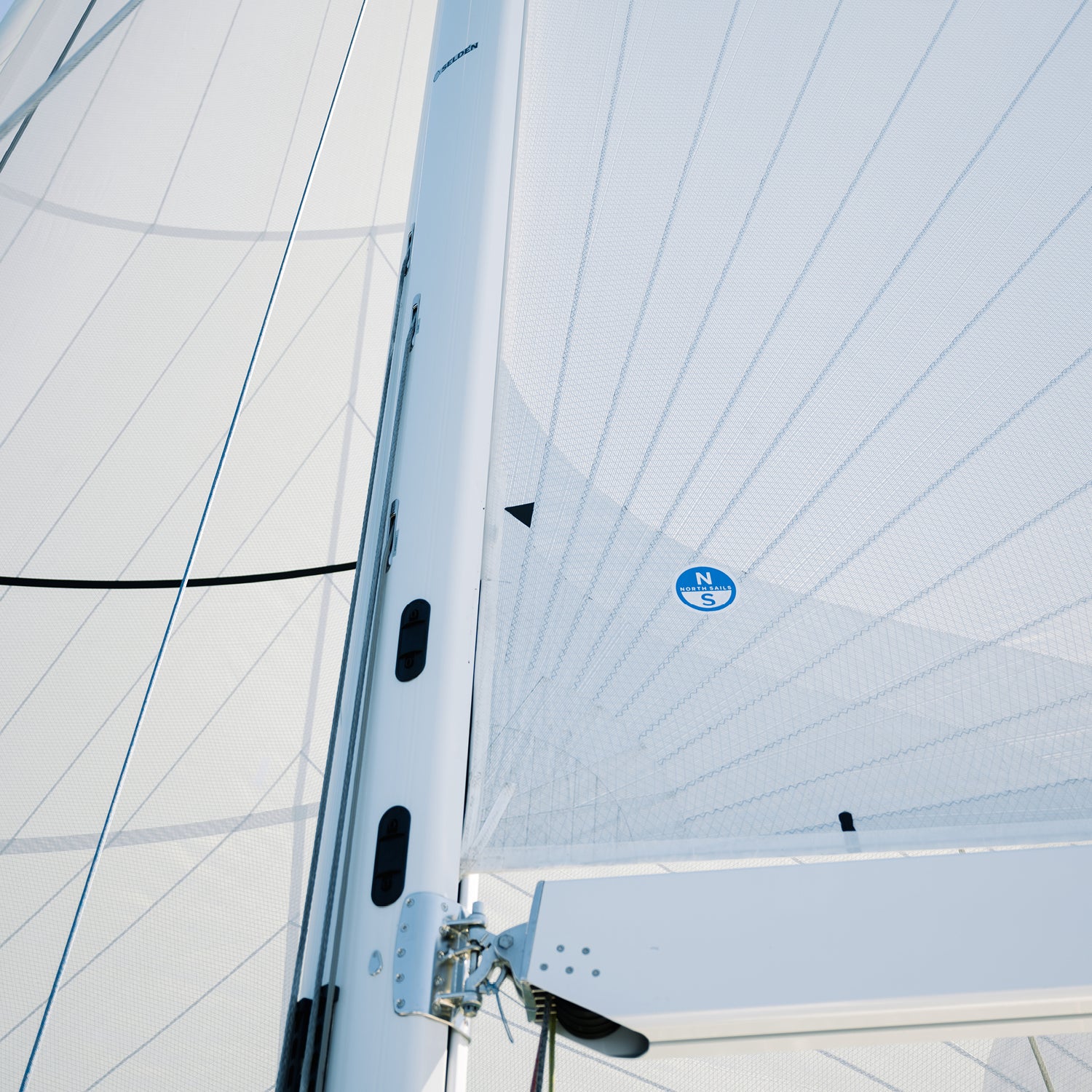
Every sail design integrates three elements: geometry, shape, and structure. Once the geometry of the sail is established, shape and structure are inseparable – without structure, shape is unstable, and without shape, structure delivers no drive.
GEOMETRY
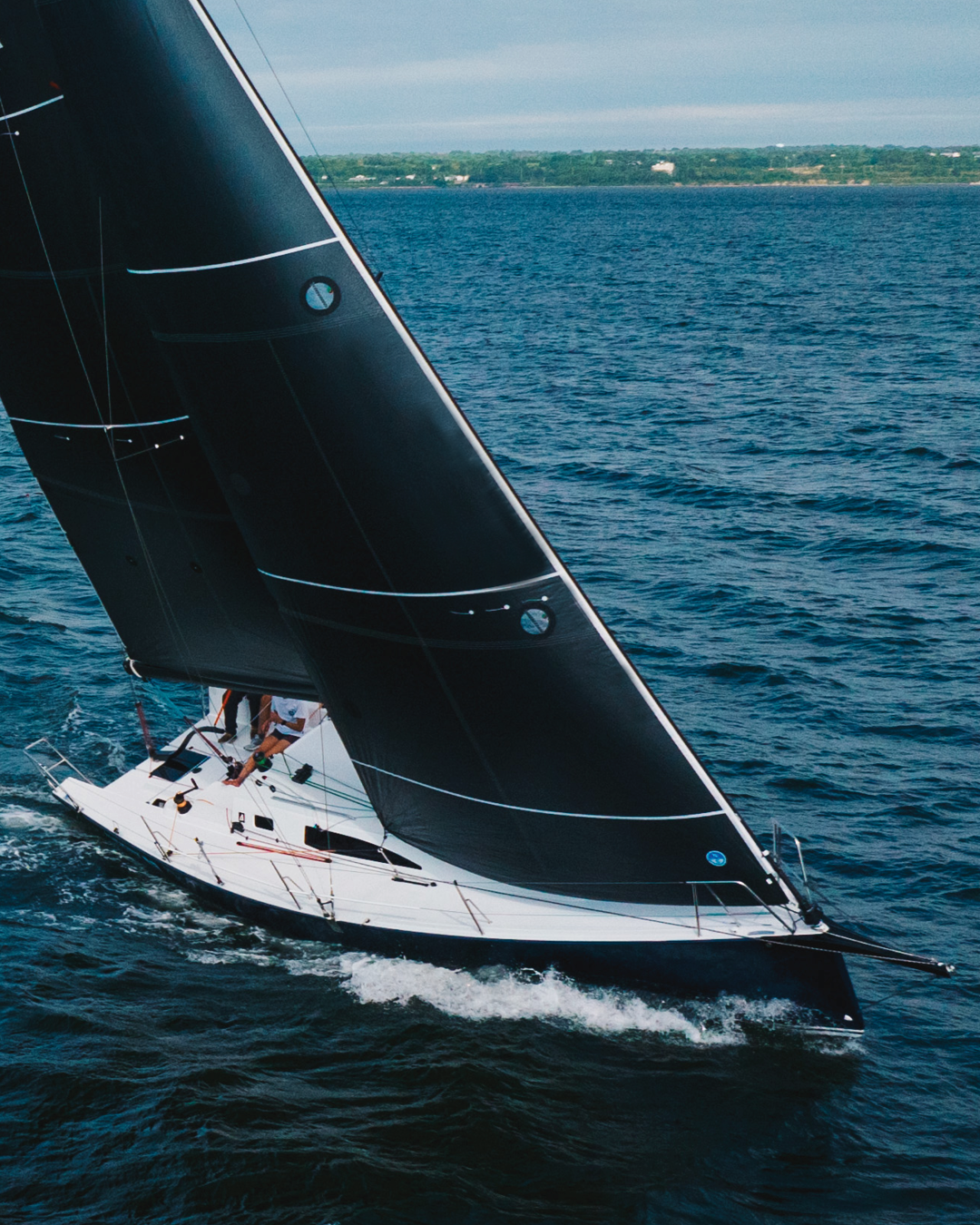
Ensuring the sails fit the boat perfectly, with all attachment points precisely positioned.
SHAPE
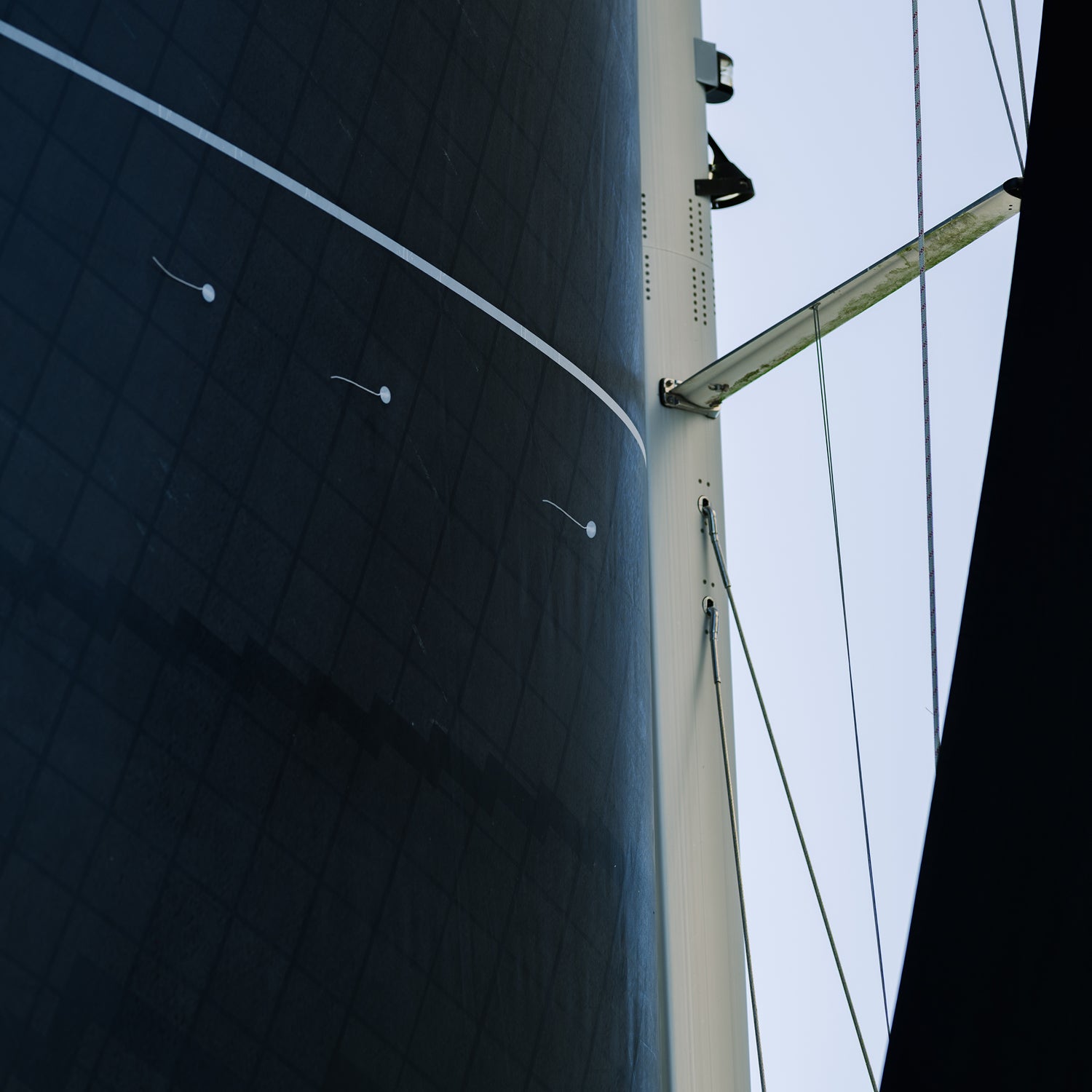
Defining the aerodynamic form of the sails to achieve desired performance.
STRUCTURE
Engineering the internal load paths to suit the intended use and sailing conditions.
TWO SAIL CONSTRUCTION METHODS
North builds sails using two distinct construction methods – Paneled and 3Di Molded – each designed to deliver smooth, fast, and efficient performance for every type of sailor. Whether you’re cruising on a 30‑footer or pushing a super maxi, both construction styles offer reliable power; the best choice simply depends on how and where you sail.
PANEL CONSTRUCTION: PRECISION, BUILT PANEL BY PANEL
Paneled sails are the bedrock of sailmaking, carrying sailors across oceans and through decades of competition and adventure. Trusted and engineered for longevity, they remain a solution for a wide range of sailing styles, valued for their versatility, reliability, and proven performance. These types of sails are made by cutting and sewing flat cloth panels into a shaped structure, relying on the engineered properties of woven or laminated cloth and expert shaping techniques.
Paneled sails are the bedrock of sailmaking, carrying sailors across oceans and through decades of competition and adventure. Trusted and engineered for longevity, they remain a solution for a wide range of sailing styles, valued for their versatility, reliability, and proven performance These types of sails are made by cutting and sewing flat cloth panels into a shaped structure, relying on the engineered properties of woven or laminated cloth and expert shaping techniques.
PANEL - THE PROCESS
1. MATERIALS SELECTION AND CUTTING
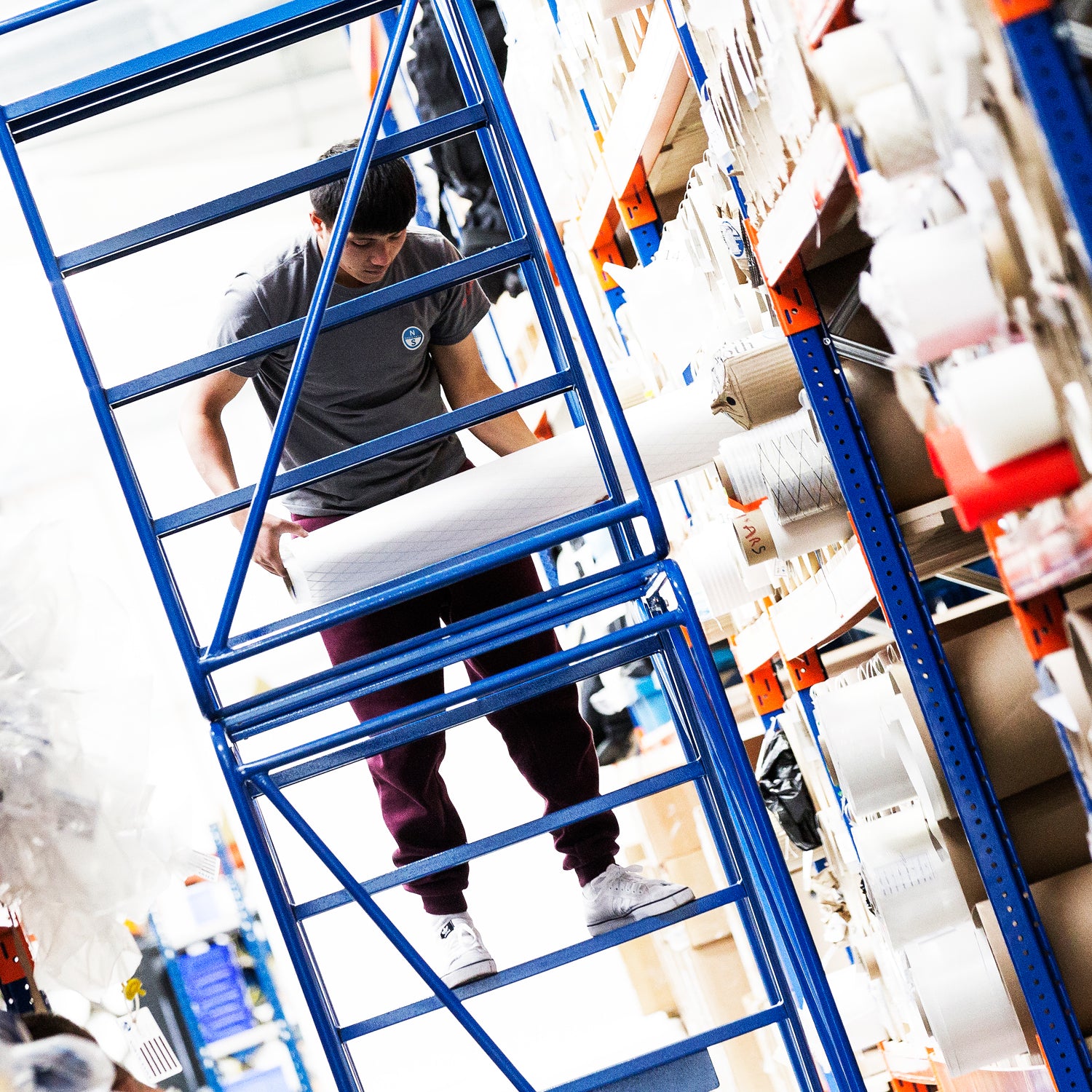
Once the sail type and budget are defined the appropriate sailcloth, is selected, such as woven polyester (Dacron) or our proprietary North Panel Laminate (NPL). From there, the sail designer creates a sail precisely tuned to the expected loads and the sail’s intended use.
The sailcloth is laid out on the cutting table where a 2D design file guides plotters to cut panels with integrated broad seaming: curved panels that, when overlapped, create the sail’s three-dimensional shape. Depending on sail size and performance requirements, a sail may be built from as few as five panels or as many as two hundred.
Once the sail type and budget are defined the appropriate sailcloth, is selected, such as woven polyester (Dacron) or our proprietary North Panel Laminate (NPL). From there, the sail designer creates a sail precisely tuned to the expected loads and the sail’s intended use.
The sailcloth is laid out on the cutting table where a 2D design file guides plotters to cut panels with integrated broad seaming: curved panels that, when overlapped, create the sail’s three-dimensional shape. Depending on sail size and performance requirements, a sail may be built from as few as five panels or as many as two hundred.
PANEL - THE PROCESS
2. PANEL ASSEMBLY AND SHAPE ENGINEERING
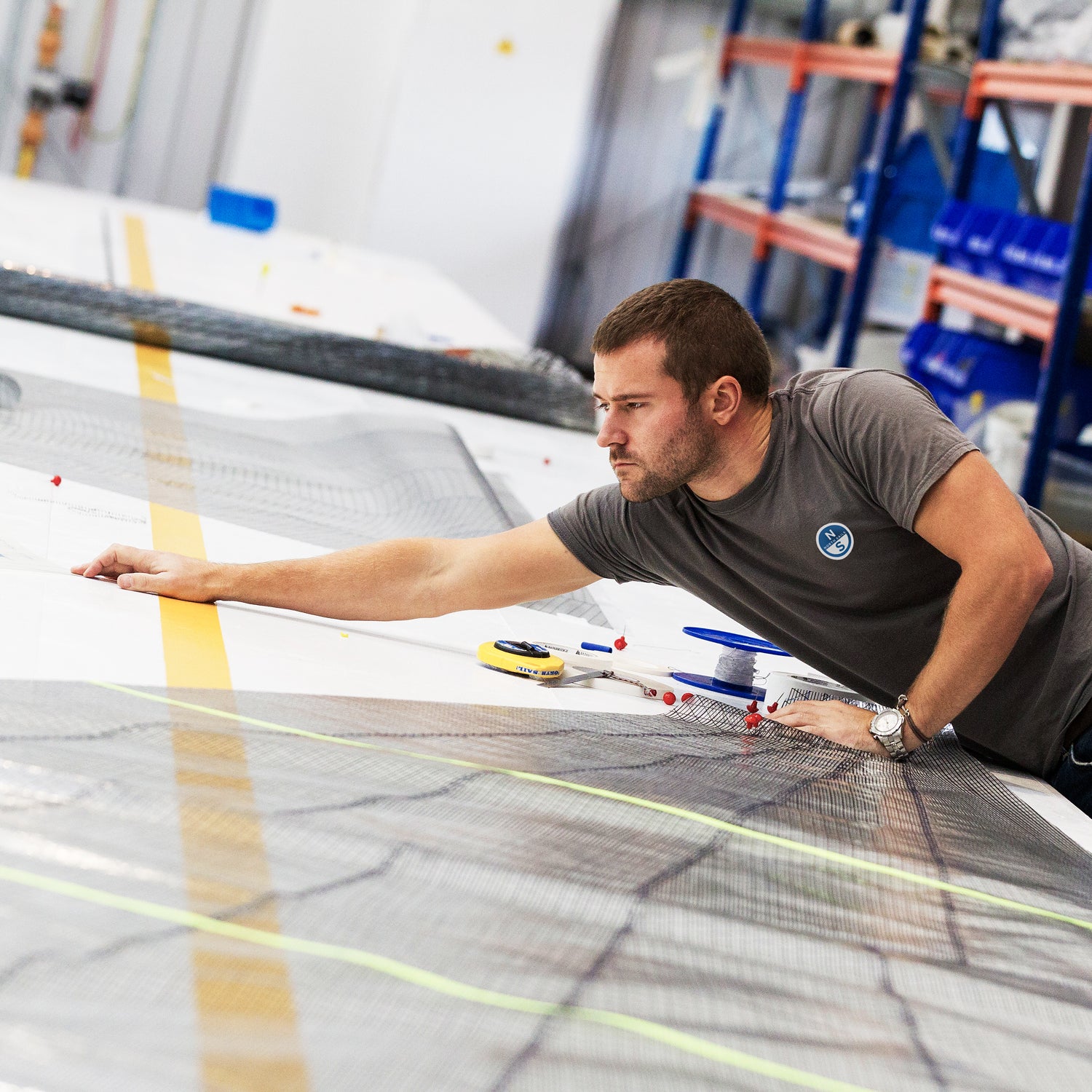
Section by section, each panel is aligned with precision and joined using heavy duty sewing machines. These sections are then all bought together to create a powerful, high-performance structure. This is where craftsmanship is critical as our sailmakers are not simply joining flat pieces of sailcloth but carefully engineering three-dimensional aerodynamic shapes through precise panel alignment and seam shaping.
Section by section, each panel is aligned with precision and joined using heavy duty sewing machines. These sections are then all bought together to create a powerful, high-performance structure. This is where craftsmanship is critical as our sailmakers are not simply joining flat pieces of sailcloth but carefully engineering three-dimensional aerodynamic shapes through precise panel alignment and seam shaping.
3Di MOLDED CONSTRUCTION: ENGINEERED AS A SINGLE STRUCTURE
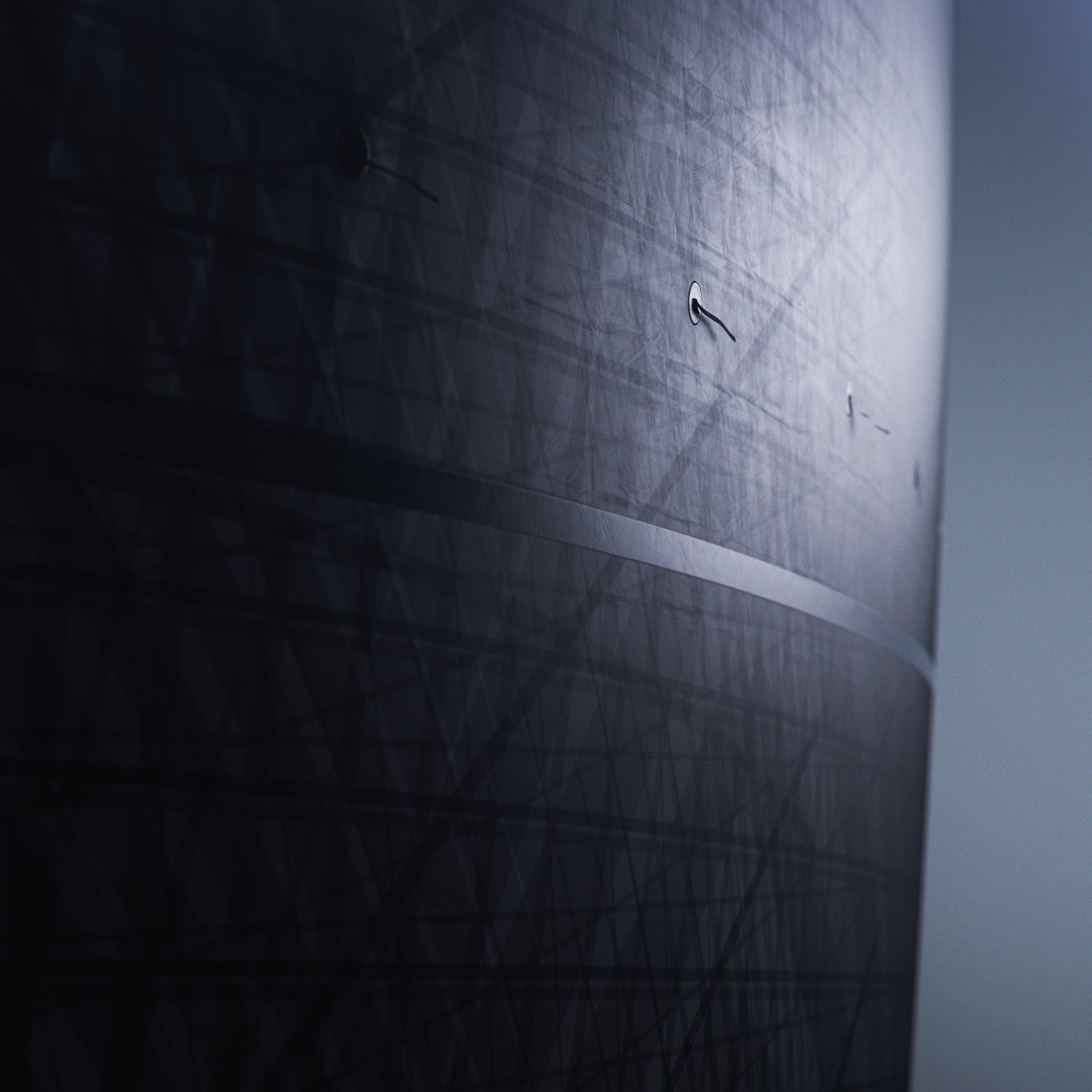
North 3Di is considered one of the most advanced sailmaking technologies because it fundamentally changes how a sail is built rather than what it’s built from. Unlike traditional cut‑and‑sewn panel construction, 3Di sails are molded as a single composite piece directly on a full‑size 3D mold. This allows North Sails to build a sail in its final flying shape.
Notably, 3Di construction eliminates Mylar film entirely, removing the risk of delamination and dramatically extending the sail’s working life. In modern sailmaking, 3Di stands apart as a technology defined not by the materials it uses, but by it’s aero-optimized structure created that sets a new benchmark for durability and performance.
North 3Di is considered one of the most advanced sailmaking technologies because it fundamentally changes how a sail is built rather than what it’s built from. Unlike traditional cut‑and‑sewn panel construction, 3Di sails are molded as a single composite piece directly on a full‑size 3D mold. This allows North Sails to build a sail in its final flying shape.
Notably, 3Di construction eliminates Mylar film entirely, removing the risk of delamination and dramatically extending the sail’s working life. In modern sailmaking, 3Di stands apart as a technology defined not by the materials it uses, but by it’s aero-optimized structure created that sets a new benchmark for durability and performance.
3Di - THE PROCESS
1. FROM FIBER TO FILAMENT
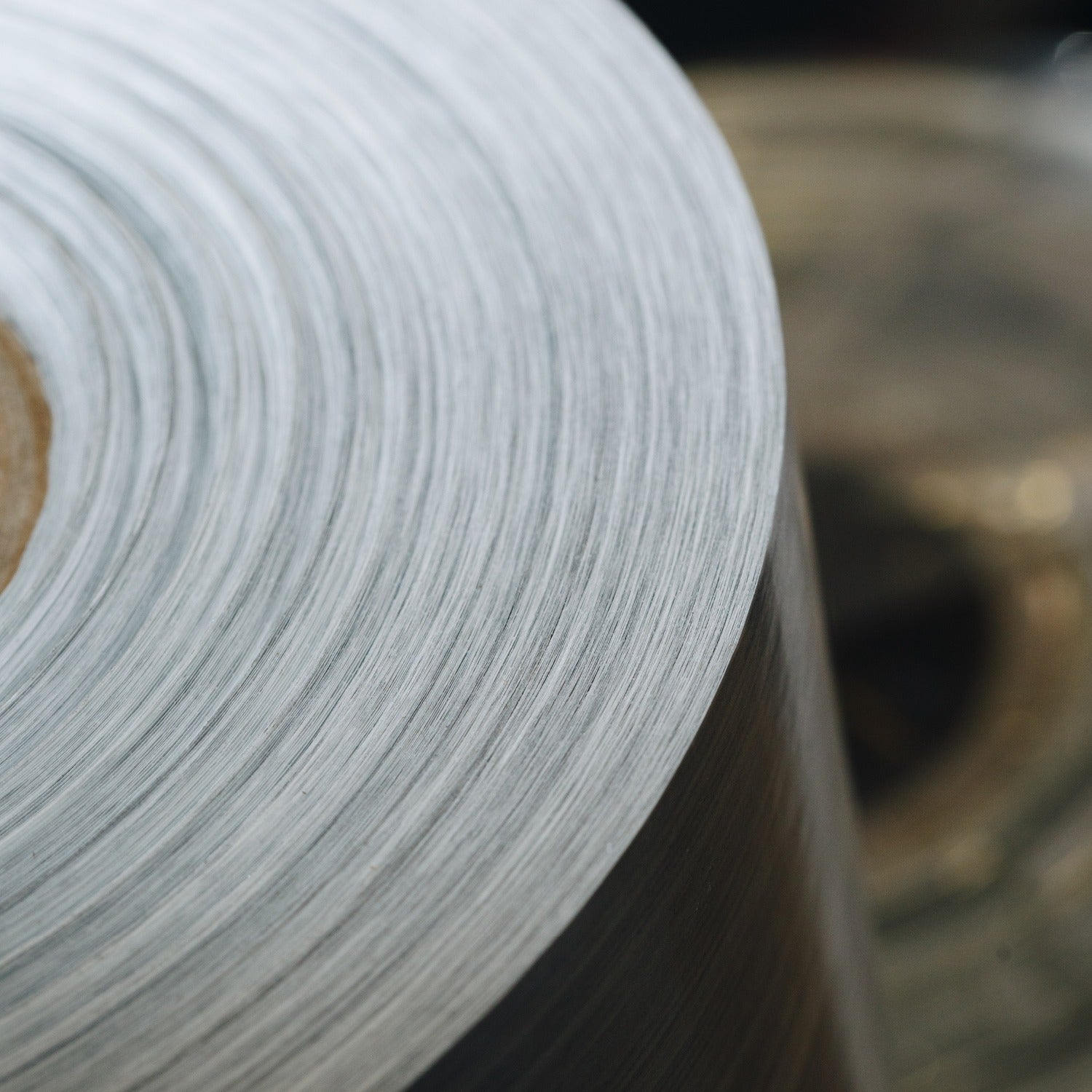
At the heart of every 3Di sail are the world’s lightest, strongest, and most durable filaments, each thinner than a human hair. These begin as fiber bundles. Using a custom-built machine the bundles are carefully separated into individual filaments. Each filament is then drawn through a resin bath and laid precisely side by side to form a tape.
At the heart of every 3Di sail are the world’s lightest, strongest, and most durable filaments, each thinner than a human hair. These begin as fiber bundles. Using a custom-built machine the bundles are carefully separated into individual filaments. Each filament is then drawn through a resin bath and laid precisely side by side to form a tape.

3Di - THE PROCESS
2. CONTROLLED TEMPERATURE STORAGE
Once formed, these resin-infused tapes are rolled and stored in a large fridge. Because high-strength resin begins curing (bonding into a strong, stable structure) when exposed to heat, cold storage prevents any premature chemical reaction and ensures total material consistency before construction begins.
Once formed, these resin-infused tapes are rolled and stored in a large fridge. Because high-strength resin begins curing (bonding into a strong, stable structure) when exposed to heat, cold storage prevents any premature chemical reaction and ensures total material consistency before construction begins.
3Di - THE PROCESS
3. ROBOTIC TAPE PLACEMENT AND STRUCTURAL BUILD
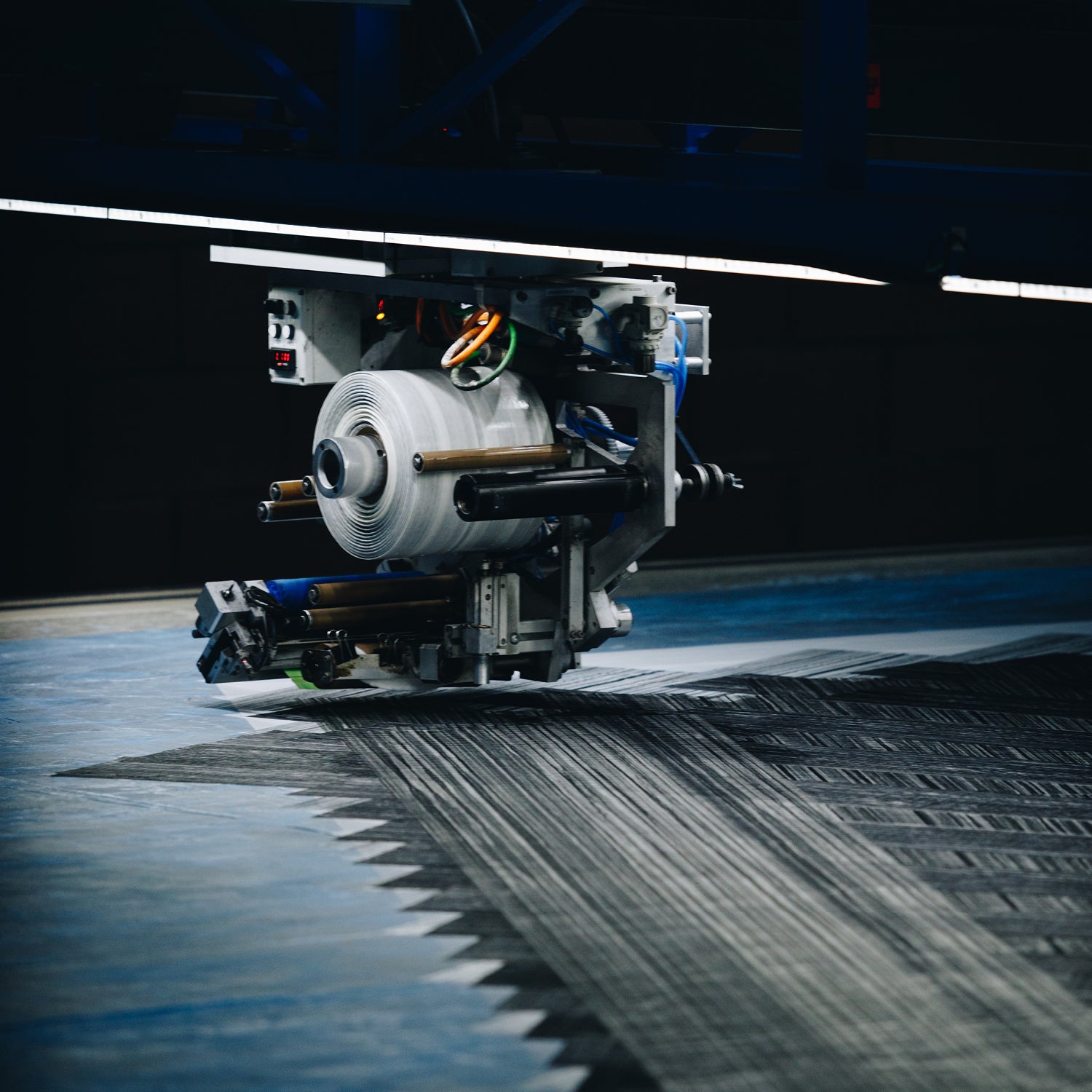
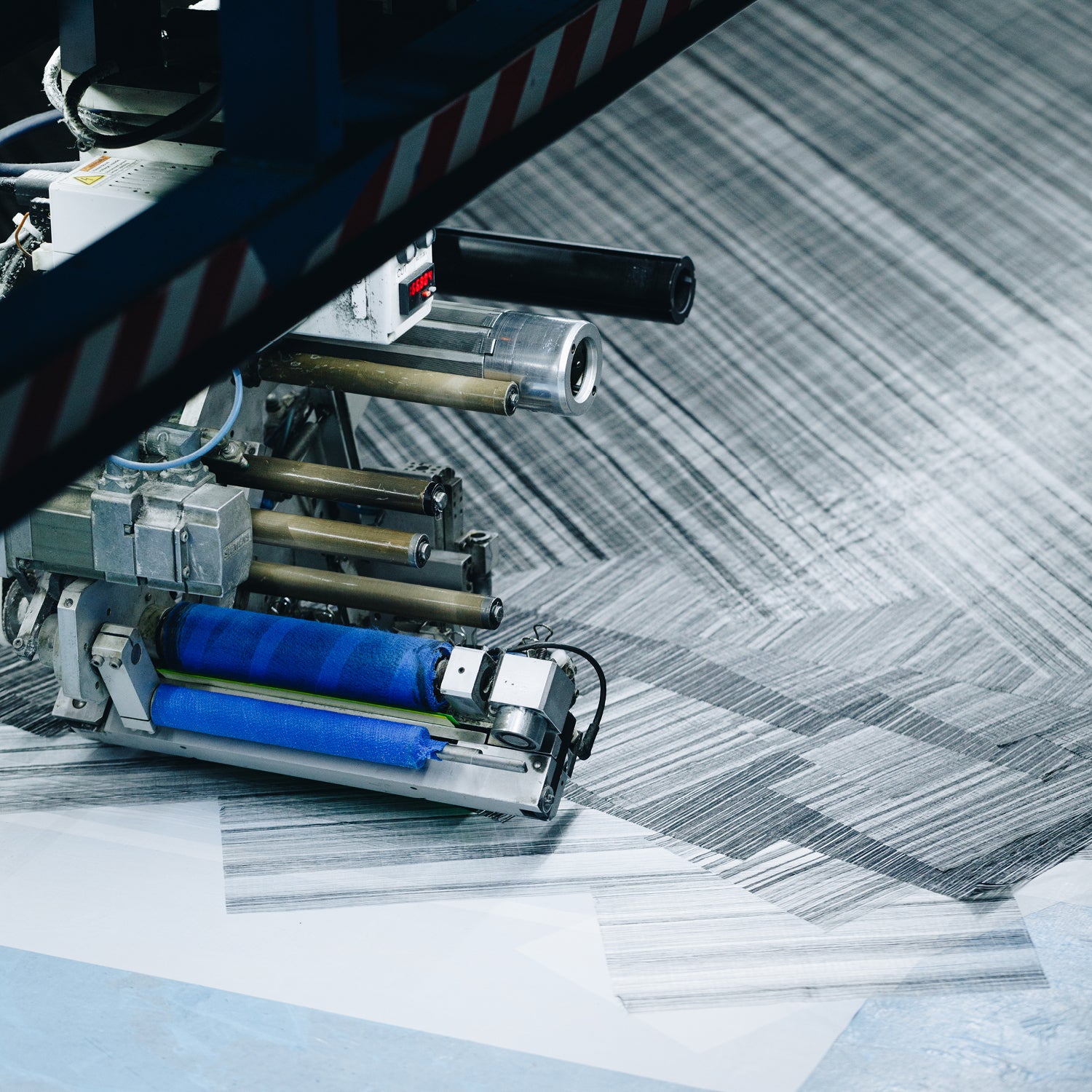
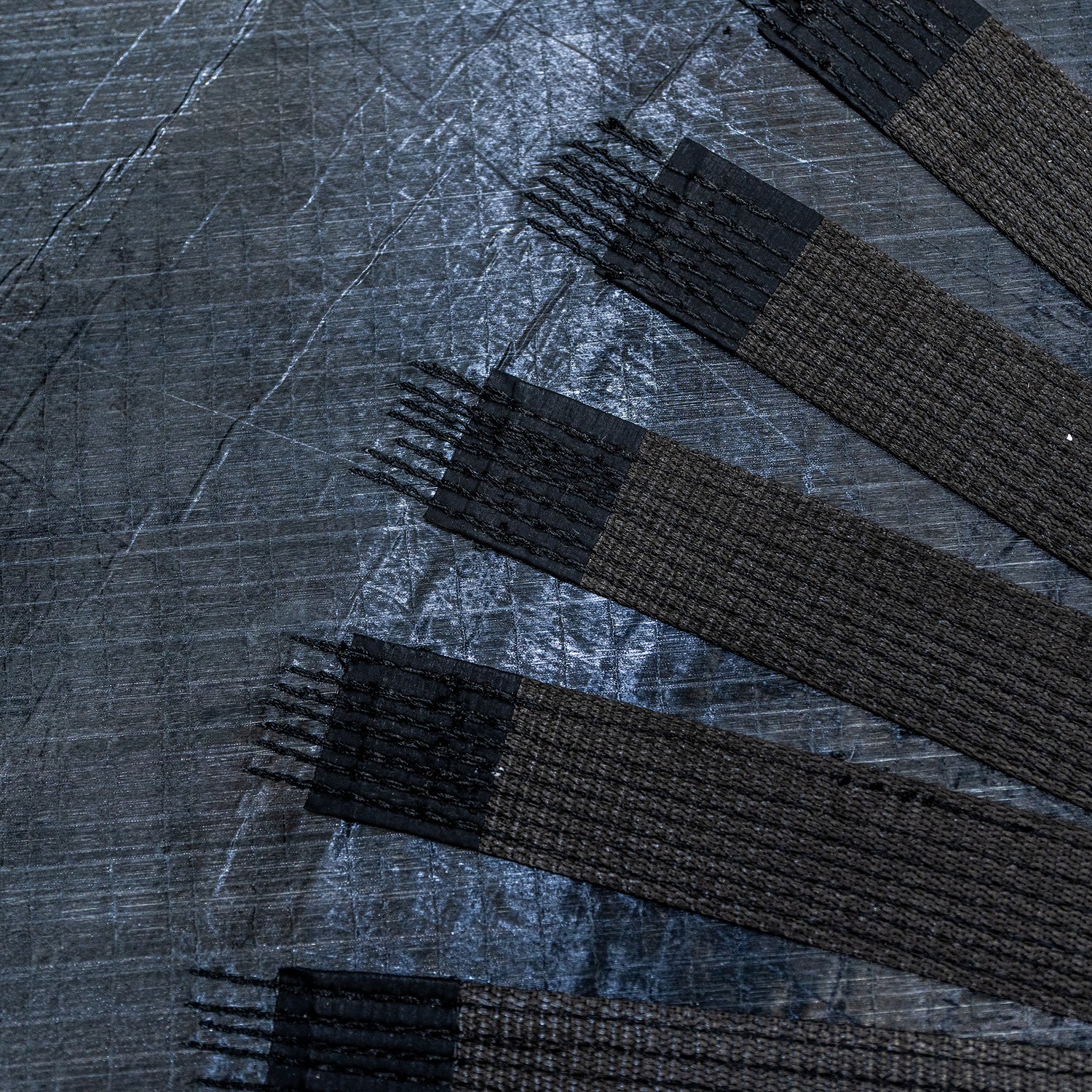
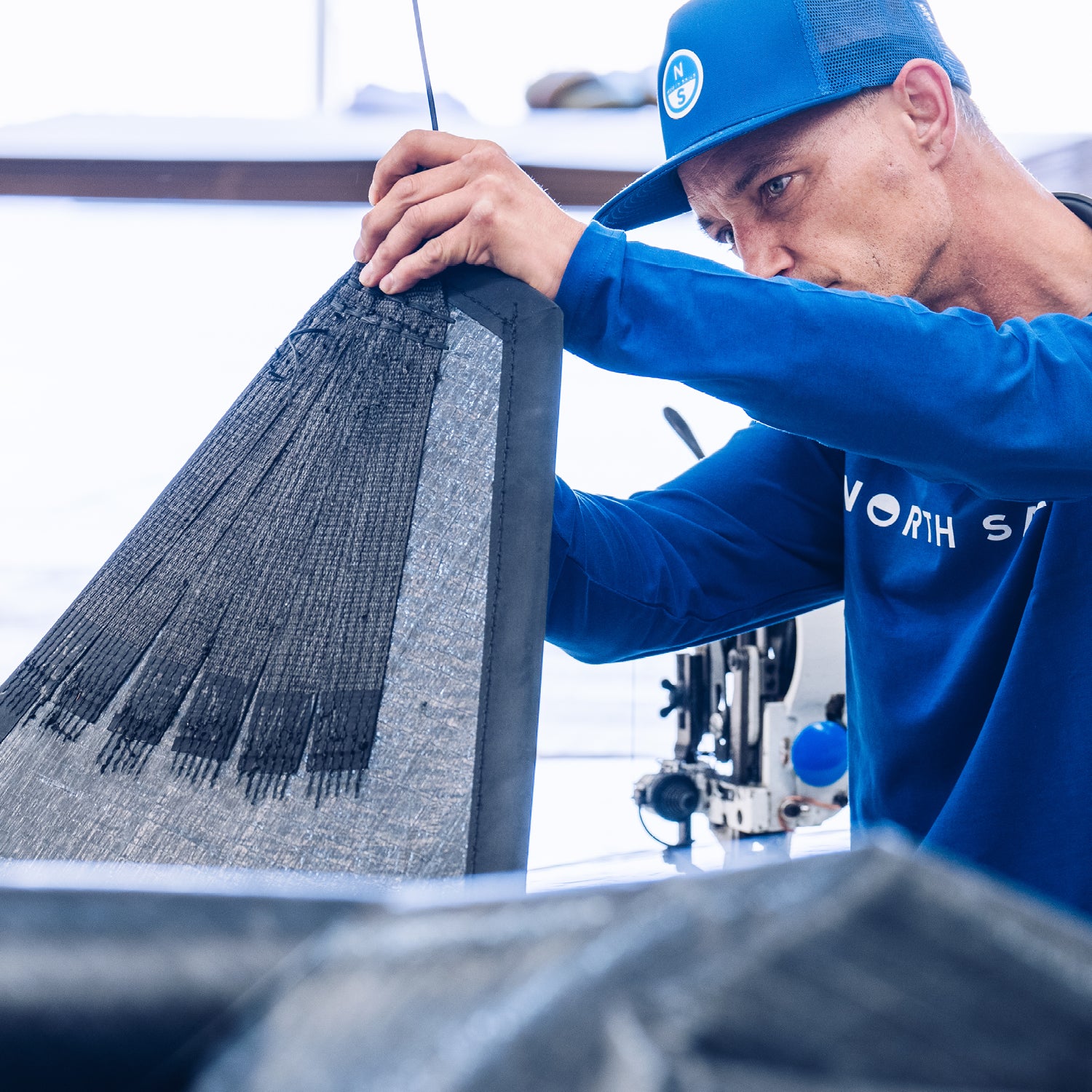
When the sail is ready to be built, the resin-infused tapes are first laid down by a robotic gantry system that is programmed directly from the sail’s 3D design file. Rather than forming the sail itself, this machine builds the sail’s structural layers. The robotic system places thousands of tapes side by side to build the sail's structure, with fibers aligned exactly along engineered load paths – the areas of highest load where the sail works hardest under pressure. These completed structural panels are then carefully transferred to a full-scale three-dimensional mold, where they are positioned, overlapped, and draped into the sail’s final flying shape before vacuum consolidation and heat curing permanently lock that shape in.
When the sail is ready to be built, the resin-infused tapes are first laid down by a robotic gantry system that is programmed directly from the sail’s 3D design file. Rather than forming the sail itself, this machine builds the sail’s structural layers. The robotic system places thousands of tapes side by side to build the sail's structure, with fibers aligned exactly along engineered load paths – the areas of highest load where the sail works hardest under pressure. These completed structural panels are then carefully transferred to a full-scale three-dimensional mold, where they are positioned, overlapped, and draped into the sail’s final flying shape before vacuum consolidation and heat curing permanently lock that shape in.
3Di - THE PROCESS
4. VACUUM CONSOLIDATION AND HEAT CURING
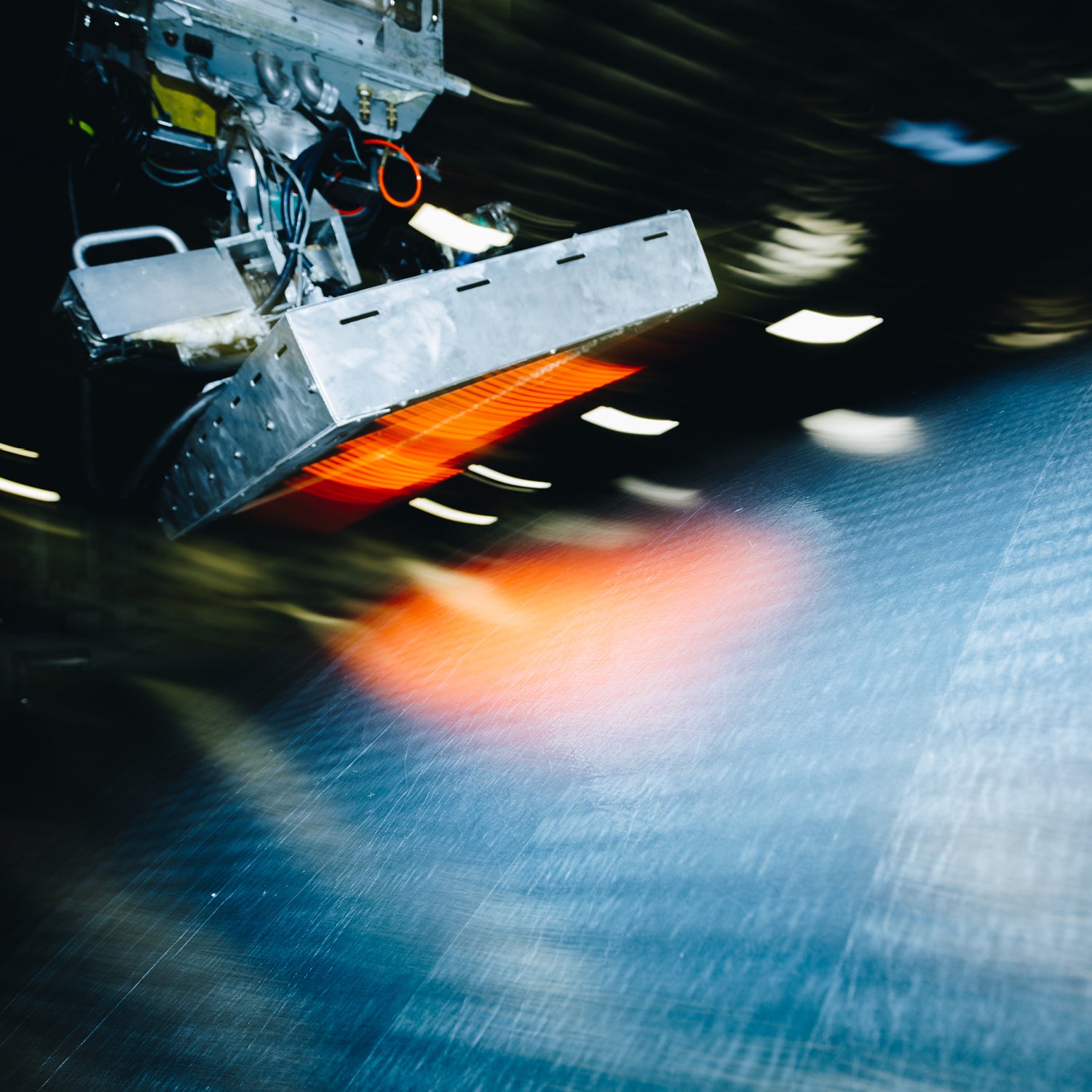
The entire mold is sealed under a giant vacuum bag, locking the tapes in place and eliminating the possibility of shrinkage or distortion. Infrared lamps then pass over the mold, applying controlled heat that activates the resin. As the resin cures, the sail consolidates into a single, seamless structure with its final aerodynamic shape permanently locked in.
While these two methods differ, the goal is identical – to produce a sail with incredible shape-holding and strength. Whether molded as a single piece or engineered from expertly joined panels, every sail leaving our lofts is a premier piece of engineering built to excel on the water.
The entire mold is sealed under a giant vacuum bag, locking the tapes in place and eliminating the possibility of shrinkage or distortion. Infrared lamps then pass over the mold, applying controlled heat that activates the resin. As the resin cures, the sail consolidates into a single, seamless structure with its final aerodynamic shape permanently locked in.
While these two methods differ, the goal is identical – to produce a sail with incredible shape-holding and strength. Whether molded as a single piece or engineered from expertly joined panels, every sail leaving our lofts is a premier piece of engineering built to excel on the water.
FINISHING AND QUALITY CHECK
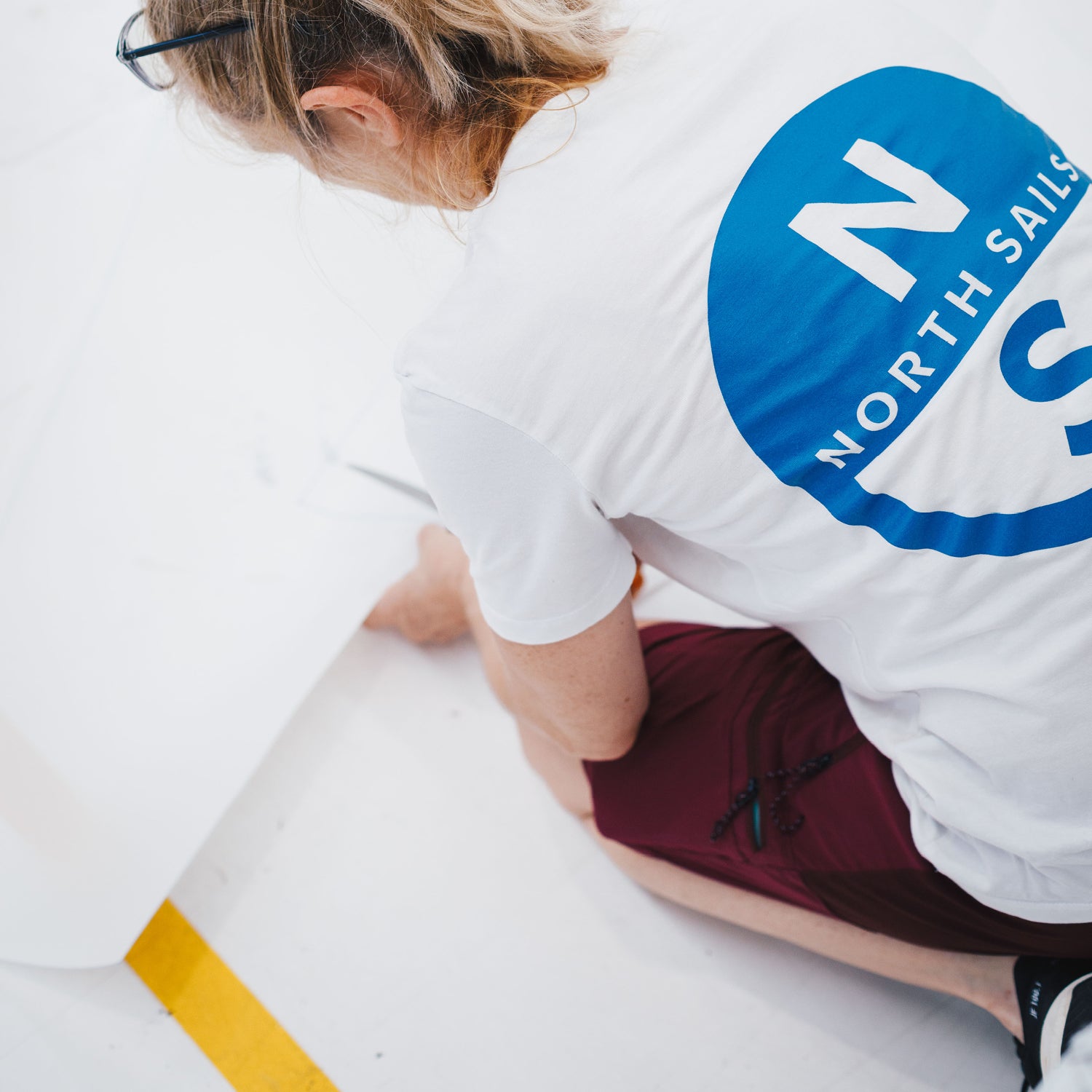
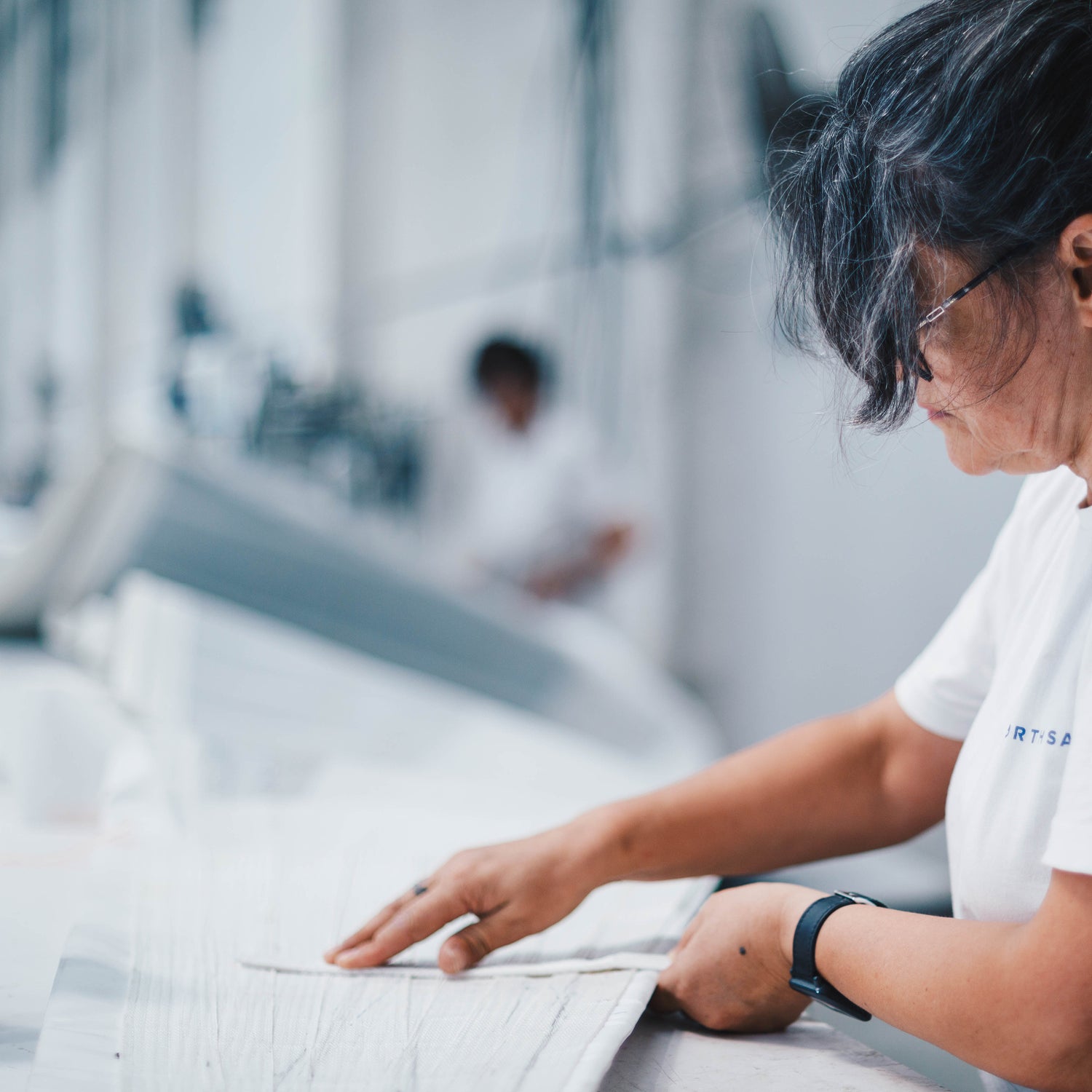
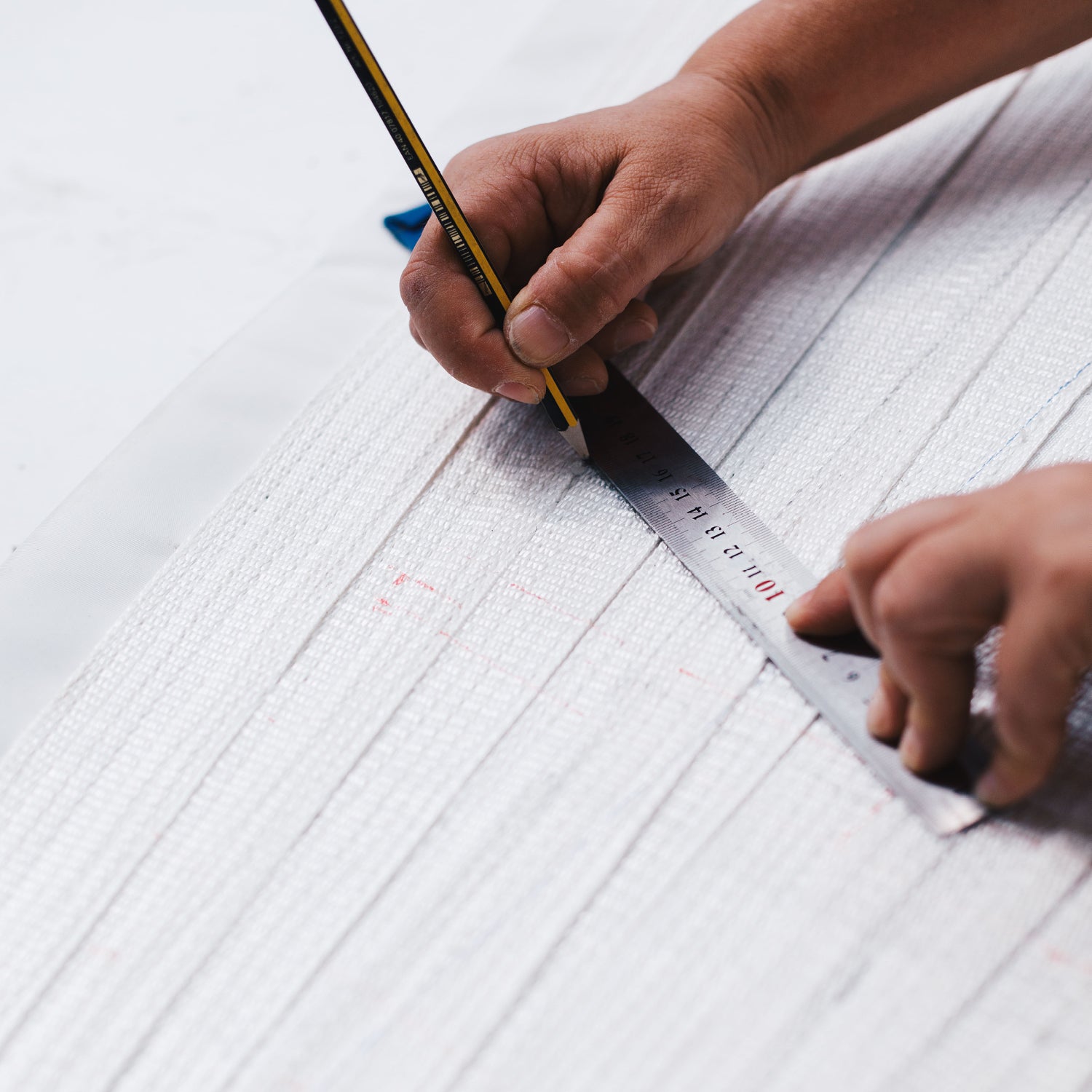
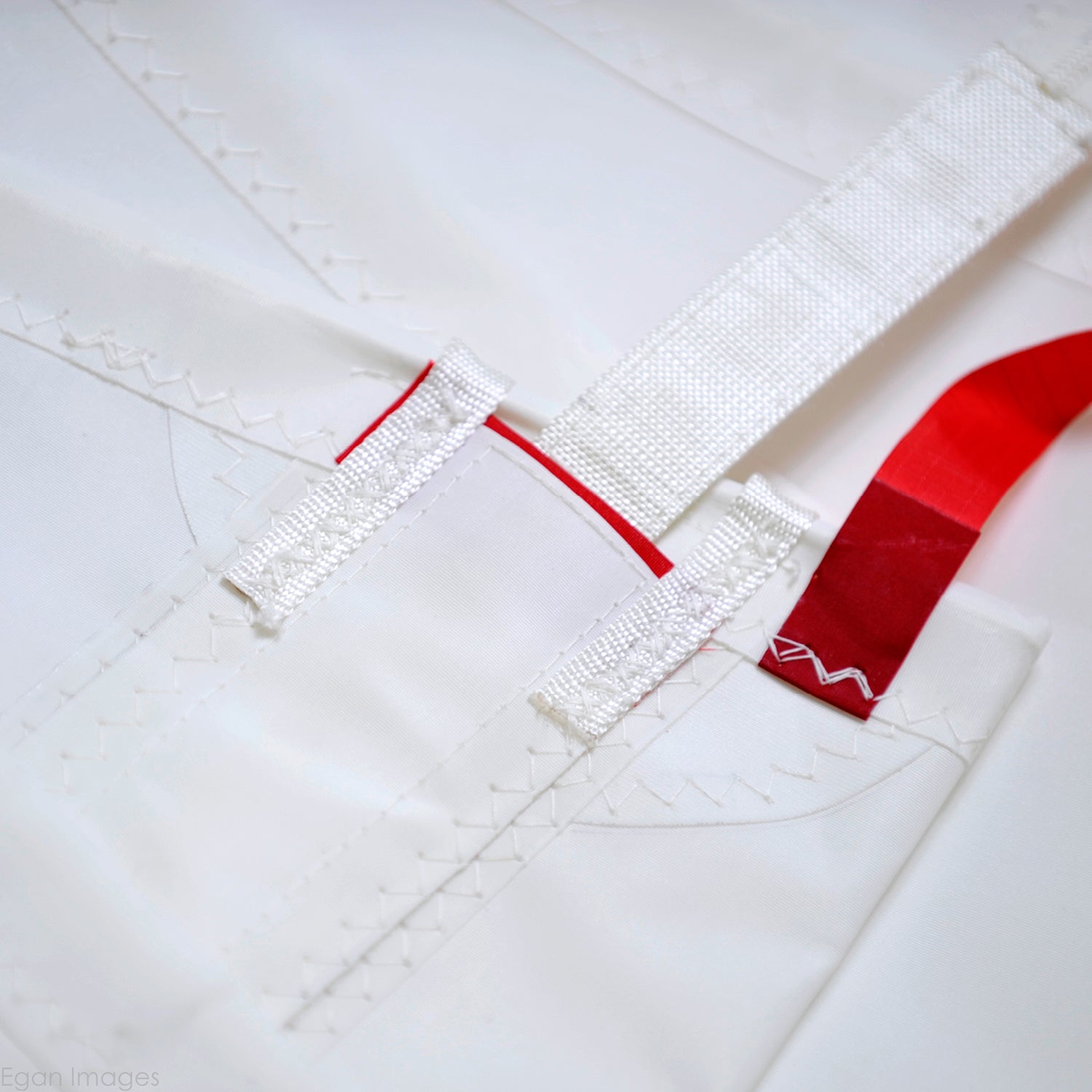
Once a sail’s structure and shape are complete, it enters one of the most critical phases of its journey: finishing and quality control. Regardless of whether it’s a paneled or a 3Di sail, each sail is fully laid out, measured in every dimension, and checked against the original design specifications to ensure it will fit the boat exactly as intended. Edges are trimmed and faired, curves refined, and all perimeter details carefully finished. Hardware, batten pockets, corner reinforcements, luff systems, and load-bearing attachments are added or completed with meticulous attention to alignment and strength. Experienced sailmakers inspect stitching, bonds, and the sailcloth, correcting even the smallest imperfections. Only once the sail meets North Sails’s rigorous standards – functionally, structurally, and visually – is it approved to leave the loft, packaged and shipped to their destination.
It’s a final, uncompromising check that ensures every sail delivered is not just engineered to perform, but finished to last.
BUILT WITH PURPOSE BACKED BY EXPERTS
Choosing the right sail starts with understanding how you sail. Our loft teams work closely with sailors around the world to translate design and technology into real‑world performance. Contact your local North Sails loft or request a quote to start the conversation.
Choosing the right sail starts with understanding how you sail. Our loft teams work closely with sailors around the world to translate design and technology into real‑world performance. Contact your local North Sails loft or request a quote to start the conversation.
START YOUR JOURNEY TODAY

LATEST NORTH SAILS NEWS
22 June