

HOW TO CHOOSE A BACKPACK:THE ULTIMATE GUIDE TO SIZES, DIMENSIONS AND LITERS
When figuring out how to choose a backpack, the same core variables always come into play: volume, comfort, storage layout, and your intended environment. From daily city commutes to weekend getaways, every model answers different functional demands. Backpack dimensions and capacity change significantly based on use: a compact daypack designed for your daily routine will have completely different specs than a technical model engineered for travel or trail hiking. Fit is also essential, especially for technical gear where weight distribution directly impacts wearing comfort.
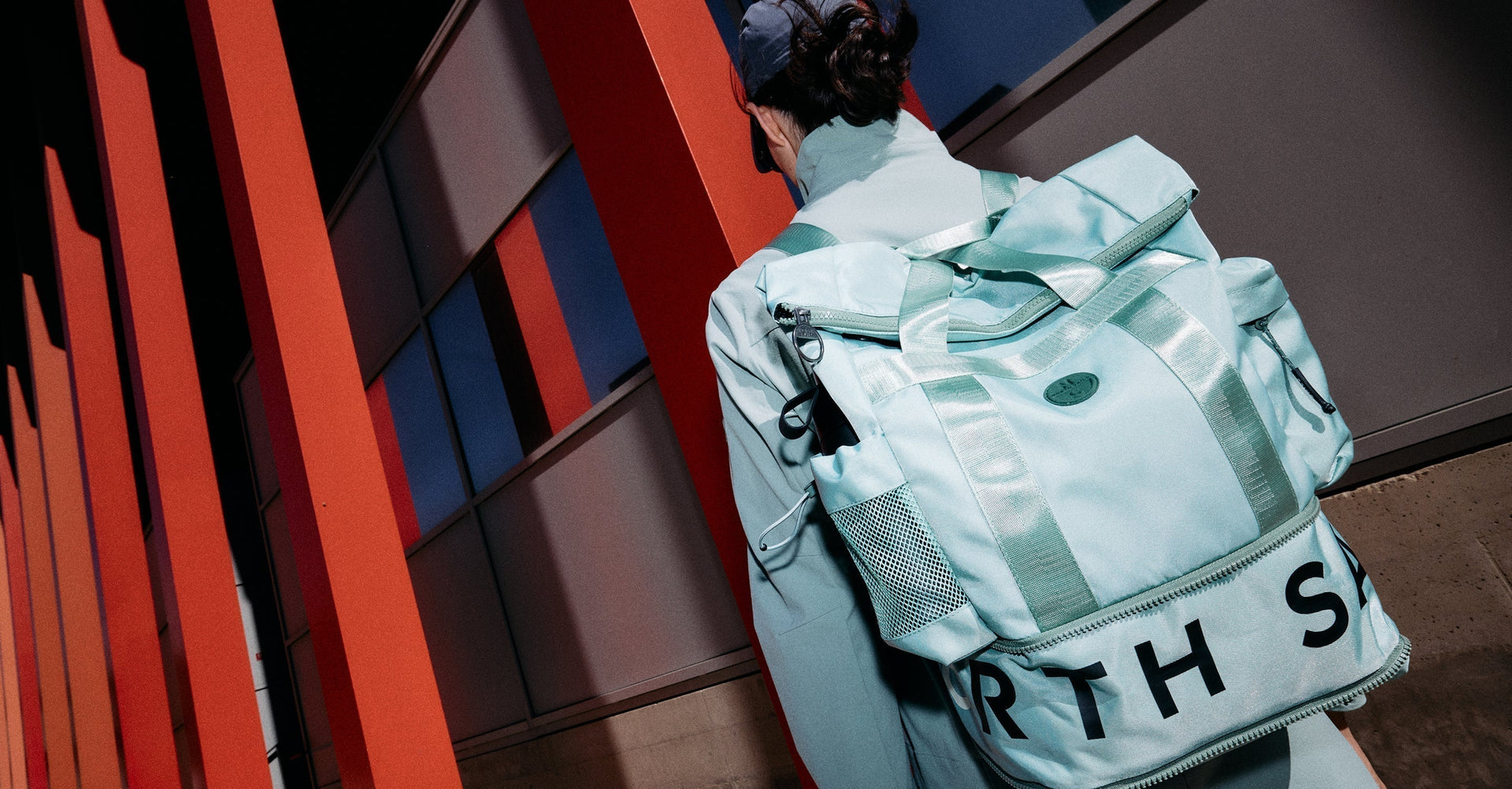
This exact balance of technical performance and style defines the North Sails backpack collection: versatile models inspired by the sailing world, engineered to adapt naturally to daily life using technical fabrics, clean lines, and a contemporary urban edge.
From Commutes to the Trail: How to Choose a Daypack, Travel, or Hiking Backpack
Different activities demand specific features, both in terms of structure and how the pack moves with your body:
• For urban environments or the office, sleek and lightweight everyday daypacks prevail. They are designed to hold the essentials without adding bulk: laptops, tech accessories, and personal items fit neatly into compact, well-organized designs built for the daily commute.
• For weekends and short trips, choosing a travel backpack comes down to capacity and flexibility. Internal pockets, dedicated compartments, and quick-access openings help manage a change of clothes, accessories, and everything required for dynamic travel days. Comfort is key here: a travel pack must remain comfortable for hours, adapting seamlessly to changing transit environments.
• For hiking and outdoor activities, the right hiking backpack puts technical design center stage. Ergonomic back panels, durable materials, load lifters, and stable weight distribution maximize freedom of movement and support, especially on longer trails or when carrying heavier loads.
• On a sailboat or during onboard activities, lightweight builds and moisture resistance are vital. The best sailing packs feature water-repellent technical materials, waterproof zippers, easy-access pockets, and compact designs that let you move agilely on deck while keeping your essential gear completely protected from sea spray.

Backpack Capacity in Liters: Finding Your Perfect Fit
Backpack capacity is one of the most useful metrics to guide your search, but volume alone doesn’t tell the whole story. Two models with similar external dimensions can offer vastly different internal space, as shape, pocket layout, and internal frames directly affect actual packing capacity. To find the right fit, you have to look beyond total liters and consider how a pack actually organizes your gear. A compact model prioritizes lightweight freedom, while larger options make it easier to manage short trips, extra layers, or specialized gear, especially when equipped with dedicated compartments and quick-access points.
The ideal backpack size always depends on what you need to carry and the level of convenience required for your daily commute or travels.
10-Liter Backpacks: The Perfect Size for Daily Commutes
A 10-liter backpack is designed to carry just the essentials: smartphone, wallet, keys, small devices, a water bottle, or a light hoodie. Its compact footprint makes it the ideal choice for personal item on flights, light commuting, and casual outings, maintaining a sleek, low-profile look. It’s the most practical solution when you need a lightweight, minimalist everyday accessory that offers total freedom of movement.
15-Liter Backpacks for Work and Commuting
A 15-liter capacity is a standard backpack for urban use. This compact yet highly organized size offers just enough room for slim laptops, documents, chargers, a water bottle, and daily essentials while keeping a streamlined silhouette. If you are looking for a typical office pack, this format is ideal for anyone seeking organization, a lightweight feel, and everyday comfort.
Discover the North Sails 16L Waterproof Canvas Backpack: the perfect everyday companion for commuting and urban life, featuring a padded laptop sleeve, ergonomic shoulder straps, and waterproof fabric to handle any weather condition with style and ease.
20-Liter Backpacks: A Versatile Everyday Size for Leisure and Sport
As great choice for everyday carry, a 20-liter pack perfectly combines capacity, comfort, and internal organization. The generous interior space easily accommodates a change of clothes, tech accessories, a water bottle, and gym gear, making it ideal for anyone transitioning straight from the office to a workout or after-work activities. Balancing comfort and utility, this size remains one of the most adaptable choices for dynamic daily schedules.
The North Sails 18L Urban Backpack meets this need with a compact yet highly functional design, featuring dedicated compartments, quick-access exterior pockets, and a breathable mesh back panel engineered for all-day comfort. Its water-resistant technical fabric makes it even more dependable for daily use and seasonal transitions.
30-Liter Backpacks for Weekends and Short Trips
Stepping up to a 30-liter backpack brings you into the world of smart, lightweight travel. This volume is perfect for weekend getaways, offering ample space for clothes, toiletries, and tech without compromising on-the-go comfort. It's an excellent, versatile choice for travelers seeking packing independence while keeping their luggage nimble. Plus, it hits the sweet spot for the exact size backpack you can take on a plane as a carry-on without checking a bag.
Discover the North Sails 27L Navigator Backpack, featuring water-resistant ripstop fabric, organized internal compartments, and a breathable back panel built for travel and extended wear.
40-Liter Packs for Backpacking and Multi-Day Travel
When deciding what size backpack for backpacking, a 40-liter pack is designed specifically for multi-day itineraries, adventure travel, and minimalist trekking trips. Offering significantly more capacity than compact travel packs, they allow you to organize multiple outfits, extra footwear, and specialized gear with ease. Despite the larger volume, they remain highly manageable when packed efficiently, making them a great single-bag solution for travel, outdoor activities, and extended leave.
Trail Ready: How to Choose a Hiking Backpack
Learning how to choose the right hiking backpack involves focusing on more technical features than city or standard travel packs. The right choice depends on your trip duration, the load weight, and the terrain. For day hikes, a capacity between 20 and 30 liters is usually sufficient; for overnight or multi-day treks, it’s best to step up to a 40-liter model or larger to fit extra layers, sleep systems, and trail gear.
The features that truly make a difference for comfort, stability, and movement on the trail include:
• ergonomic, ventilated back panels that reduce fatigue and heat buildup;
• padded hip belts and load-lifter straps to distribute weight away from your shoulders;
• high-durability, technical fabrics engineered to withstand unpredictable weather and rough terrain;
• strategic compartments and quick-access panels to grab gear on the fly;
• hydration bladder compatibility and external attachment points for trekking poles.
How you pack your gear also directly impacts trail comfort, helping to keep your center of gravity stable and making your stride smoother and more efficient.

Backpack Dimensions: How to Measure a Backpack Correctly
Understanding how to measure backpack dimensions allows you to strike the perfect balance between storage capacity and comfort, especially when carrying laptops, bulky gear, or a full travel wardrobe. Generally, a 10 to 15-liter daypack maintains compact dimensions around 14 to 16 inches tall; 20 to 30-liter models typically range from 18 to 22 inches, while 40-liter adventure packs can exceed 22 to 24 inches in height.
Knowing the dimensions of a backpack becomes crucial when flying, particularly if you want to avoid gate-check fees. Most major airlines enforce limits around 22 x 14 x 9 inches for overhead cabin bags, and much tighter constraints for a personal item placed under the seat (often close to 18 x 14 x 8 inches). Before choosing a travel pack, always check the actual physical dimensions rather than relying on volume alone.
For technical and outdoor packs, finding the right fit also requires determining your torso length: the distance from your C7 vertebra down to your iliac crest. This measurement dictates how to size a backpack harness properly, ensuring the pack aligns with your body to balance the load evenly and prevent strain.
North Sails Backpacks: Balancing Technical Performance and Urban Style
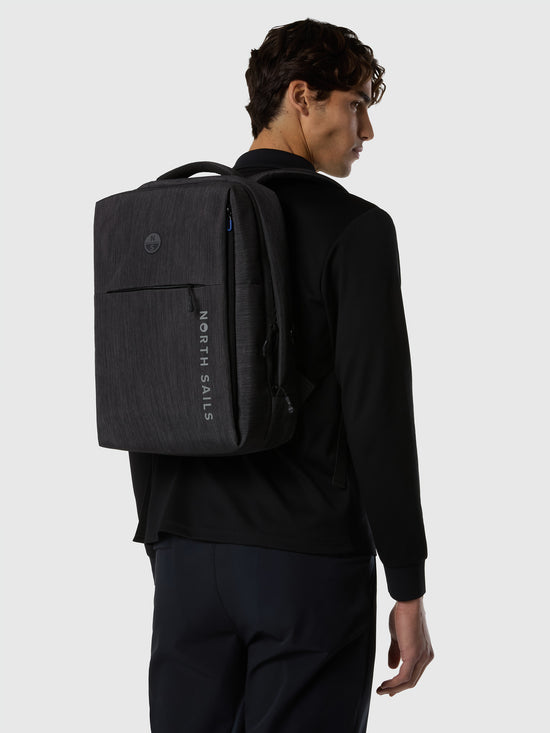
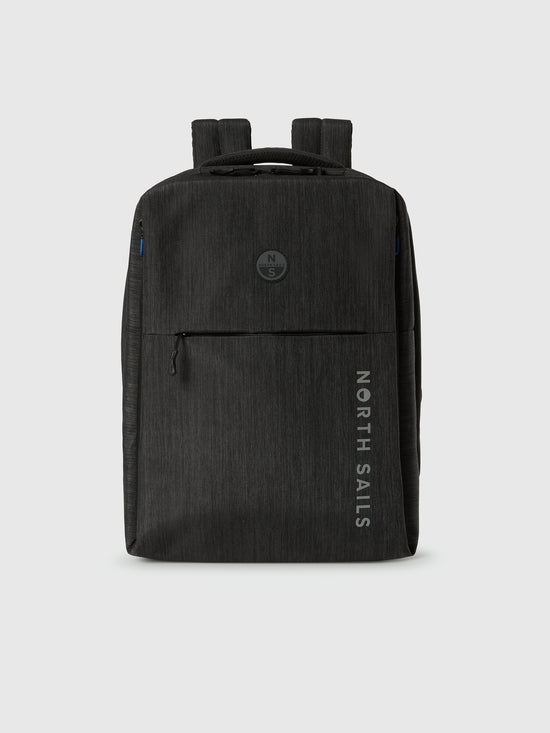
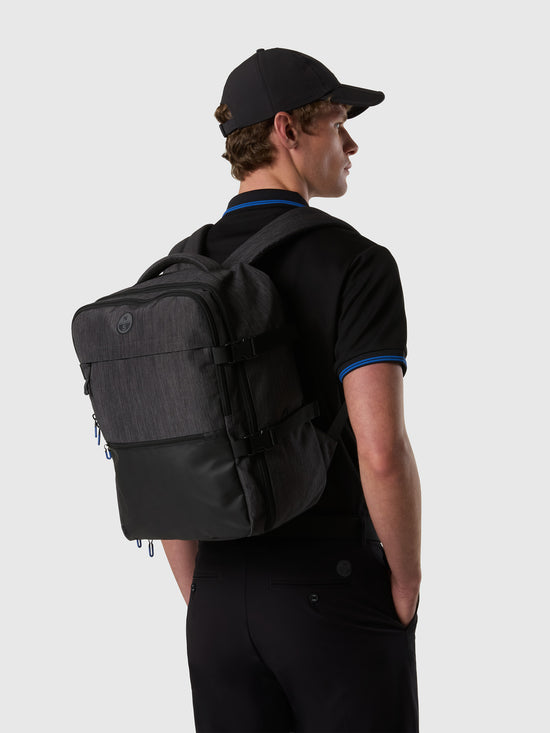
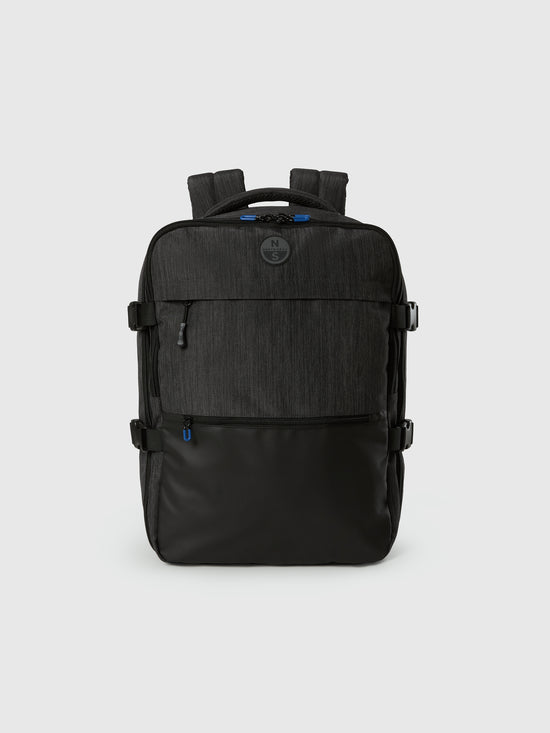
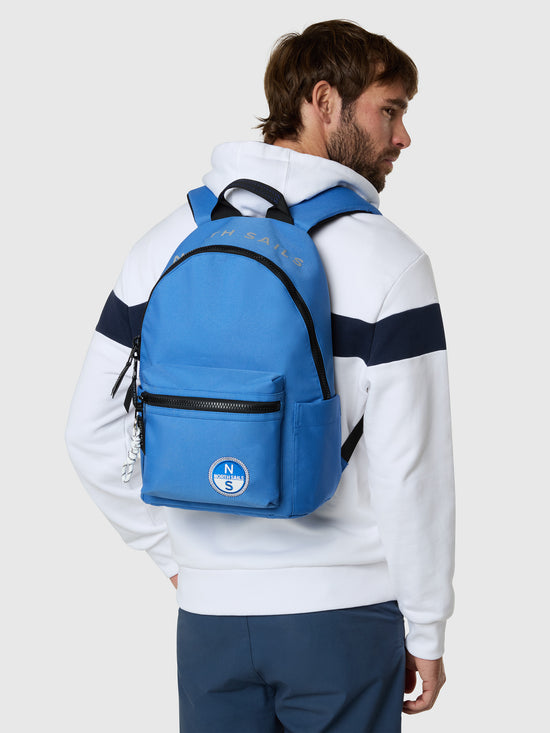
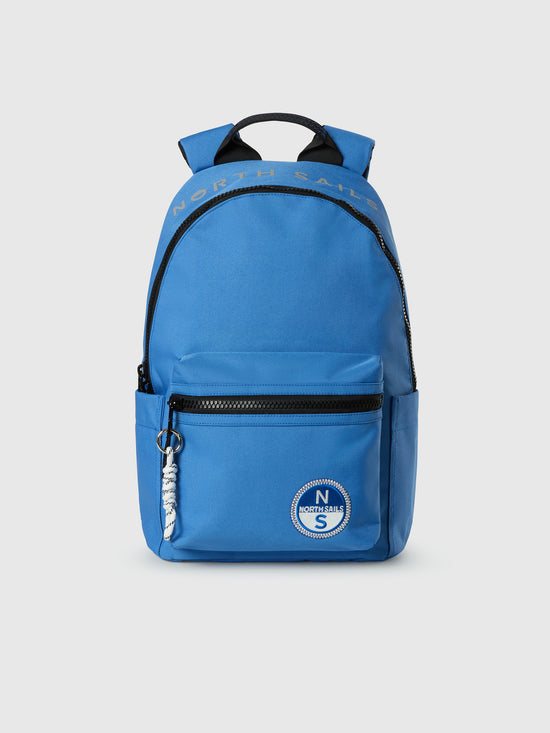
The technical heritage of North Sails, born on the water and refined through our apparel collections, takes full shape in the men's and women's accessories. Designed to support city life, commuting, and travel, they offer a perfect blend of utility and clean design. The North Sails backpack collection combines rugged, high-performance fabrics with thoughtful, practical details built for daily comfort: waterproof or water-repellent textiles, lightweight yet structured frames, organized internal compartments, and quick-access closures.
The most versatile styles feature padded laptop sleeves, integrated tech pockets, breathable mesh back panels, and ergonomic shoulder straps engineered to optimize weight distribution. Several designs utilize wide-mouth main openings and intuitive internal configurations, making it effortless to transition from work to the gym, or a short trip without ever needing to swap bags.
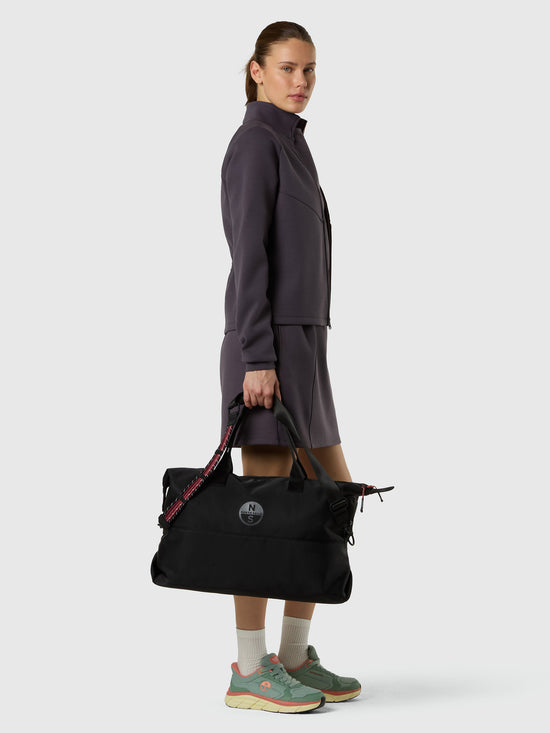
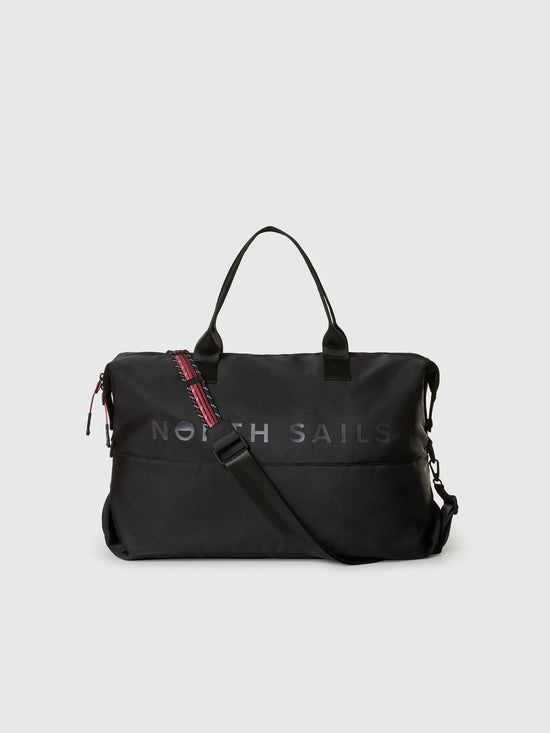
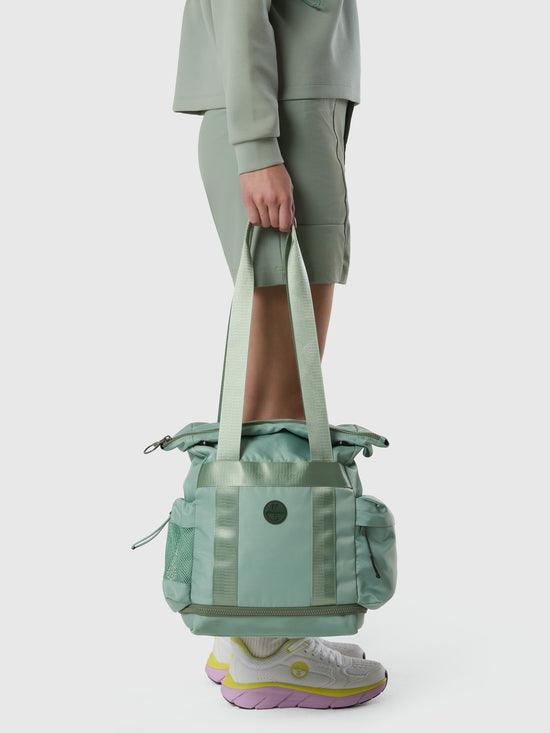
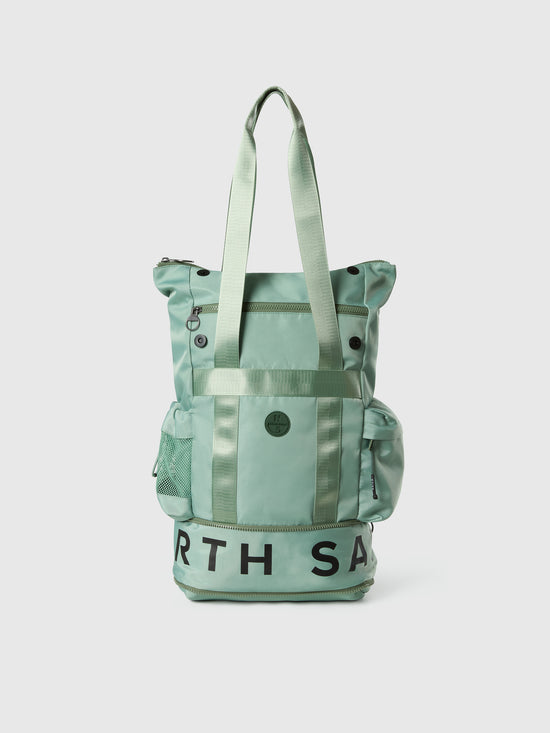
Alongside signature backpacks, the collection offers compact and versatile daily options: soft duffel bags perfect for travel or workouts, alongside streamlined crossbody bags designed for hands-free movement. Elegant tote bags complete the women’s bag collection, delivering durable performance and minimalist lines for everyday demands.
Pro Tips: How to Pack a Travel Backpack Efficiently
Learning how to pack a travel backpack properly ensures you move lighter, stay organized, and always keep your essentials within arm's reach. Proper weight distribution changes everything: place your heaviest items closest to your back and centered vertically, while softer items or gear you won't need until later can line the bottom. Top and exterior pockets are ideal for travel documents, chargers, headphones, or anything you need to pull out quickly while on the move.
For weekend getaways or urban travel, avoid clipping extra gear like shoes, layers, or travel pillows to the outside of your pack. Keeping everything self-contained makes navigating crowded trains, tight airplane aisles, and busy city streets much easier.
Smart Packing: How to Fold Clothes in a Backpack to Save Space
When it comes to maximizing space, rolling your clothes is often far more effective than traditional flat folding. Rolled clothes compress tightly, take up less physical volume, and allow you to see your options easily without unpacking the entire bag.
Segmenting your gear also keeps your pack organized. Using packing cubes, compression sacks, or separate pouches helps isolate outfits, underwear, shoes, or laundry. This strategy is especially valuable in smaller daypacks, where every inch of space must be carefully optimized.
What to Pack in a Backpack: Your Essential Travel Checklist
Deciding what to pack in a backpack requires finding the perfect balance between utility and weight. Overpacking makes transit uncomfortable, while trimming down to the essentials grants you freedom of movement and effortless organization.
An essential travel checklist typically includes:
• passport, wallet, phone, and charging cables,
• a portable power bank and small tech accessories;
• versatile, lightweight clothing layers that are easy to mix and match;
• a compact toiletry kit with travel-sized products;
• a packable rain jacket or windbreaker;
• a reusable water bottle, necessary medications, and a laundry bag
The ultimate goal isn't to stuff every inch of your bag, but to organize your gear intelligently, allowing your backpack to adapt naturally to the rhythm of your trip and your day.


LATEST NORTH SAILS NEWS

29 September
WINGS & WAVES RETURNS WITH A SECOND SERIES
Finite Films & TV, in partnership with North Sails, is set to launch Wings & Waves 2. Following the success of the first series in 2025, the high-energy sports competition returns to the North Sails YouTube channel on October 1 with a new cast of celebrity creators.