


HARD WORK PAYS OFF AT THE HELLY HANSEN NOOD REGATTA IN MARBLEHEAD
FINISHING THE CIRCUIT ON A HIGH NOTE
Crews Battle It Out In Competitive One Design Heats & Tricky Currents
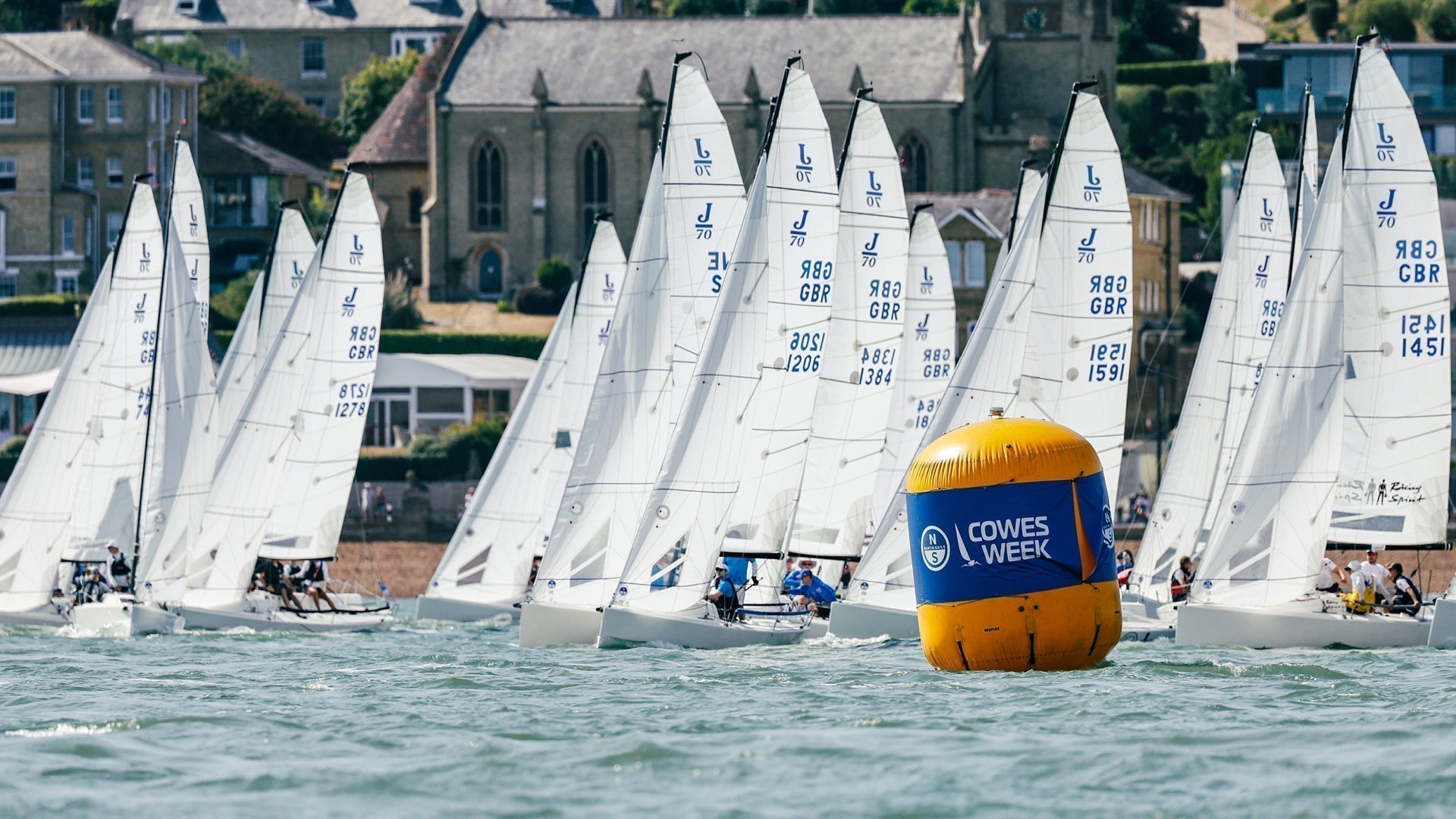
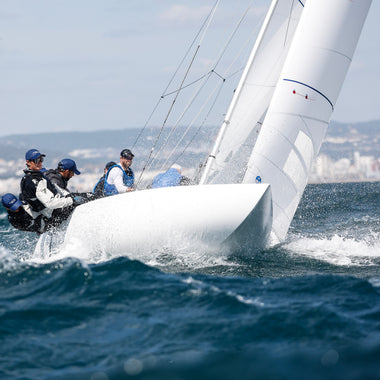
 The Helly Hansen NOOD Regatta at Marblehead Race Week was the final event on the 2019 NOOD race circuit before the Caribbean Championship in the fall, and it did not disappoint. Light air at times and challenging currents had over 170 teams fighting it out in the blistering heat at one of New England’s most idyllic summer destinations.
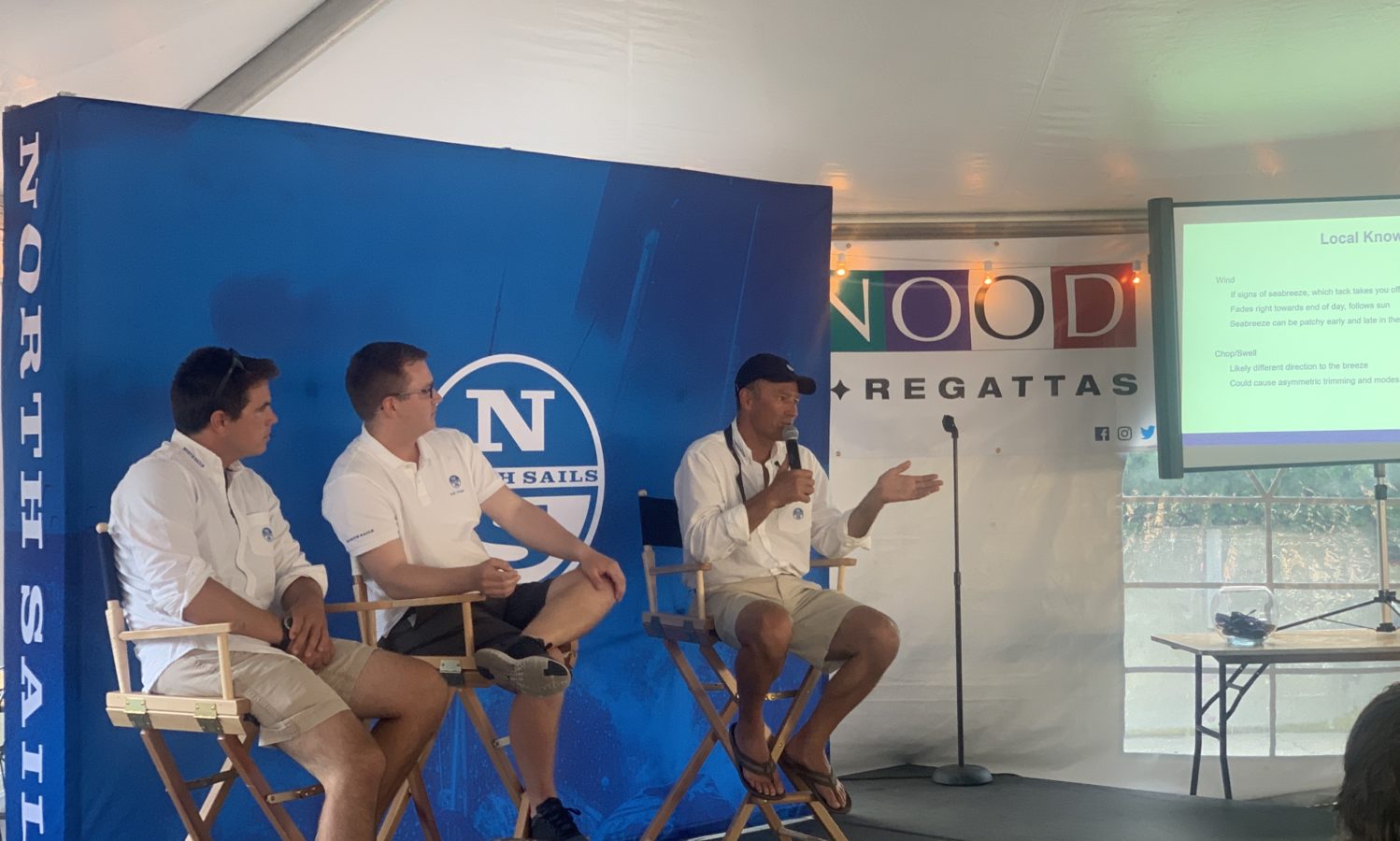
Kicking off the event, North Sails experts hosted a Local Knowledge panel on Thursday evening at Boston Yacht Club. Led by JB Braun, North's Director of Design & Engineering and one of the world’s leading sail designers, the North team set out to provide useful tips and insight for the weekend of sailing. Combining weather forecasts, tidal trends and their experience of racing in the area, Norths experts laid out their goals for the regatta, what to look out for on the water, and how they would be navigating the set courses. Joining JB Braun on the panel was local expert Alex Cook and One Design World Champion Mike Marshall. Alex, based in the North loft in Salem joined the North Sails team in May 2019 and brings a wealth of local knowledge to the Northeast team.
The Helly Hansen NOOD Regatta at Marblehead Race Week was the final event on the 2019 NOOD race circuit before the Caribbean Championship in the fall, and it did not disappoint. Light air at times and challenging currents had over 170 teams fighting it out in the blistering heat at one of New England’s most idyllic summer destinations.
Kicking off the event, North Sails experts hosted a Local Knowledge panel on Thursday evening at Boston Yacht Club. Led by JB Braun, North's Director of Design & Engineering and one of the world’s leading sail designers, the North team set out to provide useful tips and insight for the weekend of sailing. Combining weather forecasts, tidal trends and their experience of racing in the area, Norths experts laid out their goals for the regatta, what to look out for on the water, and how they would be navigating the set courses. Joining JB Braun on the panel was local expert Alex Cook and One Design World Champion Mike Marshall. Alex, based in the North loft in Salem joined the North Sails team in May 2019 and brings a wealth of local knowledge to the Northeast team.
 North's Local Knowledge Panel (From left to right: Mike Marshall, Alex Cook, JB Braun)
"It was an atypical Marblehead NOOD in the sense that there was good breeze all three days, no drifters or Nor'Easters. However, it was typical Marblehead conditions, on the Halfway Rock Line, with the left side of the course being favored early in the sea breeze direction, along with the current running and affecting lay-lines. We also saw the usual chop/swell off axis from the breeze, making it much more challenging for skippers on one tack versus the other." Alex Cook, North Sails SalemDay one and three of the regatta where the wind was lighter, being in pressure paid off more than being on the lifted tack, so teams did not tack too much. At some points, it paid off, and gains were made by managing the fleet, and sailing on a header to match the other boats because there was more pressure. Trying to stay on the tack pointed directly at the mark (or jibe) also benefited certain teams. Speaking on managing the courses, North Sails Hillary Noble, tactician onboard the J/24 Sea Bags, had the following observations: “Downwind laylines were just as crucial as upwind. Tacking short of the layline upwind allowed us to get ahead of those who waited, as they were overstanding by the time they reached the top. Not jibing too early at the offset helped us by being one lane further downwind. The boats that jibed right away ended up fighting eachother to stay high, sailing more distance, an we were able to stay away from that. The current was strong, coming in for the better part of each day and was constantly pushing us away from the gates as the course was skewed. Jibing later for the gate, coming in with speed, and rounding the mark that had most pressure kept us clear ahead and allowed us to keep our speed for the mark rounding."
"The entire time all I could think about was our boat speed. Our North Sails FR-2 spinnaker was a main contributor to our speed off the wind and allowed us to stay ahead of the fleet."
 The crew of the J/24 Seabags embarking on their fifth season together.