
NORTH SAILS BLOG
Tout
Events
Guides
News
People
Podcast
Sustainability
Tech & Innovation
Travel & Adventure
OFF-SEASON CONDITIONING
OFF-SEASON CONDITIONING
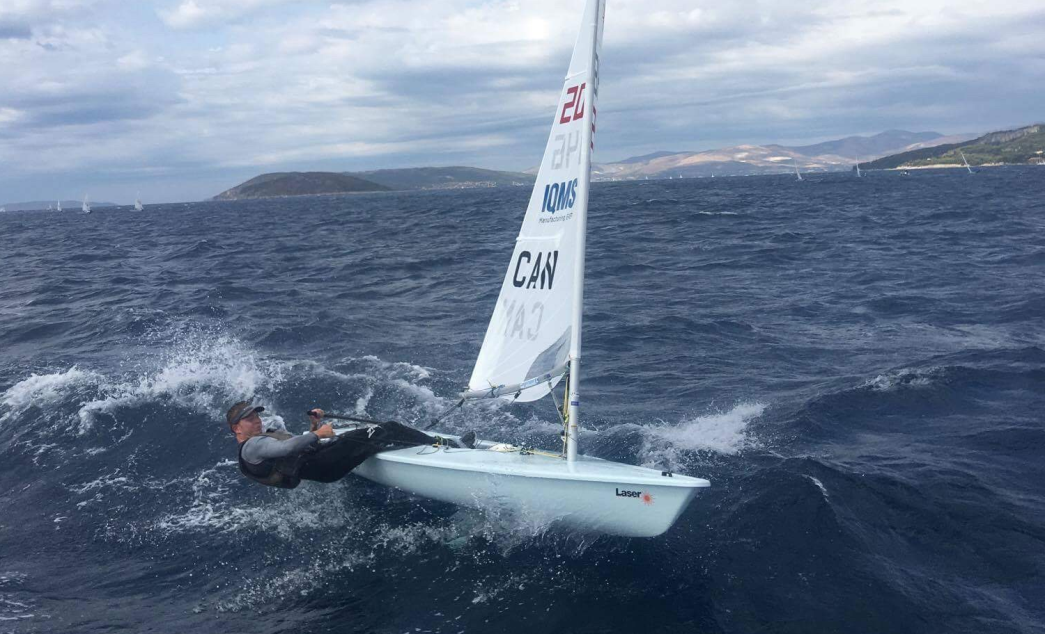
Improving Your Laser Sailing During Off-Season To Better Your Results
Laser sailing is one of the most physically demanding boats in the dinghy world. Whether you’re a weekend warrior or a high performing international competitor, fitness is one of the most important things you can invest in for many reasons.
Improving your level of fitness can impact your speed and boat handling in a laser. Sailing a one design boat means that many variables are relatively the same across the fleet. So, in general everyone across the fleet should be theoretically going the same speed. However, we all know this isn’t exactly the case but if you were to remove a lot of these variables what’s left is the sailor. Any laser sailor knows the harder you hike the faster you will go, having a higher level of fitness can greatly impact your ability to hike harder and go faster.
Improving fitness can help reduce chances of injury. Whether you are just joining the class or have been in the class for multiple years injuries are something any athlete in any discipline will endure throughout your career. Strength training to build muscle and endurance can greatly impact your hiking position and how efficient you are in your movements on the downwind legs. Laser sailors don’t just need strong legs for proper hiking, having a strong core and lower back are important things to also focus on as these muscles are used to support your body while hiking upwind. Notice how the word “proper” is used here, a hiking position should be almost straight legs with your upper body extending outwards away from the boat with shoulders being pressed down towards the water. This is why a strong core and lower back are vital to support having your body extending out of the boat. Putting your body into a hiking position isn’t the best thing for your joints and over time laser sailors can experience ankle, lower back, knee and hip problems. Ensuring your strength is developed will mean your muscles can do a better job at supporting these joints by taking pressure off your joints and allowing your muscles to support.
As Canadians we have a small window to train and build tiller time throughout the year. That said, having a higher level of fitness can ensure you maximise the time in this window. We love being Canadian but as sailors we hate the short season. If you’re serious about your laser sailing maximizing your time during the spring, summer and fall months is very important. During the winter off-season working on conditioning to have the goal of being fit for spring will mean you will spend less time “brushing the cob webs off” when you first step back in the boat.
Enjoy the boat across all levels. Lastly one of the most important reasons which applies to everyone is overall enjoyment of sailing the laser. This doesn’t mean that the fitter you are the more you will enjoy the boat but it will help. The laser can be a tricky boat to sail and many laser sailors find building confidence especially in windy conditions very difficult. High levels of fitness can help build confidence knowing that you are fit and prepared will make any session more enjoyable. Many times sailors will attribute a bad day or bad training session to getting exhausted too soon.
Here are some areas to focus on when looking into conditioning:
Weight Training
The best way to build strength for laser sailing is to sail more in hiking conditions. However, this may not be attainable to all laser sailors. Short seasons and predominantly light conditions hinder sailors from gaining experience and fitness in hiking conditions. Strength training can be different for everyone as not everyone has access to a trainer or gym. Focusing on finding ways to incorporate weight resistance training to build strength by either using free weights, dumbbells, barbells and resistance machines are great. There is no shortage of prepared training programs online that you can do at home or in a gym that will work, the importance is to find what is best for you and to focus on form during workouts to better maximize the workout and to prevent injury. If you are serious about laser sailing the best thing is to talk to a trainer to design a fitness plan thats best for you. Most trainers will try to understand the physical requirements of laser sailing before designing you a plan but if you can find a trainer that know sailing thats even better.
Aerobic Training
Aerobic training is defined as any activity that is cardio in nature but performed in intervals or short but high intensity sessions. Simple examples that you can incorporate into your offseason conditioning could be running sessions on a treadmill or outside keeping a high pace for short defined intervals. During the offseason many laser sailors turn to the rowing machine for aerobic training. Although these are different sports the rowing machine engages your whole body while at the same time focusing on your cardiovascular ability to keep you body moving. A strong aerobic ability is good for short but high intensity activities things like tacking, mark rounding’s, accelerations and holding lanes in windy conditions.
Endurance Training
This is pretty simple, incorporating long cardio sessions at least 1-2 times a week will improve endurance. These sessions can be anywhere from 30min or longer. Choosing something you enjoy doing will make these sessions much more enjoyable, going for a long run mixed with some walking or taking up cycling are great for endurance training.
Cross Training
Cross training can be anything that will get your heart pumping and get you moving. This can be fun part about your off season conditioning. Taking up another activity that you enjoy doing like tennis, basketball, cycling or swimming are just some examples of cross training. Many Laser sailors take up other sports to satisfy their cross training which is great for your conditioning but also for mental health. Changing things up and taking your mind away from the boat will make you wanna jump back in.
READ MORE
READ MORE

WIR SIND STETS ERREICHBAR
Derzeit bestimmen die Auswirkungen des COVID-19 Virus unser tägliches Leben. Wir bei North Sails haben alle empfohlenen Sicherheitsvorkehrungen getroffen, um die Auswirkungen von COVID-19 zu begrenzen. An unseren Standorten setzen wir die wesentlichen Tätigkeiten fort, welche die Gesundheit und Sicherheit unserer Kunden und Mitarbeiter nicht gefährden. Gleichzeitig haben wir alle anderen Aktivitäten vorübergehend eingestellt.
Wir sind stets erreichbar
Natürlich bieten wir Ihnen weiterhin einen erstklassigen Kundenservice und sind für Sie per Telefon, Email oder virtuellem Meeting erreichbar.
Abholung oder Abgabe von Segeln
Bitte nehmen Sie vor einer geplanten Abholung oder Abgabe von Segeln mit uns Kontakt auf. Gerne besprechen wir dann mit Ihnen persönlich die derzeitigen Möglichkeiten einer Segelübergabe.
Wir alle bei North Sails sind leidenschaftliche Segler und erfahren darin, in ernsten Situationen auf See einen ruhigen Kopf zu bewahren. Helfen Sie uns, diese Einstellung in den kommenden Tagen und Wochen in unser Leben an Land zu bringen.
Bleiben Sie gesund!
Ihr North Sails Schweiz Team
READ MORE
READ MORE
TOP 5 SAILING MOVIES & BOOKS
TOP 5 SAILING MOVIES & BOOKS
Staff Picks For Their Top Sailing Themed Movies And Books
Escape to a different oasis for a little bit with one of our staffs' favourite movies or novels. The Toronto team from North Sails has shared their favourite sailing themed novels and flicks to dive into when things get a little rocky. We hope you enjoy these as much as we do and share some of your favourites as well.
Top 5 Movies / Documentaries
Maiden
An inspirational story that keeps you hooked the moment it starts on the screen with its classic footage and heartfelt interviews. Based upon on a true-story, Maiden follows 26 year old Tracey Edwards and their crew on their quest to become the first-ever-all-woman to compete in the Whitbread race. The book, written by Edwards, is also a fantastic read on the entire endeavour and what followed afterwards.
Wind
While some may say it's cheesy, it is still an awesome sailing packed film with amazing 12m and i14 scenes. Released in 1992, Wind follows Will Parker on his quest to win back the America's Cup from the Austrians in the early 1980s. The film star's Jennifer Grey, Joe Heisler and Matthew Modine as well as a host of other actors and actresses. No one can forget the classic "Whomper" scene towards the end of the film. A must watch for every sailing fanatic!
Morning Light
Follow along as sailors compete for a spot on Roy Disney's Morning Light, a TP52 competing in the 44th Transpac Yacht Race. Eleven sailors are selected and trained with world-class instructors to help them prepare for the 2,300 mile race. A heart warming story that showcases the will power, determination and strength of young sailors determined to prove themselves in the prestigious race. One of the young competitors in the film you'll see vying for one of the spots is Volvo Ocean Race sailor and North Sails expert Charlie Enright.
Under 30
Available on Amazon Prime, this documovie follows Team Brunel during the 2017-18 Volvo Ocean Race focusing on two members of the team who are under 30: Louis Balcaen and Rokas Milevicius. An absolutely amazing piece which highlights the life changing adventures of the two young sailors from start to finish of sailing's toughest race. A life changing experience that takes the two sailors around the world with some of the best sailors around, creating a bond that will hold them together forever. Hands down must watch!
Captain Ron
A feel good favourite for the whole family featuring funny man Martin Short, Mary Kay Place and Kurt Russell. Share a laugh as Martin Harvey (Short) inherits a boat from his uncle in the Carribbean for his family vacation, only to discover upon arrival, the rough state of the boat and their over the top skipper Captain Ron (Russell) as they head out to sea.
Top 5 Books
Against the Flow by Dee Caffari
First solo round the world sailor, Dee Caffari shares her story of stepping outside her comfort zone and achieving her dream. Discover how the then teacher became a record-making yachtswoman through her journey sailing the wrong way around the world.
The Billionaire and The Mechanic by Julian Guthrie
Discover how Larry Ellison teamed up with a car mechanic to win the America's Cup with Oracle Team USA.
Godforsaken Sea by Derek Lundy
Classic story for the 1997 Vendee Globe Race, a favourite of our North Sails expert Doug Folsetter.
Sailing on the Edge: America's Cup by Bob Fisher and Kimball Livingston
Going behind the scenes of the oldest sailing race that has inspired sailors all over for more than 150 years. Beautiful photos accompany this compelling and comprehensive read. A wonderful addition to any sailing library and favourite of team member Louisa Bobyk.
Against the Odds by Doug Hunter
Discover the story of Evergreen in the 1979 Canada's Cup. Featuring local sailors Don Green, Steve Killing, John Fitzpatrick and Al Megarry to name a few.
Beyond Endurance Adam Mayers
Learn about the famous 1979 Fastnet race which claimed the lives of 15 competitors and local boat Evergreen competed in.
READ MORE
READ MORE

TNT DEFENDS CAPE 31 TITLE
TNT DEFENDS CAPE 31 TITLE
Tactician Gareth Blanckenberg Shares His Winning Perspective
Defending champions, TNT Racing 📸 C31 Invitational Regatta/Matthew Du Toit
The fourth edition of the Cape 31 Invitational Regatta took place in the stunning venue of Table Bay in Cape Town, South Africa. Gareth Blanckenberg, tactician onboard the defending champion TNT, first sailed with Tina Plattner and Tony Norris in early 2018, soon after the boat was launched. "They are quick and super fun to sail,” he says. “Since then, the fleet has grown considerably in numbers and ability. The speed differences are much narrower, and boathandling has progressed considerably."
Only six points separated TNT from second place Nitro. "The boats are very evenly matched," Gareth explains, "which keeps the racing tight and brings the excitement. I can't remember not enjoying a day's sailing on them!"
"The boats are very evenly matched which keeps the racing tight and brings the excitement. I can't remember not enjoying a day's sailing on them!"
The first two days were sailed in a 10-15 knot westerly and flat water, which made for a very one-sided race course. "That can be tricky to manage. It puts a premium on starting well and managing your lane out of the start, and similarly downwind—managing your lane and not getting locked out in a corner." Though the team struggled a bit on day one, consistent finishes on day two moved them from third to first. When the final day of racing had to be called off due to 30+ knots of southeasterly breeze, they were declared the winners.
Local class rules specify the use of paneled sails only and forbid the use of carbon. Along with nine of the boats in the ten-boat fleet, TNT's inventory was entirely North Sails using the standard setup of Mainsail, J2, J4, A2 and A3.
📸 C31 Invitational Regatta/Matthew Du Toit
Though TNT won the Cape 31 Invitational in 2019, the team had a different mix of crew this year. “Tony Norris and Matt Whitehead were part of the winning 2019 team, so it shows the value of having a strong core and surrounding yourself with capable people that you have confidence in and enjoy. We have all been friends for 20+ years, so it was an absolute pleasure to spend time with these guys, doing what we love; massive thanks to Tony for putting it all together.”
The class sails once a month in Cape Town, so the TNT crew is looking forward to the next day of racing. Meanwhile, for all the new Cape 31 teams eager to ramp up their game, Gareth recommends spending as much time together on the boat as possible. “Refining your maneuvers and getting to know the boat will pay dividends. There seem to be a few different ways of thinking across the fleet in terms of setup and trim, yet we all arrive at the top mark at the same time!"
For more information on the Cape 31, please get in touch with Sam Richmond or Pete Redmond.
📸 C31 Invitational Regatta/Matthew Du Toit
Magic and Arabella go head to head 📸 C31 Invitational Regatta/Matthew Du Toit
📸 C31 Invitational Regatta/Matthew Du Toit
📸 C31 Invitational Regatta/Matthew Du Toit
MB Racing 📸 C31 Invitational Regatta/Matthew Du Toit
📸 C31 Invitational Regatta/Matthew Du Toit
READ MORE
READ MORE

5 TIPS FOR CRUISING IN THE CARRIBEAN
5 TIPS FOR CRUISING IN THE CARRIBEAN
North Sails Austin Powers Shares His Best Cruising Tips & Tricks
Here at North Sails we not only put an emphasis on developing the best racing sails that we possibly can, but we also enjoy the challenge of cruising. Last winter, I had the opportunity to take a 14 day trip cruising around Antigua and Barbuda with some of the coolest friends I have ever met. The crew was all under 30 years old, from 4 different countries aboard a Camper Nicholson 48 ketch named Seamogs. They had sailed from Virginia down to the Caribbean for a winter trip by the time I flew in and met up with them. We ended up doing a lap of Antigua with a brief stop in Barbuda for a couple of days around Christmas.
Here are five cruising tips I can share from my recent trip:
1. Reef early and often
In the Caribbean during the winter months the weather is almost always sunny and windy. However, there can be short squalls that come through very quickly which can ruin anyone’s day. Remember when you are cruising, you are not in a rush “in theory”. Putting a reef in early is always going to be better than having to put one in during the middle of a squall. Worst case, the squall misses you and you shake the reef back out.
2. Create a routine
When I arrived on Seamogs, the crew had already done an ocean passage down and was working very smoothly in handling the boat. What is interesting, is that half of the crew had no prior sailing experience before they left Virginia. When I asked them how they had picked up so many skills so fast, they answered they had a routine for everything. When it was time to leave one person was in charge of the anchor, 2 in charge of preparing the sails, 1 in charge of stowing the interior, and the skipper overseeing the whole operation. Now not all of us have the luxury of having a big crew, but even with a crew of two we can assign duties so that nothing gets forgotten when leaving a port or anchorage.
3. Establish a balanced helm
Seamogs like most cruising boats spend a lot of time cruising with the autopilot on. When sailing under auto-helm, you want to have the helm balanced so as to not be constantly overloading the autopilot which can lead to damage or failure. This meant I had to change my mindset when trimming the sails from my normal racing set up to a conservative cruising trim. On average, I would say I had the jibs leads further aft, the traveller lower, and the sheet a bit further out than I normally would if I was racing. This allowed “twist” in the sails which took a lot of load both off of the helm and allowed for a flatter ride overall.
4. Dive your anchor
In referencing back to lesson one on routines, whenever we anchored we would get settled and then dive down to establish that the anchor was properly set. In my short time there, I watched countless boats start dragging anchor when the squall lines would come through because their anchor was not properly set.
5. Take things slow, and have a fluid plan
This was probably the hardest one for me to adjust to personally coming from primarily being a racing sailor. On this crew, there was no schedule on when we would leave or any plans for the day. If the weather changed, we were not afraid to change our destination or timing with it. Being able to slow down and go with the flow is going to be the toughest adjustment for anyone going from a 9-5 job to long-term cruising.
Learn more about North Sails cruising inventory lineup.
READ MORE
READ MORE

WHO WE ARE: KEVIN WIERSMA
WHO WE ARE: KEVIN WIERSMA
Get To Know Your Local Loft Expert
Kevin has joined our Toronto team for the Spring/Summer of 2020. He has immense experience with Laser sailing and keelboat sailing. He grew up sailing on Lake Ontario with his family and continued to sail Farr 30's while out East for university. His role at within our Toronto loft will focus on client relations, assisting with both the service and sales side.
Tell us about yourself.
I am 24 years old originally from Burlington, Ontario but have lived in Halifax Nova Scotia for 7 years. I have a bachelor of Business management and a minor in Economics from Dalhousie University and am going back to school to pursue a post grad advanced program in Business insights and analytics.
How long have you been sailing and/or involved in the marine world?
I have been sailing my whole life starting out on my parents boat out of Royal Hamilton Yacht club. My racing career began when I was 12 years old and progressed over the years to racing internationally representing team Canada, team Ontario and team Nova Scotia in the laser class and C420. Strong Dinghy racing experience was developed alongside many different keelboat disciplines racing on the Great Lakes and Atlantic Canada
What are you most looking forward to about working at North Sails?
I am looking forward to racing and sailing with North Sails clients passing on as much knowledge as I can and to share the passion we all have for sailing.
What’s your favourite part about Summer?
My favourite part about summer is definitely being on the water. As Canadians we have very limited time to enjoy the warm outdoors and being on the water is my favourite place to be.
What’s your earliest memory of being on the water?
Earliest memory of being on the water is definitely my dad taking me after work out to weekday race nights and staying below deck during maneuvers because I was very young at the time.
READ MORE
READ MORE

VICTORY AT THE 420 NEW ZEALAND NATIONALS
Victory at the 420 New Zealand Nationals
North Powers Winning Girls and Boys Teams
New Zealand 420 National Champions, Mason Mulcahy and Andre Van Dam powering through the finish line 📸 Phil Williams
After dropping just one bullet in 11 competitive races, nothing stood between Mason Mulcahy and Andre Van Dam’s top spot at the 420 New Zealand Nationals. Held on Evans Bay in Wellington Harbour, four days of racing not only resulted in a win from Mulcahy and Van Dam. Amelia Angus and Rebecca Hume took second place overall and was the top finishing female team.
We were keen to speak to the overall winners to find out more on their winning secrets.
Mulcahy and Van Dam have worked hard to improve their performance from their second place finish at the 420 Nationals in Takapuna last year. Having sailed together for just 16 months, the team now has their sights set on the 420 Worlds in France in July to get further up the leaderboard from their impressive eighth place last year.
“You need to have a game plan, start according to your first beat strategy and always start in the front row.'’
Mulcahy and Van Dam agree that Evans Bay was a fantastic sailing area for the Nationals, with lots of opportunities and challenges, crediting the sailing club for such a well-organized event. “It is a tricky sailing venue as it can be quite shifty with some geographic influences depending on wind direction. It was a very well run event given the conditions; we couldn’t have asked for any more from The Evans Bay YMBC facilities.’’
Key to winning 10 in 11 races is knowing how to stay competitive on a busy start line, so we asked Mulcahy and Van Dam their top three tips. Mulcahy explained, “You need to have a game plan, start according to your first beat strategy, and always start in the front row.’’
Sailing with a full North inventory, the team used the M-11 Mainsail, J-12 Jib, and SO-5 Spinnaker. “We have used this combination for the past year and we like it. We also use the North Tuning Guide with a few personal tweaks based on our style.’’
With North clients powering the top nine spots overall, why is North so dominant in this fleet? Who better to ask than North Sails New Zealand One Design expert, Derek Scott: “Everyone in New Zealand and around the world that use the North 420 sails trust and know that the sails are perfect every time they refresh their sail inventory. There is consistency with the designs which means the boat settings for an old J-12 Jib will remain the same when replaced by a new J-12 Jib. Our sail designs also cover all sailors, ranging from those starting in the class to those fighting it out for the top spots.’’
“Everyone in New Zealand and around the world that use the North 420 sails trust and know that the sails are perfect every time they refresh their sail inventory.''
Congratulations to Mulcahy, Van Dam, Angus and Hulme!
Browse the 420 Shop Inventory and view the full list of results.
New Zealand 420 Girls National Champions, Amelia Angus and Rebecca Hume 📸 Phil Williams
READ MORE
READ MORE

INFORMATIONS – COVID-19
Chers navigateurs, chers clients, chers partenaires,
Depuis plusieurs jours nous nous préparions à faire face aux événements liés à la crise du COVID-19 et sa propagation en Suisse et partout dans le monde. La dernière annonce du conseil fédéral de décréter l'état de nécessité, a pour corollaire la fermeture immédiate de la voilerie au public et ceci jusqu'à nouvel ordre.
Sécurité avant tout !
Nos collaborateurs sont notre bien le plus précieux. Nous mettons tout en œuvre pour les protéger tout en continuant à vous fournir un service irréprochable. Une majorité d’entre nous travaillent maintenant en mode « Home Office » et sont donc capables de poursuivre leurs activités. Nous vous encourageons à nous adresser toutes vos demandes par email, ce qui nous permettra de continuer à vous servir et de garder le lien.
En ce qui concerne nos activités de logistique et de service, celles-ci sont maintenues avec des mesures d'hygiène strictes respectées par tous depuis plusieurs jours. Nous ne prenons plus aucun rendez-vous physique avec nos clients, mais vous proposons des alternatives afin de répondre au plus près à vos attentes. Nous continuons à recevoir voiles et accessoires de la part de nos fournisseurs.
Retrait de vos voiles et accessoires à la voilerie
Nous avons beaucoup de voiles qui sont prêtes, nos collaborateurs sont à votre disposition par téléphone, what’s app, email, afin de gérer avec vous leurs mises à disposition ou, dans la mesure du possible, leurs livraisons à bord.
Continuez à travailler !
Notre équipe est dans la même situation que la plupart d'entre vous, confinés chez soi, apprenant une nouvelle manière de travailler... C'est le moment de les « challenger », de partager vos projets et de développer de nouvelles idées ensemble ! Envoyez-nous vos « challenge » par email et nous vous répondrons très rapidement. En outre, tout notre site internet est fonctionnel. Vous pouvez donc découvrir toutes nos gammes de voiles et services.
Tout seul on va plus vite, ensemble on va plus loin !
C’est le moment d’agir tous ensemble pour combattre cette pandémie. Nous croyons en l'humain et sa résilience.
Dans cette période éprouvante, faites attention à vous, à votre famille, à vos proches, et portez-vous bien.
Votre team North Sails Suisse
READ MORE
READ MORE

UNLIMITED NEW ENGLAND RESOURCE
UNLIMITED NEW ENGLAND RESOURCE
Providing Our Expertise Since 1993
© Billy Black
Since 1993, North Sails has had a core team of sailmakers and consultants who have helped New England sailors win numerous awards and regattas. Opened in February 1993, by Brad White and Jack Slattery, North Sails Salem was to service and provide sail expertise to the Mass Bay and extended area. The team of Jack and Brad, both graduates of Boston University, a powerhouse sailing team since the late 70's provided expert sail repair and new sail advice. Between them they boast All American status, a multitude of national, North American and World championships. Their diversified sailing experiences include One Design, Off shore and of course handicap race experience. Aside from working with local handicap racing fleets, Jack and Brad work on projects with Spirit of Tradition builds, and Mulithulls. Brad enjoys time cruising and racing his rebuilt Pearson 33-2 in local thirsty Thursday series.
This past year, two new young additions were brought into the Salem loft. Alex Cook joined the Team from a competitor where he had worked in production and as manager of the service department. Alex is a graduate of Boston College where he was a NEISA 2nd Team nominee. He has won first place in his class in the Ted Hood Regatta, and races actively in Handicap and national team races, as a representative of the Eastern Yacht club.
Stan Schreyer is another Boston University graduate, where he was also an All American, received the Intercollegiate Sportsman of the year award, and subsequently named coach of the year. Stan also lays claim as a champion of the Extreme Sailing Series. Currently he races actively on a foiling TF10 Trimaran, and works with a number of mulithull customers. He is also involved with the Atlantic Cup regatta which hosts One Design 40 class short handed racing along the Eastern seaboard. Stan is one of the leading coaches in the country for any type of racing..
Recently Jim Harrington was added to the staff as the expert for sail repair. Jim came to the Salem loft from the Rhode Island service and repair facility where he was instrumental in rebuilding sails for 12 meters, Farr 40's and even J boats such as Shamrock and Endeavour. His knowledge of new materials and best repair practices is unequaled. Working beside him is John Emmet who spent several years as mate on commercial vessels and more recently spent time as first mate on schooners, such as the Adventure out of Gloucester and The Harvey Gamage out of Maine. While Jim spends his off-time with his wife and two young boys, John finds time to race with Brad on the Pearson.
In the next town over, Marblehead, is the lead design office for North Sails. Headed by JB Braun who's experience includes actively racing a Flying Dutchman in an Olympic bid, as well as being the lead designer in multiple America's Cup syndicates, the office is home to 4 full time designers. JB's intimate knowledge of air flow and design has led to numerous industry changing developments. His curiosity and tenacity led him to re-discover the benefits of Gaff battens and square top mainsails. Now a staple in many boat designs. In addition, he spearheaded the revolutionary development of North 3Di molded sail and thin ply technology.
Other designers include Andrew Schneider, an All American crew from Boston College. He came from competitor where he was production manager, and ran the loft. At that loft he was lead on building sails for the largest sloop in the world.
Another addition to the North Sails team in New England is Alan McKinnon. Alan is an avid PHRF sailor and has competed in numerous offshore races including the Bermuda Rce and Halifax. He is currently race committee chair for the Eastern Yacht club and has been a long time member of the New York Yacht club.
In addition we have Brodt Taylor who has been training under JB and is quickly becoming one of the best designers in the North Sails Group. Brought up sailing 420s and other dinghies, Brodt studied mechanical engineering at the University of Vermont. His focus at North Sails is the further development of the 3Di tape structure for molded sails. Brodt enjoys sailing with customers in the Marblehead area.
Our most recent hire is Glenn Cook, formerly the head designer with a competitor, his background includes Super Yacht sail design as well as sail development for Maxi 72's , TP 52s, and 12 meters. Glenn is a go to guy for new ideas and sail information. He and JB have been instrumental in the development of Helix luff structure for Code sails.
READ MORE
READ MORE

EVENT SPOTLIGHT: CBYRA AWARDS
EVENT SPOTLIGHT: CBYRA AWARDS
Success For Local Customers
The Chesapeake Bay Yacht Racing Association has been around since 1914 in an effort to provide race organization and opportunities for racing all over the Chesapeake bay. Each year they provide overall awards for each class across four regions of the bay. This month we wanted to highlight our client achievements from 2019 in these official rankings. By working with North Sails we were able to provide the best sail solutions for clients to help them be ready for racing at their full potential, which also sets them up for success in the years to come. Our clients used many different products, which included NPC Crosscut in One design fleets, 3Di NORDAC in the cruiser/racer class, and 3Di ENDURANCE in the PHRF classes. No matter what boat, style of racing, or race courses, our clients were competing at their best potential, and we were able to find the perfect sail to fit each need. Congratulations to all on a successful year here in Maryland, and we look forward to your success in the coming season! If you have any questions about rig tuning, crew maneuvers, or finding the right sail to fit your needs, please don't hesitate to contact your local team of experts.
READ MORE
READ MORE

QUALITY AND INNOVATION
QUALITY AND INNOVATION
Customer Appreciation For North Sails Charleston
To me, buying sails - and especially buying sails for an early hull number boat where there is bound to be lots of experimentation and trial and error - is as much about the people as it is about the brand. With North Sails I knew I would be getting the quality and innovation of the brand. After spending some time on the water with the people from the Charleston loft, it was clear they were committed to figuring out how to optimize my boat (rather than just selling me a sail). That's who I want to buy my sails from.
With North Sails I knew I would be getting the quality and innovation of the brand.
-Toby H. S&S 30
READ MORE
READ MORE

ADVANCING THE SPORT OF SAILING
ADVANCING THE SPORT OF SAILING
Customer Appreciation for North Sails Charleston
Photo Credit: Priscilla Parker
I’ve been working with the team at North Sails Charleston for over five years. Besides providing latest technology, super fast racing sails for my 1D35, they rate “5 Stars” for service, support and knowledge. John and Ervin have sailed with me many times to help fine tune the rig, set up new sails, and advise on sail trim and boat handling. They are willing to work with us on new concepts, for instance a custom staysail. The net result of our partnership has been outstanding, winning the Offshore Challenge Series five years in a row.
The North Team is an integral part of our campaign.
Additionally, the North Team has been super supportive of the local sailing community, sponsoring the CORA Summer Series for many years, along with many educational events. Their support is greatly appreciated and has helped advance the sport of sailboat racing in Charleston.
Andy Guhl, 1D35, Fogdog
Photo Credit: Priscilla Parker
READ MORE
READ MORE

STAYING IN RACING SHAPE
STAYING IN RACING SHAPE
Customer Appreciation for North Sails Charleston
Photo Credit: Nancy Bloom
The team at North Sails Charleston have helped us to maintain our sail inventory in racing shape. Rich Bowen developed a crossover spinnaker for point to point racing that filled the gap between a code zero and the one design VMG spinnaker and has really helped us with upwind rig tune and sail shape set up.
John Bowden really helped us time the replacement/upgrade of our sails in an organized and cost-effective way. Ervin Grove custom designed a keel up and keel down boom cover which saves us time every time we use the boat.
-John Lucas, Melges 32
READ MORE
READ MORE

A DIFFERENCE TO OUR PERFORMANCE
A DIFFERENCE TO OUR PERFORMANCE
Customer Appreciation For North Sails Charleston
Photo Credit: Priscilla Parker
As you know, we bought our J/105 in the fall of 2015. It came with those off-brand sails and one North Sails kite that had won at the Marblehead NOOD's. The off-brand sails looked ok, but after seeing our inventory in action, we were most impressed with our North Sails kite.
After North made the decision to purchase Southwind sails, expand their presence in Charleston, and brought together y'alls current team, we became solid North Sails customers. Since then, we have bought jibs in 2017 & 2018, another kite in 2018, and just purchased the new main in 2019. I think the quality and durability of the North Sails are superb, and it has made a huge difference in our performance, evidenced by our class win in 2017 in CRW, and winning at least one of the two summer series in CORA, four years in a row. This past summer series two was probably out best with winning four out of the six races.
I think the quality and durability of the North Sails are superb, and it has made a huge difference in our performance, evidenced by our class win in 2017 in CRW.
As we all know, there are many parts of a winning team beginning with a good crew, well maintained boat, and quality sails. The North team has been a huge part of our success with their support of the sails they sell. Not only do you get onboard and make sure the sails fit and are trimmed correctly but also go the extra mile to help with tuning and rigging. Any time we have needed any assistance with anything at all, you and the rest of the North team have been willing to help. It is greatly appreciated and we are solid North Sails Charleston customers.
Thanks Ervin and John!
-Fred Martschink, J/105, RumFront
Photo Credit: Priscilla Parker
Photo Credit: Priscilla Parker
READ MORE
READ MORE

BEYOND THE PRODUCT
BEYOND THE PRODUCT
Customer Appreciation For North Sails Charleston
Photo Credit: Priscilla Parker
I was in the market for new sails for my Tartan 345, wanting a better sail than the standard Dacron. I decided on purchasing a new set of 3Di Nordac sails plus a Gennaker from North Sails Charleston.
All the guys at North Sails Charleston have been a tremendous help and have great knowledge and experience. It is great to form a relationship locally with local guys selling a fantastic product.
The 3Di sails are just fantastic, holding their shape in all conditions.
-Scott Strother, Tartan 345, Sweet T
Photo Credit: Priscilla Parker
READ MORE
READ MORE

BAY OF ISLANDS SAILING WEEK 2020
BAY OF ISLANDS SAILING WEEK 2020
It's not just about the racing
📸 Lissa Photography
Bay of Islands Sailing Week may be the biggest regatta of its kind in country, but anyone who’s competed there know it’s not just about the racing. This year the regatta attracted the largest fleet in its 18-year history, but while there was plenty of action on the water, for many sailors just sailing the beautiful waters of the Bay is reward in itself.
Just 37 boats competed in the first event, back in 2003, but numbers have swelled as the word spread about the regatta’s combination of close competition, champagne sailing conditions and social events. In 2020 there were more than 140 entries, ranging from sports boats (which also recorded a record fleet, of 14 boats) up to the big guns in the A division.
Many boats competing in the regatta sported North Sails, including Elliott1350 Fiction, which had a new 3Di main and jib, and TP52 Mayhem, which won A division on line. In the B division, Ker 40 Icebreaker, sporting a new 3Di code zero with a Helix load-sharing luff, won on line and the South Pacific PHRF championships, while Shaw 7 Angry Dragon finished tied for line honours in the sports boat division with Bieker 650 Ghost Rider.
The North Sails team were among those enjoying the perfect sea-breeze conditions, including sales and marketing manager Andrew Wills, whose "Bay week" story perhaps sums up the spirit of the regatta. Wills sailed aboard Swan 54 Coco with North Sails customers Alex and Jacqui Morcom, who had recently sailed the new boat from Finland to New Zealand.
"They had bought the boat in Europe and got a crew to sail it to the Caribbean, where we got them set up with some new sails," Wills says. "Then they sailed it the rest of the way here themselves, through the Panama Canal into the Pacific, and arrived here in November."
"They weren’t sure what to do next, so we suggested Bay of Islands Sailing Week, even though they had never done any racing — we reasoned that if they’d got the boat this far, they should be able to get it around a race course. And they did a great job."
Coco finished third on line and sixth out of 20 boats on PHRF in the Island Racing B division, but for Wills the highlight was being able to share the regatta with his two sons, aged 6 and 8, who sailed with him on Coco.
North Sails has been a sponsor of Bay of Islands Sailing Week since 2004, and general manager Richard Bicknell says the company is proud to continue to support the iconic event.
"We’re also happy to provide on-site help for any of the boats during the event, out of our loft at Opua, led by Roger Hall," says Bicknell. "It’s amazing for us to see how the regatta has been growing every year - the organising team have done a great job over the years, and this year was no exception."
READ MORE
READ MORE

A NEW BEGINNING WITH NORTH SAILS
A NEW BEGINNING WITH NORTH SAILS
Refitting A Classic With New Technology
Matthew Bitterman shares his journey to refitting his Hans Christian 38 MKII.
We made it to Boston, sailing through Mexico then eventually deciding to ship the boat overland the rest of the way to get back to work. We've been testing your sail here in the freezing weather on occasion, so far so good. We seem to be one of the few nuts that still take their boat out in the winter. I have been enjoying learning more about the physics of sail trim and it is great to have the tools to see the difference now.
Working with Pete McCormick and North Sails Sausalito was the highlight of our multi-year refit of our 80's era heavy-displacement Hans Christian cruising boat. This process gave a new meaning to the saying that 'nothing breathes life into an old boat than new sails'. The boat now sails 10° closer to the wind, heels significantly less, and we are able to sail in less than 10 knots of wind efficiently - all of which translated into an entirely different approach charting passages with more sailing, less motoring, and greater safety.
Pete and the designers at North Sails worked tirelessly to maximize the flexibility of our more traditional cutter rigged sailplan (off a bowsprit), increasing all of the sail-area sizes by firstly nailing the max available dimensions of the track lengths and triangles where previous sailmakers had not, and employing tricks such as vertical battens in the staysail to maintain stiffness and shape, while reducing flogging and wear in the leech. The balance between the headsails and main through every reef point is masterful, not only for helm balance but also the little aesthetic notes such as seeing the head of the main under two reefs align perfectly with the head of the staysail; the eloquent marriage of form and function.
Pete and the designers at North Sails worked tirelessly to maximize the flexibility of our more traditional cutter rigged sailplan.
Another testament to the professionalism Pete and his team took throughout, was seen not only in nailing the delivery date to the minute, but when we destroyed the tack of our A-sail offshore I had two emails from their team delivered in the middle of the night with a plan of action to repair the sail at one of their global branches. I cannot recommend working with North Sails more highly.
READ MORE
READ MORE

GROWING UP ON THE WATER
GROWING UP ON THE WATER
Lorraine Bader Shares Her Story
From sailing up North to locally on Lake Ontario, Lorraine Bader has a true passion for the sport. She shares her sailing story and advice for those just getting into it.
How did you get involved in sailing?
I had the very good fortune to grow up spending entire summers at a family cottage in the Kawarthas. I spent many happy days swimming and boating with my siblings; my father taught me how to drive a small outboard and go off on my own when I was about 9 years old. At about that same age, we had a very small wooden sailboat (we’re talking 8 feet long here) in which I learned the very basics of sailing. That was short lived when the mast toppled off the boat and was lost in a very deep part of the lake.
About 10 years ago, when I became an “empty nester”, I visited the Toronto Boat Show and came upon Humber College’s Sailing Club booth. The College offered sailing lessons, and an opportunity to use their fleet to learn how to sail. I joined the Club and very quickly got hooked on learning the sport, plus I discovered that it was a great opportunity to make lots of sailing friends---many of whom I count as close friends today.
Tell us about your first impression of the sailing world.
First impressions: thrilling, scary, wet, fast-paced. It became obvious very early on that one had to be ready to “bite the bullet” and get involved in learning or you would forever be just a passenger. Because I learned in a “shared boat” environment, it was a great opportunity to learn all positions on a sailboat.
What have been your biggest obstacles to overcome?
To believe in myself and not get frustrated in listening to competing opinions on how to maneuver on the water. I have discovered over the years that there are many ways to arrive at the same destination!!
What are your favourite things about sailing? What keeps you coming back for more?
I love to be on the water. Since I learned how to sail, and then got involved in racing, I have had such great experiences with a lot of other sailors. Although my boat competes in white sail categories, I have learned so much about handling the boat and sail trim by racing in the LOSHRS lake races, Club racing, GHYRA week, and the Susan Hood. Actually won a few trophies as well! And then there’s cruising; what a perfect way to spend a weekend or vacation.
Where would you like to see the sailing world in 3-5 years when it comes to women's involvement in the sport?
There are a tremendous number of very accomplished female sailors out there. I find that they can be very encouraging to other women sailors as well. It would be great to see more women participants in the sport.
What is your advice for women looking to get involved in the sailing?
Get on the helm. Be in charge of the boat for a day. Learn how to dock. Once you’ve become more comfortable doing those things, the rest comes easy. And there’s nothing wrong with using as many fenders as you have on board to make it a safe landing!
Learn about more women on the water in our local community.
READ MORE
READ MORE

NORTH SAILS OPTIMIZA SU GAMA 3Di
NORTH SAILS OPTIMIZA SU GAMA 3Di
El equipo de diseñadores North Sails ha revisado cada producto del dosier de velas 3Di y aplicado lo aprendido en circuitos de competición como las 52 Super Series
📸 Raphael Demaret
Como resultado, la gama North Sails 2020 ofrece una nueva generación de velas 3Di, más ligeras y con mejor conservación de la forma que nunca, pero con la durabilidad de siempre.
Desde su incorporación al mercado en 2010, la gama North Sails 3Di no ha dejado de evolucionar para ir incorporándose a segmentos cada vez más amplios del mercado, y hoy abarca desde la vela oceánica de competición a la vela de crucero.
De cara a 2020, los ingenieros de estructuras de North Sails recibieron el desafío de analizar cada pliegue, cada material y cada diseño de cada producto de su gama de velas para explorar su margen de mejora. Para ello se unieron recursos de ingeniería, diseño y materiales, replanteándose cada solución aplicada y probando nuevas ideas. "En North Sails estamos constantemente realizando cambios, ajustes y actualizaciones para mejorar nuestros productos, lo que suele suponer añadir algo, pero para 2020 decidimos afrontar un completo proceso de reingeniería con el objetivo de reducir el peso de todas nuestras velas, en todos los segmentos y en todos los materiales", explica Ken Read, director general de North Sails. En lugar de añadir, ahora tocaba reducir.
Para afrontar el reto, los ingenieros recurrieron a los datos recopilados en el campo de regatas de circuitos profesionales como las 52 Super Series. La implicación de diseñadores North Sails con los equipos y su participación a bordo de los barcos de regatas permite a la firma disponer de una valiosa información sobre el comportamiento de los materiales, un complemento perfecto para el North Design Suite, la herramienta exclusiva de North Sails que permite simular todo tipo de situaciones sin salir de la sala de diseño.
Como resultado, la gama 2020 ofrece velas más ligeras y con mejor conservación de la forma sin perder la imbatible durabilidad asociada al término 3Di. El argumento comercial explica los cambios de manera sencilla: Las velas North Sails 3Di no son ni pesos ligeros ni pesos pesados, tienen el peso correcto, son rightweight. Conseguir esa optimización del peso fue un proyecto en 2019 y hoy forma parte del proceso de diseño de todas las velas North Sails.
En particular, las 3Di DOWNWIND ejercieron como incubadora de ideas para optimizar estructuras y diseños. Por su parte, las 3Di NORDAC ejercieron de plataforma para evolucionar el excelente ratio de mantenimiento de la forma en velas de poliéster relativamente pesadas (un campo que no había avanzado demasiado desde la creación del RADIAN en 2008) y conseguir una vela de crucero de excelentes prestaciones. North Sails ha demostrado que los filamentos de poliéster pueden ser un excelente componente cuando se combinan con materiales de alto módulo. Esta reinterpretación de una fibra ya conocida consigue que la última generación de velas 3Di para barcos de pequeña eslora sea claramente superior.
Puntos de mejora
La aplicación de esta nueva filosofía rightweight afecta de manera diferente a cada miembro de la familia North Sails 3Di. En términos generales, se ha reducido el peso de las velas al eliminar capas de cinta redundantes, diseñar puños más pequeños, optimizar la densidad del material y redistribuir su posición.
Las 3Di DOWNWIND (en sus versiones 800, 700, 600 y 300) han sido aligeradas en nada menos que un 24% respecto a la gama 2019 y hasta un 40% si lo comparamos con la primera generación de 2018. También resulta significativa la reducción de cantidad de fibra necesaria para la fabricación de las velas en las gamas 3Di ENDURANCE, 3Di OCEAN y 3Di NORDAC, que en función del modelo oscila entre un dos y un seis por ciento. Esta optimización del peso de las velas no afecta a los extraordinarios ratios de estabilidad, rendimiento y durabilidad exclusivos de la gama North Sails 3Di.
READ MORE
READ MORE

Consejo North Sails
CONSEJO NORTH SAILS
Hoy hablamos de las diferencias entre velas de crucero y de competición por eslora.
Comencemos definiendo los barcos por tres rangos de eslora: pequeño (por debajo de 35 pies), medio (35 a 45 pies) y grande (más de 45 pies).
En barcos por debajo de 35 pies, las velas suelen estar fabricadas de laminados ligeros, incorporan Mylar o similar y fibras de Spectra o aramida (en ocasiones también 3Di). En ciertas clases encontramos Pentex (un tipo de poliéster) y en otras, Dacron.
Las velas de crucero para barcos pequeños y medios son habitualmente de Dacron, en configuración cross-cut o radial. Las velas de Dacron orientadas a la urdimbre, como los tejidos RADIAN de North Sails, son ligeramente más caras pero ofrecen prestaciones considerablemente mejores que los paneles de corte horizontal.
Pero en el entorno de los 40 pies (y definitivamente en los 50) el Dacron ya no constituye una opción racional para barcos de crucero. Debido a las cargas que soporta, el material ya no es capaz de conservar su forma durante mucho tiempo y es pesado. Para esas esloras, lo más aconsejable son las velas de laminados ligeros, las 3Di ENDURANCE y las 3Di OCEAN.
Para barcos de eslora media destinados a crucero y regata lo recomendable son laminados ligeros o 3Di ENDURANCE, que añade una capa extra de material para incrementar su durabilidad. Para barcos de competición en esloras medias y grandes, la duda está entre velas laminadas o algo más avanzado como una 3Di RAW.
READ MORE
READ MORE

CALENDARIO MARZO
CALENDARIO MARZO
El calendario de sesiones impartidas por los expertos de North Sails España continúa en marzo.
El próximo día 20, Luis y Jorge Martínez Doreste estarán en el Real Club Náutico de Sanxenxo (Pontevedra) para ofrecer una interesante Master Class sobre el proceso de diseño de una vela y su análisis posterior una vez instalada en el barco.
El día 26, Ángel Medina dirigirá un clinic sobre puesta a punto de velas y aparejo en el Real Club Mediterráneo para patrones y armadores participantes en la Málaga Sailing Cup.
Contacta con nosotros aquí para conocer el calendario completo de eventos 2020 de North Sails España.
READ MORE
READ MORE

SERVICIO EN REGATA PARA SUPERYATES
SERVICIO EN REGATA PARA SUPERYATES
Las velerías itinerantes de North Sails regresan a las principales regatas de superyates en 2020.
📸 Carlo Borlenghi
El Servicio Certificado North Sails estará disponible en diez eventos del circuito entre marzo y octubre, ofreciendo a los equipos la tranquilidad de dejar sus velas en manos de los mejores profesionales para reparación al término de la jornada de competición con la garantía de que estén listas al día siguiente.
El listado completo de eventos en los que estará disponible el servicio de velerías itinerantes North Sails puede revisarse en este enlace.
READ MORE
READ MORE

SEGUIMOS CON LAS 52 SUPER SERIES
SEGUIMOS CON LAS 52 SUPER SERIES
North Sails renueva acuerdo de colaboración con las 52 Super Series como Official Technical Partner por tercer año consecutivo.
📸 Nico Martínez / Rolex
El circuito 2020 cuenta con 12 equipos de ocho nacionalidades que competirán en seis eventos en tres países entre marzo y septiembre, incluyendo por primera vez Sudáfrica.
"El ritmo de esta clase es incesante", explica Mickey Ickert, especialista de diseño de velas de TP52 en North Sails. "Cada año exigen más y los márgenes entre los barcos son más pequeños, por lo que tenemos que buscar cualquier mínima mejora. Trabajamos muy de cerca con nuestros clientes en la flota para conseguir ese matiz para mejorar la velocidad. Cada uno de esos equipos cuenta con un diseñador North Sails específico para optimizar su inventario y recopilar información que nos ayuda a seguir mejorando".
En opinión de Agustín Zulueta, director de las 52 Super Series: "En nuestra condición de clase de altas prestaciones, buscamos ampliar los límites de lo que es posible en nuestro deporte, y en North Sails tenemos un socio cuya misión está alineada de manera natural con la nuestra".
READ MORE
READ MORE

IDEC SPORT BATE EL RÉCORD DE LA RUTA DEL TÉ
IDEC SPORT BATE EL RÉCORD DE LA RUTA DEL TÉ
El maxitrimarán IDEC Sport de Francis Joyon ha vuelto a hacer historia estableciendo un nuevo récord en la conocida como Ruta del Té, entre Hong Kong y Londres.
📸 Jean-Marie Liot
La tripulación francesa completó el recorrido de 15.873 millas náuticas en 32 días, 7 horas, 37 minutos y 33 segundos a una impresionante velocidad media de 20,7 nudos, mejorando la anterior marca en cuatro días. IDEC Sport equipó velas North Sails 3Di. Junto al patrón francés navegaron su hijo Corentin Joyon, Bertrand Delesne, Christophe Houdet y Antoine Blouet.
¡Enhorabuena, IDEC Sport, y gracias por seguir confiando en North Sails!
READ MORE
READ MORE

NORTH COACHING AT THE J-CUP
NORTH COACHING AT THE J-CUP
Expert Analysis with Winning in Mind
North Sails' local experts will be on-hand to provide free expert analysis and coaching to all participants at the J-Cup, July 2-4 2020. Crews in any J-Boat will be able to take advantage of North’s coaching on Thursday and Friday.
Those who register for the complimentary coaching will receive analysis on boat handling and sail trim during racing. Crews can then follow this up with the coaches ashore or during the evening debriefs at the RORC where on the water drone footage from that day will be shown.
READ MORE
READ MORE

KREĆE NOVA ORC SEZONA
Kreće nova ORC sezona
S ožujkom već nekoliko godina starta sezona ORC jedrenja u Hrvatskoj. Tako će biti i ove godine, a uvodno jedrenje će biti u organizaciji JK Uskok na Zadar ORC Cupu.
Ono što vjerojatno najviše zanima pratitelje ove izrazito sportske discipline u jedrenju krstašima je nastavak suradnje, odnosno nastavak pokroviteljstva CRO ORC Kupa od strane tvrtke D-Marin. Naime, trogodišnji ugovor koji je Udruga ORC jedriličara potpisala s ovom Turskom tvrtkom istekao je s krajem 2019. godine.
U međuvremenu su se dogodile promjene u vlasničkoj strukturi hrvatskih akvizicija ove tvrtke. To je donijelo jednu malu dozu neizvjesnosti po pitanju budućnosti, ali kako je menadžment tvrtke ostao isti, dogovor o nastavku suradnje je vrlo brzo postignut.
Nekih novosti u tom segmentu nema i ono što je najvažnije iz Ugovora je to da se nastavlja sponzoriranje regata koje za bazu imaju neku od D-Marin marina u 100% iznosu startnina ako je riječ o dvodnevnim događanjima, odnosno kad je u pitanju Prvenstvo Hrvatske kao trodnevni event onda će natjecatelji imati minimalni trošak startnine po članu posade. Naravno, u to ulazi i besplatan vez za sve sudionike.
Kalendar za ovu godinu izgleda ovako:
1. Zadar ORC Cup, 14-15.03.
JK Uskok & D-Marin Borik - Zadar
2. Uskrsna regata, 01-04.04.
JK A.N.A. - Hvar
3. Prvenstvo Hrvatske, 01-03.05.
JK Val & D-Marin Mandalina - Šibenik
4. Šibenik ORC Cup, 07-08.11.
JK Val & D-Marin Mandalina - Šibenik
5. Grand finale, 21-22.11.
JK Val & D-Marin Mandalina - Šibenik
Po pitanju formata natjecanja, nema nikakvih promjena, osim što je dogovoreno da se otvori mogućnost jedrenja navigacijskog plova.
Ranijih godina riječ je bila o isključivo tehničkom formatu regatavanja, odnosno o jedrenju isključivo oko bova u štap polju. Inzistiralo se na tom formatu je osim ovih nekoliko regata za CRO ORC D-Marin Cup, rijetko tko je organizirao regate koje su se jedrile oko oznaka. Kod nas se za krstaše uglavnom organiziraju navigacijske regate.
Međutim, na Europskim i Svjetskim prvenstvima obavezno se jedre i navigacijska jedrenja i ti rezultati se čak nesmiju odbaciti. S druge strane, jedan broj hrvatskih jedriličara stalno je isticao nedostatak navigacije i to isticao kao razlog zašto ne sudjeluju u Kupu, tako da im se s ovim potezom želi izaći u susret. A hoće li ovaj potez rezultirati povećanjem broja jedrilica na regatama vidjet ćemo već za desetak dana u Zadru.
Što se same flote tiče, desile su se neke promjene. Pod zastavom JK Uskok od ove sezone jedrit će se na Gringu 3 - Farr 40, jedrilici koja je do nedavno jedrila pod imenom Toto Travel. Nova akvizicija je i pod plamencom JK Val. Maleni First 34.7 - Ladies First više nema ORC ambicija, a posada je prešla na J111... trenutno bez imena.
Još ovu sezonu Murtersko-Biogradska posada će jedriti na X-41 X-Cite, a od iduće najavljuju da će i za Kup jedriti na jedrilici ClubSwan 36 čiji dolazak očekuju tijekom travnja.
U svakom slučaju, ORC dozvoljava da datum proizvodnje jedrilice nije presudan element u postizanju dobrog rezultata, već je najvažnije da se taktički i tehnički regata odjedri sa što manje grešaka i da se iz svoje jedrilice izvuče maksimum, a softver će to prepoznati i vrednovati na odgovarajući način. Zato, ako želite kvalitetno jedriti i puno naučiti, prijavite se u Kup i navedene regate ubacite u svoj kalendar!
READ MORE
READ MORE

1. Briva - kriterijska regata Optimista u Biogradu
1. Briva - kriterijska regata Optimista u Biogradu
U šest odjedrenih plovova u Biogradu Josip Tafra, Omišanin koji jedri za JK Labud, šest puta osvaja prvo mjesto i sa šest bodova prednosti odnosi pobjedu na prvoj regati koju je u svojoj kratkoj povijesti organizirao JK Briva.
Domaćini su se istinski potrudili da njihova prva regata ostane svima u dobrom sjećanju, tako da se može reći da su uvjeti za rad bili baš onakvi kakvi bi trebali biti na svim regatama. Ali definitivno je u tome ogromnu zaslugu imala jaka logistička podrška od strane roditelja i rodbine djece iz kluba koji su volontirali u svim segmentima organizacije.
Regata je bila jedna od kvalifikacijskih regije Jug, tako da je samim tim po bazičnim postavkama morala trajati tri dana i njezini rezultati se vrednuju za rang ljestvicu pomoću koje će se, zajedno s jednakom takvom ljestvicom regije Sjever, formirati flota koja će jedriti kvalifikacijske regate za sastav reprezentacija koje će nas predstavljati na Europskom i Svjetskom prvenstvu klase Optimist.
U Biogradu je imalo namjeru sudjelovati 71 kadet i junior, ali kako su uvjeti na moru bili vrlo teški efektivni utjecaj na rezultate je imalo njih 59.
Petak je obilježila tramontana koje se ponašala točno po vremenskoj prognozi. Ujutro je bila lagana do umjerena, a kako je dan odmicao puhala je sve jače. Startevi su išli jedan za drugim i jedina čekanja su bila zbog najsporijih koje se trebalo čekati da odjedre cijelo polje i kasnije stignu do linije cilja. Za njih je to definitivno bio vrlo naporan dan, pogotovo kad se uzme u obzir da je jačanjem vjetra rastao i osjećaj hladnoće.
Jedrilo se dosta brzo i najbrži su obilazili sve bove za malo više od 40 minuta.
Subota je bila jednako vjetrovita. Jedina razlika je bila što je odmah od početka puhalo jugo, pa je bilo zarotirano za 180° u odnosu na ono od dan ranije.
U oba ova slučaja Regatni odbor je flotu odveo u južni dio Pašmanskog kanala, dosta dalje od pozicije koju su očekivali treneri. Taj izbor RO-a u kombinaciji s uvjetima na moru većini trenera nije dao mnogo izbora, pa su morali odmah odlučiti da li će najmlađe natjecatelje voditi sa sobom u gumenjacima ili će ih poslati na jedrenje s nadom da će uspjeti završiti bar prva jedrenja.
Program predviđen za subotu se jednako brzo odvijao kao i dan ranije. Tafra i društvo s vrha bi odjedrili svoju regatu za malo više od 40 minuta i slijedilo bi čekanje ostalih. Jedino ponavljanje starta se desilo u posljednjem plovu nakon što je dobar dio flote uz brod RO-a prijevremeno prešao preko startne linije.
U svim plovovima scenario je bio približno jednak. Josip Tafra i najbržih 6-7 jedriličara bi povelo regatu i nakon bove od orce razlika između njih i ostatka flote se konstantno povećavala, a jednako tako i distanca između Josipa i njegove pratnje.
Najveća konkurencija mu je bio klupski kolega Marin Ljubičić. Njih dvojica su često bili vrlo blizu i u završnim etapama pojedinih plovova, ali svaki put bi se završilo na isti način. Tako da je na kraju Marin uknjižio četiri druga mjesta, te po jedno 3. i 5.
Na trećem mjestu regatu je završio Bepo Duplančić iz JK Zenta. On je također i pobjednik u konkurenciji do 12 godina, a jedini rezultati koje je imao su bila 3. i 4. mjesta.
Bod iza njega je završila najbrža djevojčica generalno i u kategoriji do 12 godina. Riječ je o jedriličarski JK Zvir, Nini Marušić. Ona je u posljednjem plovu čak uspjela završiti na drugom mjestu, a osim nje i Marina s tim mjestom se mogao pohvaliti jedino još Leon Njirić iz JK Orsan, na kraju petoplasirani.
FOTO: BRUNA MANDIĆ
Od domaćih predstavnika najbolje plasiran je bio Noa Šangulin na 8. mjestu. DNF u trećem plovu mu je najlošiji rezultat, a da je taj rezultat bio u stilu ostalih koje je imao ta dva dana postojala je realna šansa da završi bar jedno mjesto bolje. Inače, na 6. i 7. mjestu su Borna Krmpotić - JK Uskok i Damjan Jurišić - JK Orsan.
Što se tiče nedjelje, trećeg dana predviđenog za jedrenje, od nje nije bilo ništa u natjecateljskom smislu. Već od jutra puhalo je jugo s 30 i više čvorova, bez ikakve najave da će oslabiti. Zato je odmah izvješen kodeks alfa i vrlo brzo je napravljeno proglašenje pobjednika.
Rezultate možete pronaći na ovom linku.
Što se tiče najnovijeg izdanja rang ljestvice regije Jug, vodeći trojac je iz JK Labud... Tafra, Ljubičić i Cepić-Zokić, dok je najbolja djevojčica Aurora Palko - JK Split, na 6. mjestu.
Kompletno stanje prije iduće kvalifikacijske regate, koju će idući vikend organizirati JK Split, možete pronaći na ovom linku.
READ MORE
READ MORE

GIULIO DESIDERATO E GLI ONE DESIGN
GIULIO DESIDERATO E GLI ONE DESIGN
E’ uno degli uomini chiave del loft di Carasco per le vele dedicate agli one design. Sempre a bordo come tattico, randista o coach. Spiega il grande lavoro di North Sails e regala qualche consiglio agli armatori.
Giulio Desiderato è un ottimo velista che ha fatto della sua passione un destino professionale. Dopo una bella carriera con il 470 “il mio cuore resta li” di cui è stato campione italiano under 21 e poi assoluto e molti anni tra i probabili olimpici italiani, è entrato nella grande famiglia dei velisti North Sails come responsabile del settore one design del loft di Carasco, inoltre è l’unico italiano nel gruppo di cui fanno parte che hanno un ruolo nella strategia della veleria in riferimento al futuro. Laureato in economia ha svolto una tesi sull’industria nautica e un master in sport management. Come tutti i “tigers” è sempre imbarcato sulle barche che issano un guardaroba costruito da North Sails come velista professionista, alternando i ruoli di randista e tattico oltre a quello di coach. Come racconta: “amo i piccoli one desing che mi danno ancora le sensazioni di una barca dove è molto importante lavorare sul dettaglio, su come muoversi. A bordo ho sempre cercato di migliorarmi e di lavorare sempre con dei compagni diversi da cui ho imparato molto”. La sua dote migliore? Probabilmente sono la grinta e la determinazione, la volontà di non perdere mai di vista il traguardo finale anche nei momenti di crisi.
Come si svolge il lavoro all’interno di North Sails per quanto riguarda il settore monotipi?
“Noi lavoriamo sia a livello italiano che mondiale. Abbiamo una squadra dedicata al settore one design che io seguo direttamente. E’ composta da Andrea Casale, Stefano Orlandi, Riccardo De Felice, velisti ed esperti del settore. Inoltre contiamo sul confronto dall’estero con tutti gli specialisti NS con i quali abbiamo un contatto quasi quotidiano. Usiamo tutte le risorse possibili del loft, come può essere per Daniele Cassinari, AD di North Sails Italia e Sales coordinator di North Sails Europa, che naviga spesso sugli one design mettendo a frutto l’esperienza del suo passato. Conto anche sul confronto con Alessio Razeto direttore commerciale Italia che viene informato sullo sviluppo delle attività. North Sails è la veleria più presente in tutte le classi, e sono centinaia di classi. Ognuna ha una serie di ‘class specialist’ coordinati da un class leader. Pratichiamo sempre un lavoro di feedback tra velisti e disegnatori North per restare aggiornati e realizzare sempre il prodotto migliore. La vera chiave del nostro successo è proprio il lavoro di gruppo, la forza delle persone che danno un contributo concreto. Io seguo direttamente Melges 20, 24 e 32 e il J70”.
Come vi comportate per il settore olimpico?
“In questo settore c’è stato un innesto molto importante con l’arrivo durante l’ultimo anno di Riccardo De Felice, cui abbiamo dato come focus principale le derive piccole, dall’Optimist alle classi olimpiche passando per il Moth e il classe A. Riccardo sta seguendo il progetto Optimist che cresce e cui dedichiamo molte energie. Tra gli one design e le classi olimpiche cerchiamo di applicare tutti i vantaggi industriali che North Sails può esprimere, sia in termini di programmi per il progetto sia con i materiali, soprattutto dove è consentito l’uso del 3Di che si rivela un boost importante”.
Come si esprime questo vantaggio?
“Faccio un esempio, a livello tecnologico è da un anno che con Giovanni Cassinari e Michele Malandra sviluppiamo innovazione nel settore andando a usare risorse nate in altri settori, come la simulazione con programmi strutturali e VPP nati per le grandi barche. La forza sta nella possibilità di consultare e utilizzare diverse risorse nel gruppo nei feedback che diamo come velisti al disegnatore e allo strutturista. Questo si trasforma in un grande vantaggio per i velisti e gli armatori”.
Che consigli si possono dare a chi compra le vele?
“Dare valore alla parte invernale, la buona preparazione è quella che serve per costruire stagioni vincenti. La programmazione è la cosa importante. Iniziare già con un’idea precisa di quando e come bisogna raggiungere le massime prestazioni, esaminare la ‘regata obiettivo’ e un corretto calendario di acquisto per avere una situazione controllata. Bisogna parlarne molto con il velaio di riferimento per conoscere anche i progetti e i modelli nuovi previsti per la stagione. Chiamare uno di noi è come entrare in dialogo con tutta la veleria, perché le informazioni che abbiamo sono complete e il cliente riesce ad avere a disposizione un data base molto ampio”.
Una domanda d’obbligo è sui materiali?
“North Sails, qualsiasi sia il materiale da impiegare, Dacron o le nostre esclusive 3Di e Nordac fa della qualità un punto di forza importante e strategico. Scegliamo sempre il Dacron di migliore qualità tra i tre livelli di qualità in cui viene classificato. Le vele per 470 per esempio sono realizzate dalla veleria giapponese che ha fatto da anni della qualità un punto di forza importante. Lavora con meticolosità, dalle cuciture agli scanner per fare le foto e indagare le forme. Non tutti sanno che questo processo nato per l’America’s Cup si usa anche per queste vele. C’è sempre il velaio ma viene supportato da tutte le esperienze e le tecnologie che ci arrivano dai massimi eventi.
Il presidente di North Sails Ken Read ha partecipato recentemente a una regata in doppio con una barca di serie, uno Jeanneau Sun Fast 3300, è un messaggio? La ricerca di un contatto con un mercato medio?
“L’immagine di Ken Read che partecipa a una regata d’altura con un Sun Fast 3300 è un messaggio forte, che può far capire l’intenzione del gruppo North Sails, che vuole essere presente e vincente in tutti i settori. Come ho detto prima vogliamo essere i migliori dall’Optimist in su, con qualsiasi one design o comunque classe. Una classe simile sarà alle Olimpiadi di Parigi e North Sails, ovviamente, vuole essere protagonista”.
Parlaci del tuo rapporto con NS e come ti vedi tra 5 anni?
“Ho iniziato a lavorare in questo gruppo 5 anni fa e per le cose fatte e la fiducia che ho ricevuto mi sembra molto molto di più. Ricordo ancora quando Alessio e Daniele mi dissero che in NS ‘se non ti vuoi perdere devi avere voglia di correre’. L’anno scorso oltre ad alcune soddisfazioni sportive è arrivata quella di entrare a far parte del gruppo di management M2 che mette assieme tutti i giovani manager NS. Tra 5 anni? Ad ora non so rispondere. La mia vocazione rimangono soprattutto le regate e tutto il mondo che le circonda che sia OD o magari un giorno Gran Prix. Detto questo il maggiore coinvolgimento aziendale mi piace e spero di dare sempre un maggiore contributo”.
Dove ti vedremo la prossima stagione?
“Sarà un’altra stagione molto impegnativa. Sarò di nuovo randista sul J70 del team Petite Terrible e sul Melges 32 GSpot. Con il Melges 20 ho appena iniziato un nuovo progetto con il team Raya. Sarò coach del Melges 24 Nefeli. Infine non vedo l’ora di iniziare a navigare con il nuovissimo Swan 36 Sease della famiglia Loro Piana che mi vedrà impegnato con i primi allenamenti fin da aprile. Insomma, si continua a correre!!”.
READ MORE
READ MORE

ADMINSTRATÖR TILL VÄRLDENS LEDANDE SEGELTILLVERKARE
ADMINISTRATÖR TILL VÄRLDENS LEDANDE SEGELTILLVERKARE
Är det dig vi söker?
North Sails är världens ledande segelmakare och tillverkar segel till allt från optimistjollar till båtarna i Volvo Ocean Race och America’s Cup. Det är en global koncern med huvudkontor i England. North Sails Sverige finns i Stockholm och Göteborg och vi är totalt ett tiotal personer som arbetar med i huvudsak försäljning, service och reparationer.
Vi söker nu en administratör med placering i Göteborg. Vi har nyligen bytt administrativt system och en del i arbetsuppgifterna blir att tillsammans med huvudkontoret utveckla effektiva rutiner kring exempelvis orderhantering, inköp och frakter. En viktig del kommer också vara att stötta säljare och servicepersonal och avlasta dem från så mycket administrativa uppgifter som möjligt.
För att klara jobbet bör du ha lämplig utbildning eller relevant erfarenhet av liknande arbete med administrativa uppgifter. Du kan Excel på dina fem fingrar och det är en stor fördel om du har erfarenhet av Microsoft AX. Du kommer ha en hel del kontakter med huvudkontoret i England och behöver därför känna dig bekväm med att både prata och skriva på engelska.
Det skadar inte om du har intresse för segling men det är absolut inget krav. Vi som jobbar på North Sails är dock inbitna seglingsentusiaster och om du själv gillar segling lär det göra att du får ut betydligt mer av fikarasterna…
Tillträde sker så fort som möjligt. Det finns inget sista datum för ansökan men vi utvärderar de sökande i takt med att de kommer in, och träffar vi på någon som känns rätt slår vi till direkt.
Intresserad? Kontakta oss så fort som möjligt!
Kontakt
Henrik Ottosson, vd North Sails Sverige
Tel: 031-3880801
E-post: henrik.ottosson@northsails.com
READ MORE
READ MORE

EMBRACING THE SPORT WITH OPEN ARMS
EMBRACING THE SPORT WITH OPEN ARMS
One Sailors Journey into the World of Sailing
Dominique Laforest's avenue to sailing isn't your typical story: she didn't grow up sailing or being on the water or in sailing camp. She came into sailing when she met her partner Will. Fast forward to present day compared to when they first met and she is now a familiar face at their yacht club, Lakeshore Yacht Club. While there was no pressure or expectation from her partner Will to learn sailing when they first met, she explored it with an open mind and came out when she pleased. The lack of pressure or expectation is refreshing and an important lesson to those wanting to get their partner involved.
Her enthusiasm to embrace an entirely new sport or world is inspiring. She has taken to it like a natural, willing to expand her horizons and get her hands dirty. You can regularly see her at the helm on their Olson 911 SE and helping out at regattas or yacht club events. What is most impressive is her willingness to learn all aspects of the sport and boat ownership - not just on the water fun. She shares with us her story and perspective of joining the sailing world.
How did you get involved in sailing?
Girl meets boy. Boy is a sailor. And I didn’t want to spend all summer apart. Thanks, Will.
Tell us about your first impression of the sailing world.
I mean my first time on a sailboat, I sailed (or rather we attempted) the LOOR (Lake Ontario Offshore Racing) 100 miler double-handed in 30 knots of breeze ... so I thought you were all nuts! Then I spent a good chunk of the off season in the yard helping my partner with boat maintenance. I was shocked at how bewildered everyone was that I (*a woman*) was out helping with all that work. That was when I started to realize that it’s still very much a “man’s sport”.
What have been your biggest obstacles to overcome?
There are limited options to learn to sail as an early career professional, i.e not much time off). It can also be really expensive if you’re looking at taking courses. Lastly, folks aren’t always super welcoming to newcomers, especially in a race/regatta setting. Particularly as a woman. Especially in my first season on the water, I felt that most folks assumed I was on board as a “prop” rather than actually at the helm.
What are your favourite things about sailing?What keeps you coming back for more?
Being outdoors, on the water and stretching out every decent day of the season - there’s nothing better... well maybe if you throw a beer in there. The racing community, once they get to know you and see your commitment, can be really awesome. It often feels like one big family. The adrenaline rush and the constant challenge. My skipper likes to push my limits, which keeps me engaged and learning.
Where would you like to see the sailing world in 3-5 years when it comes to women’s involvement in the sport?
I would love to see folks seeking crew based on their talent and skill rather than their gender. There’s a position on the boat for every age, strength and size.
What is your advice for women looking to get involved in sailing?
Find a mentor. Take some courses. Find a boat looking for crew and do whatever job they’ll give ya. Take every opportunity your can to get on the water. Finally, don’t overthink it, just jump in and commit to showing up and learning - you’ll find a ride.
READ MORE
READ MORE

SHE CAN DO IT ALL AND MORE: KRISTINA GILBERT
WOMEN OF OUR LOCAL SAILING COMMUNITY
Nothing Can Stop Kristina Gilbert From Achieving It All
The typical story for most sailors begins with "I started sailing at a young age" or "I was put in sailing lessons" as a kid however that is not the story for everyone. We take a look at some of the leaders in our local community who have contributed to the growth of the local sailing scene. These women are simply athletes, we don't see them as women on the boat, they are just like everyone else - a sailor with a passion for adventure. They are individuals who enjoy the sport and keep coming back for more while continuously giving back to a community where they're outnumbered.
Meet Kristina. She is a certified Sail Canada mark setter and trained regional race officer (and all around bad ass) who has been doing race committee for 12 years. Her introduction to sailing began when her daughter Blake was in sailing school. She recalls, "I figured it was time to learn what she was talking about when she said things like boom and gybe. I had no clue what she was talking about." Kristina's story is unique and inspiring - she didn't start at a young age, although sailing was in her family, she didn't grow up around racing or the docks. She began later in life to connect with her daughter and better understand what Blake was doing. What really pushed her to get into sailing actively was when she got invited to do race committee and volunteer. She used to drop off her daughter at sailing school every morning; eventually she got invited to come out sailing and then do race committee.
© Michael Walker Photography
Recalling her first impressions of the sailing world, Kristina shares how it was really hard to integrate due due to lack of terminology and cultural norms/cues. It took her two years before feeling comfortable around the sailing scene, sharing "it felt like you had to give it time" and be patient. Her best advice? Volunteer, "Once I got involved with the volunteers it changed everything." The best way to integrate is to volunteer because it allows you to meet more people and for people to see your face and see you're involved; it opens up the whole community. Beyond this, Kristina's advice is to not judge a yacht club on your first season, explaining "the sailing community you need to give it time." It seems her patience and persistence has paid off as now you can't walk down the dock or through the bar without someone stopping Kristina to say hi or ask how she's doing. That being said, it is much more accepting of women now that it was says Kristina.
Joining the sailing world can be intimidating, there is no doubt about it, and some obstacles can arise. For Kristina though her biggest obstacle to overcome was her own fear. She says "my own intimidation and my own idea of what I thought I had to succeed at was my biggest obstacle. She gives the example of going out to a dance club. When you go out to a dance club everyone is their together whereas sailing you're in a boat by yourself in the middle of the lake - it can be daunting. Facing those fears though head on is the best thing you can do says Kristina. An important antidote to remember.
What keeps Kristina coming back for more? The love of water. Being out on the boat, be it race committee or keel boats, it's her happy place. She shares "the minute I hit the dock, all my stress is gone, I forget about what I was stressing out about on the way down in the car." Even though it's not always rainbows and sunshine on the water, Kristina believes "its beautiful even in the storms." Beyond the beauty and serenity of sailing, she wants to be a better sailor because of all the women she see's out doing it now - it looks attainable. She sites helms-woman Wendy Tuck, Liz Wardley and Dee Cafari as inspirations. Beyond this, Kristina details how the people and the whole community keep you coming back, "everything that intimidates you in the beginning is what keeps you coming back now."
Looking into the future and women's involvement in the sport, Kristina would like to see equal number of boats competing that are all women, an entire crew of women kicking it on the podium. Her biggest desire she shares is "have it not be written into the sailing rules that you must have one woman aboard." The barriers to achieving this is two fold says Kristina. We need to have "more women realize they can do it, take the lead more instead of letting others even when they know what to do." Secondly, we need to have our male counterparts look a little harder when it comes to having females on board. Kristina explains, "take the time to train a female that shows potential rather than taking the already trained male, aka the easier route." Investing in potential will help build good crew, as they aren't found, they are made.
When it comes to advice for women looking to get involved in sailing, Kristina says "if you love it, don't let anybody change that for you. If you don't have a good fit then change the group or boat you're on." A very good point is made here ; sometimes it's just the personality of people but that doesn't mean the sport or activity itself is wrong for you. Sometimes people don't teach the way you need to be taught. She also advocates for taking lessons and being hands on, don't be a bystander. "Learn what happens and then you know how to handle the situation" says Kristina but most of all "don't let anybody deter you."
You can catch Kristina on the water all summer long, you'll see her regularly setting marks and adjusting to ensure the best possible course for racers. You'll also see her pulling 200 feet of chain and line at the end of the day; a true inspiration to us all and example of how being hands on and tackling what scares you can make you not only a better individual but also sailor.
READ MORE
READ MORE

GROWING UP WITH SAILING
GROWING UP WITH SAILING
Amelia Leeksma Shares Her Transition From Junior Sail To Full Time Job
Amelia grew up sailing and transitioned her way to different boats while she transitioned throughout life. Her involvement from a young age with sailing led to her career as a sailing professional with the National Yacht Club as their programs and marketing manager. Additionally, she is a LF with Ontario Sailing and is on the CANSail Panel with Sail Canada. She also coached the Ontario Team 29ers at the last Canada Summer Games in Winnipeg and has coached at several Ontario Summer games.
How did you get involved in sailing, both as a casual hobby, but then how did you get involved in it in a professional manner?
I started sailing as a young person when I was 10 at National Yacht Club in the Sailing School Camp. The primarily the reason we joined was because my older brother was already in the camp and he really liked it; I think it was easier for my parents to send us both to the same place. The reason we found out about it was because my brother's friend's parents were members at National and his kid didn't want to go to camp without friends going to camp with them. So that's really how it all started. The reason why I kind of stayed in the sport and continued sailing was I kind of latched onto it. I mean the sport is one that you don't have to be the most physically fit person but, and it's also a mental game. I found the racing aspect of it was really both challenging and rewarding and I like to sail fast. So I got into like racing 29ers and Skiffs and that was really exciting and fun. When I kind of graduated out of the youth racing scene and I was at the University of Toronto, I did some collegiate racing and also some match racing, which was a bit of a different mindset. It was definitely more of a mental game then as well. But all my previous experience racing and in fleet racing and on skiffs was helpful because I had already a very good understanding of the rules. And that was crucial to understand how to match race at all.
In terms of getting into the professional side of things, I really finished school and I wasn't sure what to do. I had been, while I was in university, coaching. It started off at Etobicoke Yacht Club doing CAN Sail 1 and 2 and intermediate there. I enjoyed doing that and it was an absolutely wonderful way to both earn some money when you weren't at school, stay outside and stay involved in the sport. I really wanted to race coach, so the opening came up at National for the race coach position here and I was like, "I'm applying there and I want to coach double-handed." So I worked at National, the race team, primarily we converted the team to a 420 team and I did that for I think three summers. Once I finished school like I said, and I was working at National, they were like, "Well, do you want to work in the office in the winter until you figure out what you want to do?" I said like, "Sure, that sounds like fun." So I did a season as the receptionist and then they were like, "We'd like to make a position for you here." Amelia is the programs and marketing manager at National Yacht Club.
What were your first impressions of the sailing world from a professional lens? Now that you are on the professional side of it, do you think that your impressions of the sailing worlds have changed at all?
I think that honestly the experience I had as a youth sailor and as a racing coach very much prepared me for the politics, it is a male dominated industry. I think I grew up in it, I've just become sort of used to that. I think people appreciate it once they know that you have the history and you understand what you're talking about, it's easy for them to respect your opinions. There's sometimes the assumption that you might not know stuff about boats because you just work in the office and they don't necessarily know that you have a sailing background.
What keeps you coming back for more for sailing? What keeps you wanting to come back every day to work?
I think that especially here, we have a smaller office team, so there's lots going on. There's always challenging and there's always something different happening. I think I would go crazy working in an office building where I do the same thing every day. I think that's a good feeling to me. Also I just like being near boats and talking about boats and the programming side of things is really my favourite part. Figuring out educational programs for adults that the members will be interested in and then especially organizing the camp and getting kids involved in the sport and hopefully keeping sailing alive in Canada. I think that starts with having a good junior sail program. A lot of people have this misconception that sailing camps, it's really expensive and there's no way I can afford to do that for my kid; but you look at our camp compared to the costs of other types of camps, we're very reasonably priced.
Where would you love to see sailing in three to five years when it comes to women's involvement in the sport?
I mean I think in the ideal world, it would just everyone would be on an equal footing. Having more females in professional settings so that it doesn't seem odd to have a female GM at a yacht club. I think that would be ideal. I mean, I like the idea of females being congratulated and regattas and stuff like that but that should just be normal. The other thing I would say though is that last year, I think it was last summer or maybe two summers ago, I participated in the Women's Keelboat Championship at Mimico with a team from National. And it was so great to be in an environment that was ladies only competing against other women in the sport. Hopefully there's just more women on the boats.
What would be your advice for women looking to get involved in sailing?
I think don't let one bad experience turn you off. It's so easy to get on a boat with a crew of people and they say something offhand that's very offensive to you. Don't be discouraged by that. Those might not be the people that you want to continue sailing with. That's fine. Keep going out on different boats because there are wonderful teams out there and great skippers that appreciate having a female on the boat and they're not just going to make you rail meat. They're going to have you do something like tactics or give you an actual job to do. So I think it's important to be trying and not to be immediately turned off by one bad experience with one person.
Through her involvement in sailing as a coach and program level, she hopes through my coaching and mentorship as an LF she can demonstrate to future coaches and our younger sailors (both male and female) that there is a place for women in sailing. Amelia feels strongly that if we want to keep sailing relevant in the future we need to get more women involved and really listen to female sailors and try to analyze why women might feel alienated in our sport.
READ MORE
READ MORE

NORTH SAILS E GLI AC 75
NORTH SAILS E GLI AC75
Publichiamo questa bella intervista al velaio Marco Capitani realizzata da Michele Tognozzi per Fare Vela. E' particolarmente interessante perchè indaga la gestione delle vele degli AC 75, su cui per la prima volta viene issata la randa "soft wing."
📸Le foto sono di Caro Borlenghi/Luna Rossa
La nuova America’s Cup degli AC75 appassiona sempre di più. La massima sfida tecnologica e velica possibile, che è la sintesi stessa della Coppa, si realizza in questi monofoil dall’aspetto avveniristico ma dall’anima ancora indubbiamente velica. La pattuglia dei nostalgici dei monoscafi dislocanti si fa sempre più ristretta e c’è da scommettere che già dalle AC World Series di Cagliari vedremo delle sfide di altissimo livello sportivo e tecnologico.
Tra i settori dello sviluppo c’è anche quello delle vele e non potrebbe essere altrimenti visto che, pur con i loro foil e le linee aerodinamiche, gli AC75 hanno delle vere e proprie vele. Già, una randa (ops, sono due.. e la cosa ha un senso ben preciso come spiegheremo nell’intervista che segue), un fiocco e, in alcune situazioni, un Code 0. Si vele, con una loro forma e con infinite regolazioni, portate a livelli sinora sconosciuti nella vela contemporanea.
Ne abbiamo parlato a fondo con Marco Capitani, uomo North Sails che fa parte del Design Team di Luna Rossa Prada Pirelli con il ruolo di Sail Designer. Toscano di mare, Capitani ha preso parte con questa a quattro campagne di Luna Rossa e vanta un lungo curriculum della vela Grand Prix, tra l’0altro come performance coach di Azzurra nelle 52 SuperSeries.
Lo sentiamo da quella Cagliari che sta diventando in questo inizio di 2020 la capitale del mondo velico. “Una bella città dove vivere”, ci dice Capitani, “dopo che hai finito il lavoro o la domenica ci sono luoghi stupendi da visitare e sì, qui si sta bene”.
Fare Vela Iniziamo dal principio, se li aspettava così coinvolgenti questi AC75?
Marco Capitani: Beh, all’inizio quando sono stato chiamato da Luna Rossa per la campagna ero, come molti, un po’ nostalgico dei miei cari vecchi ACC5. Il mondo dei Tp52 è eccitante e di altissimo livello, ma il grado di ricerca e di sviluppo che si ha qui in Coppa è incomparabile con qualunque altro settore della vela. Se ti chiamano in Coppa America non puoi certo dire di no. E’ il massimo professionalmente parlando. Man mano che lavori nel progetto dici, però… Una volta viste le barche in acqua, seguito il grado di sviluppo, le problematiche e le sfide che si creano ogni giorno, viste le barche alzarsi in volo mi sono detto… “che figata”, questi AC75 sono impressionanti.
Fare Vela Come si approccia e quanto é difficile lo sviluppo del programma vela negli AC75?
Marco Capitani: L’adozione della soft wing (la randa doppia, Ndr) ha portato a nuove domande. Grazie ai software North Sails abbiamo avuto una buona base di partenza. Poi la continua sinergia con il Design Team in fase di progettazione, con la convalida delle intuizioni e delle idee, ci ha portato alle prime verifiche una volta che abbiamo messo la barca in acqua. E lì abbiamo usato quella che North Sails chiama la North Design Suite, quindi facciamo tutti i test di convalida su quanto ci dicevano i software.
Di pari passo con lo sviluppo della barca e delle vele, continuiamo a sviluppare anche il software, dato che hai un riscontro reale tra mare e quanto previsto dal software e quindi piccole modifiche fatte in mare, che so… l’angolo di attacco di una stecca, devono essere apportate anche al software. In questa fase è uno sviluppo parallelo.
Fare Vela Cominciamo dalla randa… o meglio dalle rande.
Marco Capitani: Venivo dalle barche normali e all’inizio mi sembrava abbastanza complicata. Ci facevamo anche problemi per come issarla e gestirla. Poi, lavorandoci tutti i giorni e imparando a usarla, abbiamo visto che non è poi così complicata come si potrebbe pensare. Pian piano la usi, ci esci in mare, come sempre diventa più semplice di quanto era all’inizio. Ricordo che la prima volta che l’abbiamo issata ci abbiamo messo un’ora, adesso impieghiamo solo venti minuti. E’ normale che sia così quando impari a usare qualcosa di nuovo.
Fare Vela Ci farebbe pensare a un utilizzo diffuso nel mondo della vela...
Marco Capitani: Mah, non voglio dire che si arriverà a un suo uso standard ma non sarebbe un’ipotesi peregrina, anzi. Piuttosto potrebbe essere un problema di costi, perché alla fine si tratta di due rande e quando devi pagarne due invece di una… per l’utilizzatore normale potrebbe essere un problema. Devo dire, però, che se non proprio il pacchetto completo, alcune soluzioni delle soft wing si useranno anche nella vela convenzionale. Se non proprio la doppia randa, sicuramente i sistemi che usiamo per manovrarla.
Fare Vela E quali sarebbero?
Marco Capitani: Beh, sono informazioni riservate, ma posso dire che dentro la vela ci sono una serie di sistemi che consentono di modificarne la forma in ogni situazione.
Fare Vela Dunque, vediamo, noi comuni velisti siamo abituati a un vang, un cunningham, una base, delle volanti, stecche. Cos’altro c’è?
Marco Capitani: Il bello dello sviluppo e delle vele in 3Di North Sails è che all’interno delle skin vi sono una serie di sistemi che consentono di adattare le forme. Il Regolamento di Stazza lo consente, dato che vi sono due zone libere in cui puoi fare ciò che vuoi. Sono gli ultimi quattro metri e l’ultimo metro e mezzo. Lì puoi avere dei sistemi che ti consentono di controllare il twist della parte alta o della parte bassa. Sistemi che ti possono far aumentare o diminuire la profondità. Il regolamento consente di avere nel resto della vela dei sistemi non attivi, detti tethering, sulle stecche di una lunghezza massima di 60 cm. Questi, legati alla rotazione dell’albero, consentono di variare la forma della vela. Ripeto, all’interno delle zone libere invece possiamo fare tutto ciò che vogliamo.
Nel resto della vela, fuori da queste zone, non puoi avere sistemi attivi, quindi non puoi avere sistemi all’interno della vela che riescano a muoverla. Puoi avere solamente sistemi passivi, ovvero che non puoi regolare in navigazione.
Fare Vela Quindi una struttura complessa, ma meno di quanto si pensi?
Marco Capitani: Alla fine sì, E’ come sempre una questione di abitudini. E’ tutta la vita che navighiamo nello stesso modo e ogni volta che c’è un’innovazione dici “oh che complicato…”, poi a forza di usarla sembra meno complicata di quello che è. Alla fine, rispetto a un’ala rigida, è più comoda. La issiamo, l’ammainiamo, la ripieghiamo dentro un sacco. Ovviamente stiamo parlando di due vele, una vicina all’altra, di 145 mq ciascuna, con stecche full batten.
Fare Vela Il livello di efficienza rispetto a un’ala rigida?
Marco Capitani: Beh, siamo molto vicini. Il bello è che puoi rendere il profilo asimmetrico tra sopravvento e sottovento, in un mezzo come gli AC75 che passa da momenti diversi, un po’ come in un aereo. Dalla fase di decollo, dove l’ala deve avere una certa forma, o una volta che voli, in cui il profilo deve cambiare velocemente e adattarsi alla nuova situazione. Grazie alla soft wing riesci a fare velocemente questa cosa e grazie ai sistemi al suo interno si riesce a ottenere la miglior regolazione delle due superfici, quella sopravvento e quella sottovento. Una volta individuati i target delle due superficie, nei vari momenti e nelle varie transizioni, riesci a fare ciò che vuoi arrivando agli obiettivi che ti sei prefissato grazie ai software North Sails.
Con l’aiuto di tutto il resto del team, CFD più specializzato e VPP ad hoc, arrivi a continui sviluppi. La collaborazione tra sail designer e responsabili dei sistemi è continua, lavoriamo fianco a fianco e alla fine arriviamo alla forma che cerchiamo.
Un lavoro di squadra, come sempre in Coppa America. Ognuno ha bisogno dell’altro. Se voglio trasformare la forma della vela, il responsabile dei sistemi mi propone idee su come farlo e i progettisti ci dicono cosa vogliono ottenere.
Fare Vela E i materiali?
Marco Capitani: A livello di materiali usiamo il top, che è il 3Di North Sails. Le vele sono modellate in Nevada. Mandiamo i nostri disegni a Minden… fortunatamente abbiamo un po’ di priorità visto che siamo in America’s Cup (ride, Ndr) rispetto a un programma normale. Minden ci rispedisce il mold on, ovvero lo skin come viene fuori dallo stampo, e poi i ragazzi in veleria qui a Cagliari rifiniscono la vela. Lo facciamo qui sia per una questione di riservatezza sia perché la vela viene attaccata a dei sistemi particolari che rendono più facile farlo qui. A volte, visto che può capitare di avere più vele in ordine, possiamo mandare uno dei nostri velai a Minden alla North Sails oppure alla sede italiana di Carasco.
Fare Vela Veniamo alla vela di prua.
Marco Capitani: Beh, alla fine si tratta di un fiocco simile a quelli che siamo abituati a vedere. Puoi regolare la superficie velica e la forma, modificando la testa o la base, ma alla fine si tratta di una vela abbastanza standard. Abbiamo visto in questa fase soluzioni diverse in tutti i team, magari quando arriveremo alla fase finale della Coppa America vedremo qualcosa di simile per tutti. Ripeto, questa è una fase di sviluppo.
Per regolamento puoi fare dieci rande, anche se alla fine sono venti considerando la randa doppia, e 29 fiocchi. Quindi c’è margine di sviluppo. Da tener presente che la vela appena viene navigata riceve un bottone ed entra nel conteggio, quindi non esistono più vele fatte solo per test come nelle passate edizioni della Coppa. Entro 24 ore dall’issata della vela devi dichiararla e riceve il bottone.
Fare Vela E quante ne avete fatte sinora…?
Marco Capitani: L’informazione non è pubblica, visto che tutti i team cercano di capire cosa stanno facendo gli altri. Ovviamente anche noi abbiamo i nostri file, basati su ciò che vediamo, e contiamo le vele che vengono usate dai tre team rivali. Dobbiamo cercare di monitorare ciò che fanno gli altri.
Fare Vela E appunto, cosa stanno facendo gli altri? Cosa avete notato?
Marco Capitani: Ognuno sta percorrendo strade diverse e ognuno ha fatto delle scelte particolari. Il regolamento è abbastanza aperto e hai grandi margini di scelta. Soprattutto nelle rande si possono avere forme geometriche assai diverse.
Magari non abbiamo visto neanche tutti i codici dei fiocchi. Quando saremo tutti a Cagliari sarà più facile avere un’idea delle scelte e dei range di ogni vela.
Fare Vela Le finestre di utilizzo delle vele di prua saranno ridotte, viste le velocità raggiunte…
Marco Capitani: Beh, tutte le vele sono messe con una zip in ralinga, quindi non è così immediato cambiarle. Il 3Di aiuta molto, perché consente di avere dei range di utilizzo un po’ allargati. Alla fine devi avere vele specifiche ma non ti puoi neanche limitare a range minuscoli, perché devi poter avere margini elastici di utilizzo. Non ti puoi permettere di avere… che so… quindici codici diversi, non hai proprio il tempo di fare troppe scelte.
Fare Vela Veniamo ai Code 0.
Marco Capitani: Sì, il regolamento obbliga a stazzare almeno un Code 0. La regola è abbastanza libera e si sono già viste scelte diverse, più o meno grandi, più o meno corte d’inferitura. Il regolamento dà margine anche di sfruttare la fantasia e alle prime regate vedremo forse scelte assai diverse per poi avere una standardizzazione ad Auckland. Ovviamente i Code 0 li useremo con vento leggero, stando attenti a individuare bene il crossover tra Code 0 e fiocco, ovvero quando e dove finisce il vantaggio di usarlo e inizia invece il drag.
C’è tanto da fare. Siamo molto impegnati e le giornate sono molto lunghe. In questa fase iniziale il margine di guadagno o di perdita può essere più consistente e quindi in questa fase ci impegnamo al massimo, come fanno i ragazzi che studiano i foil e tutto il resto del team.
Fare Vela L’interazione con il design team sarà fondamentale…
Marco Capitani: Certo. Continua e costante. Le varie fasi del decollo, la transizione al foiling e il volo hanno sempre bisogno della forma ottimale delle vele. Il vento apparente all’inizio sarà largo, poi nel volo diventerà molto stretto e le forme devono poter cambiare radicalmente ed è quanto cerchiamo di fare. Al di là del fatto che devi accoppiare la vela al tuo foil, poi devi anche abbinare la vela al flusso per cui deve cambiare in maniera drastica la forma. La soft wing ti permette di farlo, grazie alla sua forma asimmetrica e ai sistemi di controllo di cui parlavamo prima. La soft wing consente di fatto di modificare in modo veloce ed efficiente la forma della vela ed è un gran vantaggio. Profili assai diversi a seconda della fase che stai facendo.
Fare Vela Lei ha una lunga esperienza nella vela Grand Prix, soprattutto nei Tp52 con Azzurra. Sono paragonabili i due mondi?
Marco Capitani: No, qui siamo a un livello ancora più alto. Nei Tp52 una volta che hai sviluppato il piano velico e hai fatto una settimana di test e target, alla fine, sei a posto. La Coppa ti assorbe completamente, non c’è tempo di fare altro. Qui ogni giorno vai a cercare qualcosa per guadagnare qualche secondo e attorno a noi vi sono altre trenta persone che nei loro settori cercano di fare altrettanto. Il confronto è continuo. Progettisti, sistemisti, velai, siamo tutti a contatto quotidiano, fianco a fianco, il feedback è continuo.
Fare Vela Ma, così per sapere, i cinquanta nodi li avete già toccati…?
Marco Capitani: Non si può dire (ride, Ndr), ma certo andiamo veloci… A livello di sicurezza i cockpit per tutti a bordo sono fondamentali, così come limitano il windage al minimo, che a queste velocità diventa decisivo.
Fare Vela Quando tornerete in acqua?
Marco Capitani: Presto. Ormai siamo quasi pronti. Abbiamo approfittato della pausa per l’albero per fare qualche altro lavoretto che era comunque in programma. Ai primi di marzo dovremmo navigare. Siamo vicini.
INEOS lo abbiamo qui. Siamo curiosi di vedere Emirates Team New Zealand, che è già in viaggio. American Magic fa un po’ più il misterioso e navigherà ancora un po’ a Pensacola. Crediamo che a fine marzo lo vedremo comunque qui a Cagliari.
Alla fine tutti hanno fatto scelte diverse ma comunque interessanti. Pensavamo di essere più lontani ma la sensazione è alla fine ci ritroveremo tutti molto vicini e in aprile dovremmo avere le prime risposte. Va detto, però, che ciò che vedremo a Cagliari potrebbe essere diverso da quello che vedremo in barca due dopo la prossima estate. Non solo pretattica, magari si tratta di un piano di sviluppo particolare già previsto dai team. Sarà un mese eccitante.
Fare Vela Non c’è dubbio, non vediamo l’ora di essere ad aprile.
Con Marco Capitani nel settore vele di Luna Rossa Prada Pirelli lavora il coordinatore sail design Juan Enrique Garay. I sistemi della soft wing fanno capo a Gwenole Bernard e Bruno Guilletat.
Nel Sail Loft lavorano Michele Bella, Fabio Corsini e Maximiliano Valli.
READ MORE
READ MORE

LE VELE DEI SUPERYACHT?
LE VELE DEI SUPERYACHT?
Così ha lavorato North Sails per i 40 metri Kauris IV e Canova
Pubblichiamo un approfondito articolo realizzato da Michele Tognozzi per Farevela che intervista il sail designer Paolo Montalbani del loft di Carasco, che ha gestito le vele dei due “super” maxi Canova Baltic 142, dotato anche di DSS, e Kauris disegno di Frers di 144 piedi.
Due superyacht in prima pagina, prima il Baltic 142 Canova (progetto Farr) e adesso il Wally 144 Kauris IV (progetto Frers), varato pochi giorni fa dal costruttore Persico Marine a Marina di Carrara per l’armatore Marco Tronchetti Provera. Uno degli aspetti più interessanti su barche di queste dimensioni è quello delle vele, davvero enormi, in entrambi i casi progettate e realizzate da North Sails Italia.
Come si realizzano vele per barche che misurano oltre quaranta metri di lunghezza, con carichi di lavoro elevatissimi e con tecnologie (Canova usa i DSS) particolari? Ne abbiamo parlato con Paolo Montalbani, esperto North Sails per il settore di superyacht che ha seguito il programma vela sia per Kauris IV sia per Canova.
Fare Vela Che tipo di approccio segue North Sails con barche di queste dimensioni?
Paolo Montalbani Innanzi tutto devo dire che l’esperienza North Sails nel settore dei superyacht è capillare. Abbiamo invelato quasi tutti i Perini Navi degli ultimi vent’anni, molti Wally e i top di gamma di diversi cantieri.
L’approccio tra team manager, progettisti di scafo e alberi, disegnatori della coperta e delle sue attrezzature è completo e inizia sin dalla fase di ideazione del progetto. Segnalo il coinvolgimento di Michele Malandra nel progetto, mio collega d’ufficio ed esperto di strutture 3di e simulazione Flow, Membrain e VPP (programmi di proprietà di North Sails). In questi progetti lavoriamo sempre come squadra. Usiamo un software per avere una predizione dei carichi sull’attrezzatura e per un primo bilanciamento dello scafo sull’acqua. Il supporto a project manager e disegnatori delle strutture rig in genere o attrezzature di coperta è molto importante, così come il progetto dei dettagli delle finiture delle vele in modo completo fino al volume di stoccaggio (per nulla secondario). Il tutto con l’obiettivo di contenere i pesi e avere i necessari margini di sicurezza di tutto il sistema velico.
Per dare un idea dell’ accuratezza dei software di simulazione basta dire che il RINA ha utilizzato il nostro output per la certificazione del Baltic 142.
Faccio un esempio, c’è un Perini 56 metri che non è ancora in costruzione su cui stiamo già lavorando in fase di ideazione usando questo approccio tra tutte le componenti progettuali. Si comincia da lontano…
FV E nel caso del Canova e del Kauris IV?
PM: Nel caso del Baltic 142 Canova abbiamo collaborato con l’alberaio Rondal, visto che loro avevano la necessità di verificare i loro sistemi di calcolo con i nostri. Alla fine ci siamo trovati dopo alcune verifiche iniziali che risultavano differenti. Su barche di queste dimensioni le specifiche progettuali dell’albero sono fondamentali. Per esempio il furling boom, ovvero il boma che ospita al suo interno la randa avvolta con le sue stecche e carrelli, risulta determinante.
L’albero del Kauris è invece Southern Spars e la randa è tradizionale, mentre il Canova ha una square top. Il sistema del furling boom offre la possibilità di ospitare la vela con tutte le sue componenti (carrelli e stecche) all’interno del boma. In più vi sono sistemi innovativi per la gestione del tesabase e dei passaggi delle tre mani di terzaroli.
Si va a capire, di fatto, quali saranno le problematiche reali. Le superbarche hanno smesso d’ingrandirsi e stanno diventando sempre più vere barche a vela, seppur di dimensioni enormi, per navigare. O almeno, questa è la tendenza che registriamo negli armatori. Ognuno ne fa un utilizzo specifico e da tale esigenza nasce poi la nostra progettazione delle vele.
Barche navigabili. Gli armatori vogliono andare a vela, non vogliono solo la barca grande. Nel caso del Kauris IV, una barca davvero bellissima che dimostra come l’Italia sia sempre all’avanguardia nei superyacht, l’armatore desidera magari uscire al mattino, fare una pausa per un aperitivo e poi andare di nuovo a vela il pomeriggio. Per un utilizzo comunque di qualità, in cui estetica e prestazioni contano. Una vera barca da prima pagina. Il Canova, invece, è un blue water, richiesto e realizzato per le lunghe crociere d’altura, anche oceanica, per cui ha bisogno di soluzioni diverse, orientate al blue water. In entrambi i progetti ci sono interessanti soluzioni per lo storage sottocoperta delle vele, come il sistema di arrotolamento su un cavo di un code zero. Tale soluzione era già stata realizzata sul My Song.
FV E per i materiali delle vele?
PM: Sono tutte, intanto, vele in 3Di, perché crediamo che sia la tecnologia adatta. Anche qui, però, non è 3Di e punto. Il 3Di è una tecnologia per costruire vele, il materiale che si usa è differente a seconda dell’utilizzo e delle forme. Canova usa il 760, più adatto al blue water e che abbiamo testato moltissimo sulle barche delle ultime Volvo Ocean Race. Il Kauris IV usa invece il 780.
Il 760 è un prodotto spectra/Kevlar, mentre il 780 è un misto spectra/carbonio.
Per il 760 cito l’esempio di Puma con Ken Read due edizioni della Volvo Ocean Race. La barca disalberò nella prima tappa (quella della celebre sosta a Tristan da Cunha, Ndr). La vela recuperata fu utilizzata, con ottime prestazioni, per tutto il resto del giro del mondo e solo per le ultime due tappe venne usata una seconda randa stazzata. Se si pensa agli stress a cui vengono sottoposte le barche del giro del mondo si può comprendere l’affidabilità di tale materiale.
FV Il Kauris IV che gioco vele avrà?
PM: La funzionalità è la variabile principale. Ovvero l’utilizzo che ne vuol fare l’armatore e l’equipaggio che ha a disposizione. Per questo il gioco è abbastanza basilare: una randa tradizionale con tre mani, un fiocco headsail rollabile, un inner jib armato sullo strallo di trinchetta e un COD 1 da 1.050 metri quadri in 760 per le portanti. Tutto di facile gestione, anche in equipaggio ridotto e per più issate al giorno, quando ve ne fosse la necessità. Il tutto sempre nella massima ricerca delle prestazioni.
FV E il Canova che vele usa?
PM: L’utilizzo Blue Water ha portato alla scelta di una randa square top. L’issata e l’ammainata di una randa square top di queste dimensioni non sono banali, occorre attenzione e tempo, per cui risulta chiaro come ci si possa permettere una randa square top che resta a riva una settimana consecutiva mentre per uscire tradizionali una balumina tradizionale sia più logica. Il Canova ha poi un fiocco rollabile, l’inner jib, quello che noi chiamiamo Quad, ovvero un Code 0 a due bugne, cioè un code 0 a cui viene tagliato il triangolo di bugna, un A3 con cavo da 1.250 mq e una tormentina.
Bisogna considerare che Canova usa la tecnologia DSS, ovvero i foil che agevolano la galleggiabilità. Ciò porta a un raddrizzamento bestiale, da qui la necessità di gestire una potenza enorme nella vela.
FV E i costi sono una variabile a questi livelli?
PM: Beh, certo, gli armatori li considerano, però prevale sempre la richiesta della massima qualità. Magari non comprendono subito che la fase di progettazione e il lavoro che c’è a monte è enorme. Sarebbe molto rischioso non essere del tutto accurati in fase di progettazione e questo prende tempo e risorse. Alla fine prevale sempre la richiesta della nostra qualità, sulla quale nessuno patteggia mai.
FV E quali sono i tempi di produzione di vele del genere?
PM: Tutto il progetto impiega fino a due anni. I tempi reali di costruzione del manufatto impiegano circa un mese. La progettazione vera e propria viene fatta qui a Carasco. La stampata viene fatta nel nostro stabilimento madre di Minden, vicino al Lago Tahoe, in Nevada, che cura poi anche la finitura. Una volta arrivata in Italia, la vela viene da noi consegnata e provata a bordo.
Di fatto noi costruiamo il rotolo di tessuto, non utilizziamo un rotolo già pronto. La costruzione del nastro avviene per quella vela specifica e solo per quella e questa è la tecnologia 3Di. La costruzione del nastro (tape) è la prima fase, poi viene la stampata sulle forme progettate, seguono la finitura e la spedizione fino alla prova in mare e tutto questo spiega come ci voglia circa un mese per realizzare vele di queste dimensioni e con questa tecnologia.
Chi è Paolo Montalbani
In North Sails dal 1986, Montalbani ha disegnato le vele e progettato i dettagli, consegnato installando e provando in mare le vele di trenta barche nella flotta Wally, 28 Perini, qualche Baltic (incluso lo sfortunato My Song), Southern Wind e Swan tra i 60 e 229’, ha regatato con molte di queste in Mediterraneo e area caraibica.
Il guardaroba dei due Supermaxi
Canova
Mainsail fullbatten 556mq. 3di 780SY (combinazione di dyneema, kevlar e carbonio nella fibre all’interno) square top design. Sistema furling boom e albero Rondal, il boma ha sistema di tesa base e presa dei terzaroli sofisticato ed efficace.
Anche il sistema carrelli per le stecche della randa è Rondal.
Furling jib 408mq., 3Di ENDURANCE 780 (combinazione di dyneema, kevlar e carbonio nella fibre all’interno) su cavo avvolgibile e garrocci soft, stecche rollabili orizzontali.
Inner jib 212mq. 3Di ENDURANCE 780 (combinazione di dyneema, kevlar e carbonio le fibre all’interno) su cavo avvolgibile autoportante.
Storm Jib 72mq. Cuben fiber pannellato, su soft hanks e ammainata in maniera tradizionale.
Quad 612mq. 3Di ENDURANCE 760 (combinazione di dyneema e kevlar all’interno) su cavo avvolgibile.
A3 1253mq. 3Di DOWNWIND (combinazione di dyneema e kevlar) su cavo avvolgibile, assieme al Quad trova alloggio nelle due ruote sottocoperta.
Kauris IV
Mainsail fullbatten 558mq. 3Di ENDURANCE 780 (combinazione di dyneema,kevlar e carbonio le fibre), Sistema di carrelli delle stecche come il furling boom e albero sono Southern Spar, il boma ha sistema di tesa base e presa dei terzaroli innovativo.
Furling jib 487mq., 3Di ENDURANCE 780 (combinazione di dyneema,kevlar e carbonio le fibre) su cavo avvolgibile e garrocci soft.
Inner jib 221mq. 3Di ENDURANCE 780 (combinazione di dyneema, kevlar e carbonio le fibre) su cavo avvolgibile autoportante.
Code1 1011mq. 3Di ENDURANCE 760 (combinazione di dyneema e kevlar) su cavo avvolgibile. Anche per il Kauris IV il Code1 trova alloggio sottocoperta nella ruota per stoccaggio come l’Inner jib.
Storm Jib 91mq. Dyneema pannellato, su soft hanks e ammainata in maniera tradizionale.
READ MORE
READ MORE

MASTER CLASS EN VILANOVA
MASTER CLASS EN VILANOVA
13 Junio 2020 | Club Nàutic Vilanova
En esta nueva edición se explicará el proceso de diseño de una vela y el análisis posterior una vez instaladas en el barco.
SÁBADO, 13 JULIO: Charla diseño y análisis de las velas
Contacto: jorge.martinez-doreste@northsails.com
Club Nàutic Vilanova |
Escullera de Ponent s/n., 08800 Vilanova i la Geltrú (Barcelona)
READ MORE
READ MORE
MASTER CLASS EN GIJÓN
MASTER CLASS EN GIJÓN
25 - 26 Abril 2020 | Real Club Astur de Regatas
En esta nueva edición se explicará el proceso de diseño de una vela y el análisis posterior una vez instaladas en el barco.
SÁBADO, 25 ABRIL: Charla diseño y análisis de las velas | DOMINGO, 26 ABRIL: Trofeo Primavera
Contacto: jorge.martinez-doreste@northsails.com | vela@rcar.es
Real Club Astur de Regatas | Avenida de La Salle, 2, 33201 Gijón
READ MORE
READ MORE
ANOTHER EXCITING SEASON
ANOTHER EXCITING SEASON
We'll Be There. Will You?
Our North Sails Toronto crew will be on the water and walking the docks at the following events this season. Look for our team in their trusty North Sails cap and gear. Don’t hesitate to ask us questions about tuning, rigging, and sails. We are here to help and we are looking forward to seeing you.
READ MORE
READ MORE
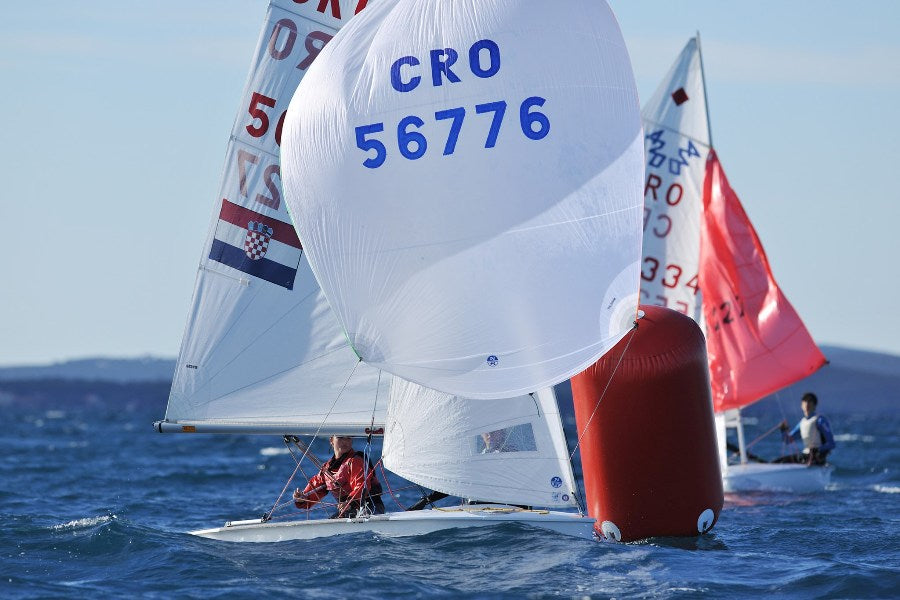
420 ZADAR OPEN
420 Zadar Open
FOTO: NIKOLA ŠIŠKO
Izgleda da se dešava veliki povratak dvosjeda na hrvatsku stranu Jadrana! 16 jedrilica je sudjelovalo što u cjelotjednom kampu, a što na kriterijskoj regati koja se jedrila nakon istoga. Od tih 16 jedrilica klase 420 čak 14 je bilo s CRO registracijskom oznakom na jedrima.
Sedam hrvatskih jedriličarskih klubova je imalo svoje predstavnike u ovoj lijepoj i vrlo atraktivnoj klasi, koja je u jednom periodu čak totalno nestala iz službenog kalendara HJS-a. Uz JK Uskok, koji je bio domaćin kampa i regate, a i koji je dosta godina praktički bio jedini klub koji je njegovao jedrenje u dvosjedima, svoje predstavnike su imali i JK Sv.Nikola - Zagreb, JK Galeb - Kostrena, JK Labud - Split, JK Istra - Lovran, JK Jugo - Mali Lošinj i JK Briva - Biograd. Preostale dvije posade su bili gosti iz Slovenije, članovi JK Olimpic iz Izole.
U Zadru je bilo prva liga! Prvo su bile pripreme koje je vodio trener Marko Morgan iz Slovenije. Svi koji su jedrili na regati su bili i na pripremama... radili su od prethodnog vikenda, pa sve do regate koja je startala u petak. Inače je riječ o službenom kampu HJS-a, a također je i riječ o rekordnom kampu jer je sudjelovalo 14 hrvatskih posada, a toliko ih nismo imali desetljećima! NA regati je također bilo izvrsno. Prvi dan je vjetar malo kasnio, ali uspjeli smo izvući dvije regate, po nekom laganom vjetru iz smjera maestrala. Drugi dan su bili fenomenalni uvjeti. Puhalo je 10-15 čvorova tramuntane, bilo je vala... i tri regate su odjedrene jedna za drugom. A u nedjelju nismo ništa odradili jer je bila apsolutna bonaca.
Karlo Krpeljević, JK Uskok
Sad za juniore počinje ozbiljan posao jer kreće skupljanje bodova za nastup na ISAF Youth-u. Svi bodovi koje će skupljati na idućim regatama klase, naravno zajedno s bodovima koje su sad dobili u Zadru, računaju se za formiranje rang ljestvice na osnovu koje će najbolji na kraju godine jedriti na ovoj velikoj regati mladih. Drugim riječima, pravo nastupa će steći čak tri posade, najbolja muška, najbolja ženska, a od ove godine i miješana posada. Kako nemamo baš miješanih posada onda je dogovoreno da će najbolje plasirani kormilar ili kormilarka, a koji nisu osvojili pravo nastupa na ISAF Youth-u, izabrati flokistu suprotnog spola... bez obzira da li postoji neka miješana posada niže na kriteriju. I prilikom kombinaranja ovakve posade klub više neće biti bitan, već samo da se kormilar/ka i flokist/ica dobro slažu.
A za Europsko i Svjetsko prvenstvo, bodovi se skupljaju do regate koju će organizirati JK Labud, 15-17. svibnja.
Do Labudove regate još je u programu regata koju organizira JK Jugo na Malom Lošinju, a za Uskrs će se jedriti u Izoli.
FOTO: NIKOLA ŠIŠKO
Prije SP i EP bit će organiziran i još jedan kamp na kojem će se dodatno pripremati, a treba napomenuti da na ove dvije velike regate može nastupiti veći broj posada. Na Europskom će to ipak biti donekle ograničeno, ovisno o dobnim kategorijama, a najveća gužva se očekuje u konkurenciji U17. S druge strane za Svjetsko prvenstvo nisu najavljeni limiti za prijavljivanje jer klasa slavi veliki jubilej, pa s masovnošću žele proslaviti svoj pola stoljeća dug neprekinuti rad.
Ali vratimo se regati u Zadru.
Čak četiri posade su se u pet održanih jedrenja mogle pohvaliti pobjedama. Jedine koje su pobijedile u dva plova i to posljednja dva, bile su pobjednice 420 Zadar Open-a, jedriličarke JK Uskok, Noela Petešić i Maris Bašić. Ovaj kratki pobjednički niz im je ujedno bio i presudan za pobjedu, jer su imale jednak broj bodova kao drugoplasirana posada Martin Fras - Toni Rebec iz JK Olimpic.
Na trećem mjestu završavaju ujedno i najbolji u konkurenciji U17, a riječ je o Bubi Puleku i Lorensu Lokasu. Inače, i Noela i Buba su još u rujnu jedrili na Prvenstvu Hrvatske za klasu Optimist, a Buba se od te klase oprostio s pobjedničkim naslovom.
Da je ova klasa postala popularna među juniorima može se vidjeti iščitavanjem ostalih imena u rezultatima regate. Osim što je dosta njih imalo vrlo zapažene karijere u klasi Optimist, aktivni su i u nekim drugim klasama, pa je tu npr. i Bruno Marević, najbolji junior na Svjetskom prvenstvu klase IOM jedrenom u Brazilu prije par mjeseci, trenutno flokist Adrianu Peoviću.
FOTO: NIKOLA ŠIŠKO
Ono što je regatu činilo posebno zanimljivom je što nije bilo apsolutne dominacije neke od posada. U rezultatima se može vidjeti dosta šarenila, odnosno i oni koji su bili u vrhu su oscilirali, pa je napeto bilo do samog kraja, a s druge strane nije bilo ni nekih koji su se bili izrazito lošiji od ostalih. Najbolji dokaz neizvjesnosti i natjecateljskog naboja su dva UFD-a podijeljena u posljednjem plovu.
Mix kombinacija koju je Karlo spomenuo u svojoj izjavi bila je konkretno prisutna na regati u Zadru. Četiri posade su bile kombinirane. Najbolji od njih su bili Tajana Filipaš i Nikola Smaić, tandem s Malog Lošinja koji je zauzeo 9. mjesto generalno.
Što se pobjedničke posade tiče treba spomenuti da na prošlom Prvenstvu Hrvatske, one nisu jedrile u ovoj kombinaciji, već su bile u različitim brodovima, a Maris je u kombinaciji s Antoniom Kuštera odnijela titulu najboljih za 2019.
Bogate foto galerije g.Nikole Šiška možete pronaći na Facebook stranicama JK Uskok.
READ MORE
READ MORE
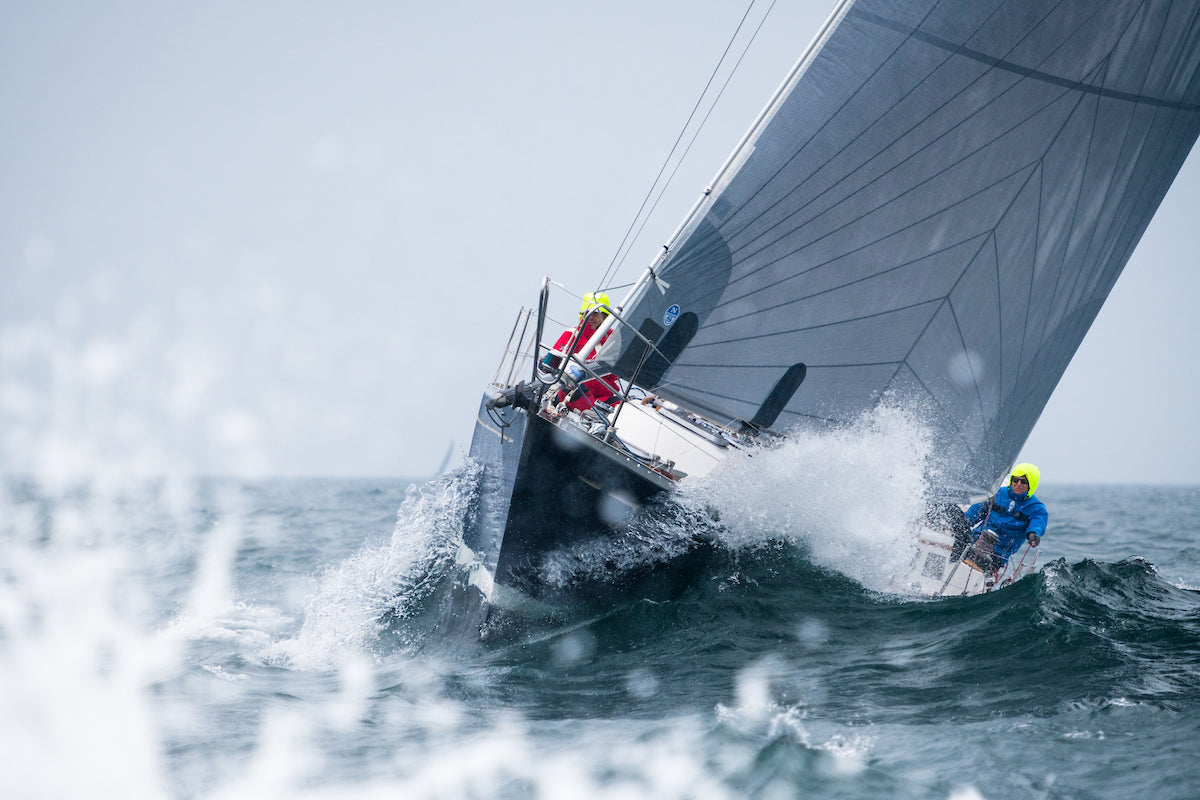
BEDSTE SEJL TIL KLUBKAPSEJLADS
HVILKE SEJL ER DE BEDSTE TIL KLUBKAPSEJLADSER?
North Sails eksperten Tom Davis kommer med forskellige bud til din sejlgarderobe
For nogle sejlere betyder klubkapsejlads en uformel aftenmatch med storsejl og rullegenua i en båd der ikke er lettet for al turgrejet. For andre er det en toptunet Melges 24 med fuld besætning. Der er ikke noget universalt svar på spørgsmålet "Hvilke sejl er bedst til klubkapsejlads"? De fleste sejlere passer ned i kategorien "lidt-af-hver-kapsejlere". Dem tager vi udgangspunkt i med denne artikel. Hvis du passer i denne kategori, er langt de fleste kapsejladser i lokale farvande omkring din hjemhavn. Måske krydret med en enkelt god distancekapsejlads eller to. Men dine sejlgarderobe skal også gerne passe til dagture, weekender og ferie med familie og venner. Hvis du ønsker at deltage i kapsejladser, uanset på hvilket niveau, er der nogle ting du bør fokusere på, før du tænker på de rigtige sejl. Er din bund ikke ren, så kan selv de bedste sejl ikke kompensere for det. Masten skal sættes lige op og være spændt rimeligt op. Dine skødepunkter skal være i orden og markeret. Du bør også have mærker på dine fald. Det kan du læse mere om i vores Trimguide til Cruising. Måske skulle du også se på din propel, hvis ikke det er en foldpropel, om det er tid til af skifte den ud. Når du har fået disse ting på plads, så er det tid til at tænke på sejlgarderoben. Artiklen forsætter på engelsk her.
READ MORE
READ MORE
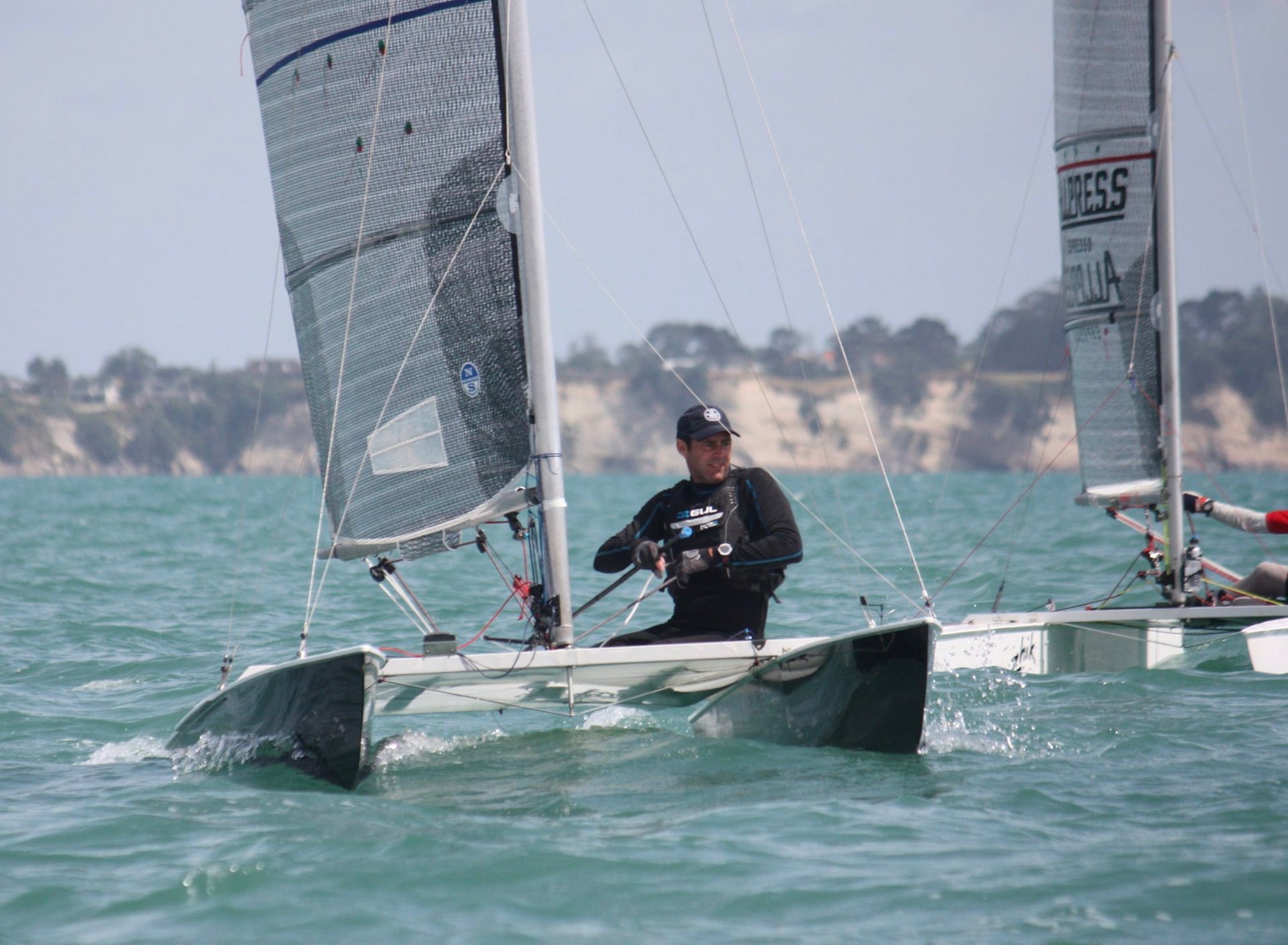
PAPER TIGER S-5 MAINSAIL WINS NATIONALS
PAPER TIGER S-5 MAINSAIL WINS NATIONALS
Mark Orams Takes the Top Spot
North Paper Tiger expert Derek Scott setting up for the start 📸 Tim Nichols
The S-5 Mainsail proved its power at the Paper Tiger New Zealand National Championships as the new design claimed eight of the top 10 positions. Winning the regatta with eight top-five finishes, veteran sailor Mark Orams returned to the class after living and working overseas for several years.
North Sails New Zealand One Design manager Derek Scott, who was heavily involved in the design and development of the sail, was satisfied with a second-place finish at this year’s nationals:
"The S-5 sail has proven itself in a wide range of conditions once again. With a mix of weights within the fleet, ranging from 70kg to over 90+kg, using this design brings fantastic results. Mark's result is a testament to the S-5 sail. "
The four-day event brought a range of conditions, testing both the sailors and the new sail design. Orams, Scott and former national champion Hayden Percy had a close battle throughout the regatta, all using the S-5 sail. However, it was the last day that determined the winner when a black-flag disqualification saw Scott knocked out of the running for the top spot.
The S-5 is made from the same Contender Max sailcloth used for earlier ‘Stealth’ designs. It has an improved corner patch to reduce wear and fatigue in the tack and clew as well as has the benefit of being lighter than earlier models. While initially designed as a more powerful sail for heavier sailors, it has proven to be an excellent all-round sail throughout the weight range of the fleet.
Full list of results.
Hayden Percy 📸 Tim Nichols
Mark Orams 📸 Tim Nichols
READ MORE
READ MORE
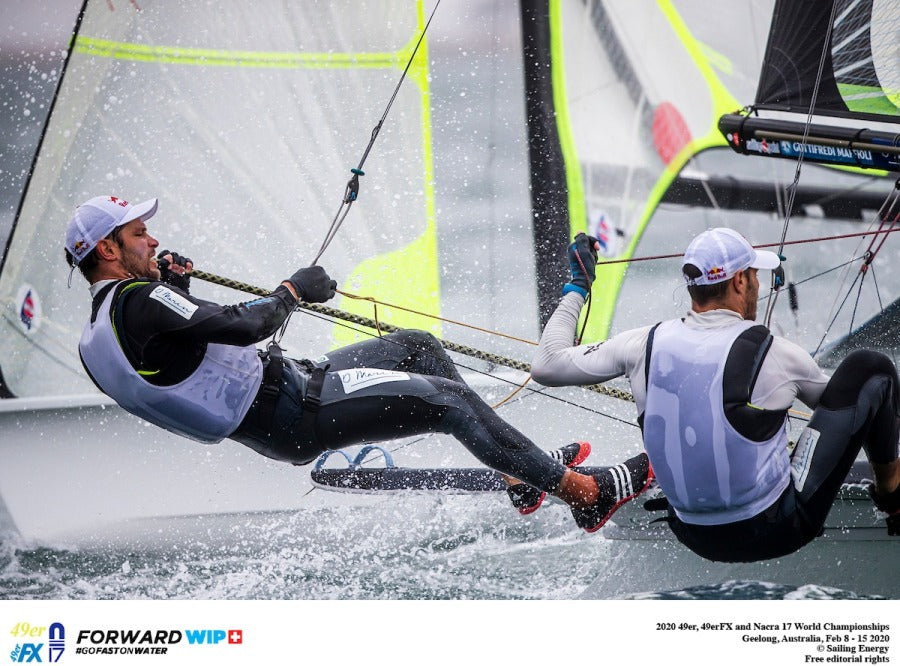
MALO O 49ERIMA NA SP
Malo o 49erima na SP
Stvarno je teško bilo izabrati naslov za izvještaj o nastupu dvije hrvatske posade u skifovima 49er i 49erFX. Muška posada, braća Fantela, teoretski su trebali braniti naslov svjetskih prvaka, ali s obzirom na tešku ozljedu mlađeg brata od prije nekoliko mjeseci bilo je nerealno razmišljati o borbi za postolje, ali na kraju plasmanom u medal race sigurno je sigurno bio ispunjen jedan od ciljeva. S druge strane, ženska posada je na ovom SP imala pretposljednju šansu za plasman na ovogodišnje Olimpijske igre.
Pa krenimo od Šime i Mihovila Fantele.
Njih dvojica nisu imali previše vremena za pripreme, jer je Mihovil s treninzima mogao krenuti tek u prosincu. Što se njih tiše, najvažnije je bilo vidjeti da li je ozljeda ostavila psihološkog traga i može li se Mihovil vratiti na jedrilicu sa 100%, odnosno da ne jedri s mentalnom kočnicom zbog straha od ponavljanja neugodne situacije.
Po prikazanom na regati u Geelongu izgleda da su sve stvari sjele na svoje mjesto i sad ostaje samo da momci nastave s treninzima, jer odavno nemaju presinga vezanog uz plasman u olimpijsku reprezentaciju. Svoju normu su ispunili prilikom osvajanja svjetskog naslova, tako da na ovoj regati definitivno nisu imali rezultatski pressing.
S druge strane Enia Ninčević i Mihaela Zjena De Micheli Vitturi otišle su u Australiju s nadom u uspješne kvalifikacije.
I muške i ženske posade su imale regatu organizirane na istom mjestu, a u blizini su regatno polje imali i katamarani klase Nacra 17. Stvarno hrpa najbržih olimpijskih jedrilica na jednom mjestu, a da bi organizatori imali malo laganiji posao, program je predviđao jedrenje različitih klasa u druga doba dana.
Prvi dan regate nije se jedrilo. Razlog je bio previše jak vjetar. Puhalo je s istoka između 25 i 30 čvorova. Drugog dana vjetar je bio upola slabiji i djevojke su odjedrile svoje plovove kroz jutro, dok su momci na regatno polje izašli u poslijepodnevnim satima. Nakon toga regate su se nizale jedna za drugom.
Obje flote su odjedrile po šest kvalifikacijskih jedrenja, a u finalu su muške posade uspjele napraviti također šest plovova, dok su djevojke imale samo po pet finalnih jedrenja. A za kraj su obje flote imale još i medal race.
FOTO: DREW MALCOLM
Malo detaljnije o događanjima u Geelongu ispričao je trener ženske posade, Karlo Krpeljević:
Prvog dana se nije jedrilo zbog nevere, a kasnije su puhali srednji i jači vjetrovi... od 12 do 17 čvorova. Cure su taj prvi dan kad se jedrilo bile dobre, ali bilo je previše trave na regatnom polju. Svima je zapinjala za peraje, pa se moralo puno čistiti. Inače je nema toliko, ali je ta nevera dignula s dna i stvarno nije bilo ugodno... iskreno, katastrofa. Tu su izgubile dosta bodova. Bile su u jednom plovu prve, pa su ušle kao osme. U idućem su bile treće, pa su završile kao pete. Stvarno su izgubile dosta važnih bodova zbog tih problema. A drugi dan su dobile jedan penal na startu. To im je bio dosta jak udarac, a kasnije su zaredale loše starteve nakon kojih se nisu izvukle. To su bili oni dani kad ti jednostavno ne ide, kad se svaki put odlučiš na krivu stranu. Tako da je stvarno šteta što nisu ostvarile bolje rezultate. Mislim, bili su njihovi uvjeti, dosta je puhalo, a po tome su one najbolje. Ta tri puta su svaki put bile na kraju oko desetog mjesta, a to ipak nije bilo dovoljno.
Karlo Krpeljević, JK Uskok
Finalni dio natjecanja otvaraju s još jednim desetim mjestom, zatim je uslijedio jedan kiks s 19. pozicijom, nakon koje ulaze u cilj kao 4., 1. i 8. Konačna suma ih je smjestila na 28. mjesto.
Prva iduća regata na koju posada 49erFX-a planira ići je Trofej princeze Sofije na Palmi, a nakon toga posljednja šansa za Rio na Svjetskom kupu u Genovi. Utješno je to što u Genovi ne bi trebalo biti trave na regatnom polju, ali s druge strane se ne očekuje da će to biti baš vjetrovit jedriličarski događaj.
S druge strane, braća Fantela su izgleda mnogo bolje pogađala pravu stranu na regatnom polju. U kvalifikacijama im je forma konstantno rasla i nakon dva uvodna 10. mjesta uspijevaju u cilj ulaziti sve bolje i bolje.
Dobar prosjek im osigurava jedenje u zlatnoj skupini.
Otvaranje finala im nije bio baš dio regate kojeg će se puno sjećati, ali su ga bar mogli odbaciti. Potom su se trgnuli, ušli u cilj kao drugi, a potom do kraja slijede lagane oscilacije i izmjene po jednog dobrog i jednog lošeg finiša. Na kraju skupljaju dovoljno bodova da se plasiraju u samo završnicu prvenstva, plov za odličje.
U toj konkurenciji, praktički stvarno najboljoj na svijetu, završavaju pretposljednji i u konačnici im to osigurava solidno deseto mjesto. Inače, da je bilo malo više sportske sreće i doslovno par bodova manje, mogli su završiti i nekoliko mjesta visočije.
A po pitanju mega drame oko Korona virusa, jedriličarima je bio zabranjen odlazak u Melbourne. Tih dana se u tom gradu identificiralo nekoliko oboljelih, pa su organizatori tako htjeli sačuvati zdravlje jedriličara.
READ MORE
READ MORE
THE EDUCATION CONTINUES
THE EDUCATION CONTINUES
Expedition Software How-To With North U's Bill Gladstone & America's Cup Winning Navigator Peter Isler
Saturday February 15th North Sails Detroit welcomed Bill Gladstone and Peter Isler into the loft to conduct a full day Seminar on the tactical and navigation software Expedition. Bill is the owner of North U and Peter is a two-time America’s Cup Winning Navigator. This seminar was brought on following last year’s Mackinaw Seminar presented by Bill Gladstone and Karl Kuspa from North Sails. During that Seminar Bill touched briefly the Expedition Software. After the event there were many inquiries about how to learn more about the software. The customer asked and North delivered. Apparently the Detroit Area is not the only area looking for a seminar like this. The North Detroit Seminar drew participants from Texas, Canada, New York, Massachusetts and Ohio with several Michigan Participants traveling several hours to attend. Thankfully Michigan’s Winter Weather blessed us with a great weekend for travel.
This was a hands on event. If a participant did not own the software, they were able to download it on a trial basis to use for the class. Peter and Bill sent out homework and tasks for the participants to complete prior to the seminar and also sent out post seminar notes and tasks. “What a great opportunity to learn from one of the industry's best navigators. The pre-work coupled with the hands-on all-day course proved to be a fantastic learning environment and was truly one of the best classes I've attended in quite some time”- Lynn Kotwicki- Rear Commodore, Bayview Yacht Club. Lynn wasn’t the only one feeling this way. “It was a great class and huge learning experience. It was always great getting a chance to meet and talk with sailors!”- Andrew Wescoat- Houston, TX
“I have been using this software for about a dozen years. What I learned this weekend is that I had only scratched the surface of the capabilities of this software”- Karl Kuspa, North sails
The night before the full day Seminar, North hosted an open house. Why not take advantage of having Peter is town. Despite it being Valentine’s Day, there was still a group of about 20 people. Participants ate pizza and enjoyed adult beverages while Peter gave a high level look at Expedition and the software’s capabilities. After the presentation, Bill and Peter mingled and answered one on one questions. “Thank you for organizing, and to Peter for presenting and Karl and Chelsie for hosting the Friday Open House and Saturday Hands-On Training.”- Mike Staker.
--Our pleasure Mike!
This Seminar was the third of six hosted at North Sails Detroit. For more information about the remaining schedule please click here. We hope to see you at the next one!
READ MORE
READ MORE
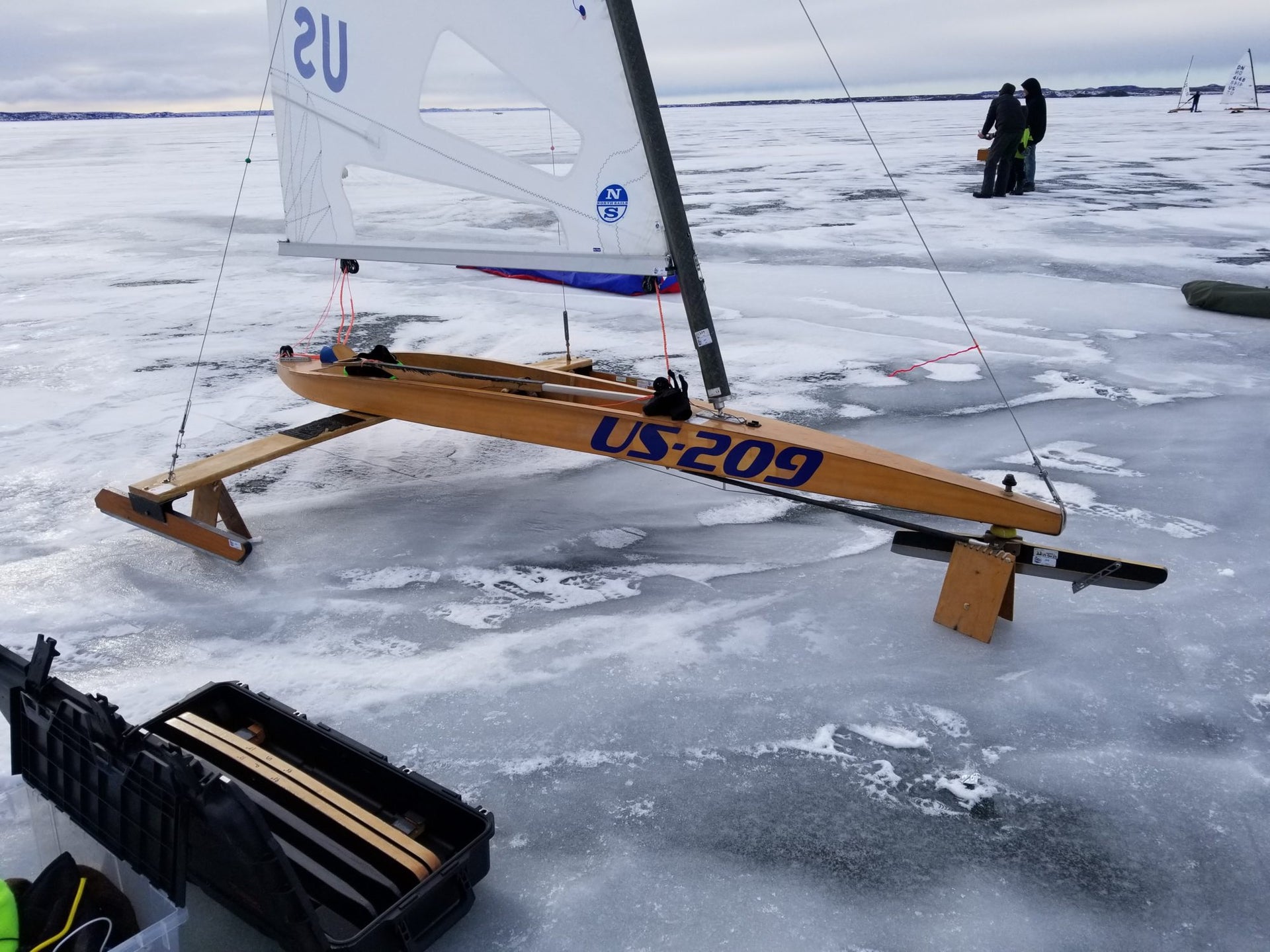
CATCHING UP WITH DN ICEBOATER TREY ROSE
CUSTOMER SPOTLIGHT: TREY ROSE
Catching Up With Trey Rose After The 2020 North American DN Iceboat Championships
For those that are unaware, Iceboating, simply put, is sailing on ice. There are many different types of iceboats, but current designs tend to have three runners or blades that support the main body of the craft. There are international and local competitions and the sport flourishes in the northern regions of both Europe and the US.
We got a chance to speak to a local Detroit area customer, Trey Rose, who recently returned from Fort Peck Montana after competing in this year’s DN Iceboat North American Championship Regatta. As with any sport there are certain characteristics that challenge participants and make the sport unique.
“The sport is difficult in the aspect of good wind, good ice and no snow on the ice” says Trey when asked about his participation in the sport. Finding this trifecta requires ice boaters to be flexible on time and location of any ice boating events. “These guys will say hey, we have a regatta this weekend and they’re like ok. And Thursday an email will go out and you find out it’s in Minnesota or Wisconsin” A lot of ice boaters have the ability to take time away from work with little to no notice, or people are retired from work.
Often times, soft water sailors are drawn to the sport because it’s similar to warm weather sailing and it keeps Great Lakes boaters active year round. However, Ice boats are known for their sometimes extreme speed and differences in maneuverability. When asked what’s different between soft and hard water sailing, Trey had this to say: “The components and how to de-power. Talking about bending your rig how many feet versus hey can I get an inch or two of mast over here….everything is a lot more extreme, speed, etcetera” For Trey, Ice boating keeps him intrigued for more than one reason. “It’s been fascinating to me. I’m really into sailing and it was a new challenge, and it certainly is all of that. I’m hoping as I comprehend and excel at this I can convert it over to soft water.”
For locals, there are several different groups that get out on the ice together whenever possible, including the Iceboating in Michigan and Ohio Facebook Group. According to Trey, “It’s a pretty active page for people posting hey, my backyard lake looks like this and they have get-togethers.” Trey has a few locations that make it easier to get out more often and have spots where people can take a break, warm up and get back out there for more action. “My favorite location, I suppose is Walled Lake. There’s a nice little beach area there that we can utilize. There’s a bar and grille right next to the beach. Its where I have been able to easily go. And I can bring new people into the sport and rotate them in a warm environment. The best place locally, I think is Maumee Bay, just because there’s so many people that sail there. There's a little shallow water area and a cove and you get a lot of great ice conditions frequently.”
The DN Iceboat was created first here in Michigan, spurred by an active community of skilled craftspeople and the Detroit News taking notice. Trey shared his knowledge on the history of the craft and how it all got started. “The intent was for anybody to get these plans and build it in their garage. I believe what was going on was a lot of people were building boats. There was this arms race of engineering almost. Kind of like the Americas Cup where design might actually win versus the sailor. So at one point, what they did was say let’s make one design. You can build your own boat and all that, but be within these certain parameters. And that way you can compete and say at least we’re in the same realm as each other. I believe it was an article placed out by the Detroit News, which is why it’s called the DN”. The DN Iceboat is currently sold internationally, and is the most popular Ice Boat in the world.
Trey got his first DN Iceboat from a co-worker who was trying to get rid of the boat after the owner of the boat, his Grandfather, had passed away. “He wanted it to be used but didn’t know anything about it. He knew I sailed. We made a great deal and since then it’s been a roller coaster of upgrades. I don’t think I have any part of that boat, that’s part of my race program now.” Ice boaters can spend a lot of time working on and tweaking their boats for optimal performance. According to Trey the type and quality of your equipment and sails can make or break your sailing experience. “Equipment is really, really important. In iceboating I have noticed a tremendous difference the equipment makes. You can buy speed. With the right conditions, the right materials, the right sails, the right runners make a big difference.”
Trey purchased a North Sails One Design Power-Max mainsail a few days prior to the regatta. He explains how that sail effected his light air sailing. “I’m a little bit heavier and there’s a slight worry about my light air performance. But we had a lot of practice and I was just killing these guys off the line, at least. I got my speed up and I got point faster than anybody around me on all 4 or 5 starts. I would say that sail is very helpful.”
The location of the regatta was chosen a bit later than usual and much farther away than usual, due to a weather system that came through the mid-west just days prior to when the regatta was set to take place. Trey details, “We had this crazy weather system that came by and dumped a bunch of snow, like 6 inches or so and more north. All of our North Americans thus far have been between Minnesota and Maine and we have different regions. The west region goes all the way up to Minnesota but not past that. That weather system took any safe ice that we had in the region and put 6 inches of snow on it. You can’t do an even on that.
Thankfully, some Iceboaters from Montana reached out with good ice conditions and with little other options, the race was scheduled for a water basin in Fort Peck Montana. “The water basin that we sailed on is a dam with a reservoir that feeds the Missouri river. The Army Core of Engineers manages it. The ice was great, well, ok and they sent all these videos of people sailing on it. So we packed our bags and headed out west and there was no wind.”
It was a difficult task finding a specific location to set up the course. “We were scouting ice, and the people managing the reservoir made the decision to lower the water level which ended up cracking some of our ice. Which made some of the areas we might want to go sail off limits; very inaccessible and obviously cracking and making some pressure cracks elsewhere. Luckily this reservoir has more surface area than the coastline of California.”
The rules of the regatta require that 3 races be held within a division to qualify as an event. This can be difficult if the weather conditions do not cooperate. This year, the weather was not cooperating. After delays in finding ice and in having conditions that were good enough to run qualifying races it came down to Friday which was the final scheduled day of the 2020 NA Championships. “Unfortunately, the end of the day happened and we only had 2 in on Silver that were legal within the time limits. The event does have a stipulation that you go until Saturday if you have not been able to complete the event by Friday sundown. Saturday was supposed to be blowing anywhere from 10 knots to 30. All of the sudden this is going to be a big air event. And once you start a race day, it’s a race day. They had us out till sundown there. I think we did 3 races. Boats still were whole. The wind just kept piping up and piping up, we ended up having a squall line come through. But the ice conditions weren’t great. They still had cracks in them and we were in really windy conditions so it started getting on the edge. At least for me. I know some of the more seasoned guys were saying, no, it’s just getting fun.”
Trey is considering competing again in next year’s North Americans depending on where they take place and how things go with his new schedule of raising his new baby girl, Claire.
Here is a video clip taken by Sean R. Heavey on the last day of the regatta.
If anyone is interested in trying the sport, you can contact Trey at Trey_Rose@hotmail.com. Or check out the Facebook page for Ohio and Michigan Iceboating to see what’s happening in your area. If you have questions about Sails for the DN Iceboat, feel free to contact the Detroit Loft.
READ MORE
READ MORE
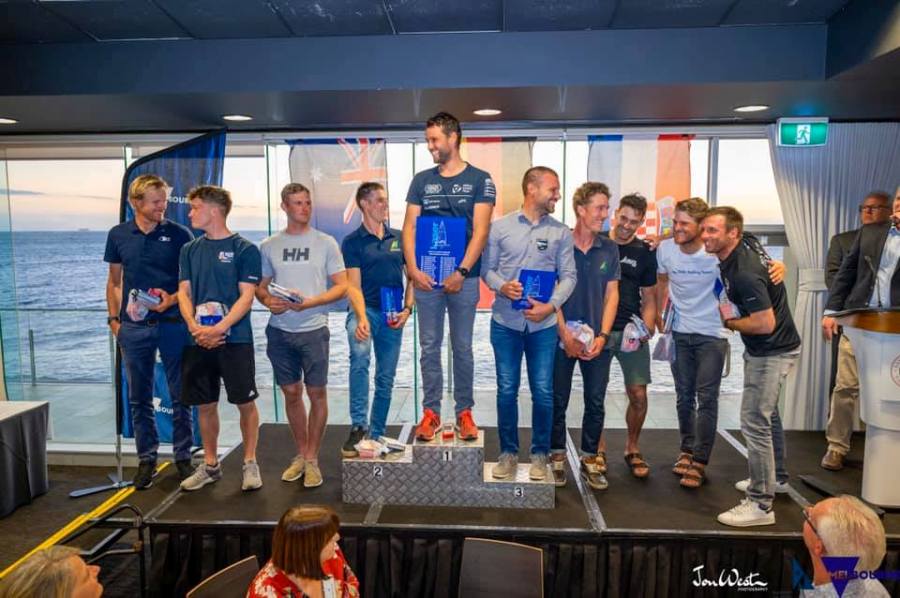
TONČI STIPANOVIĆ, BRONČANI NA SP ZA LASER STANDARD
Tonči Stipanović, brončani na SP za Laser Standard
FOTO: JON WEST
Zar može biti bolje otvaranje sezone od medalje na Svjetskom prvenstvu? A još ako se k tome doda da te za pola godine čeka nastup na najvažnijem sportskom natjecanju na planetu! Stvarno izvrsna, a s ovom medaljom u džepu i iznimno motivirajuća kombinacija.
Sigurno već svi koji prate jedrenje znaju da medalja brončanog sjaja i da ju je osvojio Tonči Stipanović, jedriličar u klasi Laser Standard iz JK Mornar.
Ova medalja je samo još više učvrstila njegov status našeg najboljeg jedriličara u ovoj klasi, a kroz cijelu njegovu karijeru bilo ih je i u nekim drugim klasama... pa prisjetimo se:
1999. - 2. na SP klase Optimist u team raceu
1999. - 2. na SP klase Optimist u pojedinačnoj konkurenciji
2001. - 3. na SP klase Optimist u team raceu
2002. - 1. na SP klase Laser 4.7
2003. - 1. na SP mladih u klasi Laser Radial
2010. - 1. na EP klase Laser Standard
2011. - 1. na EP klase Laser Standard
2012. - 2. na SP klase Laser Standard
2013. - 1. na EP klase Laser Standard
2014. - 1. na EP klase Laser Standard
2016. - 2. na Olimpijskim igrama u Laser Standardu
2020. - 3. na SP klase Laser Standard
Ja sam došao malo kasnije od ostalih, tako da kad sam prvi dan došao dočekao me je lagani vjetar, a to najviše volim... kad dođem na neku novu lokaciju da krenem postupno, od slabijeg prema jačem vjetru. Tako da sam imao vremena da uhvatim ruku na novom brodu. Već od početka sam imao dobru brzinu, pa sam odmah od početka bio zadovoljan. Zadnje treninge sam napravio po vjetru s kraja, onakvom kakav smo imali posljednji dan prvenstva. To su bili stvarno teški uvjeti. Po tom vjetru stvarao se chopy val (kratak i visok, op.a.), a od kanala, nama s desne strane, dolazio je velik val iz zaljeva, tako da smo imali taj neugodan swell s boka. Po pitanju konkurenvcije mogu odgovoriti da je bila najbolja koja je trenutno moguća u Laser Standardu. Jedino Burton nije bio u formi jer 3-4 mjeseca nije sjeo u brod, već samo petnaestak dana prije starta regate. I to se i vidjelo... ali svi ostali su bili u top formi. Svi ostali su manje više proveli cijeli prosinac i siječanj u Australiji i bili su na maksimumu. Tako da mislim da sam sve izvrsno odradio s obzirom koliko malo vremena sam proveo u Melbournu. Što se tiče taktike, tu nije bilo nikakvih kalkuliranja. U svaku regatu sam ulazio kao da je prva. Možda sam jedino predzadnji plov mogao taktički malo drugačije odigrati... držati se bliže njima, ali sam išao jedriti jednako kao i prvu, koju sam završio četvrti. Međutim, bio je jedan oblak koji se u pola regate počeo micati i tu se desila jedna promjena vjetra na strani na kojoj ja nisam bio i tu sam malo ostao iza i nisam uspio biti bolji od 21. mjesta. U svakom slučaju taktika da u svakom plovu idem na što bolji rezultat mi se isplatila. Moram izraziti zadovoljstvo i s opremom, s njom nisam imao nikakvih problema. Za razliku od Pavlosa koji je morao tri puta unutar regate mijenjati donji dio jarbola koji mu se stalno krivio! Ja s tim nisam imao problema, a i sve ostalo mi je funkcioniralo besprijekorno. U svakom slučaju, pripreme koje smo odradili na Malti su se definitivno isplatile! Istina, ovdje nismo imali tako brutalan val kao na Malti, ali tamo je bio dosta jak vjetar i to nam je stvarno dobro došlo. Stvarno smo i ja i Filip ovaj put došli fizički i mentalno spremni. A čini mi se da je ovaj put presudnija bila fizička sprema za konačan rezultat. Npr. ovaj nijemac koji je pobijedio je svjesno došao na regatu s 87kg. Bio je brz i išao je na to da će svaki dan biti jak vjetar i da će morat puno visiti.
Tonči Stipanović, JK Mornar
Tonči sad ima mali odmor, a iduće okupljanje ekipe je 1. ožujka. prije dvije domaće regate, Velike nagrade Mornara i Prvenstva Hrvatske. Nakon toga slijedi nastup na Palmi, a preskočit će Genovu u kojoj će se dijeliti preostale norme za Tokio.
Zatim u travnju ekipa putuje za Francusku i nakon toga je fokus na Japan i Olimpijske igre.
Što se tiče same regate, flota je bila podijeljena u tri skupine. Dvije su imale po 41 natjecatelja, a jedna 42... ukupno 124 najbolja jedriličara iz cijelog svijeta. Prva tri dana regate su se jedrile kvalifikacije, svakog dana po dva plova.
FOTO: JON WEST
U kvalifikacijama Tonči osvaja po dva prva i dva druga mjesta, a lošiji ulasci su mu 6. i 13. mjesto. S takvim rezultatima nije bilo nimalo straha da li će finalni dio prvenstva nastaviti u zlatnoj skupini.
Slična situacija je bila i s njegovim klupskim kolegom i našim drugim predstavnikom u Melbournu, Filipom Jurišićem. Filip je također kvalifikacije odjedrio na vrlo visokom nivou i jednom pobjeđuje, osvaja jedno treće, dva četvrta i 15. mjesto.
Jednako kao i Tonči, Filip nastavlja Svjetsko prvenstvo u zlatnoj skupini gdje zajedno jedre idućih šest jedrenja u dva dana.
Tamo je situacija dosta ozbiljnija, jer je sad tu koncentrirani svi najbolji. Jedrenja se nastavljaju iz dana u dan, a naši momci jedre s promjenjivim uspjehom. Tončevi najbolji rezultati su dva četvrta mjesta, ali vrlo dobri ulasci u kvalifikacijama donekle anuliraju 11., 15. i 18. mjesto. Srećom bilo je dovoljno jedrenja da može odbaciti svoj najlošiji rezultat, 21. mjesto. Taj kiks se desio u drugom plovu posljednjeg dana i tada Tonči uspijeva zadržati mentalnu snagu i ne dozvoljava da mu taj rezultat utječe na prikazano jedrenje u posljednjem plovu.
Da je u tim trenucima situacija po pitanju medalje za našeg jedriličara bila poprilično opasna govori podatak koji se može vidjeti u finalnim rezultatima, a to je da su jedriličari koji su završili na 4. i 5. mjestu imali dva boda više od Tonča!
Mjesto iza Tonča je završio vjerojatno najveći tragičar SP-a, francuski jedriličar Jean Baptiste Bernaz. On je u 12 jedrenja imao čak 6 prvih mjesta i po jedno 3., 4. i 7., a od čega su dvije pobjede bile u finalu! Međutim, kad je zeznuo, zeznuo je do kraja... U konačnoj sumi medalje su ga koštala 21. i 32. mjesto, dok je BFD iz drugog finalnog plova odbacio.
Što se tiče Filipa, njega je bod dijelio od 9. mjesta, a tijekom prvenstva je jedan od finalnih dana završio čak i na vrlo visokom 6. mjestu. Najbolje je završio u posljednjem plovu kad je ciljnu ravninu presjekao 7. po redu, dok su se ostali rezultati vrtili između 12. i 32. mjesta.
Nadao sam se malo bolje, ali eto... bilo je gusto... Došli smo u Australiju malo ranije da bi se prilagodili na tu opremu koju su nam oni dali. Naime, za jedrenje na SP je bilo obavezno da koristimo njihovu opremu. Stvarno se osjećalo da je ta oprema dosta drugačija od one koju inače koristimo. Na samom početku priprema nisam bio baš zadovoljan, ali iz dana u dana kako je prolazilo vrijeme pomalo sam poboljšavao sve što nije bilo dobro. A najviše mi je smetalo to što mi je brzina na treninzima na Malti bila izvrsna, a ovdje mi je to stvarno škripalo. Uglavnom, u tih tjedan i pol što smo bili dolje prije početka svjetskog, nastojao sam se prilagoditi što bolje mogu i kroz regatu sam uspijevao nadoknađivati taj manjak brzine u odnosu na Maltu. To mi je bilo nužno da bi opstao u vrhu... i eto, uspio sam sebi dokazati da unatoč takvom hendikepu mogu jedriti u samom vrhu, a u tom dijelu ljestvice u ovoj našoj klasi je vrlo gusto. Što se tiče Tokija, regata je završila loše za mene, ali Tonči je s ovom medaljom itekako potvrdio da je on taj koji nas tamo treba predstavljati! Uglavnom, ne žalim za ničim jer sam dao svoj maksimum. Rezultat na ovom svjetskom je moj najbolji plasman ikada, a sigurno je razlog u tome što sam jedrio apsolutno neopterećen rezultatom. Na prošlom sam propustio ovakav rezultat zbog opterećenja našim kvalifikacijama, a sad sam uspio jedriti bez ikakvog mentalnog opterećenja i bez fokusa na kvalifikacije, već sam se uspio koncentrirati samo na kvalitetu jedrenja. Uvjeti na moru su nam bili dosta teški. Na mjesto gdje smo jedrili dolazio je val iz zaljeva, iz dubokog dijela u dosta pliće, pa je posljedica stvaranje dosta visokog i kratkog vala. Također je i bila dosta vjetrovita regata i u kombinaciji s visokim levelom konkurencije mogu reći da sam stvarno zadovoljan svojim rezultatom. Tako da su se težak rad i vrhunske pripreme na Malti definitivno isplatile. Mislim, u uvjetima koje smo imali na dva ciklusa priprema na Malti, razvili su mi snagu s kojom sam se mogao nositi s konkurencijom. Što se regatnog polja tiče primijetili smo tri različite kombinacije uvjeta... od slabog, srednjeg i jakog sea breez-a, pa do ciklona i nešto jačih nevera i do vjetra s kraja koji je puhao u stilu naše bure. U početku je taj sea breez, dok smo trenirali, imao najjednostavniji obrazac ponašanja. Njega smo relativno dobro svladali. Onda se ta ciklona pojavila s tim neverama... a i tu smo se dosta dobro snašli, svi smo dobro jedrili. I zadnje je bilo to s kraja i mislim da je realno govoreći to svima bilo najteže. Stvarno su to bili nestabilni uvjeti, pogotovo zadnjeg dana kad se svatko pozicionira na osnovu svojih rezultata... u odnosu na konkurente koji su najbliži... Ja tu prvu regatu nisam odvozio najbolje, završio sam 24. ali drugu sam bio dosta bolji i u posljednjem plovu ulazim kao 7. Najlošije sam u tom finalu jedrio u prva tri plova i tada stvarno nisam bio zadovoljan brzinom. Mislim, nema logike da kažem da sam bio spor, a jedrio sam u samom vrhu... ali vidio se manjak brzine u duelima, a pogotovo je to dolazilo do izražaja neposredno nakon starta. To je bilo nešto gdje sam kaskao za ostalima, ali s druge strane sa snagom, spremom i koncentracijom bio sam na vrlo visokom nivou i s tim sam se uspio izvući. U svakom slučaju ja sam zadovoljan svojim napretkom, a siguran sam da mogu još puno bolje, jer sad igraju samo nijanse!
Filip Jurišić, JK Mornar
FOTO: JON WEST
Pobjednik ovogodišnjeg Svjetskog prvenstva je njemački jedriličar Philipp Buhl. Briljirao je u uvodu s četiri pobjede i jednim 2, mjestom, dok je 4. odbacio. U finalu mu je najbolji finiš bio prilikom otvaranja, na drugom mjestu, a u ostalima kao da mu je forma pomalo padala. Ali prosjek mu je bio vrlo dobar i činjenica da je iz finala odbacio 10. mjesto osigurali su mu zlatnu medalju s 12 bodova prednosti ispred drugoplasiranog australca Matt Wearna koji je imao prednost od 28 bodova ispred našeg Tonča.
Nastavak sezone je sad cijeli u znaku priprema za Olimpijske igre u Tokiju. Glavni zadatak Filipa Jurišića je da bude sparing partner Tonču Stipanoviću, ali uz regate na kojima će zajedno nastupiti bit će ih i nekoliko koje će imati poseban Filipov fokus. Zajedno će jedriti na Palmi i u Hyresu, dok Filip možda nastupi i na Europskom prvenstvu.
Nakon toga slijedi regata Svjetskog kupa u Japanu i nekoliko pripremnih regatica pred Olimpijadu gdje će uz naš dvojac jedriti i Pavlos Kontides. Uglavnom, do ljeta u Japan će putovati čak tri puta!
Što drugo, nego ekipi JK Mornar zaželjeti puno sreće u nastavku sezone i da ne zaborave da se svi potajno nadamo dobrim vijestima iz Tokija ovog ljeta :)
S ovom Tončevom broncom, Jozo Jakelić, trener Mornarevog Laser Standard tima, potvrdio je svoj status jednog od najboljih svjetskih trenera u ovoj klasi, a sigurno spada u najtrofejnije Hrvatske jedriličarske trenere ikada!
READ MORE
READ MORE
VELBESØGT AFTEN HOS NORTH SAILS
VELBESØGT AFTEN HOS NORTH SAILS
Med Jan B. Hansen, skipper på "The Beast"
Jan Hansen fortalte om sine erfaringer fra sæson 2019 med sin nyindkøbte Figaro 2, "The Beast".
North Sails have oprindeligt indbudt til en enkelt aften med Jan Hansen, single- og doublehand sejlads. Arrangementet blev overtegnet i løbet af en dags tid, så det blev i stedet til to aftener med fuldt hus. Knap 90 sejlere kom forbi sejlloftet i Herlev.
De fik en aften, hvor de indledningsvis kunne få en snak med flere af vores kompetente sælgere, som alle er sejlere på topplan.
Derefter underholdt Jan Hansen i et par timer med erfaringerne fra sæson 2019 med sin nyindkøbte Figaro 2, "The Beast". Vi kom vidt omkring: Fra valg af bådtypen, sejlene, sejladsplanlægning, fysik, sikkerhed og planerne for 2020.
Der blev uddelt af såvel gode, som mindre veldisponerede oplevelser på vandet og alle gik herfra lidt klogere og med et smil på læben.
North Sails glæder sig til at indbyde til lignende arrangementer. Hold øje her på hjemmesiden samt tilmeld dig vores nyhedsbrev for at holde dig opdateret.
READ MORE
READ MORE

ANNAPOLIS SEMINAR SERIES
ANNAPOLIS SEMINAR SERIES
Immerse Yourself In Our Upcoming Educational Opportunities
North Sails Annapolis is pleased to announce their Winter Seminar Series schedule. Connect with your local experts and make this season one of your best with our many educational opportunities. March 3 | Fawcett's Speaker Series Off the wind sailing presentation by Austin Powers. A modern guide to off wind sails featuring racing and cruising sail technology. This even is open to the public at Fawcett Boat Supplies. March 4 | An Evening With Ken Read It’s time to have fun again! Hear how the state of perfection, wasting time, and monotonous windward-leeward racing has taken the edge off of our sport. Join us for Ken Read's presentation about real ways to have more fun on the water, as well as share our precious time between the sport, activities and family. This event is for Annapolis Yacht Club members only* March 14 | Annapolis to Bermuda talk Join North Sails and local experts Austin Powers and Jonathan Bartlett for a discussion on off of the wind sails and sail trim. This talk is to educate racers as to the gear and trim settings they will need for the Annapolis to Bermuda race. This is event is open to registrants with the club at Eastport Yacht Club* March 23 | BBSA Off The Wind ** POSTPONED ** Learn about downwind sailing and double headsail sailing with North sails expert Austin Powers. Registration is required. Don't miss out on this great evening presented by the Broad Bay Sailing Association. April 14 | Opti talk for USODA Austin Powers will talk all things optimist tuning with the USODA Optimist development team at Annapolis Yacht Club. April 30 | AYC One Design Talk North Sails Experts Zeke Horowitz, Austin Powers, and Allan Terhune will visit the Annapolis Yacht Club to lead a seminar on a successful season of One Design racing. They will discuss everything from the broad picture of planning your schedule, maintenance, and crew list to the intricacies of starting strategy and tactical decision making.
READ MORE
READ MORE
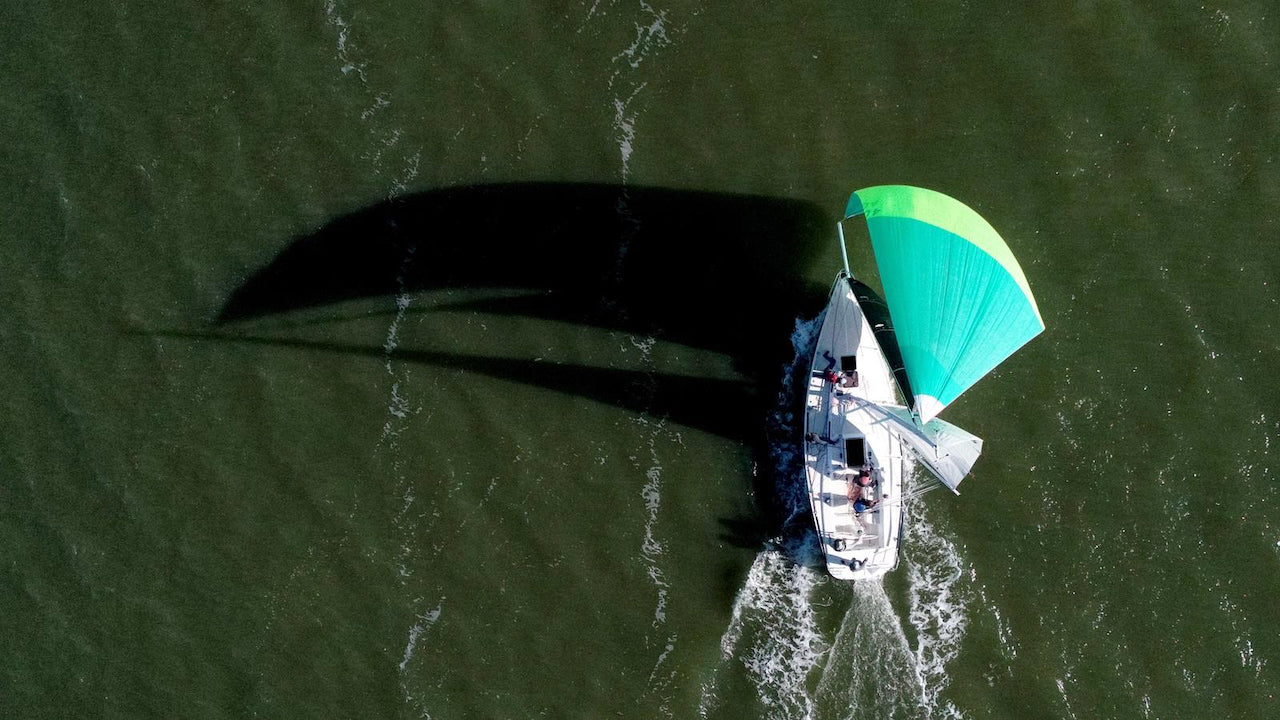
EVENT SPOTLIGHT: SCOR REGATTA
EVENT SPOTLIGHT: SCOR REGATTA
A Weekend To Remember
Photo Credit: Michael Wiser
On Friday, North Sails Sponsored a practice/tune up for visiting schools competing in the Southern Collegiate Offshore Regatta. Teams ran through practice starts for an hour while acclimating themselves to their borrowed equipment. All teams had an owner's representative onboard and crews were coached on the water by North Sails experts John Bowden, Rich Bowen, Ervin Grove and Tripp Fellabom. After several practice starts we ran 2 short course races allowing teams to perfect their boat handling and crew work around the marks. This practice would prove vital for Saturday's conditions.
Saturday morning an A and B Fleet were met with nuclear conditions in the morning and a slight decrease in pressure throughout the day. The starting line was set in the Ashley River in a flood tide(with the wind) and a windward mark 1.3 miles in the vicinity of Ft Sumpter/Sullivans Island. Two windward leeward/ twice around races were run on the incoming tide. Later in the day the tide switched for race three, which made for lumpy conditions. The final race of day one was a distance race around the harbor with a finish off the Carolina Yacht Club dock.
The race track on Sunday matched that of Saturday. The first race started in 12 knots and the wind built throughout the day with guests to 20. Again three Windward/Leeward Races were completed before a distance race finishing at the Carolina Yacht Club.
The team at North Sails Charleston takes the future of our sport very seriously. Tripp Fellabom an industry expert for over 45 years works tirelessly with many other volunteers to pull off this event. Participants of this regatta are continually graduating and moving on in life, but it is always refreshing to see them at other regattas throughout the world.
For full results, see here.
READ MORE
READ MORE
EVENT SPOTLIGHT: RACE COURSE TACTICS WITH ALLAN TERHUNE
EVENT SPOTLIGHT: CHICAGO SEMINAR SERIES
North Sails Expert Allan Terhune Explains Race Course Tactics
Sudden snow and winter winds didn’t stop sailors from gathering for the first of three winter North Sails seminars this past Wednesday. North Sails Expert Allan Terhune shared his knowledge of race course tactics to a full house at Columbia Yacht Club. He noted the importance of good boat communication and practising starts, among others things, and he made sure to touch on key differences and similarities between One Design and Mixed Fleet racing. Seminar attendee Nicole Scardigno shares how Allan's tips will help her on the race course this season.
What did you hope to learn from the Race Course Tactics seminar?
When you have not been sailing for a few months you start to lose knowledge of sailing. During the summer it is repetitive, but during the winter months its nice to have ways to stay sharp when you can't be on the water.
What was something you weren't expecting to learn but did.
Mental Tactics: I have been on boats where the captain/owner was a screamer and didn’t really care about he/she treated you. There was just a very bad vibe. I once was doing a delivery back from a very prestigious race and the captain was yelling and was so mentally and verbally abusive that I was about to take my PFD off and slide into the cold waters.
How will what you learned help you in the upcoming sailing season?
Starting. There have always been problems with the start on EVERY single boat I have sailed on. Pinging the starting line and so forth. I have sailed on some very big programs when I lived out in Newport and the professional sailors who are paid couldn’t get it.
Tell us about how you got into sailing and what you're currently racing.
I moved back to Chicago in the spring of 2018 and got involved right away with the Chicago sailing community. I have many friends who work for North so I am extremely excited when there is a training or if I can get one of my friends out on a boat to just explain everything better regarding the sails.
In Chicago, I am currently on Free Agent (Schock 35) and a few others. I help when someone needs extra hand or when the boat that I am on isn’t doing a race or beer can and I hop onto another boat. When I am in Newport, RI I sail on Jambo (First 40), Raven, International210 and a few others over 40 meters.
I started in Newport, RI learning out of Sail Newport in 2013 on brand new J22's donated by Ron O'Hanley who was CEO of Fidelity at the time, Ensigns, Rhodes 19, Shields, Herreshoff. He also has a program the boats name is Privateer and they are a Cookson 50 w/ Canting Keel. I have raced on the boat many times... Sailed on so many different types of boats when I lived out there.
A big thank you to the 90 sailors who came out to learn valuable tips for the upcoming season. Come talk sailing with us this winter! We look forward to seeing everyone soon at the upcoming seminars.
READ MORE
READ MORE
BACARDI CUP LOCAL KNOWLEDGE
BACARDI CUP LOCAL KNOWLEDGE
Get To Know Biscayne Bay
To help you prepare for the 2020 Bacardi Cup, we asked the local Star and Snipe World Champion Augie Diaz to explain about his home waters of Biscayne Bay in Miami, FL.
Biscayne Bay is I think pretty straightforward. The weather is driven by cold fronts approaching, and we don't get as much breeze as we used to because the city's grown so big. But generally, any breeze from the northeast around through the southwest is great sailing. From this direction, the breeze is usually under fifteen knots, with relatively flat water (chop but no swell). Spring and fall are the best seasons, because we don’t get many fronts.
Dominant wind direction: easterlies
The old rule of thumb is still the case: if the wind's to the left of the south end of Key Biscayne, you go left. Near the Key, from 120-160 degrees, there is a little more pressure closer to the end of the Key, and also a geographical shift off the land. How favored is somewhat current-dependent; from 70 degrees to 160 degrees with an outgoing current, then left is really good, what we call the "Old Man Expressway". At the top of the beat on the J/24 Worlds course, the Old Man Expressway could be important.
On what I call the Cuba Course, where the Etchells sail, way down south of Matheson Hammock, there's less left down there than there is closer to the point of Key Biscayne. So you have to keep in mind where you are on the Bay.
Current
Understanding the current is very important. People think the current comes in and out of the Bay from the east, but it actually runs in and out from Bear Cut. If you get close to what we call the Valves, which are the channels through the shallow areas that on the chart are labeled Biscayne Flats, there is a component of current going in and out of there. But you have to be very close to the Valves for that to be the net effect. Otherwise, the current basically ebbs from the southwest to the northeast, and goes the opposite way when it floods.
As for the timing relative to high and low tide, I've seen it as much as an hour off, so I just use tide change as a gauge and then keep checking the buoys, all the time. Sometimes seaweed will show lines of current, but I've never really seen a change in the color of the water.
Other wind directions
Once the wind gets to about 170-180, it's pretty important to protect the right. That’s true all the way to 220 degrees. Anything right of 220-230, it's going to march quickly to the northwest because that's a frontal-driven direction, which doesn't doesn't have the ability to stick.
If the wind’s right of 230 degrees, I like coming in from the top left because you get some really nice puffs off the left shore. It depends where you are on the Bay; on the J/24 course, close to the west shoreline, you’ll definitely want to come in from the top left.
Northwesters are like you're on a lake: very shifty, very up and down. But in late October, it's actually less frontal, so that’s less likely.
Secret to success
Focus on what the current's doing, and in the easterly understand how important it is to go left.
Thanks Augie!
READ MORE
READ MORE
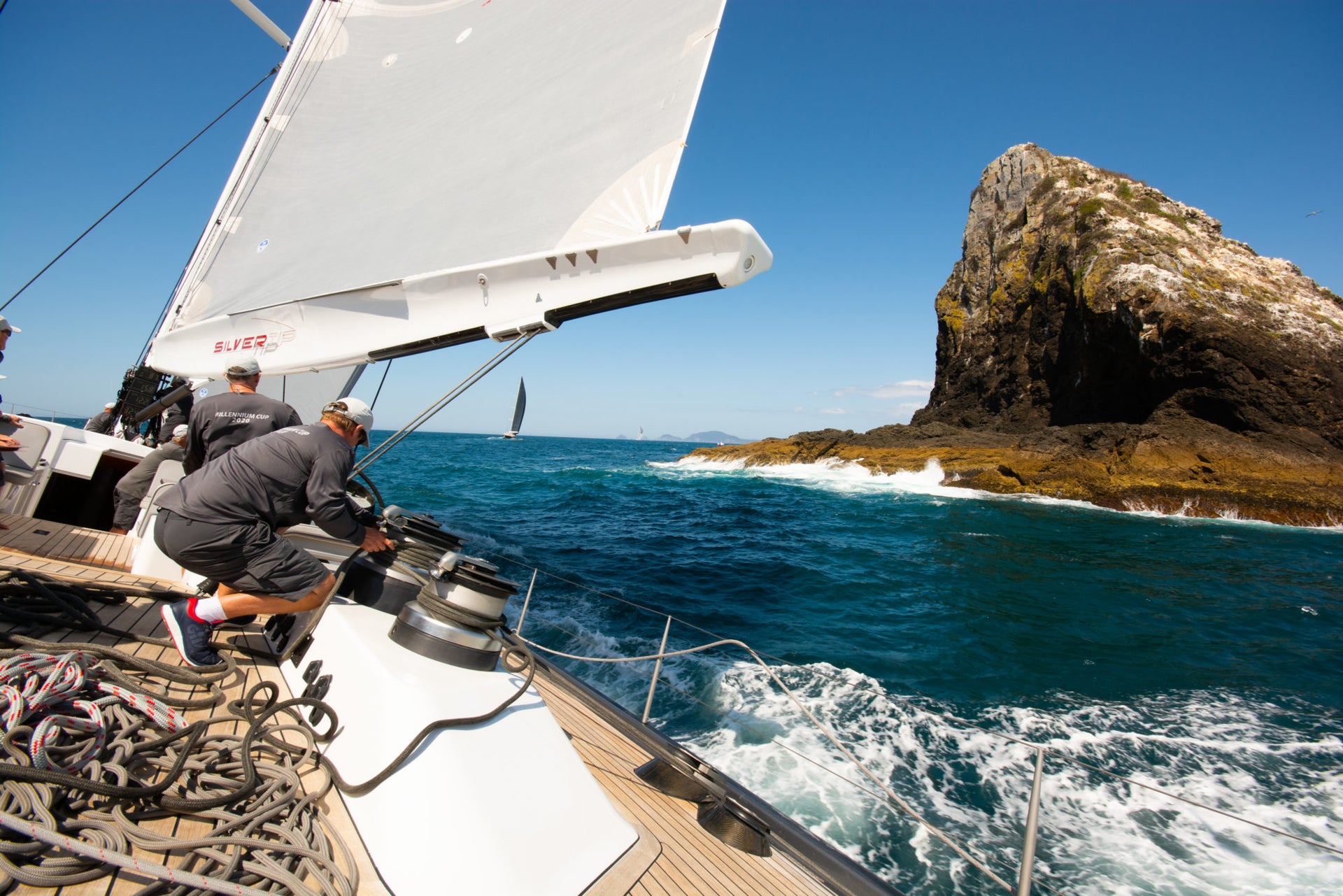
2020 MILLENIUM CUP
2020 MILLENIUM CUP
Clients Dominate in Numbers
The 2020 Millenium Cup had an outstanding showing of North clients. Client entries included Sassafras, 34.2 m Royal Huisman-built sloop. Silvertip, which was built in New Zealand by Yachting Developments, 54.6m classic-lined Adele, new entry Kawil, designed by Sparkman & Stephens, and the 40m Janice of Wyoming, which has competed in almost every Millennium Cup event since the inaugural regatta in 2000.
The 34.1 m Kawil dominated the results on corrected time, winning four of the five races, but Wills says the regatta is about more than just competition. The social side of the event also makes it one of the most enjoyable of the calendar, with the casual, holiday atmosphere of Russell and opportunities for owners and crews to mingle, giving it a point of difference to overseas regattas. Another popular event is the Tawera rum-barrel challenge, where yacht crews have the chance to race each other in rowing skiffs off the beach.
“It’s more of a shorts-and-sandals type thing, rather than long pants and collars,” Wills says. “The owners seem to really enjoy the atmosphere and the Kiwi hospitality.” The 2020 regatta was sailed in prime Bay of Islands conditions, with bright sunshine, warm temperatures, and daily afternoon sea breezes. With the natural beauty of the bay and the islands themselves, the scene was complete with regular sightings of dolphins and other sea life.
“There was some really great close racing, too. Although the boats start on a staggered grid, a few minutes apart, on the racecourse, they were quite often close together,” Wills says. “The owners particularly enjoy that aspect of the racing.”
All five entries this year were carrying a North Sails inventory, and representatives from the company sailed on each of the boats, including international guests Kimo Worthington and Mike Toppa. North Sails local experts also raced, including Andrew Wills and Matt Smeaton, superyacht project manager for the Pacific aboard Sassafras. America’s Cup and big-boat legend Tom Dodson, who works with superyacht clients around the world from his New Zealand base raced with Silvertip.
“The regatta is important to North Sails because so many of major clients are taking part,” Wills says. “It’s an opportunity for us to sail with them, talk to them about their needs and make sure they are getting the best possible service.” Sassafrass was also sporting a new set of 3Di OCEAN sails for the regatta.
“It gave the boat a whole new look, with the black sails,” says Smeaton. “OCEAN has been developed not for grand-prix racing but specifically for superyachts, but being able to make the sails in black can give quite a race look.”
The new main, genoa and staysail, plus a new gennaker, were all designed by America’s Cup expert and North Sails designer Burns Fallow and finished at North Sails’ Auckland loft.
“This regatta was the first time the new sails were used in a high-profile regatta, and we noticed an improvement in the boat’s performance,” Smeaton says. “Our speed was above polars from the year before on all points of sail.”
Smeaton says North 3Di sails are becoming the industry standard for superyachts, respected for their durability and reliability. OCEAN has the highest Ultra PE fibre content of any 3Di product, reducing bulk, weight, and stiffness while retaining ultimate breaking strength.
“It’s a big purchase, so owners want to be sure they’re getting it right,” he says. “We and the other companies in the North Technology Group, such as Southern Spars and Future Fibres, have spent a lot of time in development to make sure we can deliver the best possible rig and sails package.”
To support customers at the regatta, North Sails was able to use its Opua loft to perform quick repairs between race days and sent up its Auckland-based crane-truck to help move the large sails around.
“We were able to get sails into the loft within an hour. One of the owners commented to me how impressed he was by how quickly we could get them off the boat and to the loft to get fixed,” Wills says.
Next year’s Millennium Cup superyacht racing event in the Bay of Islands is going to be a showstopper, judging from the 2020 event, held in late January. While just five yachts took to the racecourse this year, more than five times as many are expected to grace Northland waters before the 2021 America’s Cup. North Sails New Zealand Sail Expert Andrew Wills says next year’s regatta will be both longer and held slightly later in the season, and will include the J Class classic yachts also coming to New Zealand for the America’s Cup.
“They’re talking about 25 superyachts for next year, maybe more, plus the J Class fleet,” he says. “We’re a long way down the line with planning now we have an idea of how huge it’s going to be. For anyone who is around in the Bay in February next year, it’s certainly going to be a must-see.”
READ MORE
READ MORE