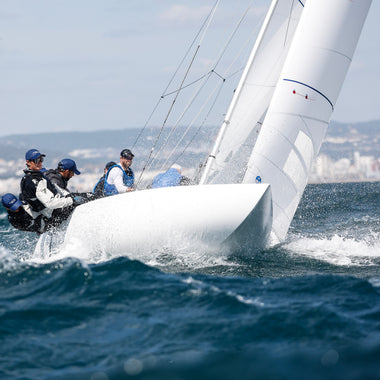
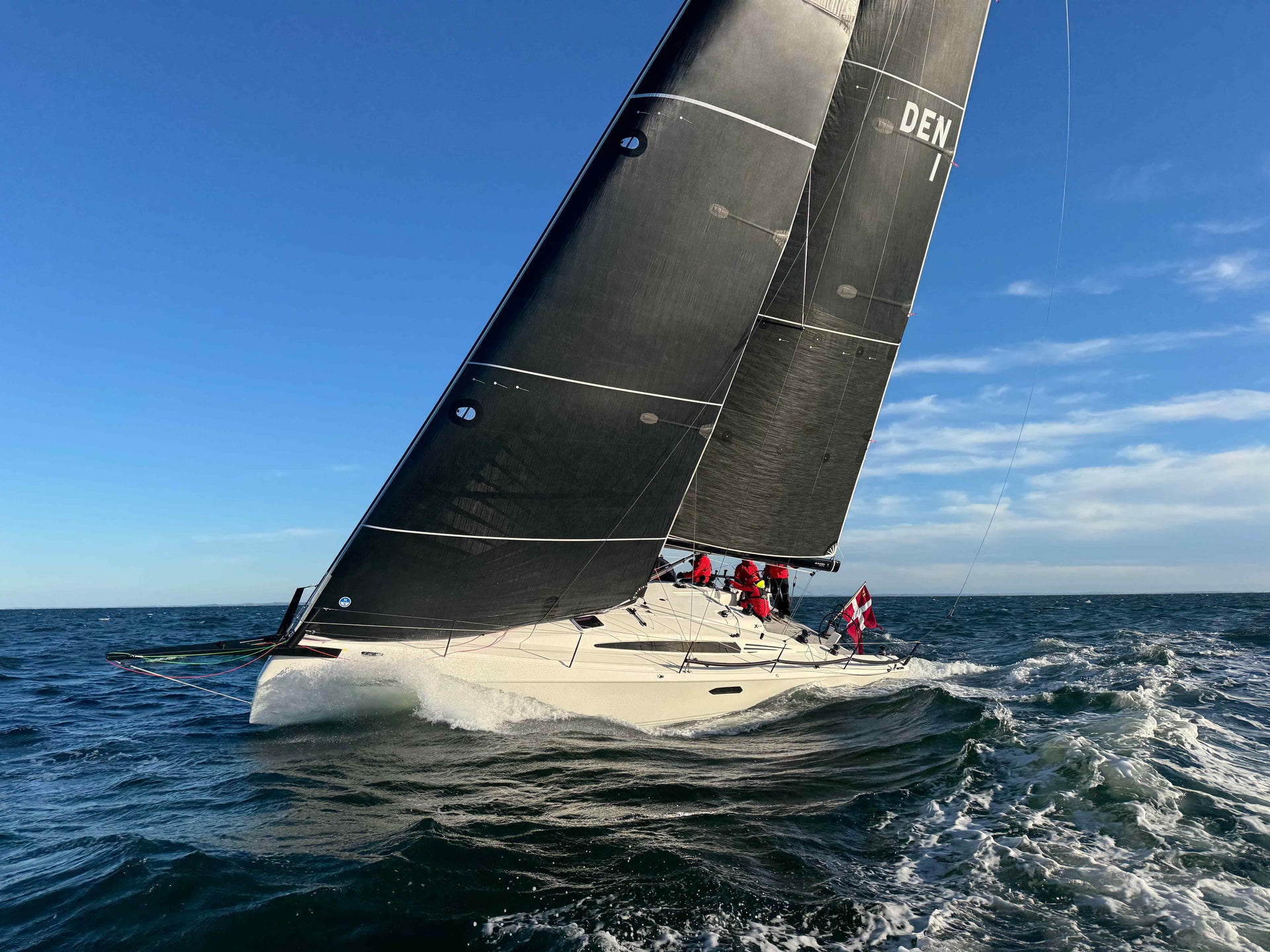
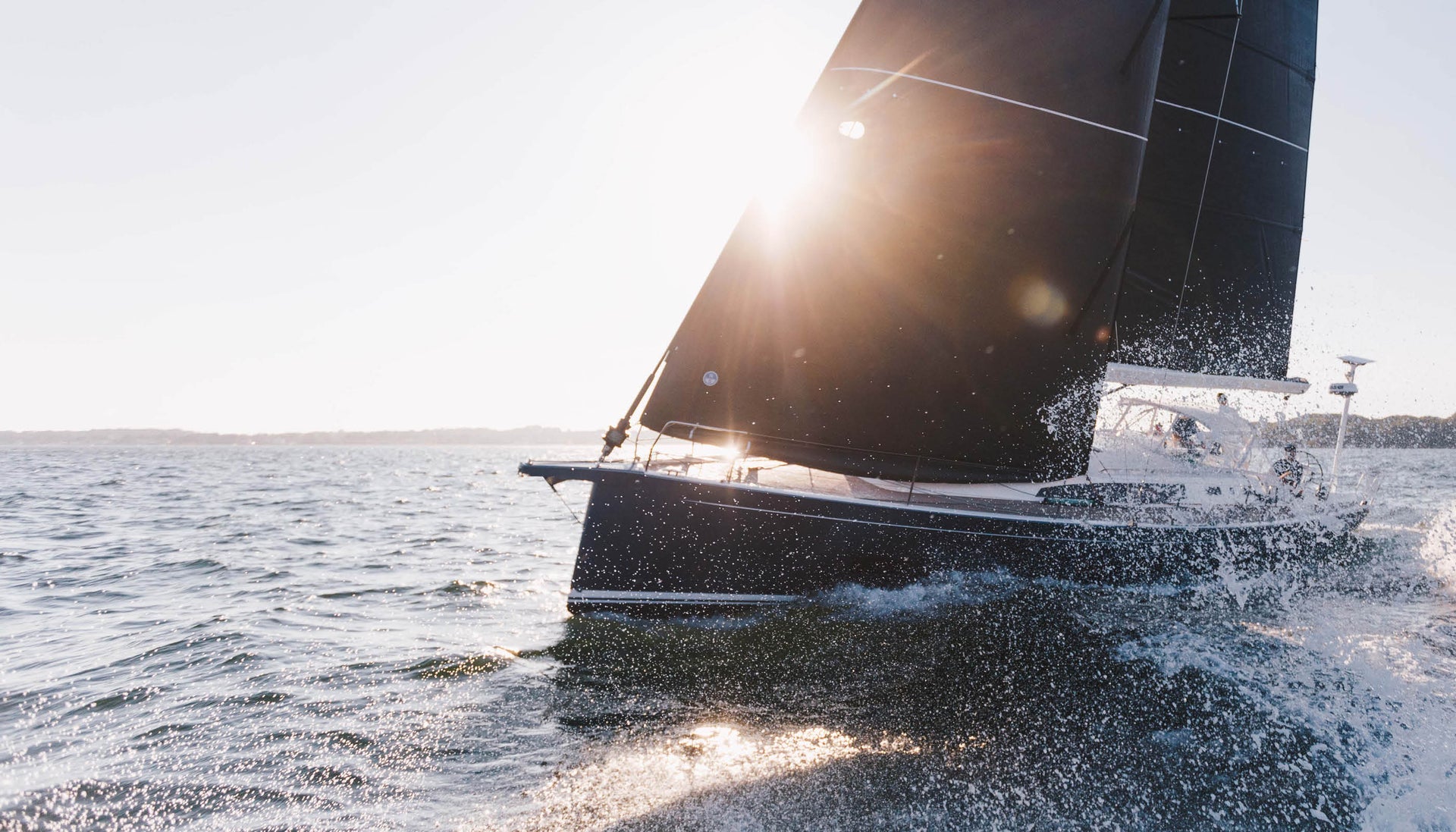
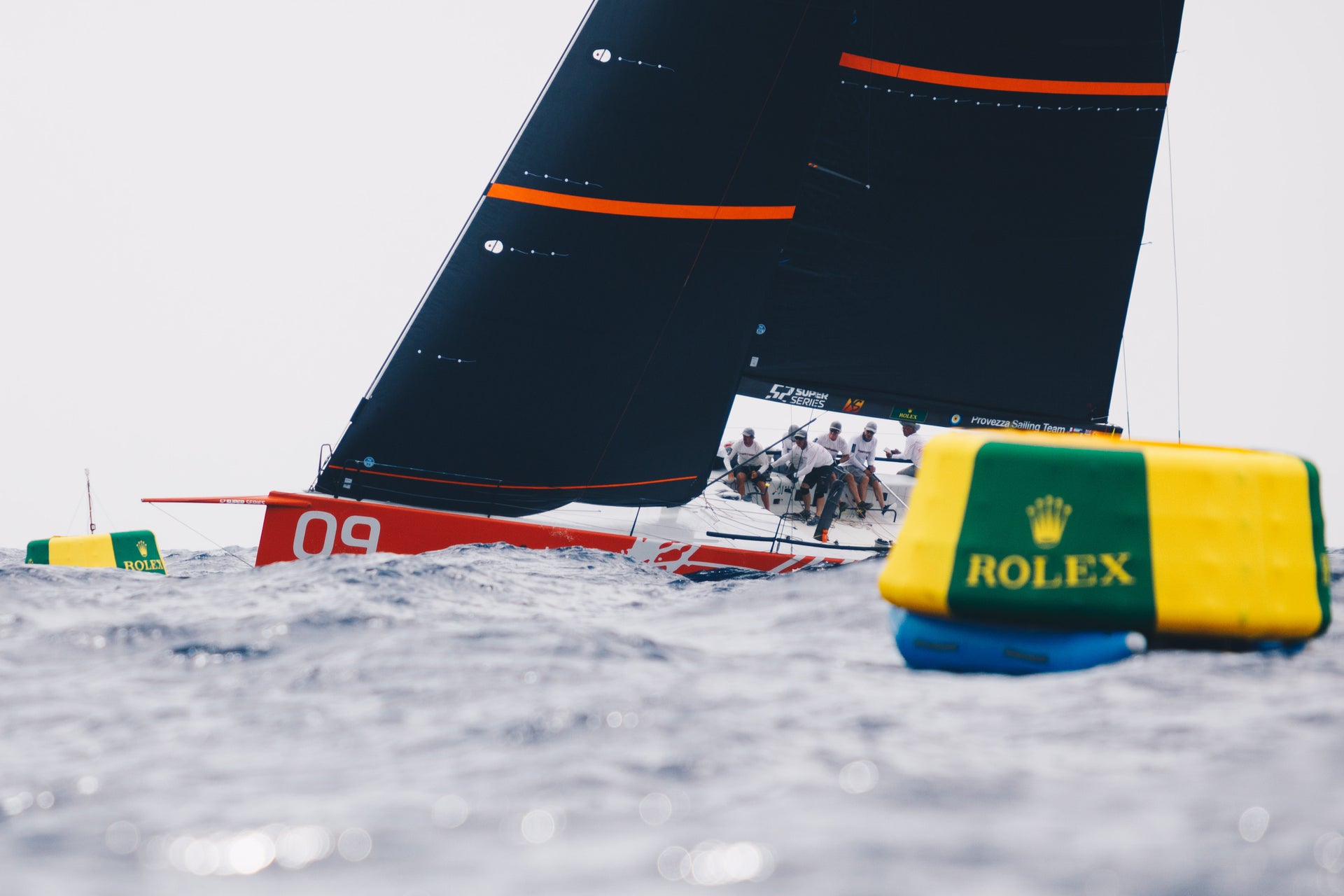
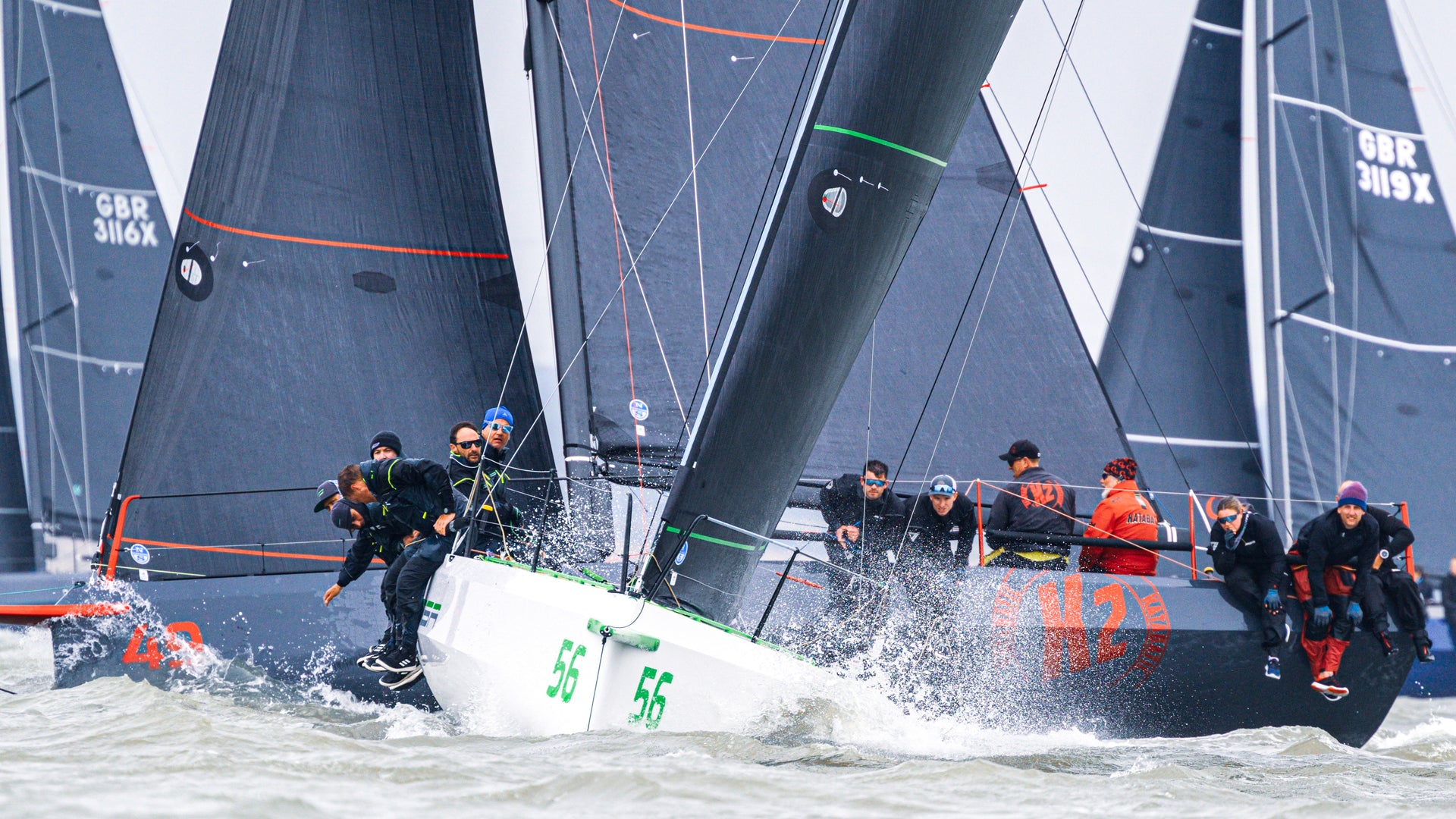
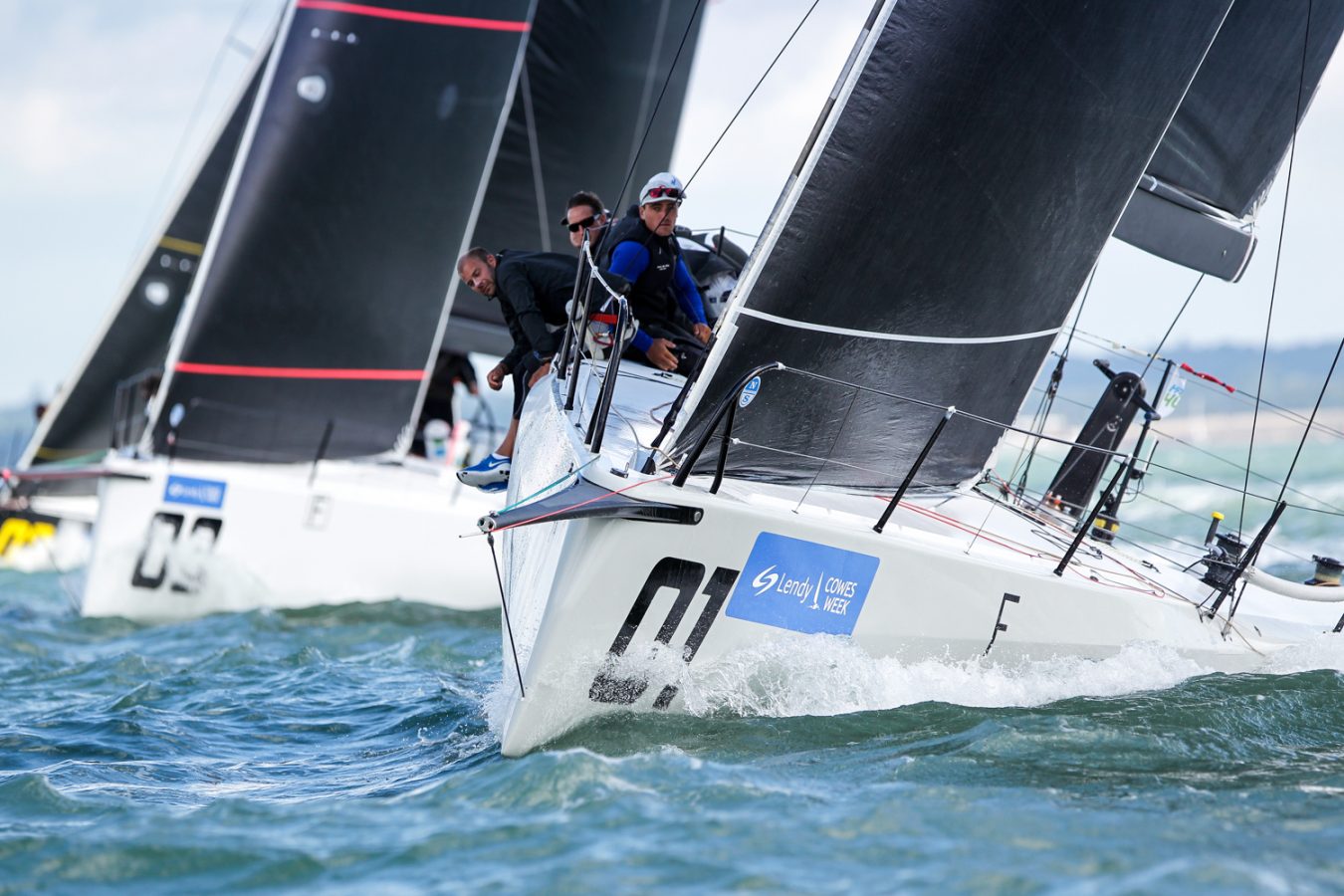
Officially launched in January 2025, the latest boat from X-Yachts has had an extraordinary year. Skippered by Jesper Radich – with many up-and-coming Danish crew onboard – the North-powered, XR 41 Formula X had a stellar season.
READ MORE
North Sails, the global leader in sailmaking, announces the launch of 3Di ENDURANCE EDGE, a new addition to the 3Di ENDURANCE family. Explicitly designed for crossover sailors and small to midsize boats, ENDURANCE EDGE delivers power on the racecourse and raises the standard for crossover sailing.
READ MORE
AEROTECH is a new line of woven downwind sailcloth developed for and exclusively sold by North Sails. It reflects our latest thinking in downwind woven fabrics for spinnakers.
READ MORE
North Sails introduces Aerotech, a groundbreaking advancement in sailcloth, leveraging cutting-edge innovations from ultralight gliders, sport parachutes, and wind-driven sports like foiling kites and wings.
READ MORE
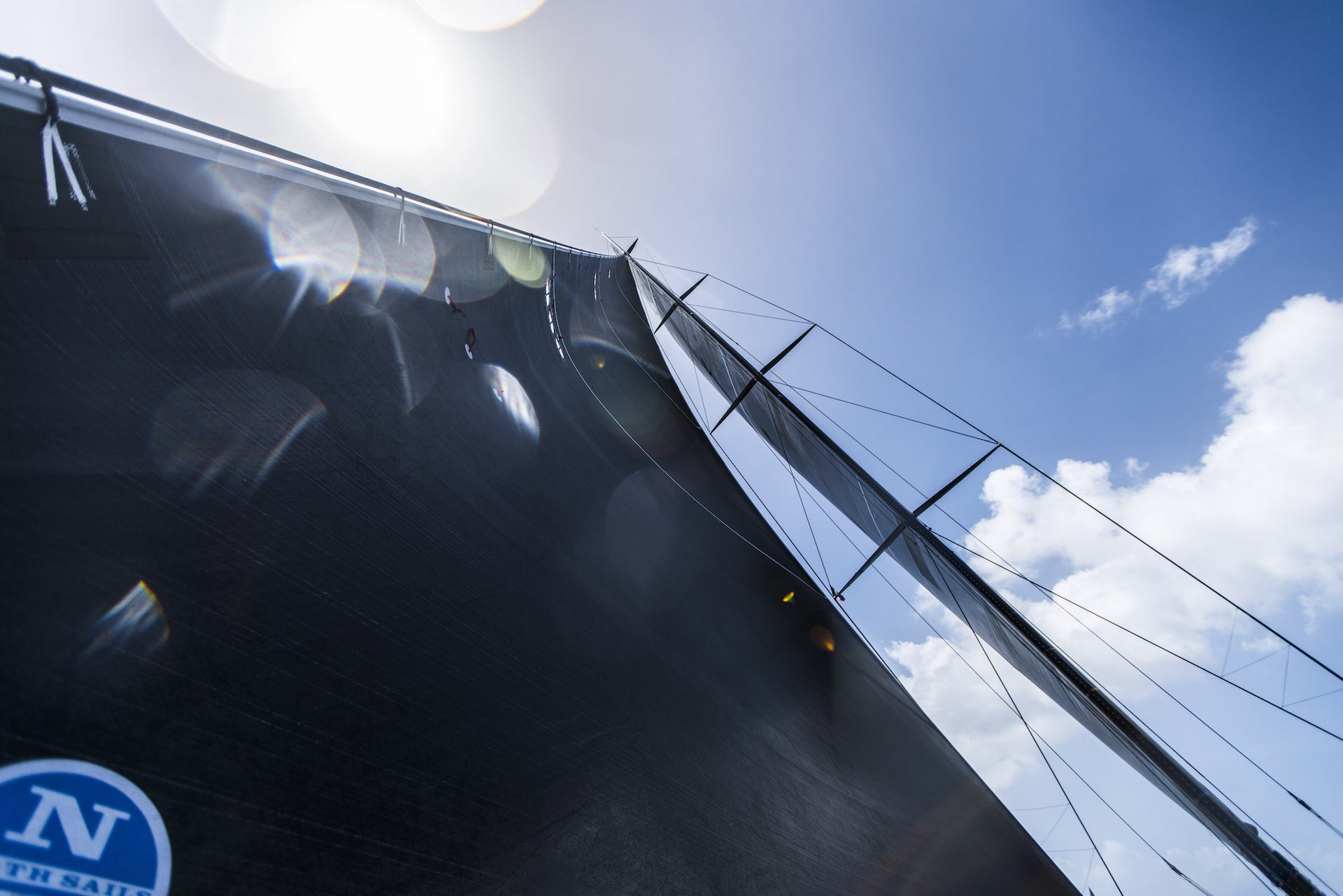
North 3Di is a sailmaking revolution because it produces sails that are both high-performance and reliable. With 3Di technology, the best performance no longer comes at the expense of longevity.
READ MORE
Zero-Mylar construction, spread filaments vs. fibers, thermoset what? The North Sails answers to questions commonly asked about 3Di sail technology. Learn why 3Di is unlike any other.
READ MORE
You've likely heard North 3Di sails are the best, the fastest, the most durable, and the must-have sail technology. But what makes 3Di sails so unique? Join us as we uncover the reasons.
READ MORE
Available for cruising boats up to 45 ft, NPL RENEW is the start of a new and important shift for sailmaking towards a more sustainable sail that does not sacrifice performance or longevity. Learn more about NPL RENEW with our FAQs from NPL RENEW Product Director Tom Davis.
READ MORE
North Sails RENEW, a North Panel Laminate (NPL) sailcloth for cruising boats up to 45 ft. is constructed from more than 90% sustainable sources, with no sacrifice in performance or longevity.
READ MORE
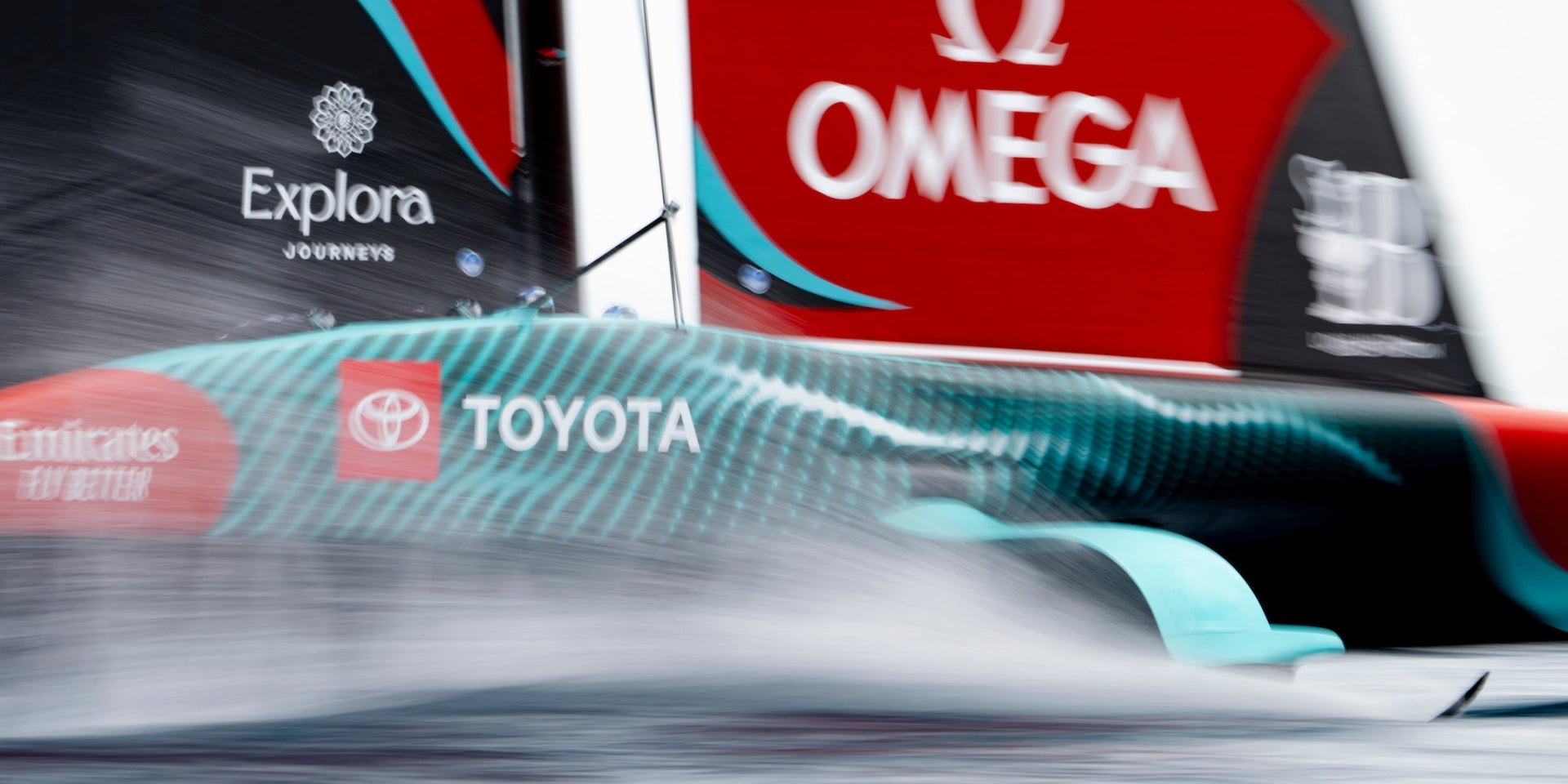
This article was originally written as a Seahorse Tech Brief sponsored by North Sails. At first no-one believed the AC75 concept could ever possibly work. Barely three years later and the smaller AC40 offspring of those as-it-turned-out spectacularly successful AC75s are available to all (well sort of...).
READ MORE
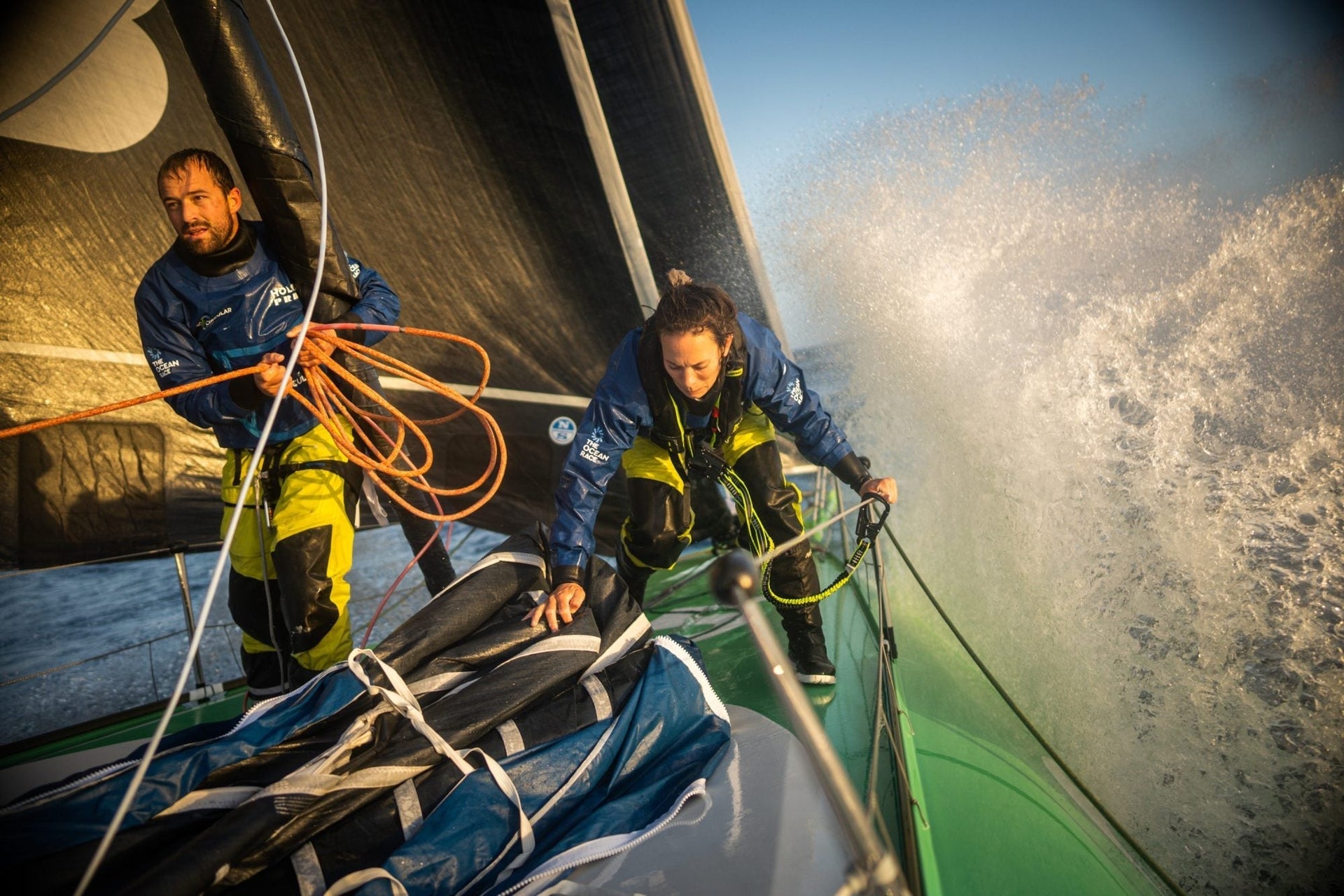
The unique sail requirements for Southern Ocean racing. At North Sails, our focus is on the performance of the sails that power this journey.
READ MORE
It’s a competitive edge that keeps North Sails, and our clients in a class above the rest. The concept is founded on advanced mathematical modeling and powered by data.
READ MORE
North 3Di is an indispensable building block of championship projects. JB Braun and the senior North sail designers team up to explain how they deliver custom solutions using 3Di technology.
READ MORE
North 3Di has made some of the most prestigious wins in sailing possible. Why? Well, North 3Di is a sailmaking revolution that produces sails that are both high-performance and reliable.
READ MORE
You can imagine the future or you can be a part of it. We choose to be a part of it– and lead it. When he started North Sails, Lowell North’s philosophy was simple…get the best people and commit yourself to to the best product.
READ MORE
In episode three we get technical again and aim to answer a burning question: what is the “Engine Above Deck”? You might think it’s a pretty straight forward answer (no, there’s no literal engine). And, at first it kind of is, but once you dive into it, it’s actually quite complex. Press play to learn all there is to know.
READ MORE
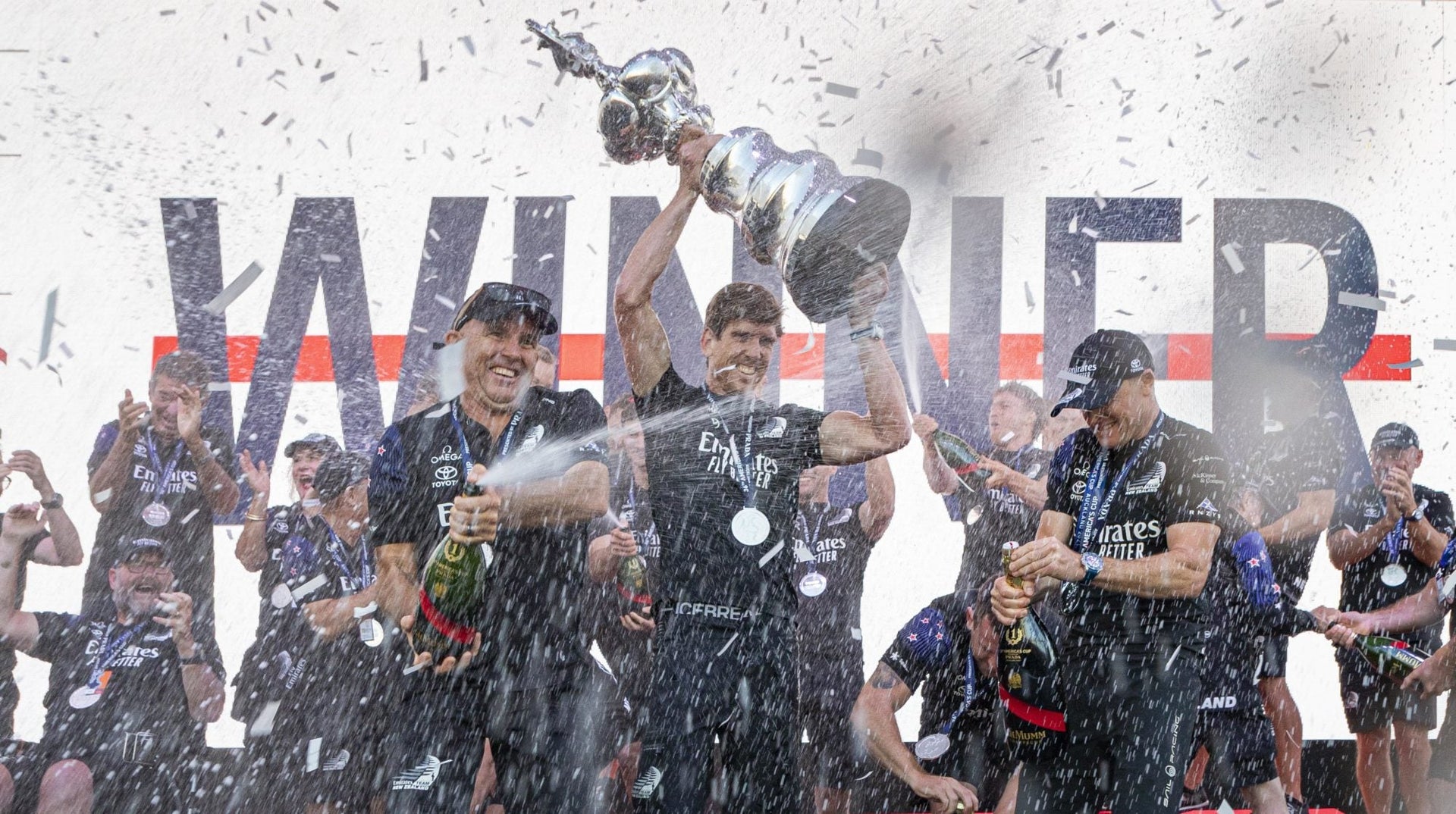
The fastest boat consistently wins the America’s Cup, and we’ve consistently kept the secrets and built the sails that give teams the confidence boost of superior boat speed.
READ MORE
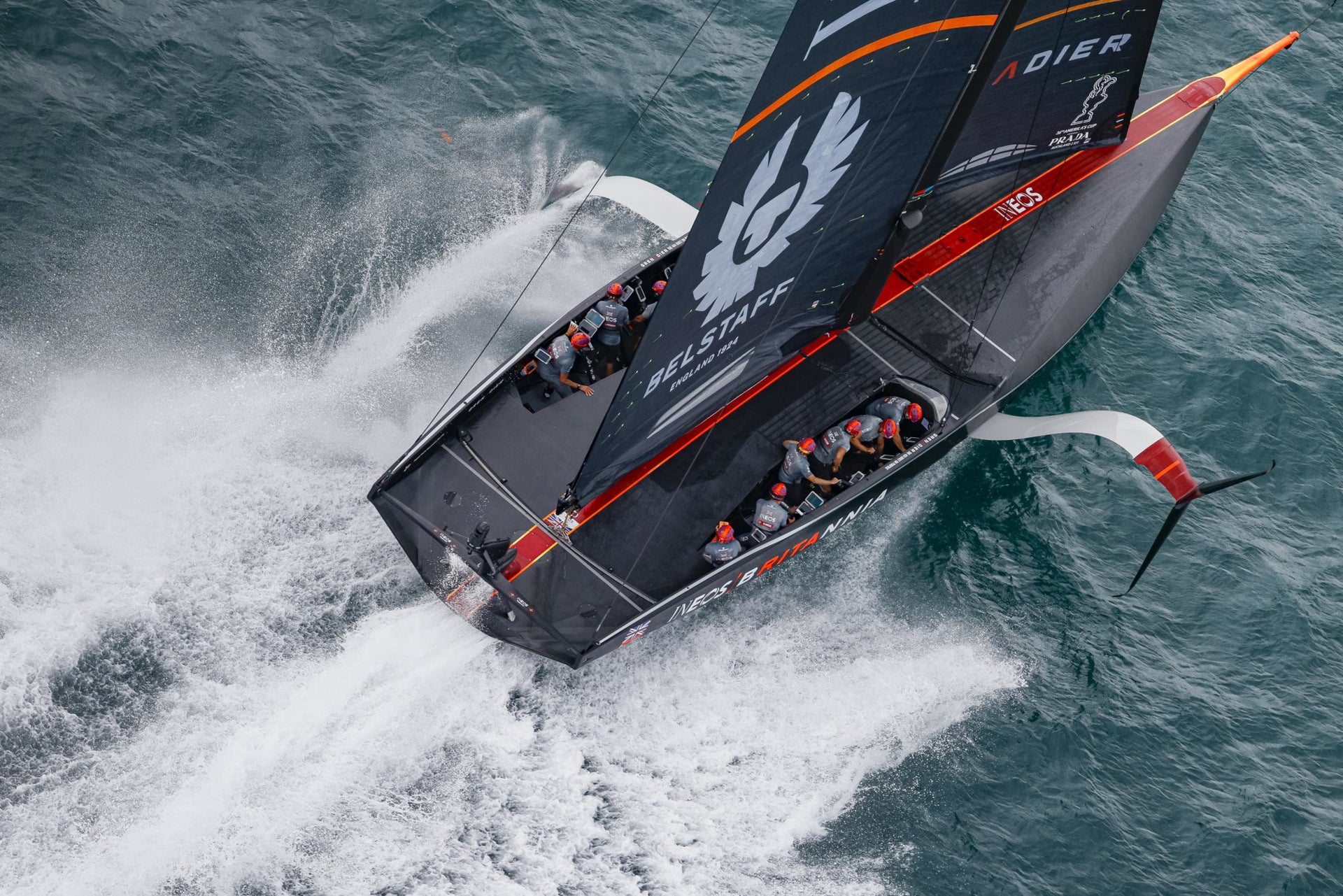
It’s been six days of the 36th America’s Cup. We’ve cheered, we’ve gasped, we’ve sighed. The light winds of the Hauraki Gulf provided us with some incredibly tight racing and plenty of material for a technical chat with North Sails and INEOS TEAM UK sail designer Gautier Sergent.
READ MORE
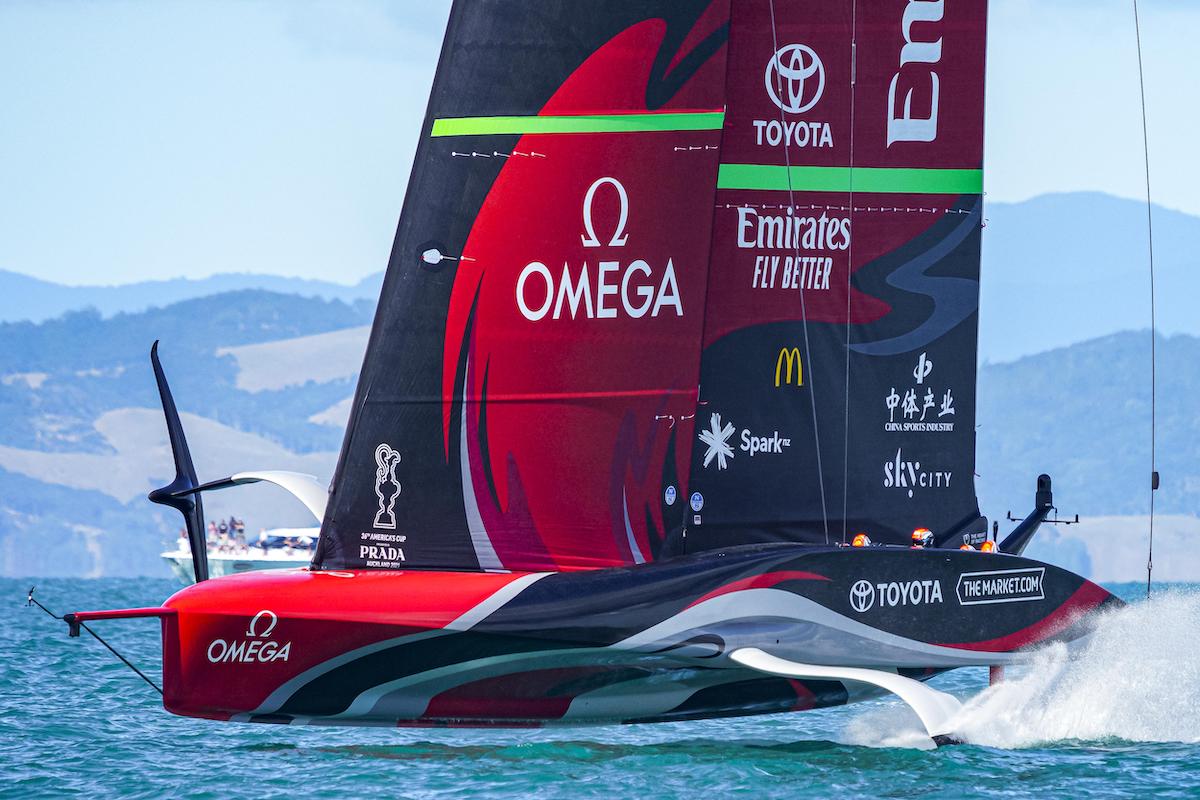
The twin-skin mainsail, which has hit superstardom thanks to the AC75, is a surprising rediscovery of a patent developed by LF Herreshoff in 1927; LF Herreshoff was the son of Nathanael Herreshoff and, despite the famous father, his designs never won an America’s Cup.
READ MORE
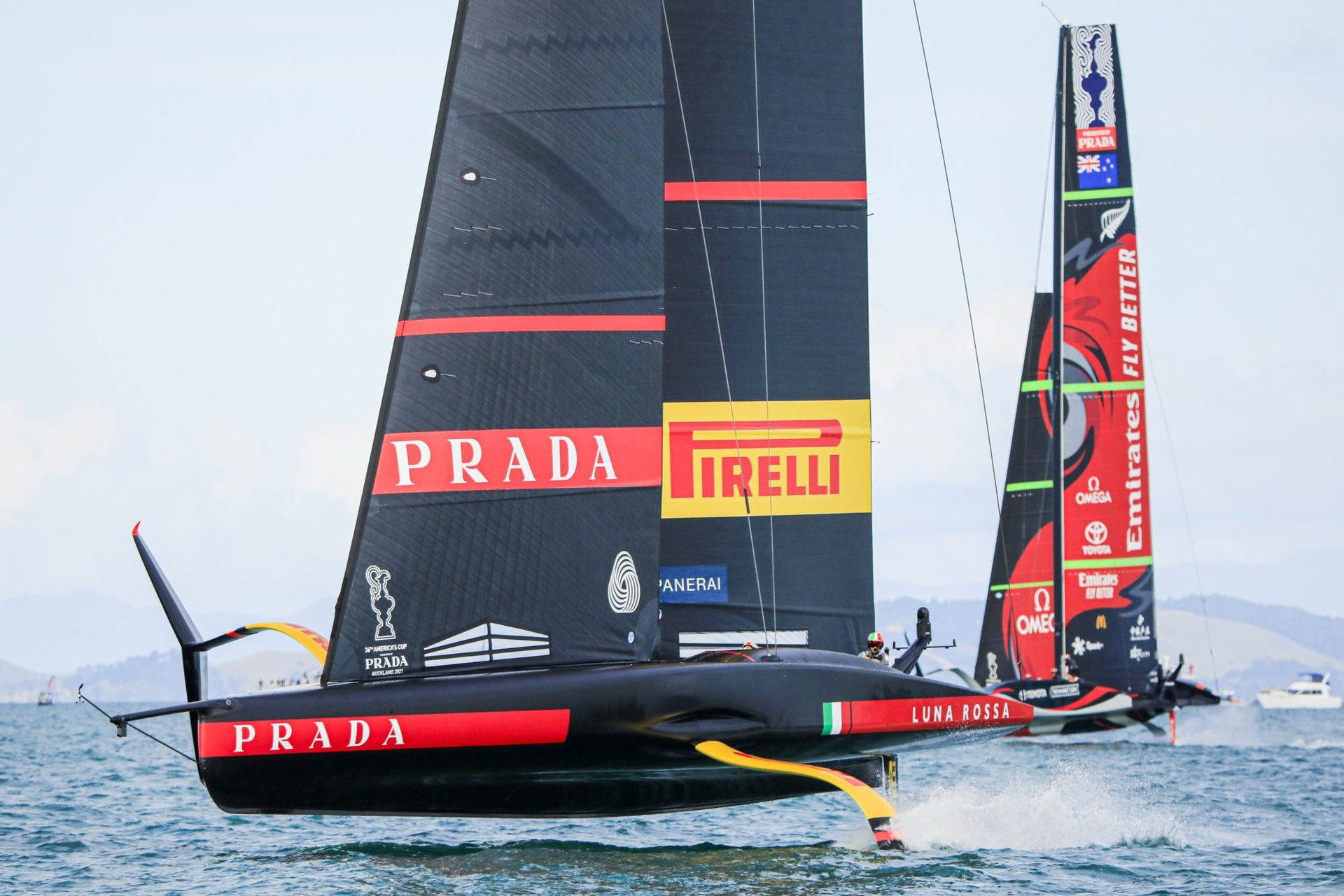
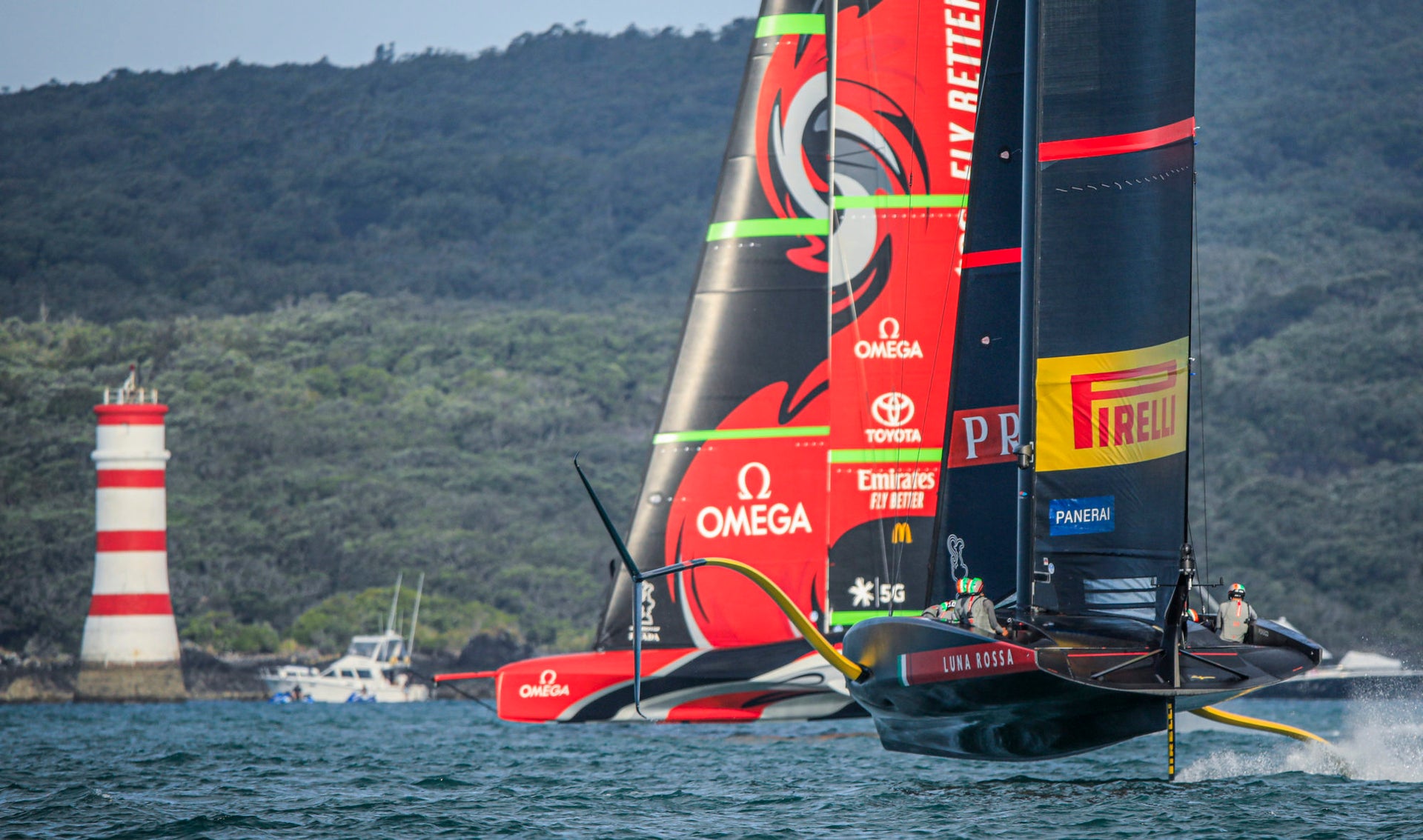
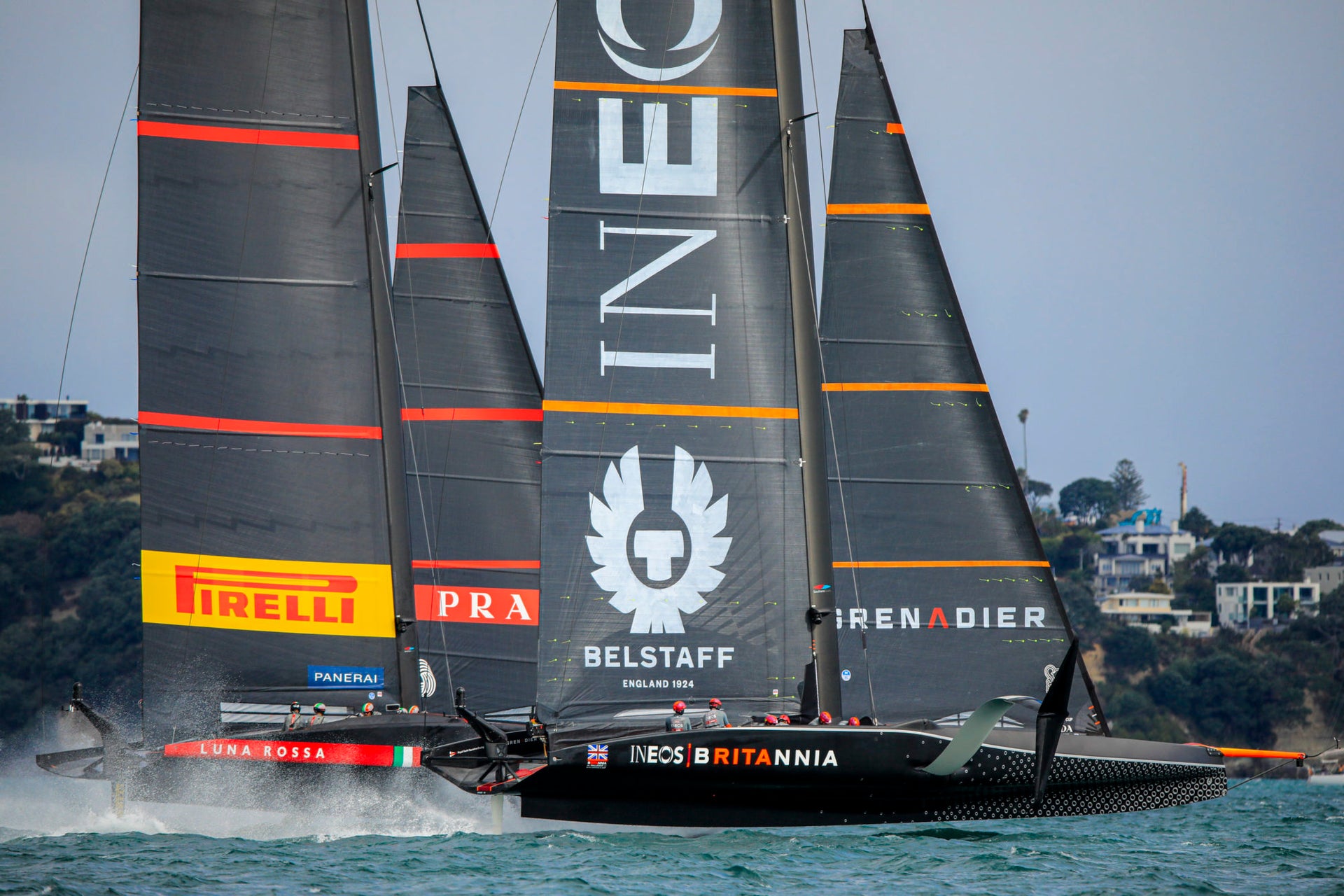
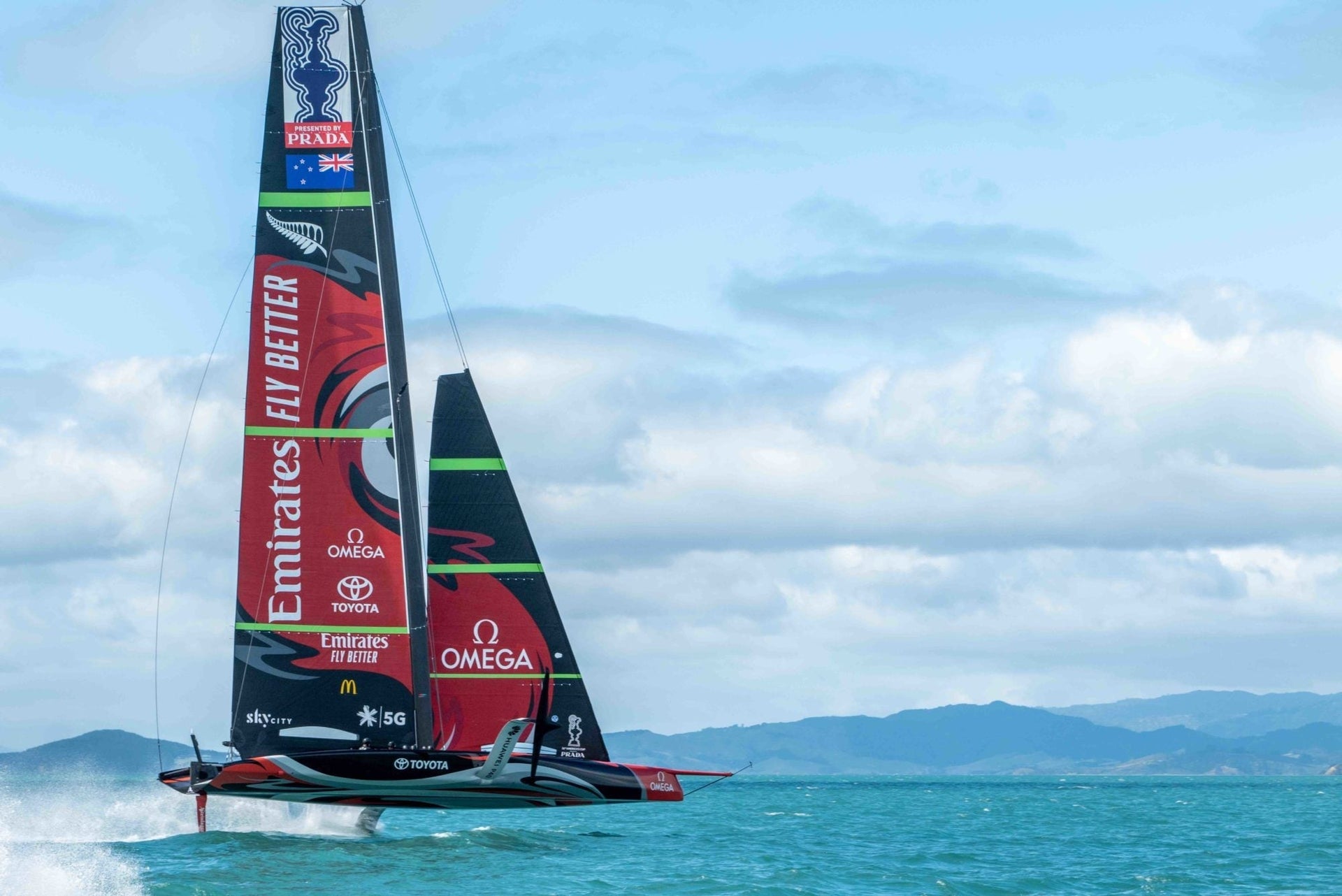
We don’t yet know which of three teams (Luna Rossa Prada Pirelli, Ineos Team UK, and Emirates Team New Zealand) are going to win the 36th America’s Cup, but it’s easy to predict the winning sailmaker: North Sails.
READ MORE
Upon finishing the phenomenal PRADA Cup Round Robin Day 4, packed with lead changes between INEOS Team UK and Luna Rossa PRADA Pirelli, Sir Ben Ainslie described an issue on the boat: Britannia’s Cunningham hydraulic ram failed to work for the entire race.
READ MORE
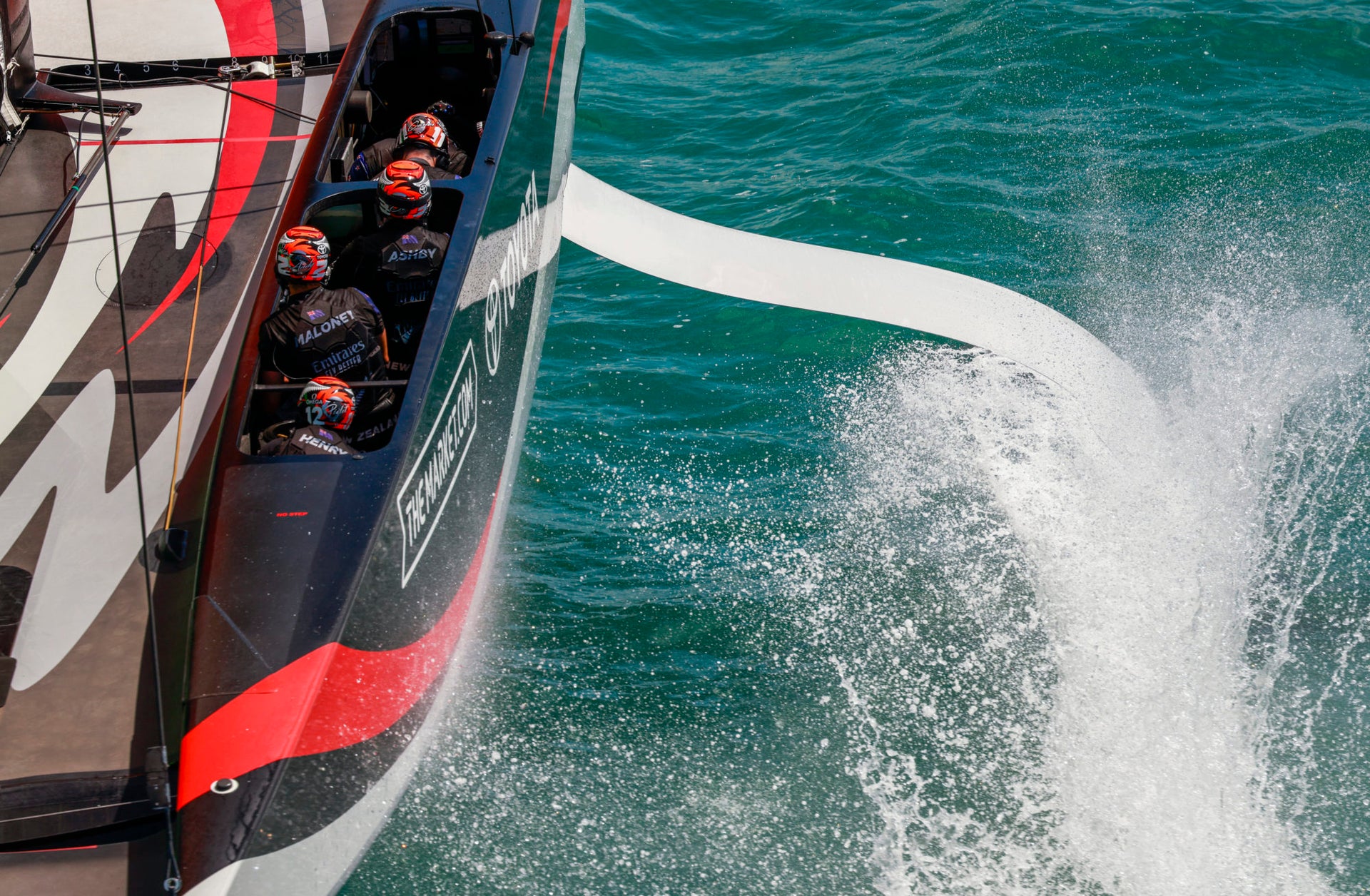
We caught up with Emirates Team New Zealand embedded sail designer Burns Fallow to learn more about the twin skin mainsail; a concept decided on before they had finalized the AC75 hull design.
READ MORE
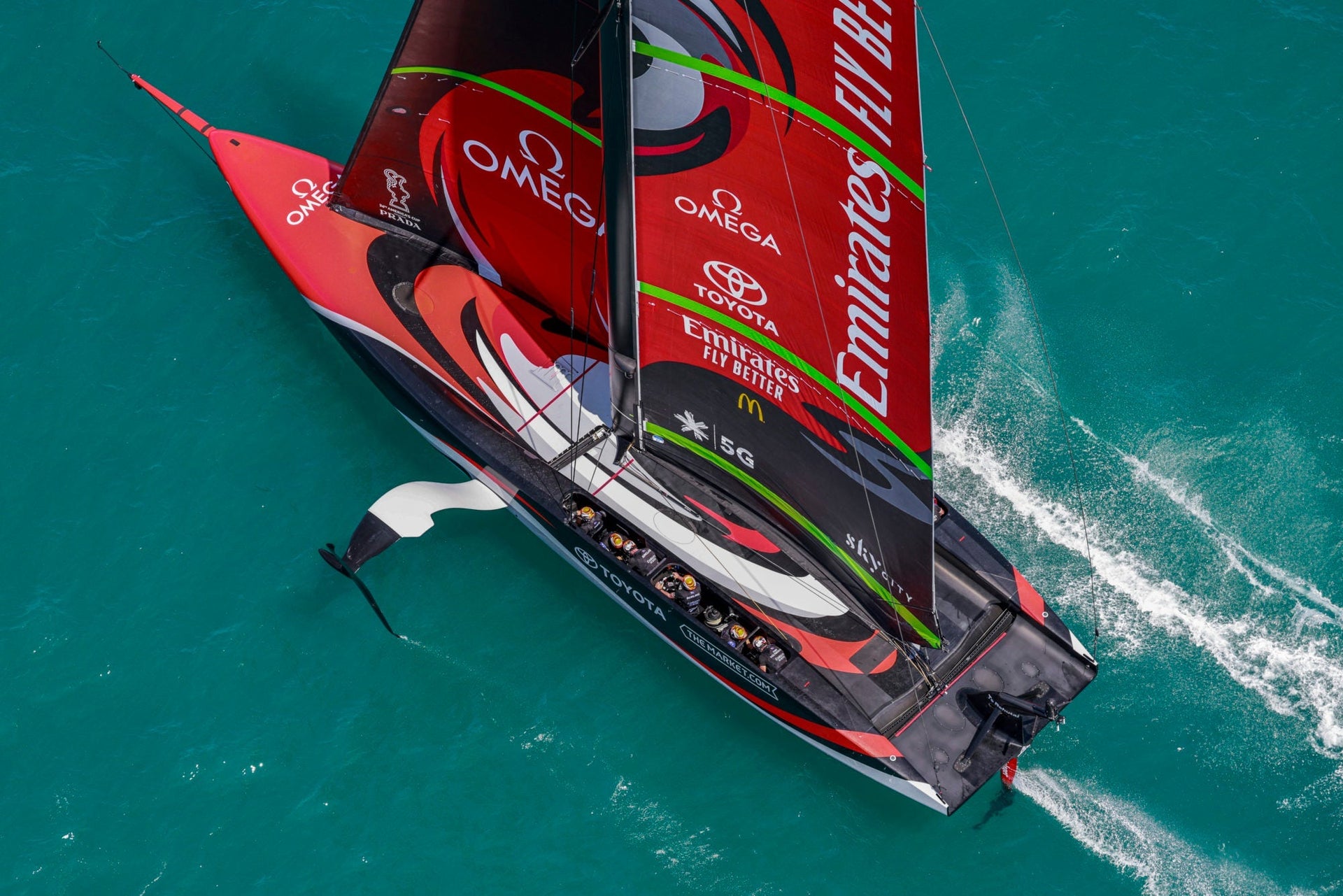
Welcome to “What is…” a series where we aim to answer complex questions around the 36th edition of the America’s Cup. In Episode 1 we answer the question on everyone’s mind—what is foiling and how does it work?
READ MORE
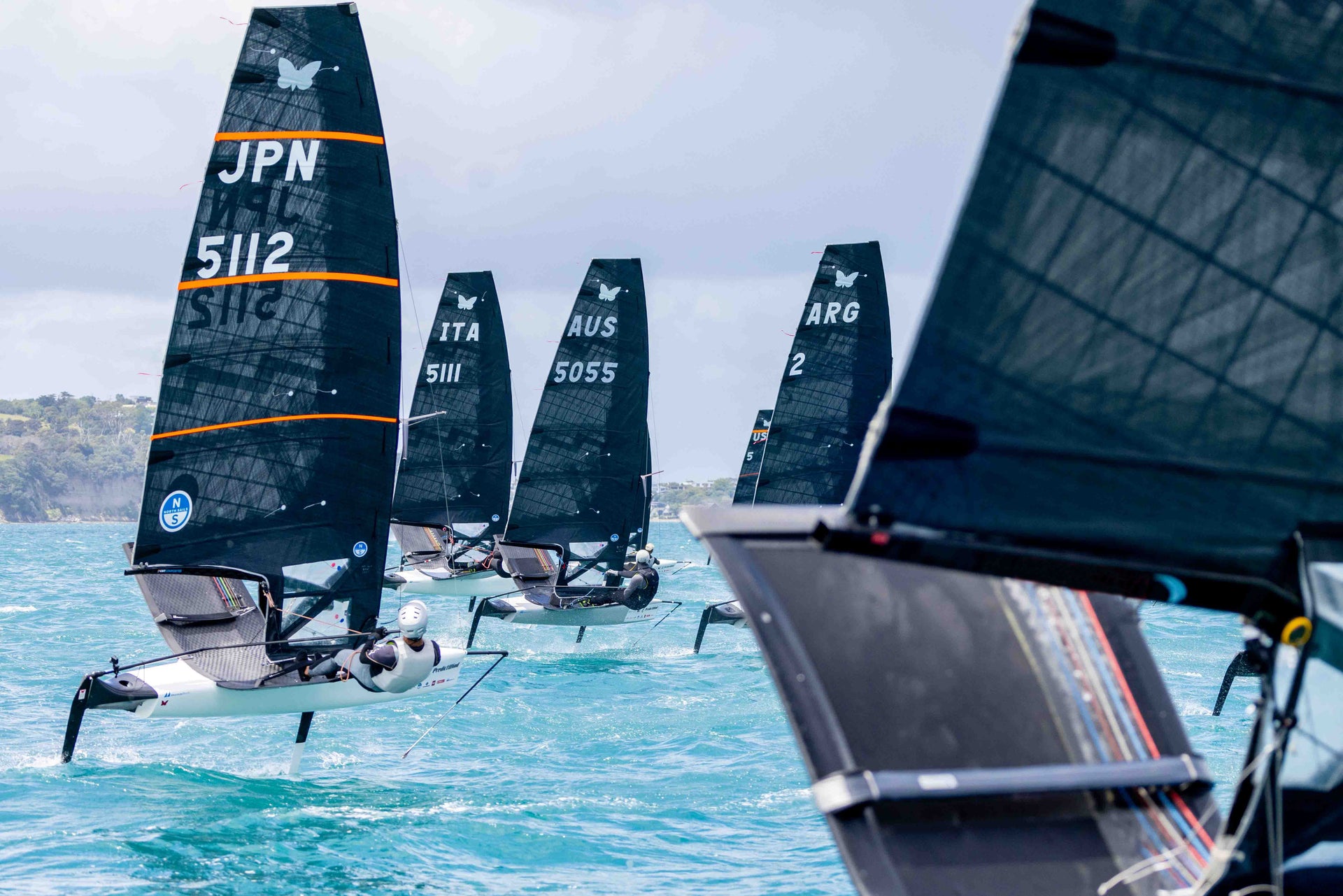
Many of today’s flying creations are conceptualized as pure foiling boats, which means they don’t have restrictions that impede the designer’s vision of the best way to foil. The evolution is dramatic, as with things like foiling kiteboards, Moths, and even the revamped AC50’s (now called F50’s) used in the SailGP circuit.
READ MORE
The North Atlantic has never been a cake-walk for ocean racers, who historically encounter everything from 40-knot winds and high seas to the occasional floating container in the Bay of Biscay.
READ MORE
NORTH SAILS 3Di
“As a management team, we had to decide if we wanted to invest in the technology or not. The bet was about a 20 million dollar bet,” said North Sails CEO, Dan Neri, reflecting back on North’s decision to purchase an idea that eventually led to today’s most advanced sailmaking product: North Sails 3Di. Dan worked alongside lead sail designer, JB Braun, and many others among the North team to turn an idea into a game-changing sail technology. Feedback from clients and professional sailors is key to the development cycle. In this video we also hear from Cameron Appleton, who speaks from experience using 3Di sails on a variety of racing circles – from small boat one design to superyachts.
READ MORE
ENGINE ABOVE DECK
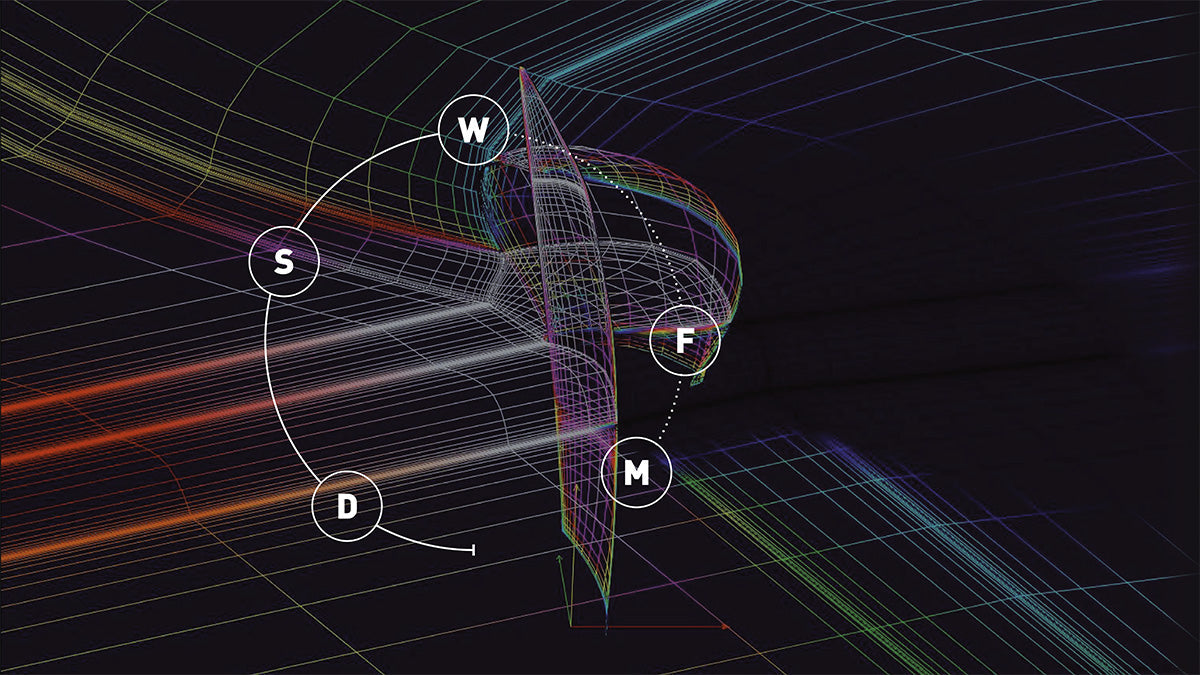
In 1997, North Sails designers and software engineers were given a mandate: to create a package that could model the forces of sailing, specifically those above the deck. What ensued was the process of synchronizing the capabilities of North Design Suite software, allowing a sail designer to link the design of a sail to that of a rig, and measure how they affect the performance of the boat.
READ MORE
North Sails Design Suite Software Expands with Flow™ and Membrain™
Among the tools most commonly used by North Sails designers are the Membrain and Flow modules, which apply wind pressure to a sail’s surface and calculate the load forces created. Designers pressurize their sail shapes virtually to discover what their flying shape will be in the intended range. Flow and Membrain work in tandem with the sail shape moving back and forth between them. Designers first analyze the structure in Membrain and continue by applying pressure to see how the shape deforms when pressure is applied in Flow. They continue this feedback “loop” of testing and correcting until they are happy with both the sails’ structural integrity and flying shape.
Take a shallow dive into the technical and often intriguing world of Membrain and Flow with the screen captures below. Begin to understand the many ways design horsepower keeps North Sails at the forefront of sailing technology.
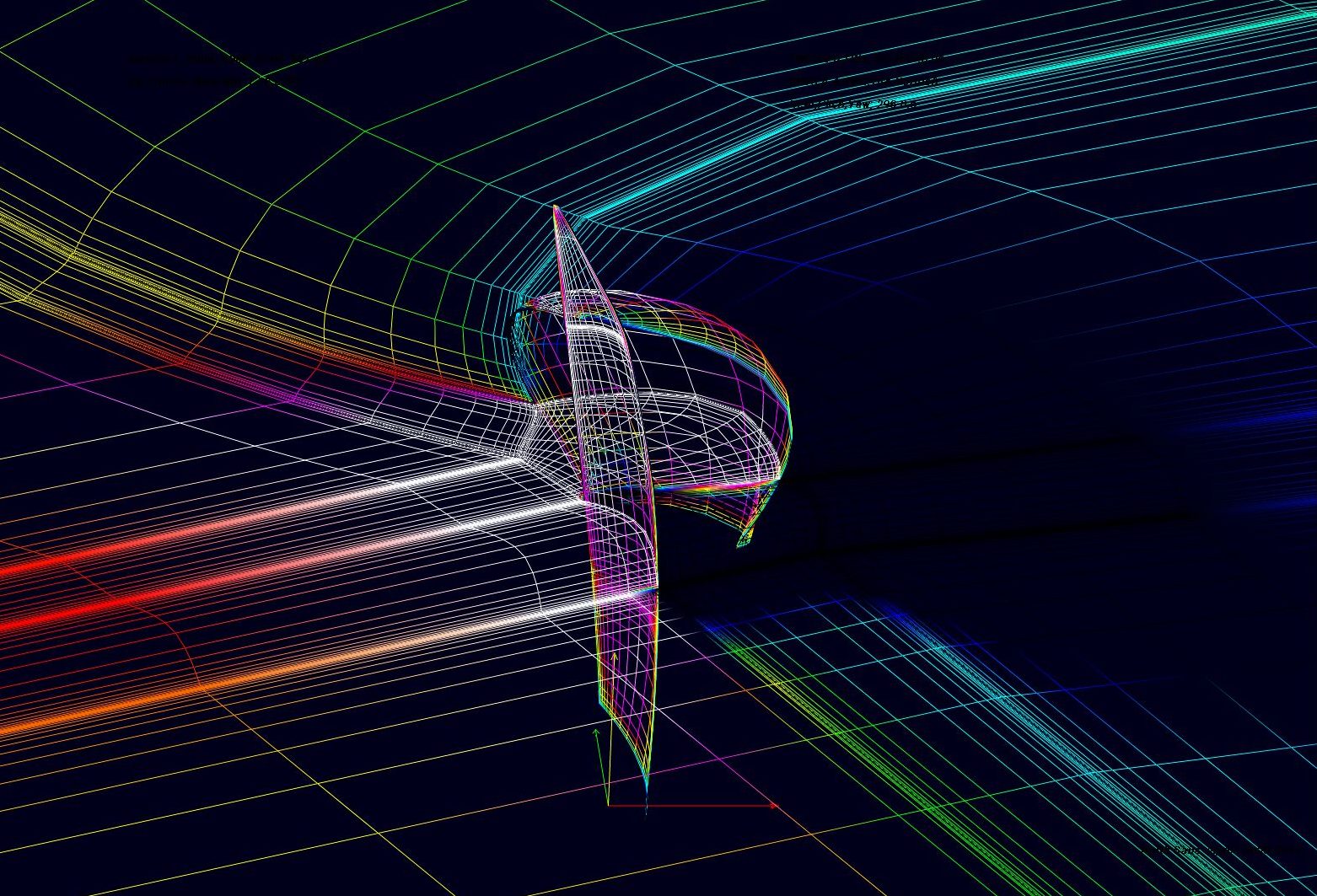
This image illustrating “Tip Vortex” was captured in North Design Suite Flow. When wind passes over a sail, the flow is disturbed more at the foot and the head of the sail, where it gets sucked from the high pressure side to the low pressure side, initiating the “vortex” which expands downstream. Flow Panel Code was introduced in 1984 and is still in use for upwind sails today. While this early version of Flow is less accurate than OpenFoam RANS, it is much quicker. Designers can run this type of analysis instantly, whereas RANS takes hours.
At left: This image of a Dubois 58 sail model was captured in MemBrain and demonstrates “Major Strain” or the amount of stretch occuring under applied pressure. The green areas signify the most amount of stretch in the sail (.0857%), whereas the deepest blue signifies no stretch. The small white lines represent the direction of the strain. At right: This capture shows a slightly different view within MemBrain, of strain analyzed per 3Di tape, measured in the direction of the tape. In this view, designers look at which tapes could potentially be removed (those deep, deep blue), and which will need additional reinforcement (red). They do this by adjusting the density of the tapes in those areas.
This Membrain capture shows the effect of pressure calculated in Flow (left image) and OpenFoam RANS (right image). Specifically, it shows the pressure distribution between the different sails on the rig, which all work together as a double slotted foil. Green and blue indicate high areas of pressure.
This image from Flow shows the close interaction between the headsail, mizzen and mainsail on a classic boat. The tip vortices merge and roll-up together in the downstream, illustrating the amount of induced drag.
Captured in RANS, this image illustrates the partially separated flow over the gennaker. One concept North designers work with is attached vs detached flow – where attached flow indicates areas of lift, and detached flow indicates areas of primarily drag. In this image, red indicates the area of the sail with attached flow, followed by areas where the flow detaches from the sail, marked by the zone in yellow.
READ MORE
DIGITAL SAIL DESIGN
Lowell North diverged from the traditional, artistic approach to sailmaking by closing his eyes. Lowell listened to the numbers. Historically, sailmaking depended on the eye of the craftsman, who drew from experience and tradition to create beautiful sails in a classic shape and style. From the beginning, Lowell embraced a scientific approach to making sails, and North Sails has followed a path of increased development in sail design and production ever since. Remaining at the forefront of design is possibly the clearest example of how Lowell’s core values enabled his company to prosper well beyond his own tenure.
This photograph from the mid 1980s shows the strength of Lowell North’s design team. It was taken at one of his regular meetings, which he hosted to foster the exchange of ideas and experience. *Names at base of page.
It started with testing raw material properties. The early North Sails team in San Diego pushed innovation in sailmaking to new heights by contriving devices that would apply measurable wear and tear to cloth samples, eventually introducing controlled environments with wind tunnel testing and model sails. The process took a digital direction in 1977, when North transitioned from shaping broad seams on the floor to generating 2D curves with a computer. Working from North Sails in New Zealand, Tom Schnackenburg based the software on a library of designs selected by group consensus. For a given sail order, a designer would select a curve type from the library, and the software would generate the broad seams for every seam in the sail. The term “consensus” was an important item of discussion at every design meeting, because it would ensure the same sails could be produced at every North loft. At the same time, Tom pioneered 3D design software for sails (insiders call this the “Tin Sail Program,” due to the sail shape being fixed in space), which he used to derive the 2D broad seam curves.
Prior to the arrival of common computers, a designer would run both the 2D and 3D programs on a dial-up service to a main frame. Essentially, they were connecting via a phone line to a computer the size of a hotel room.
The first in-house computer arrived at the loft in San Diego in 1979. It was a Cromemco, presumably considered the Cadillac of desktop computers if only because of its size. Tom had just opened a loft in Auckland, and a fellow North programmer, Michael Richelsen, brought the computer to New Zealand as checked luggage. Tom started to port his 2D and 3D design software from the main frame to the Cromemco, which was running an early version of Microsoft DOS.
Lead programmer, Michael Richelsen, works on a Norputer (large box underneath the Xerox matrix printer), which was a self-assembled desktop. This photo was taken at the North Sails loft in Milford, CT, in 1983, prior to the last America’s Cup in Newport, RI.
It was in the early 1980s when Michael began focusing on the work that would eventually expand the North Design Software to what it is today. By 1987, Flow™ and Membrain™ made it possible to apply wind pressure to a sail’s surface and calculate the load forces created. Designers could pressurize their shapes virtually to discover what the flying shape would be. This was the beginning of the Virtual Wind Tunnel™, which models air flow on upwind and downwind sails. By the early 1990s, the addition of the VPP (velocity prediction program) would allow designers to further quantify the performance of the flying shape.
Meanwhile, progression in design evolved into computer-driven production, with large plotter tables drawing and cutting panel shapes to the design spec. This required North to collaborate with early plotter table manufacturers such as Lawson; later the team would build their own and install them at central lofts throughout Europe, North America, and Oceania.
1977 was an important year because it put North Sails on the map in the earliest days of digitalization. Steve Jobs finalized the Apple 1 in the same year. The first microprocessor was only introduced by Intel in 1973. The first computer to use the standardized user interfaces of today, such as icons, a mouse and a desktop screen, was introduced by Xerox in 1975.
Today, North Sails Design SuiteTM (NDS) is the most powerful and diverse sail design tool in the industry. A family of 14 specialized software modules, NDS delivers unprecedented power and flexibility to sail design and rig/hull analysis. The modules interface with each other to make it possible for North Sails designers and engineers to virtually test a boat and sails in an infinite variety of conditions before the boat is even built. NDS significantly expands a designer’s ability to compare different sail and rig combinations and accurately measure results.
Thanks to North Sails’ heritage and design experience, we know that our software models accurately replicate how sails perform on the water. For 40 years this analysis, data and insight has been an integrated and crucial tool for clients all over the world, from huge new concept projects through to habitual cruising and racing sailors.
North Design Suite enables designers to generate realistic flying sail geometries, which puts them in a unique position in the marine industry with regards to computing sailing loads and undertaking VPP analysis. Soon the design suite will expand with hydrodynamic CFD (computational fluid dynamics) capabilities, assessing the load and displacement properties of a hull moving through water.
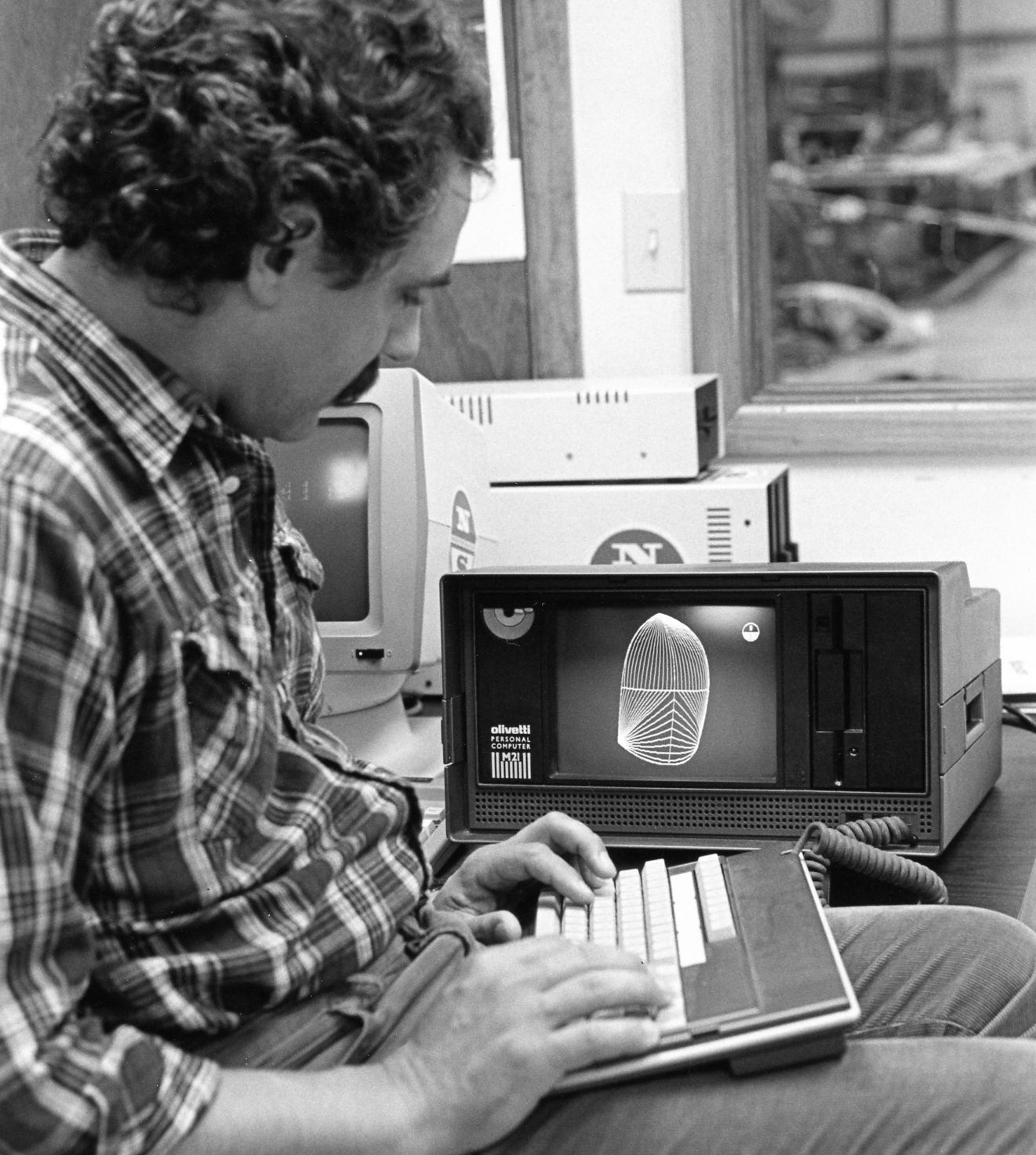
North Sails Designer, Dave Hirsch, at North Sails in Milford, CT, early 1980s. Dave is using an Olivetti portable – or “luggable”, as it was the size (and weight) of an overly stuffed carry-on piece of luggage. The keyboard he uses fits onto the screen end of the computer, to protect the monitor when traveling.
*Group photo: back row from left to right: Paul Davis, Keith Lorenz, Lowell North, Peter Mahr, Dave Hirsch, Albert Schweitzer, Angus Melrose, Larry Herbig, Jay Goebell (second from right). Front row from left to right: Joep Strauss, Mike Schreiber, Steve Reid (behind), Rick Sternkopff (in front), Steve Grover (behind), Michael Richelsen (in front), John Marshall, Monica McCantz, Tom Schnackenberg, Peter Kay, Robert Hopkins, Bill Bergantz.
READ MORE