A capsule wardrobe is a method for building a closet made up of essential, versatile clothing that easily mixes and matches to suit every occasion and moment of the day. More than just a trend, a minimalist capsule wardrobe reflects a more mindful approach to fashion: fewer impulse buys, higher quality, and the freedom to create endless outfits from a handful of well-chosen pieces.
Whether it’s about building a capsule wardrobe for men or women from scratch or simply reorganizing a wardrobe that already exists, this North Sails guide helps in choosing the right items and adapting them to every season. The brand's collections are built on classic cuts and durable materials made to last: the exact foundation needed for a functional, sustainable wardrobe.
What Is a Capsule Wardrobe, and Why Does It Work?
In fashion, a capsule wardrobe refers to a small, curated collection of clothes designed to work together effortlessly. The concept is all about quality over quantity, favoring clean, essential designs, durable fabrics, and colors that are easy to combine.
The benefits of a capsule wardrobe show up in everyday life in more ways than one:
Less morning stress: with fewer, easy-to-match pieces, deciding what to wear takes less time and less second-guessing.
More outfit combinations: a handful of interchangeable items can add up to dozens of different looks.
Easier travel: a capsule travel wardrobe makes packing for any trip far simpler, avoiding heavy, disorganized suitcases.
Mindful, quality choices: it encourages buying durable, sustainable clothing.
A consistent personal style: it helps refine a clear, polished signature look.
Clutter-free space: cuts down on unworn clothes taking up closet space.
How to Build a Capsule Wardrobe
Learning how to build a capsule wardrobe doesn't mean tossing everything out and starting from zero. In most cases, the first step is simply taking a fresh look at what's already in the closet. Before buying anything new, it's worth noticing what actually gets worn day to day versus what just hangs there untouched: often the pieces that best reflect personal style are already there, tucked away in a drawer or hidden behind less practical items.
From there, progress can happen step by step: keep what truly works, set aside or donate what never gets worn, and fill in the gaps with a few targeted purchases rather than piling on new items. North Sails' men's, women's, and kids' collections fit seamlessly into this process, offering classic staples designed to slot easily into an existing wardrobe, building toward a cohesive, well-balanced whole.
How Many Pieces Does a Capsule Wardrobe Really Need?
When deciding how many pieces to include in a capsule wardrobe, remember there's no single rule. Most people land between 25 and 40 items per season (excluding underwear, sleepwear, and workout gear), depending on climate, career demands, and lifestyle. The goal isn't hitting an exact number but building a selection where every piece can be worn in multiple combinations and pairs naturally with everything else.
The core capsule wardrobe essentials, adjusted for climate, typically include:
Neutral t-shirts and polo shirts,
Crisp cotton, linen, or denim button-down shirts,
Lightweight sweaters and versatile sweatshirts,
Classic-fit jeans and everyday pants or chinos,
Layering jackets, windbreakers, or casual blazers,
Clean, minimal sneakers and multi-purpose shoes.
Choosing the Right Color Palette
Color palette is one of the most important elements of a capsule wardrobe: colors that pair well together allow for different outfits to be built from the same pieces, without the risk of clashing combinations or having to rethink every pairing from scratch. Neutral tones like navy, white, gray, black, and beige form a solid foundation for exactly this reason, while one or two accent colors can add personality without throwing off the overall balance.
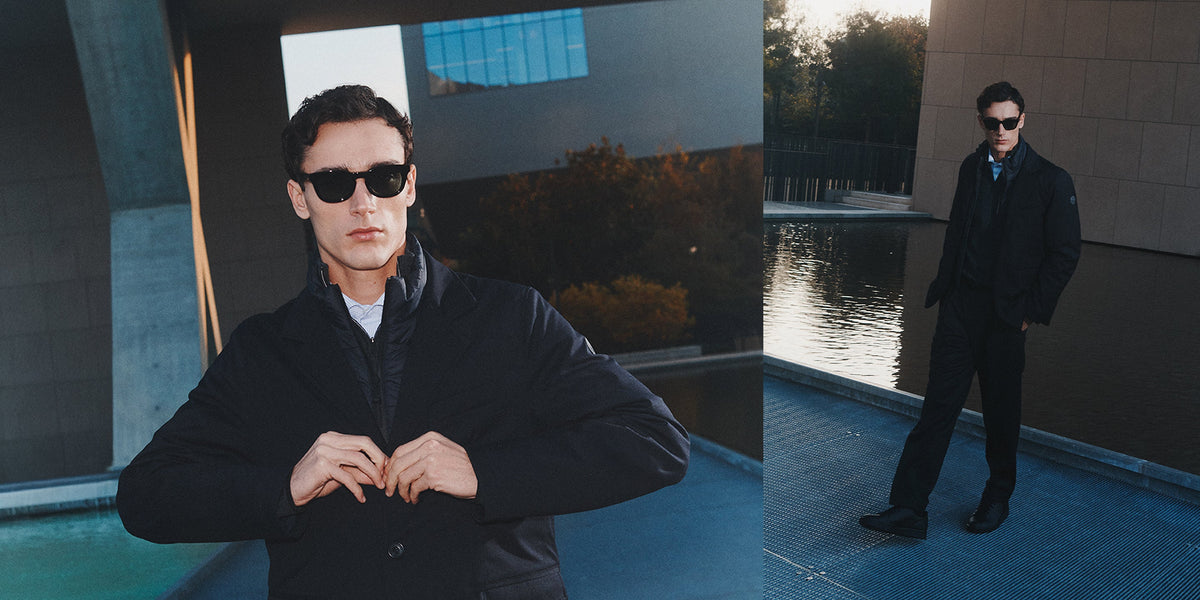
Navy style is a great example of this approach: with just a few base colors like blue, white, and beige, elevated by details like stripes and clean lines, it creates timeless looks that never go out of style.
The Strategic Value of Accessories
Accessories are what make a capsule wardrobe truly complete: a few well-chosen pieces are all it takes to transform the same essential outfit from a day in the city to a weekend away, with no new purchases required. Functional backpacks and totes allow for a seamless move between work and leisure, a sleek belt can change the proportions of a look and dress it up or down depending on the occasion, and a baseball cap or headscarf adds character to even the simplest outfit, on top of being practical.
Capsule Wardrobe for Men vs. Women: Key Differences
The foundations of a capsule wardrobe stay the same for everyone: quality, versatility, and easy mixing and matching. What changes are certain types of clothing, based on personal style and needs, but the garments chosen should always be designed to transition smoothly from work to the weekend.
Capsule wardrobe for women: often includes soft blazers, cigarette or wide-leg pants, lightweight cardigans, comfortable dresses, and functional jackets that layer easily, perfect for shifting from a formal look to a more casual one just by changing up the pairing.
Capsule wardrobe for men: centers on long- and short-sleeve shirts, chino pants, basic t-shirts, and durable cotton knitwear, plus versatile jackets built for daily life and downtime with an adventurous yet polished edge.
Either way, interchangeability remains the main criterion for what makes the cut, and that's exactly where North Sails' collections, born from a heritage in sailing apparel, naturally fit into both women's and men's wardrobes.
How to Adapt a Capsule Wardrobe by Season
A capsule wardrobe doesn't need an entirely new refresh with every change in weather: adapting it simply means swapping out a few seasonal pieces while keeping the core structure intact.
Summer Capsule Wardrobe
A summer capsule wardrobe highlights lightweight, breathable fabrics, lighter color palettes, and cool linen or cotton pants. Basic tees and polos serve as daily go-to tops, paired with lightweight footwear and practical accessories built for the hottest days without sacrificing style.
Fall and Spring Capsule Wardrobe
Transitional seasons call for mid-weight knits and light outerwear like windbreakers or vests to handle shifting temperatures through layering. A well-planned spring or fall capsule wardrobe leans heavily on stacking lightweight pieces, making it possible to handle unpredictable temperature drops without overstuffing the closet.
Winter Capsule Wardrobe
A winter capsule wardrobe rounds out with parkas, puffer coats, wool coats, warm sweaters, and cold-weather accessories, made to deliver maximum comfort and protection from the elements while maintaining a sleek, contemporary aesthetic.
Capsule Wardrobe Checklist: A Sample Breakdown
Concrete capsule wardrobe examples help make the concept easy to implement. This checklist can serve as a template for visualizing a balanced 20- to 25-piece seasonal setup:
4-5 t-shirts or polos,
3 shirts,
3 sweaters or sweatshirts,
2 pairs of jeans,
2 pairs of chinos or dress trousers,
2 skirts and/or versatile dresses,
1 blazer or casual jacket,
2 seasonal outerwear pieces,
2 pairs of go-to shoes,
Focusing on a small collection of high-quality items makes it possible to craft a clean, reliable look for any occasion: work, travel, or downtime. It's proof that a well-edited, year-round capsule wardrobe offers maximum style freedom with minimal effort.
Offshore vs. Inshore Sailing Gear? How to Choose the Right Apparel
Every day on the water is different. A sunny afternoon of coastal sailing doesn't call for the same setup as an offshore passage, and a regatta demands different sailing gear than a leisurely cruise. That's why choosing the right technical sailing apparel always starts with the type of sailing you're doing.
Protection from the elements, freedom of movement, and comfort don't depend on material quality alone, they also depend on how well each piece performs under specific conditions. This philosophy is exactly what drives the North Sails Performance collection: a system of gear designed to support sailors in every scenario, blending technical innovation, functionality, and a clean design inspired by the sea.
Inshore vs Offshore Sailing: What Really Changes Onboard
The difference between offshore and inshore sailing isn't just about distance from shore. Trip length, exposure to the elements, how quickly you can reach shelter, and the intensity of conditions you're likely to face all change too. Since inshore and offshore sailing present very different conditions, they call for different levels of protection when it comes to gear.
Inshore, or coastal sailing, typically takes place within a few miles of shore. Outings are often day trips, with the option to head back to port quickly if the weather turns. That's why inshore sailing apparel favors lightweight construction, breathability, and freedom of movement: features that help you handle changing conditions throughout the day.
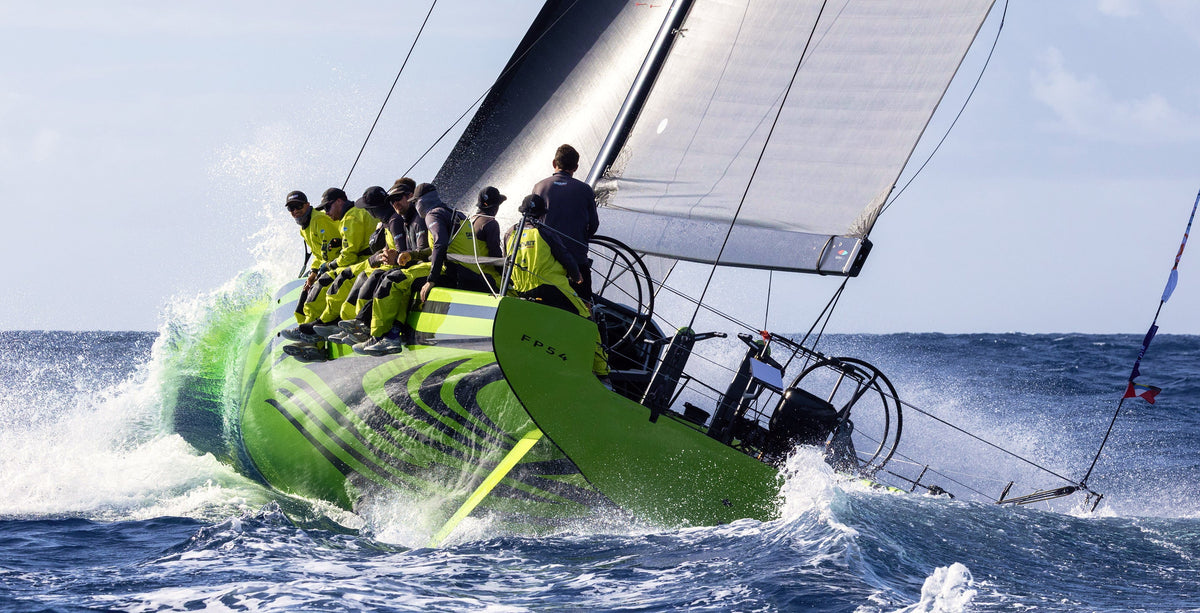
Offshore sailing, on the other hand, takes the crew far from land for extended periods at sea. Continuous exposure to wind, rain, spray, and cold makes superior protection essential. Compared to coastal sailing apparel, offshore sailing gear features highly waterproof materials, more rugged construction, and details engineered for comfort and reliability through long hours on the water and in the toughest weather conditions.
The Layering System: The Foundation of Sailing Apparel
Whether you're sailing close to shore or heading offshore, the principle stays the same: build your gear around a layering system. This sailing setup lets you quickly adapt to changes in weather and physical exertion, avoiding both overheating and heat loss.
The base layer keeps skin dry by wicking away moisture. The mid layer traps warmth as temperatures drop, while the outer layer serves as the real barrier against wind, rain, and salt water.
With this setup, you can handle a wide range of conditions simply by adding or removing a layer, without sacrificing the freedom of movement you need for maneuvers.
The Most Important Features in Technical Sailing Gear
Choosing technical sailing gear isn't just about your destination, it's mainly about the performance you need on the water. Certain features become critical precisely because offshore and inshore sailing place very different demands on sailors.
Waterproofing, Breathability, and Wind Protection
When you're out on the water, wind and spray are the toughest elements to deal with. That's why technical sailing gear needs to be both waterproof and breathable.
Waterproof membranes, taped seams, and water-repellent treatments keep water out, while breathability lets moisture produced by the body escape. Among the most trusted solutions in this space are technical fabrics like GORE-TEX, engineered to deliver strong weather protection without sacrificing breathability. In coastal sailing, these features keep you comfortable through variable conditions; offshore, they become essential for staying dry after many hours of exposure to wind and rain.
Fit, Weight, and Freedom of Movement
Effective technical gear needs to protect without restricting movement.
Ergonomic cuts, articulated joints built to move with you, and lightweight materials let you move naturally during maneuvers, cutting down on bulk and fatigue. The weight of each piece also affects the overall experience: a streamlined yet durable construction makes long days on the water more comfortable.
Inshore sailing apparel prioritizes lightness and agility, with a trim fit and low-profile design that moves with you without getting in the way. It's the ideal choice for dynamic outings, training sessions, and day sailing.
Offshore sailing gear favors a more structured build, engineered to deliver continuous protection without compromising freedom of movement, even in extreme conditions. At the same time, ergonomic design keeps every maneuver easy to execute.
How to Choose the Right Sailing Gear Based on Your Trip
Choosing between coastal and offshore gear comes down to finding the right balance of weather protection, mobility, and comfort for your voyage.
What to Wear for Inshore Sailing
For coastal sailing, it's important to strike the right balance between protection, lightness, and freedom of movement. A waterproof yet breathable inshore jacket, paired with technical pants and an easily adjustable mid layer, handles wind, spray, and shifting temperatures without weighing you down.
Non-slip shoes, a sun hat, and a few practical accessories within easy reach round out the system for a day on the water.
Built specifically for this kind of sailing, the North Sails Inshore collection combines high-performance materials, lightweight construction, and practical details, offering the comfort you need both during maneuvers and once you're back on dry land.
What to Wear for Offshore Sailing
As trips get longer and conditions grow more demanding, your gear needs to step up too. Steady wind, rain, and spray make a system built around an offshore jacket, technical bibs, and a base layer essential for staying dry and at the right temperature over many consecutive hours.
This is where the details make the difference: a high collar, adjustable hood, protective cuffs, reinforcements in high-wear areas, and reflective elements all boost safety and reliability when the weather turns without warning.
That's the philosophy behind the North Sails Offshore Foul Weather Gear collection: pieces built on the brand's experience in competitive sailing, designed to deliver continuous protection and the freedom of movement needed for the most demanding passages.
What to Wear for Ocean Sailing
Ocean passage-making takes offshore sailing a step further, with even more specific demands. When you're spending multiple days at sea with no chance to duck into port, reliable, high-performing ocean sailing gear becomes essential.
UPF-rated pieces play an especially important role here, helping shield skin from UV rays during long hours on deck, where direct sun combines with glare off the water. It's worth pairing these with a few spare base layers, technical socks, and a waterproof bag or backpack to keep clothing, electronics, and documents safe from constant moisture.
The North Sails Foul Weather Ocean collection, developed with input from the brand's experience in ocean racing, meets these demands with technical fabrics, durable construction, and functional details built for the longest, most challenging crossings.
What to Wear for a Sailboat Race
Regattas call for a different approach, where every piece of gear can affect performance. Here, the priority is cutting bulk, favoring ergonomic, lightweight, highly breathable sailing apparel that moves with the body through every maneuver.
In races held in rough weather, or in offshore regattas, the level of protection needed shifts closer to that of offshore sailing, calling for more structured gear that keeps sailors dry and protected over many consecutive hours.
Must-Have Sailing Gear for Every Trip
Whether it's an inshore outing, an offshore passage, or a regatta, choosing the right gear is key to striking the ideal balance between performance and comfort. The North Sails sailing apparel line turns this need into pieces designed to adapt to different sailing conditions, with innovative materials and functional details that deliver optimal performance out on the water. Every piece serves a specific purpose and works together with the rest of the system to protect sailors without limiting their movement.
A complete sailing equipment setup should always include:
technical base and mid layers,
UV-protective clothing,
a waterproof sailing jacket,
technical sailing bibs or pants,
non-slip sailing shoes,
gloves,
a brimmed sailing hat,
sunglasses with a retainer strap,
a waterproof backpack or bag.
READ MORE
What to Pack for a Vacation: The Ultimate Packing Guide, from Beach to City
Packing your suitcase is one of those moments that really marks the start of a trip. Whether you're heading out for a weekend getaway, a week at the beach, or a mountain escape, knowing what to pack for a vacation lets you travel lighter and enjoy every destination with a lot more peace of mind.
Every trip is an invitation to explore, just like the sea teaches us to do. For North Sails, the spirit of the ocean means facing every experience with freedom, ease, and respect for what surrounds us. It's a philosophy shaped into clothing and accessories designed to follow you everywhere, from a quick weekend away to your longest vacations.
Before You Pack Your Suitcase: Where to Start
Before you even think about what to bring on vacation, start with three things: length of trip, destination, and planned activities. A suitcase for a 2-day getaway won't be packed the same way as one for a 10-day trip, and a beach vacation calls for a very different wardrobe than a city break or a stay in the mountains.
Remember to always check in advance:
the forecast
any baggage restrictions;
whether you'll have access to laundry during the trip;
your itinerary for any changes in climate or setting.
Once you've covered those basics, putting together a packing list for vacation is the easiest way to stay organized and avoid last-minute scrambling. Beyond clothes and shoes, make sure you've also got the essentials covered: documents, reservations, your toiletry bag, tech devices with chargers, and a small kit of must-have medications.
What to Pack for a Vacation, by Destination
Every destination calls for its own approach to packing, but one rule holds true no matter where you're headed: choose clothing that adapts to different moments of the day, mixes and matches easily, and strikes the right balance between comfort, practicality, and style. That way, you can pack fewer outfit changes without leaving anything essential behind, whether you're planning a weekend away or a longer vacation.
This focus on functional design drives the North Sails line, where technical fabrics and sleek styling come together naturally for any environment, from city streets to the great outdoors. The kids', women's and men's collections offer versatile pieces built to move with you, delivering comfort on the go and an understated style inspired by the spirit of the ocean.
What to Pack for a Beach Vacation
If you're wondering what to pack for a beach vacation, the trick is to keep it simple: a handful of versatile pieces in cool, breathable fabrics that can take you effortlessly from the shoreline to a stroll along the boardwalk. Drawing on nautical style with clean lines, timeless tones, and maritime-inspired details, you can build a wardrobe that's both practical and polished, easy to mix and match for any part of the day.
Your beach packing list should include:
swimsuits;
UV-protective rash guards;
lightweight shorts and pants;
hat or bucket hat;
sunglasses;
beach towel;
sandals or slides;
sunscreen and after-sun care;
beach bag or waterproof backpack;
light jacket for the evening.
It's at sea that North Sails truly comes into its own: pieces and accessories rooted in nautical tradition, designed for every moment of the day, from sun to wind to water. From cover-ups to beach towels, bags, hats, and swimwear, North Sails collections have everything you need to build looks that are as functional as they are current, moving effortlessly from the deck of a boat to the sand.
What to Pack for a Cruise
A cruise packing list has to cover a lot of ground: relaxing on deck, shore excursions, evenings out, and days in the sun. Beyond swimsuits and beach essentials, it's worth packing a few extra items to handle shifting conditions, from ocean breezes to heavily air-conditioned interiors.
Don't forget the following:
one or two evening outfits for dinners or special events;
light, elegant jacket, like the Sailor Jacket;
lightweight sweater or hoodie for cooler hours;
comfortable shoes for excursions, plus a polished pair for evenings;
compact backpack or bag for shore trips.
What to Pack for a Sailing Vacation
A sailing vacation calls for an even more streamlined packing list than a typical beach trip. Space on board is tight, so a soft duffel bag or backpack is a better choice than a hard-shell suitcase: it's much easier to stow in a cabin. Stick to lightweight, quick-drying clothing, favoring technical fabrics like Gore-Tex that hold up against wind, sea spray, and shifting temperatures while you're underway.
A few essentials for your sailing packing list:
deck shoes with light, non-slip soles;
brimmed hat and sunglasses with a retainer strap;
high-SPF sunscreen;
waterproof bag to protect documents and electronics;
reusable water bottle;
personal medications and, if needed, seasickness remedies;
sailing gloves, if you'll be handling the lines.
Since you'll spend long hours exposed to sun, wind, and glare off the water, garments with UPF protection can also come in handy for extra shielding from UV rays.
What to Pack for a City Vacation
A city getaway calls for a wardrobe that can keep up with long days on your feet. Whether you’re browsing museums, exploring distinct neighborhoods, or heading out for evening drinks, every piece should balance comfort and style. Focus on versatile, easy-to-layer fabrics that adapt seamlessly to shifting weather and whatever your itinerary holds.
City vacation essentials:
tailored pants or chinos;
t-shirts and lightweight shirts;
hoodie or sweater;
packable jacket;
comfortable shoes;
a roomy backpack or bag;
belt;
lightweight hat;
power bank and chargers.
In an urban setting, accessories are just as essential as your clothes. The right daypack keeps your belongings organized while leaving your hands free to explore. For a short weekend break, a spacious, well-designed pack can even replace a suitcase entirely. North Sails' bags and backpacks collection is built specifically for life in transit: minimalist designs, durable materials, and functional details that transition effortlessly from travel days to everyday street style.
What to Pack for the Mountains
When heading to the mountains for a vacation, layering is the name of the game. Even in summer, mountain weather changes rapidly, making breathable, weather-resistant fabrics essential.
Mountain Essentials:
moisture-wicking technical tees;
cozy fleece or lightweight sweater;
windproof, water-resistant jacket;
durable, flexible hiking pants or trail shorts;
supportive trail shoes with comfortable moisture-wicking socks;
brimmed hat, UV-blocking sunglasses, and a reusable water bottle;
compact backpack for trail supplies;
High-performance materials make long days outdoors far more comfortable through sudden temperature swings. For an effortless option you can keep on hand at all times, men's packable jackets offer wind and rain protection while taking up virtually no space in your bag.
How to Pack a Suitcase to Save Space
Knowing how to pack efficiently matters just as much as deciding what to bring. A well-organized bag doesn't just maximize every inch of interior space, but it also makes transit seamless and helps you find gear instantly without unpacking your entire load at every stop. With a few smart tricks, you can eliminate bulk, prevent wrinkles, and stay organized from departure to return.
The Capsule Wardrobe Method for a Smarter Suitcase
One of the best ways to master packing is building a versatile capsule wardrobe: a tight selection of items designed to interlock. Instead of planning single-use outfits, choose neutral colors, adaptable fabrics, and garments that transition easily between different settings.
Here is a quick breakdown based on trip duration:
What to pack for a weekend or 2-day trip: 2 daytime looks, 1 evening outfit, 1 extra top, 1 light jacket, and 1 pair of versatile shoes.
What to pack for 3 to 5 days: Add just a few interchangeable items, like a button-down that works for both casual daytime and dinners, a sleek belt, and a multi-purpose bag.
What to pack for a week: Stick strictly to a cohesive color palette so every top matches every bottom, giving you dozens of options with minimal weight.
How to pack a suitcase for 7 days or 2 weeks: Schedule a mid-trip laundry stop. Washing a small bundle halfway through lets you travel light without sacrificing clean clothes.
How to Pack Clothes and Accessories in a Suitcase
Once you've curated your wardrobe, it's time to figure out the most practical way to fit everything in. A well-thought-out layout helps you make the most of your space and keeps your clothes in better shape throughout the trip.
Follow this loading order:
Place shoes and heavy items at the bottom (near the wheels).
Pack clothing rolled or folded compactly in the center.
Tuck accessories, socks, and belts into empty gaps and inside shoes.
Keep toiletries and tech pouches near the opening for quick access at security.
Store travel documents and valuables in your daypack.
Using small packing cubes is another simple hack to compress clothing and group items by category. The real secret to properly packing a suitcase isn't cramming in extra items, but rather eliminating non-essentials. Before adding one last piece, ask yourself if you'll wear it at least twice. It's usually the "just in case" garments that take up the most room and end up unworn.
Your Complete Travel Packing List
documents, cards, tickets, and reservations;
smartphone, charger, and power bank;
underwear and pajamas;
t-shirts, shirts, or tops;
pants, shorts, or skirts;
lightweight sweater or hoodie;
rain or windproof jacket;
comfortable shoes;
swimsuit, if needed;
hat and sunglasses;
extra backpack or bag;
toiletry bag;
essential medications;
accessories to complete your outfits;
Ultimately, the goal isn't just packing less, it's packing smarter. When every item serves a distinct purpose, your luggage stops being a burden and becomes the launchpad for a seamless, stress-free journey.
READ MORE