POWERING OFFSHORE RACING: SAILS, SPEED, AND YOUNG TALENT
How the Rikki programme is bridging the gap between young talent and offshore experience.
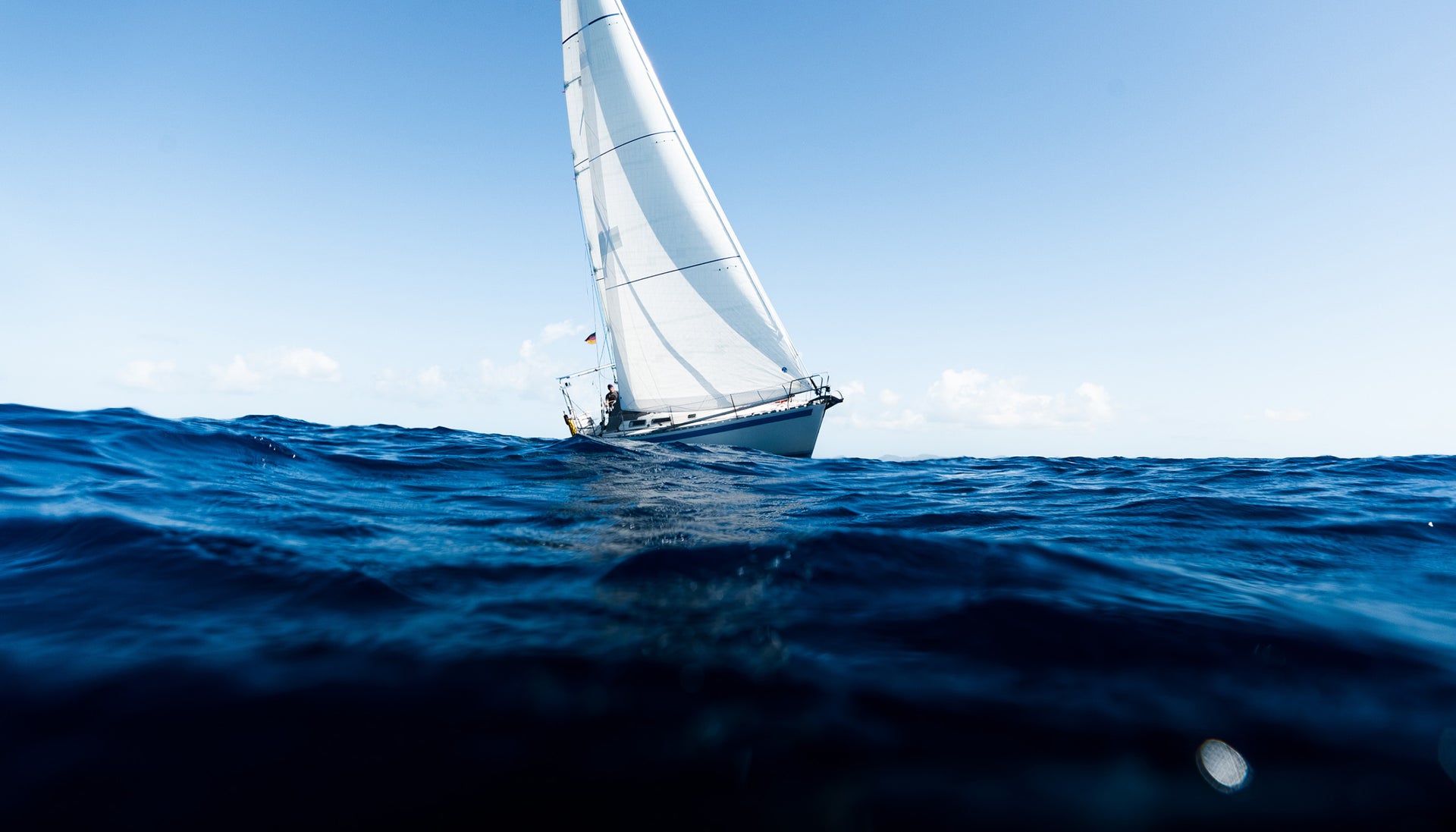
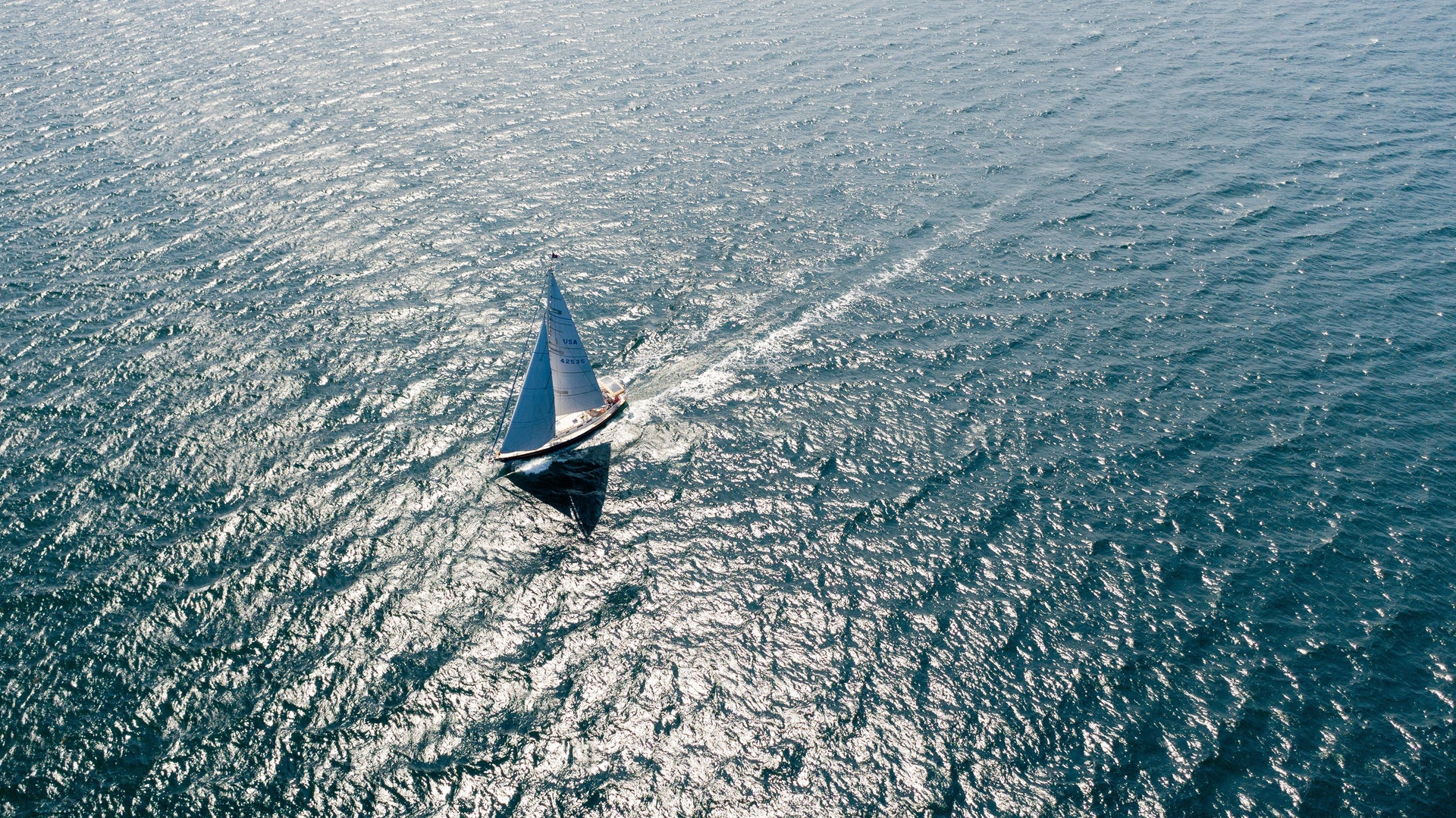
The Rikki programme feels like a blueprint for re-energising the sport of sailing. It’s a programme built on the belief that sailing should prioritise fun and camaraderie, whilst giving young sailors a pathway to offshore experience on bigger, faster boats. “Of course, the goal is to win races, but that’s not the primary goal” says Bruce Chafee, owner of Rikki. “As I said to my crew after winning the Caribbean 600, winning is great and getting a trophy is nice, but what I expect and hope they’ll remember in 20 years is their crewmates and the experience of being part of the Rikki team. We remain humble, open to learning, and supporting one another. Having the chance to create that foundation is the most gratifying part of this for me.”
Bruce began sailing at Dartmouth College before heading offshore with friends aboard the 48-foot Dream Catcher – an older, heavy boat where teamwork and grit mattered as much as results. Six Newport to Bermuda Races later, they knew: a little punishment makes a team stronger.

When Dream Catcher was sold, Bruce went searching for the next chapter. He initially eyed a high-performance carbon racer, but with guidance from Stuart MacNeil, who would later become his captain, he chose a more balanced 42-footer instead named Rikki. “I wanted a step up from Dream Catcher; a boat that would challenge us but not exceed what we Corinthian sailors could realistically sail at full speed,” says Bruce. “Rikki fit the sweet spot.”
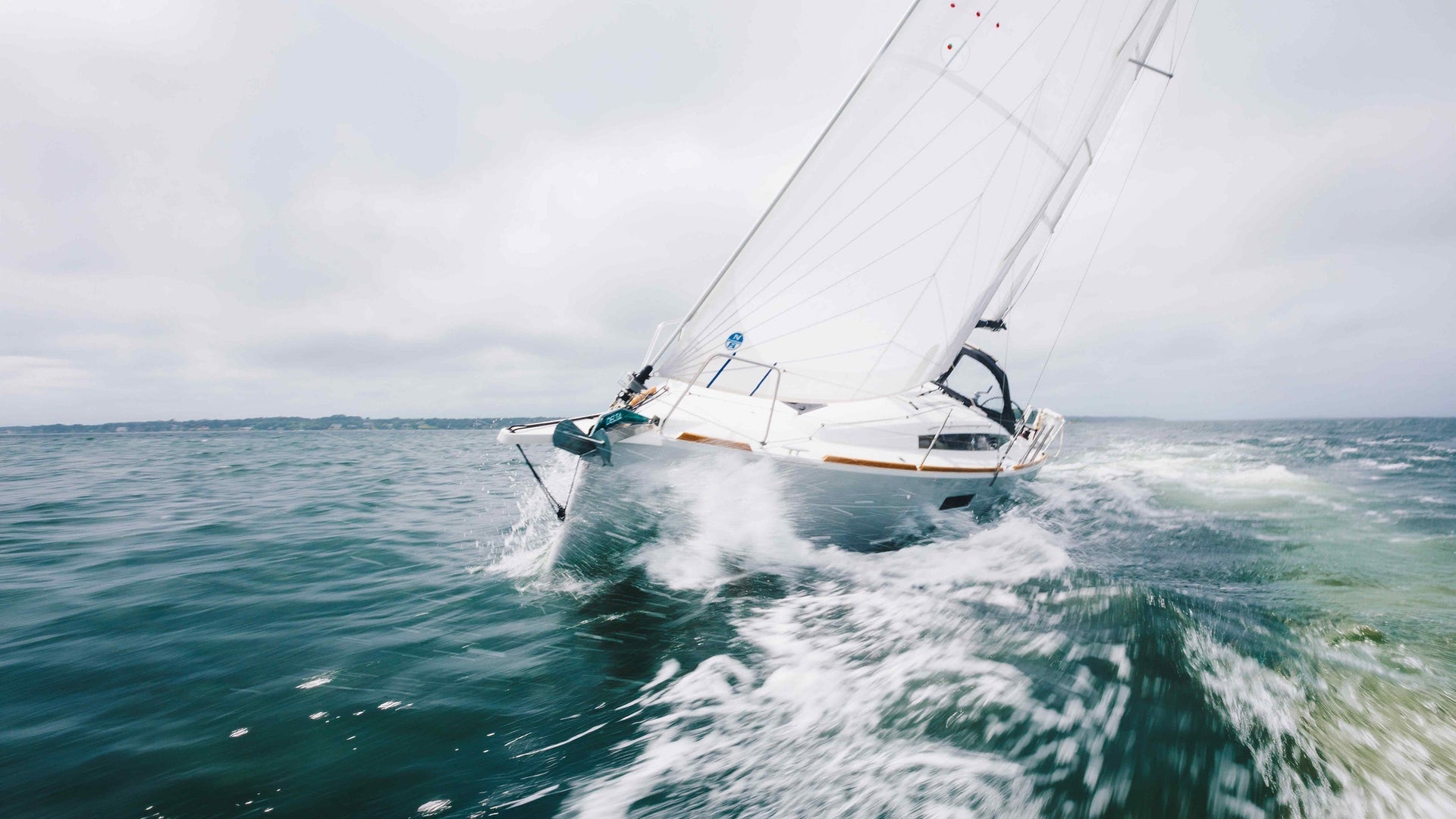
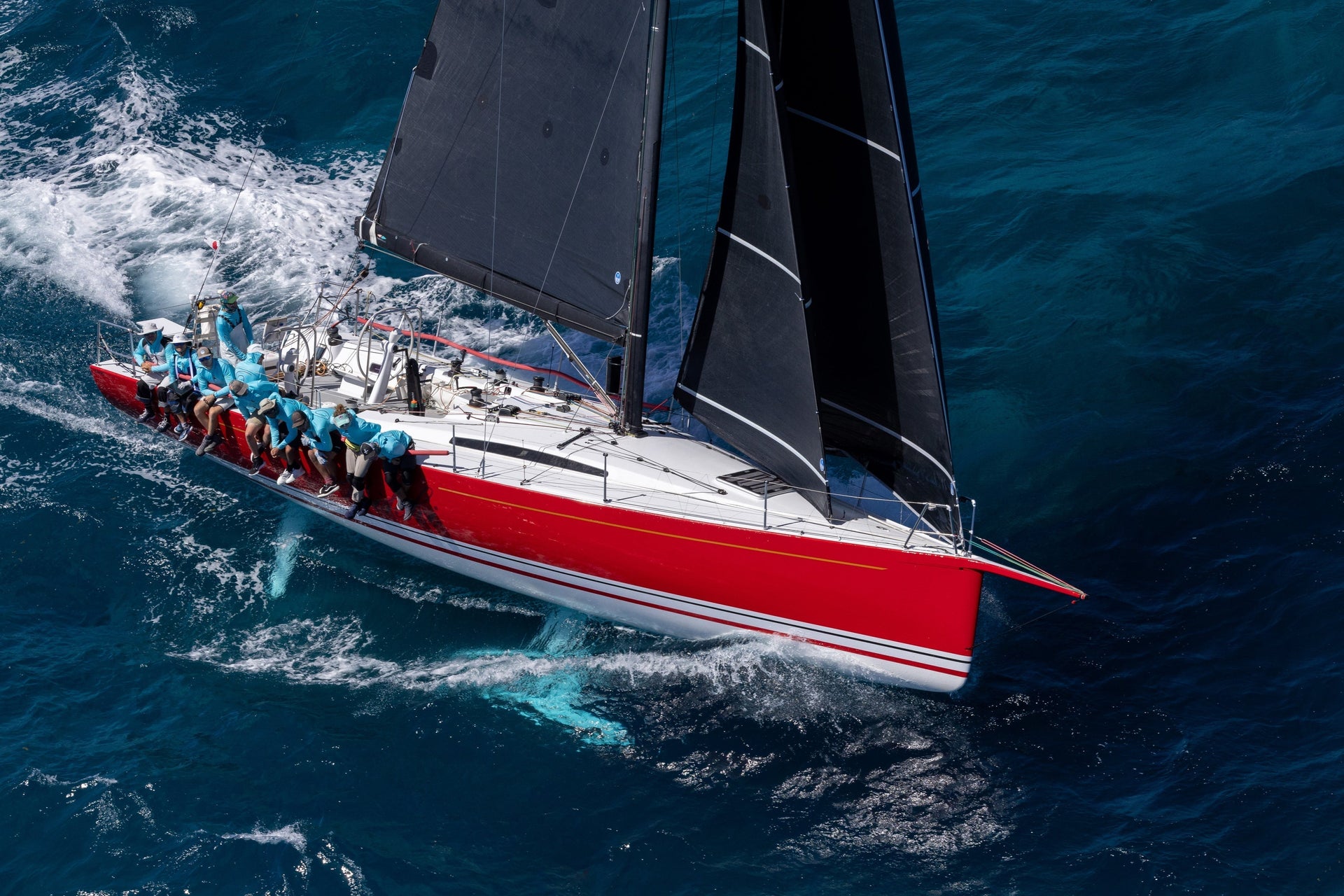
The transition to Rikki wasn't seamless. A planing boat with a square-top main, runners, and no spin poles, it was a radical departure from what the crew knew. To bridge the gap, Bruce began bringing younger dinghy sailors on board as they were better suited to this style of boat, quicker to adapt, and physically faster across the deck. Not only did this allow the crew to start racing the RP42 to its full potential, but it also stayed true to something Bruce deeply cares about – getting young sailors onto offshore boats, something that is notoriously difficult. It's a bit of a ‘chicken and egg’ scenario, whereby boat owners want crew with experience, but the only way to get experience is to sail these bigger boats. “If you care about sailing, you want it to stay fresh and to keep evolving,” says Bruce. “That only happens if young people keep coming in.”

From the start, Bruce had occasionally brought professional sailors on board to help the crew get more out of the boat. 2022 marked a turning point, when then North Sails President Ken Read sailed with the crew for the Safe Harbor Race Weekend. He injected a world-class perspective into the programme. “When Ken first sailed with us, I had just graduated from university and was running the boat” says Adrian. “I was in charge of servicing and maintaining the boat, transporting it, doing all the work to prepare for racing, and putting the crew together. Having a veteran like Ken onboard showed us the potential the boat had when pushing it with a talented group of hardworking sailors – he whipped us into shape for the Safe Harbor Race Weekend.” Ken’s presence pushed the boat, and the crew, to the next level, and that weekend cemented pairing young talent with veteran offshore experience as a key pillar of the programme. "It's very refreshing sailing with a young crew," says Chris Williams, professional sailor and North sail designer who joined the team during their latest Caribbean 600 campaign. "They never get tired, and their enthusiasm is infectious. These guys are always open to trying new things."
That summer set the tempo. Eighteen months of racing – the 800-mile Pineapple Cup from Miami to Montego Bay, line honours and ORC 1 at the Annapolis to Newport, 3rd in class at the Marblehead to Halifax – put roughly 3,500 miles under Rikki's keel by the end of 2023 and led into a full Caribbean campaign in 2024. There she beat the high-level British team Ino Noir to finish 9th in IRC at the Caribbean 600 and took 3rd at the BVI Spring Regatta. The races, the experience; it was all part of building the crew and their ability to race together at the highest level.

This year, for their second Caribbean 600 campaign, the team decided to lean into their underdog status with some creative thinking. After winning IRC One in the Nelson’s Cup, they knew the boat was competitive. In their preparation for the race, Adrian van der Wal (captain) and Aidan Naughton (bowman) hit on an idea: what if they raced with a smaller sail inventory? Fewer sails meant a lower IRC rating – and a lower rating meant less time to make up on corrected time. While most boats carry a full suite of jibs, the Rikki crew decided to tackle the 600-mile race with just two –– a J1.5 and a J3, both built in 3Di RAW 870, with a JTS (jib top staysail) in the lighter 3Di RAW 760 kept aboard for tight reaching angles. . The exceptional shape-holding ability of 3Di RAW let the crew handle all conditions with fewer sails, without giving up ground to boats carrying three or four jibs. They also upgraded to a new 3Di Code 75, “I think we gained 50 minutes in the race by upgrading from a Code 65 to 75” says Adrian. These sails leverage new technology for superior shape-holding, but their real edge lies in the geometry. By utilising specific mid-girth measurements, they rate as a spinnaker under IRC – this means a faster sail with a much better rating. It was one of the edges this RP42 needed to compete against the world's fastest IRC boats at the Caribbean 600.

For Bruce, this kind of creativity and openness to experimentation is exactly what makes investing in the next generation so valuable. He believes that if you love the sport, you have to keep it fresh, exciting, and inclusive. That inclusivity also builds better sailmakers. Adrian van der Wal, Connor Ratcliff, and Ray Tomassetti aren't just at the heart of the Rikki programme; they also work at North Sails – Adrian as a sail designer and Connor and Ray in the repair loft, applying real-world experience to the sails they work on.
“Competitive sailing makes people who are working on the floor better at their jobs, they are passionate sailors and they're passionate about fixing people's sails," says Adrian. "You wouldn't take your car to someone who doesn’t drive cars, you want him to be a car guy.”
Bruce laughs, “Sure, I love ripping along at 20 knots and winning a race. But like I said, building a team that is humble and supports each other is at the heart of this programme”
The takeaway for boat owners? An optimised inventory is only half the story; make space for the young sailors and the new ideas they bring with them.