
NORTH SAILS BLOG
Tout
Events
Guides
News
People
Podcast
Sustainability
Tech & Innovation
Travel & Adventure
people
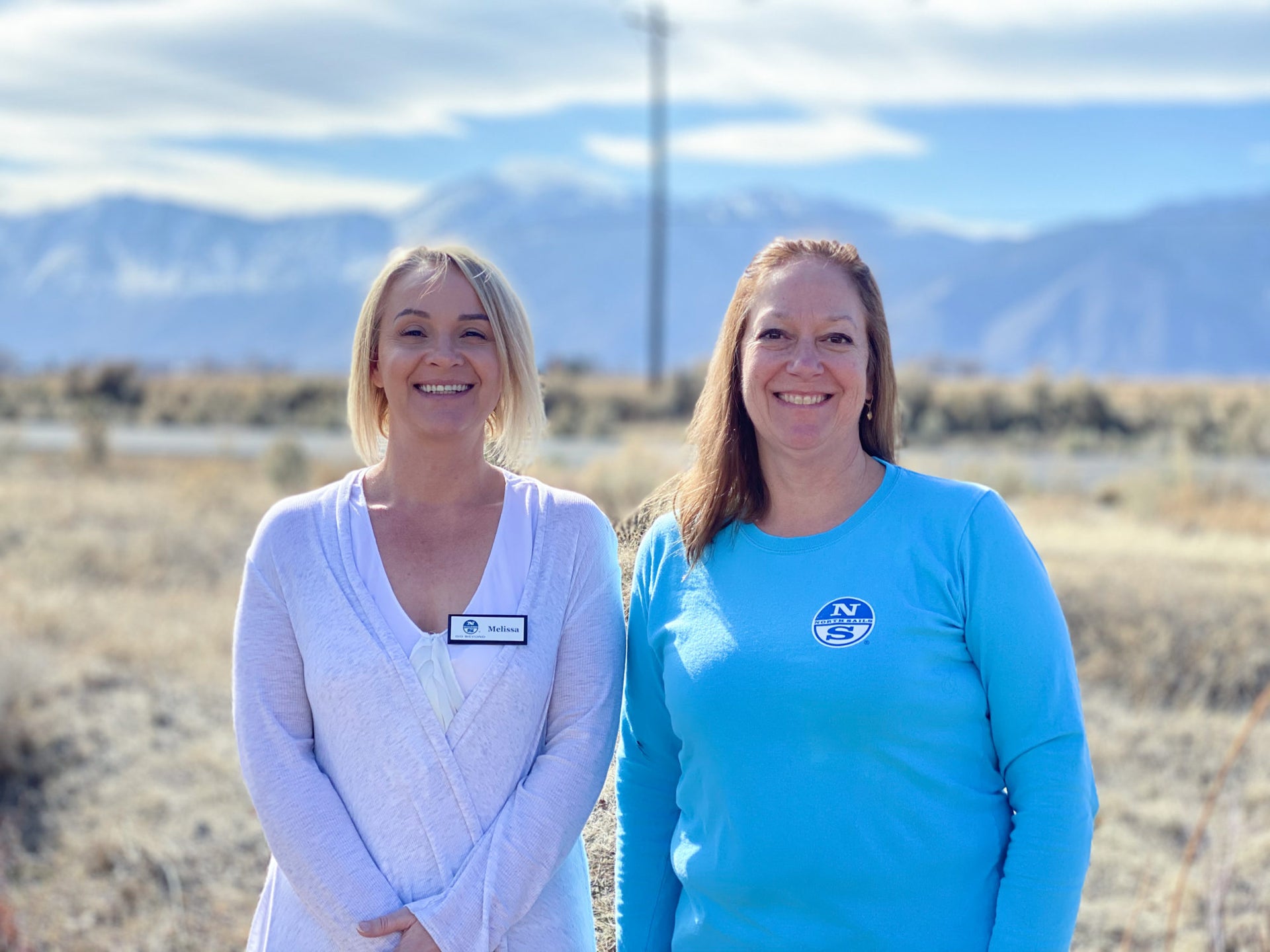
PATRICIA RIOS: VACUUM CONSOLIDATION LEAD
INTERNATIONAL WOMEN’S DAY AT NORTH SAILS
Introducing Patricia Rios: Vacuum Consolidation Lead
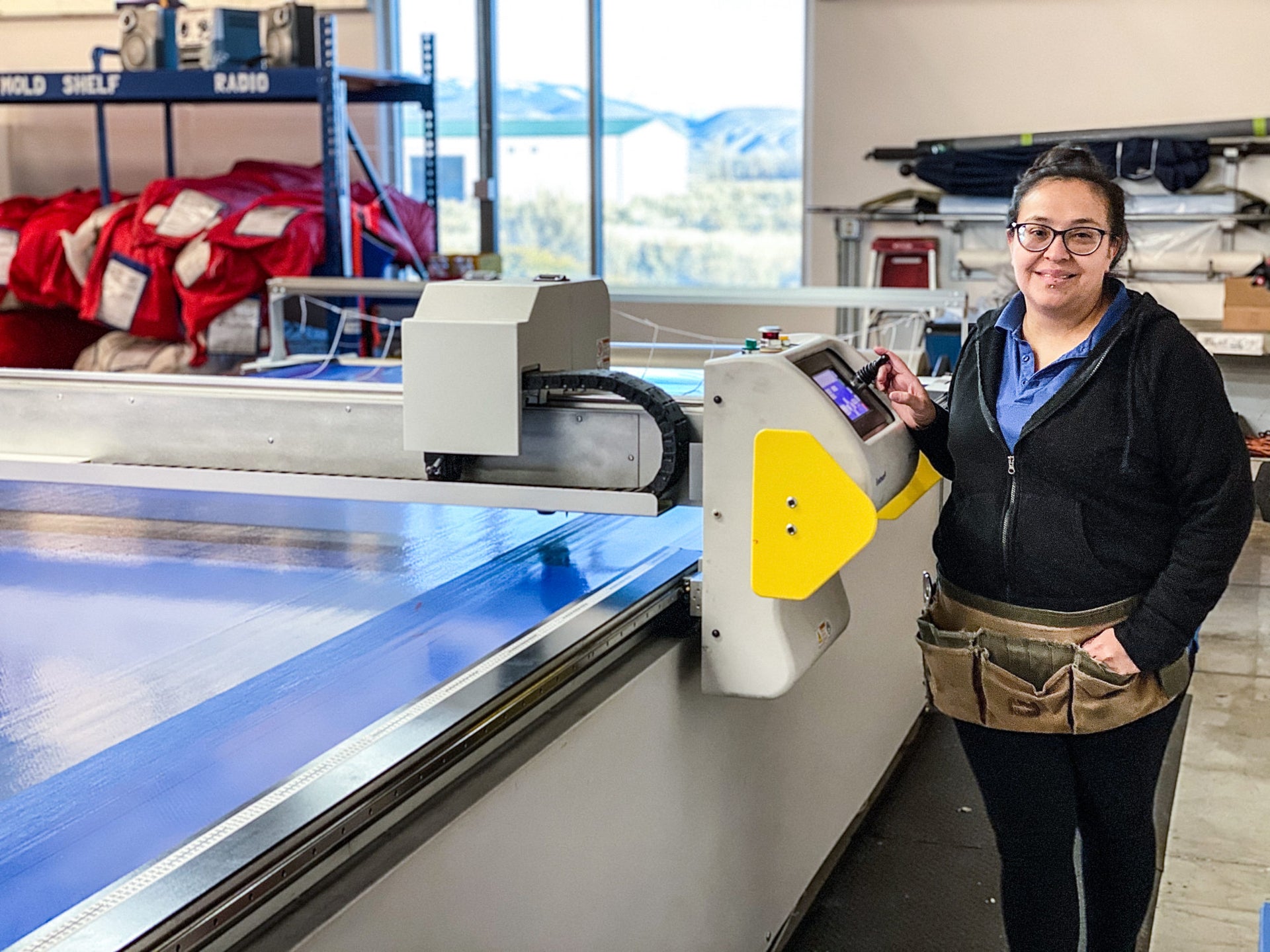
In celebration of International Women’s Day, we examined the inner workings of the North Sails 3Di manufacturing facility in Minden, NV. Patricia (“Patty”) Rios is the Vacuum Consolidation Lead and a leader and role model in her department, enjoying every aspect of North’s unique sailmaking process.
October marks Rios’s 12th year with North Sails. Before beginning her tenure with the company, she was a stay-at-home mom taking care of her young son. Her siblings worked at the North Sails and told her about a job opening, and she thought she would apply.
Patricia (“Patty”) joined North Sails when 3DL was at the forefront, first drawn in by curiosity about sailmaking—and building them in the desert. Now that manufacturing has progressed to 3Di; she oversees a team of five who preps and produces vacuum bags to lock in sail shape. Rios explains, “The films department produces two vacuum bags that encase the sail while it is on the mold. Like building a carbon boat, heat and vacuum pressure are used to consolidate the filaments and resin. The bags and the sail membrane sit on the mold in the flying shape intended by the sail designer.
It’s a fast operation to prepare the sails for consolidation. Even minor hiccups have a ripple effect, and any hold-up affects the most important part—shipping to the client. Rios’s worklist is based on the daily molding schedule. “There is only one shift for my department, so when I number the pieces, the team needs to follow the order. From my team, I assign each of my team members the role of creating the vacuum bag and securing it onto the mold (seen below). Before the sails are ready to be cooked, I double-check that the bags are airtight and empty of air, so the chemical reaction kick-off heat is applied.” The sails then spend at least seven days on the curing floor before they are finished and shipped off.
Patty prepping the vacuum seal for consolidation of 3Di.
Rios says that the films department would not be everyone’s number one choice and that’s because it is the fastest moving department. But she embraces each challenge and takes pride in the importance of thinking ahead and doing her job right the first time.
“My team is fast and efficient because quality is important to us. We don’t make mistakes, and that’s because we stick to a strict procedure.” Although I am the lead, my team is working towards a common goal. If they need me, they know they can ask for help. It’s 100% a team effort. This job is more than a one-person job, so we have to communicate well.”
When Patty Rios arrives to work each day, she discusses the day before with her team before moving on to the next project. She likes the flexibility of her job, and she appreciates the confidence her supervisor, Jessie Barnes, places in her. “Jessie knows that I am good at my job, and she trusts me to get it right. I like that I’m given that initiative. It helped me build confidence as a leader in my department, and that helps my team feel confident about their individual roles.”
“Patty is a long term employee. She’s a quiet hero that keeps her films team tight and efficient.”
– Per Andersson, 3D General Manager
Before coming to work at North Sails, Rios did not have any sewing or sailmaking experience. Over the years, she’s gained more understanding of the process and how she can streamline her techniques to keep the workflow efficient. Although the sailmaking process has evolved from 3DL string laminates to 3Di, she still took some of her early skills back to motherhood. “I can make my son’s Halloween costumes now, which is really cool. Although our manufacturing process has changed, my new-found sewing skills have come in handy!”
Rios enjoys learning other areas of the manufacturing process too. “My supervisor Jessie Barnes has taught me a lot, for which I will be forever grateful. She is unbelievably patient, and I’ve learned from her how to become a better leader in my department.”
READ MORE
READ MORE
people
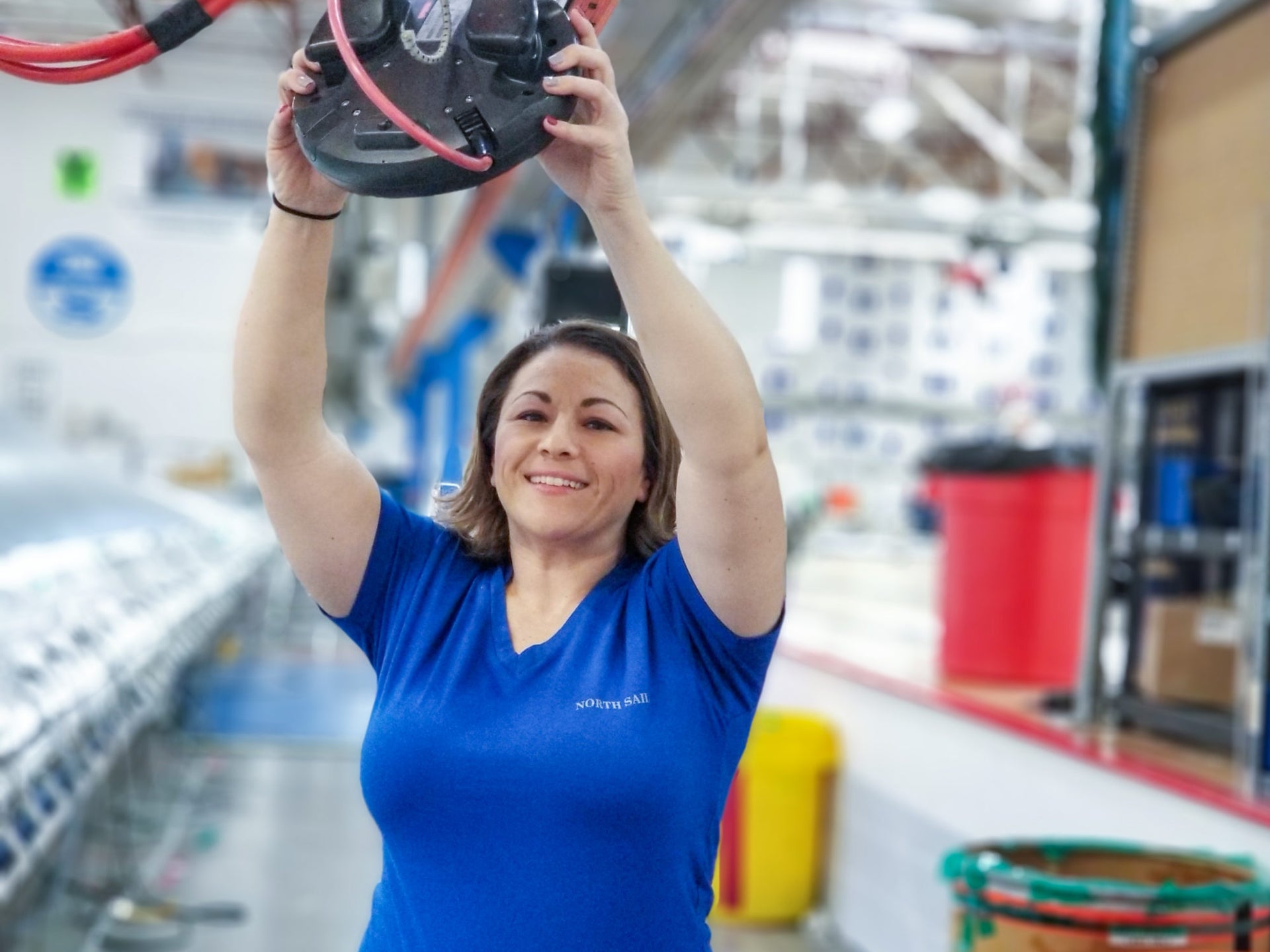
MELISSA WOODS & SHEILA VAN DEUSEN: HR ADMINISTRATION
INTERNATIONAL WOMEN’S DAY AT NORTH SAILS
Introducing Sheila Van Deusen & Melissa Woods: North Sails Human Resources Administration
In celebration of International Women’s Day, we introduce two women who make our company great. Both Melissa and Sheila focus on employee relations. Through their passion for each individual who is part of our global network, they play an intricate role in retainment and quality of life for North Sails employees. The HR department also provides essential regulatory compliance and fosters relationships with North Sails employees worldwide.
Sheila Van Deusen came to North Sails after a 28-year tenure in the casino industry. “I didn’t know much about the business or manufacturing. And working in sailmaking was something new, so I thought I’d give it a try.”
Though HR is similar across a variety of companies, Sheila loves it because there is never a set routine. “There’s always diverse responsibilities, and that is exciting. I like working with people, so this job suits me perfectly.” She also appreciates that the sailmaking industry is evolving. “The industry is continuously changing, which keeps people engaged and stimulated whether they have been here for twenty years or two months.”
Sheila believes it’s essential to work as a team, and transparent communication is vital. “One of my main goals is to support the employees and allow them to feel comfortable coming to me if they need help. Our employees need to establish long-term steady income and benefits so they can provide for their families. Both the employee and company benefit from the long term relationship. For newer employees, it’s our responsibility to get them to feel a connection to the company and our values.”
“Sheila dove into her HR position in a hurry and knew all the 110 employees by name within one week. If you ever feel stressed, step into Sheila’s office, and her calm demeanor will put you at ease within five minutes.”- Per Andersson, 3D General Manager
Sheila commented, “I’m thankful I had the opportunity to take on this role with North Sails,” Sheila adds. “My position helps create the vision and flow for the company, establishing core values, and helping employees understand just how important they are to the business as a whole.”
“My skills, experience, and background have brought a different perspective of how Human Resources can operate in Minden, NV. I feel I have the liberty to create a path into areas where I’d like to be more involved. The people that work here are amazing, and I feel fortunate to be a part of this group.
Melissa Woods is Human Resources Assistant and is approaching her five-year mark with North Sails. She enjoys working for North Sails due to the integrity and professionalism of the workplace. North Sails promotes an open and positive work environment, which in turn nurtures honest, dependable employees. Melissa handles all of the new hires, employee records, recognition, and offers her support with administrative time to time.
“Melissa makes sure Minden guests are properly greeted, have the best accommodations, and are taken care of in high order. She’s a great addition to the North Sails team because she’s always happy to help whenever needed, and she always does it with a smile!”- Per Andersson, 3D General Manager
“Working with Sheila has been great. She’s pushed me to become a better communicator and has also helped me to expand my viewpoints,” Melissa says. “She’s taught me different ways to approach our work and complements our team in many ways. I respect and admire how she can handle difficult situations with ease and composure. I look forward to learning more from her.”
Melissa signed on first as a temporary employee in September of 2015 and quickly established herself as a trustworthy and capable co-worker. She says North Sails provides a positive work culture, “and through training, we try to set up our employees for success right when they first get their foot in the door. We are always looking for ways to keep our employees and temps involved, motivated, and excited to be here.” Recognition awards, Christmas parties, and company picnics all make a significant impact, she adds.
Melissa enjoys working for the company and says, “the best thing about where I work is the people I get to work with here. We have a great team here in Minden. We spend a lot of time collaborating ideas, finding ways to make them happen. I am honored to be a part of a company that takes pride in their product and always looks for ways to stay ahead in an ever-changing industry.”
“A company like North Sails continues to evolve and innovate its product. That’s why we get the best at all levels. The amount of care that our team puts into what they produce can’t be beaten.”
READ MORE
READ MORE
people
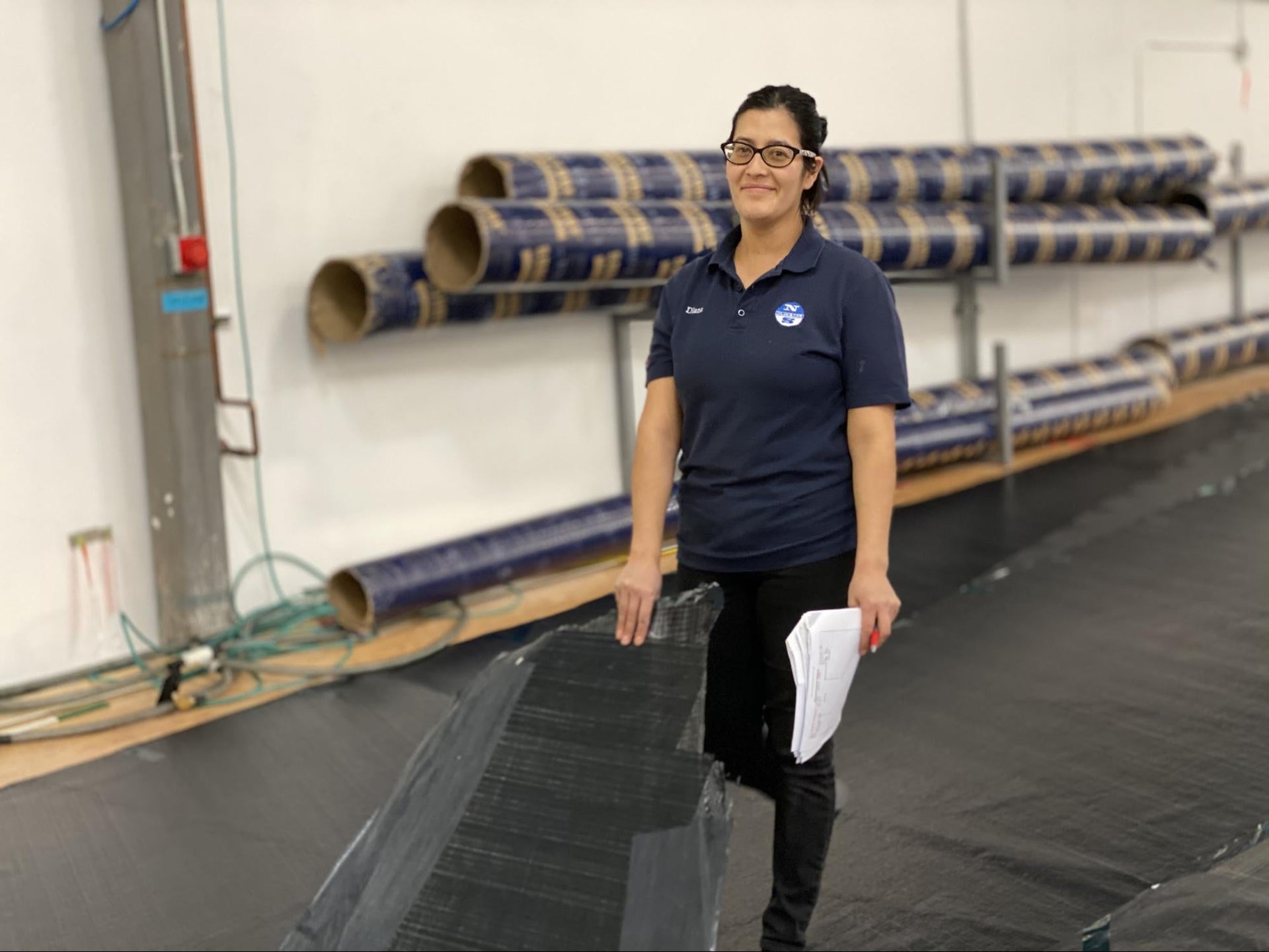
JESSIE BARNES: BUILDING ONE SUPERVISOR
INTERNATIONAL WOMEN’S DAY AT NORTH SAILS
Introducing Jessie Barnes, Building One Supervisor
In celebration of International Women’s Day, North Sails is proud to introduce Jessie Barnes. Barnes stands out in the Minden manufacturing facility for her passion for creating something unique not found anywhere else in the world, and role as a leader.
Jessie Barnes joined the Minden, NV team right out of high school. She heard about a job as North Sails films operator through friends and relatives and was intrigued about the idea of building sails in the desert, so she decided to give it a shot. Nineteen years later, she’s at the epicenter of Building One, where 3Di sails are molded and shipped out across the world. As the Building One Supervisor, Barnes is responsible for keeping three shifts on schedule and meeting shipping dates.
Barnes’s role has evolved throughout the years, because of innovations that moved production from 3DL to 3Di. She gets to be involved in all parts of production but works closest with the gantry and molding team. Each day is different, and even when working through the occasional production or employee challenge, she never hesitates to lend her employees an extra hand.
“Jessie runs a tight ship with the least amount of employee turnover of any department. We are trying to find out her management secret.” – Per Andersson, 3D General Manager, Minden, NV
“The Minden facility is great for long term employees because their knowledge and experience is essential to our process,” Jessie adds. “New employees have tons of opportunity for growth. In Minden, women fill many leadership roles and positions. I’ve had the opportunity to work with so many great people across the world in my time here.”
In her role, Barnes manages 25 people over three shifts and the daily production schedule, finalized each Thursday. When Jessie arrives at work, she oversees an in-depth debrief with the graveyard shift before rolling into a morning brief with the new shift. At this time, she reviews company-related briefings on safety or other topics, as well as a prioritized list of the Building One tasks to complete that day.
Making the molding to shipping process seamless is Barnes’s goal, and her prioritizing and skills in efficiency play a considerable role in the operations in Building One. She often is tasked with temporarily reassigning operators to other departments and helps avoid back up during the steps of production. “Meeting production deadlines and throughput requirements is tough, but we make it work,” she says. “Communication must be 110% because it’s a ripple effect when something is missed—it’s not just one shift affected, it’s all three, which could be many, many sails.”
Minden is responsible for molding some of the largest and highest performance sails in the world. Sometimes the sails are too large to move by hand and must be transported by a crane with 10,000 lbs load capacity. “When a sail comes off the mold and has all the hardware added, they are just massive.”
“North Sails is proof that a company’s greatest asset is the people it keeps.”
Jessie’s team is diverse, and she says everyone brings their own set of skills to the table. “I feel that each team member is focused on building quality sails, and they enjoy working together.”
Juggling individual personalities is the hardest, but also the best part of her job. “Communication is key. Everyone needs a clear understanding, so we can all collaborate and work together effectively.”
“I get to work with so many people throughout three shifts each day;” she says, “And we are all working towards one common goal –to build the best sails in the world.”
Jessie has plenty of great memories from her history with North Sails. One that sticks out the most is the implementation of 3D production in Sri Lanka. “Training and working alongside that team and having the opportunity to experience an entirely different culture and workplace is something I will never forget. The Sri Lanka team came to Minden first, and then I got to go there a few years later—an awesome experience.”
“North Sails technology has come so far from the older technology we use to build,” she says. “Our company is all about continuously improving to advance and stay competitive. Each day we are working to improve our sail building processes, testing the highest quality materials with the latest technology to ensure we provide our clients with the most premier product on the market.”
“I took this job because the company is unique, and the work is true craftsmanship. To me, the coolest part of this job is that we build incredible sails in a very small city here in the desert, and we can ship them all over the world.”
READ MORE
READ MORE
people
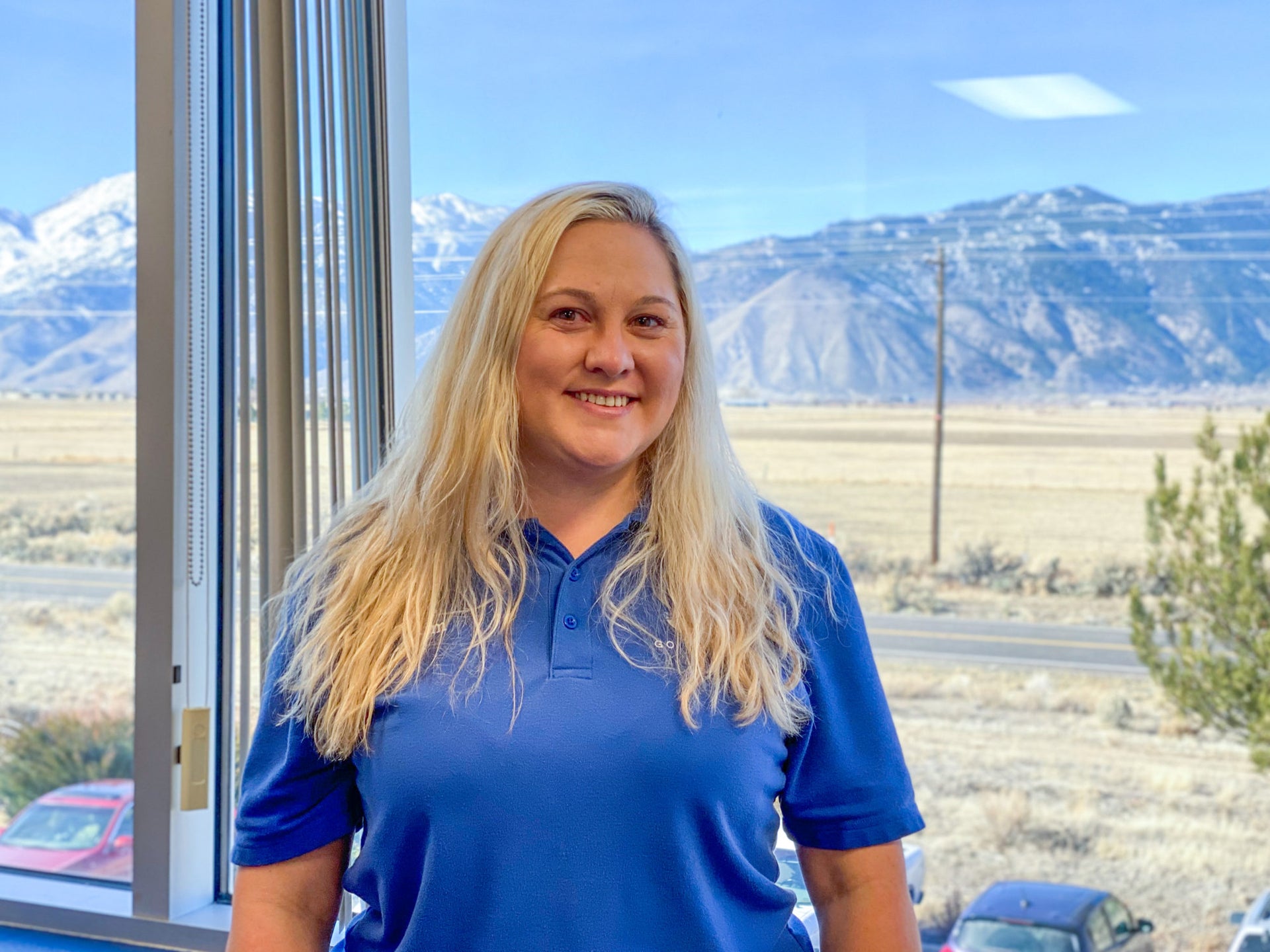
DIANA SEARS : UTILITY OPERATOR AND QUALITY CONTROL
INTERNATIONAL WOMEN’S DAY AT NORTH SAILS
Introducing Diana Sears: Utility Operator & Quality Control
In celebration of International Women’s Day, we introduce Diana Sears, Quality Control Utility Operator who spreads her knowledge of the 3D sail making process across all areas of the manufacturing facility.
What drew Diana Sears to working for North Sails? “Someone told me they were building sails out here. I said, ‘in the middle of the desert?!'” She’s been in Minden for 13 years, and has worked in various departments during her tenure.
Diana’s North Sails career began in Films during the 3DL days. Within a year, she moved over to the gantry team; the group responsible for flying over a sail to ensure it is smooth when draped on the mold. As 3Di came online, Diana shifted her role to work with the pregger, the machine that spreads the thin-ply-filaments needed to make 3Di tapes.
📸 Amory Ross
Her in-depth knowledge of the manufacturing process eventually landed her in the Quality Control department, where she is oversees the details of an entire project. Diana’s strength is her experience and versatility. In addition to QC, she is also a senior level Utility, meaning she can provide assistance throughout the entire manufacturing facility.
As a Utility operator, Diana had to adapt to the changes of the sailmaking process. “I have experience in many different areas of the facility, I can be sent anywhere to help out as needed. If someone calls last minute for extra hands, they know I can step in to help get the job done. Mastering the many different manufacturing operations is one thing,” but Diana says the hardest part is our attention to detail.”
Having a complete understanding of the 3Di manufacturing process plays a big role in Diana’s Quality Control responsibilities. As part of the QC team, Diana oversees the details of an entire project, starting with making sure the proper tapes are selected for the designated sail order. “Each configuration of 3Di it’s own recipe. From the beginning, things have to be accurate, and I make sure each detail is correct. For example, the pregger Department weighs every roll of material (tape) to ensure each meets the targets for consistency and accuracy. If weights, that will red flag the roll before we move into the next phase.”
“I feel like we are part of something way bigger than what we have here, and Minden is pretty big.”
Diana also rides the gantry, providing her with a bird’s eye view of the mold. The gantry is used to apply heat to kick start the curing process and once set, Diana has the ability to fly over the mold before the infra-red lamps heat up to ensure the sail is draped smoothly and then again after consolidation to inspect the sail membrane. Diana focuses on the details of each step to assure quality and consistency.
“My job is so different each day because I get to do many things, and that makes it exciting. It’s the best of everything, and I really like that!” Today, she might work with the pregger team for most of the morning, then takes her expertise to 3D in the afternoon.
“Diana is an expert in every 3D department. Pregger, tape heads and molding. She’s the mother of two beautiful daughters, and is an exemplary employee.” – Per Andersson, 3D General Manager
“I like working in different departments. The constant changing environment keeps it exciting and new. Each day is different than the day before, and it’s fun to be part of every aspect and see the entire process through to the finish line.”
During her time with the Minden team, Diana has twice experienced sailing firsthand. “They took us up to Lake Tahoe to go sailing on a catamaran. Seeing the America’s Cup races in person up in San Francisco was by far the biggest highlight for me.”
“There are many lofts around the world and it’s important to keep in mind how large our company really is. I feel like we are part of something way bigger than what we have here, and Minden is pretty big. This facility and management is very accommodating to employees; that’s just one of the many positives you have working at a place like North Sails.
“I feel like we are part of something way bigger than what we have here, and Minden is pretty big.”
READ MORE
READ MORE
people
KIM DEPUTY: FILE PROCESSING
INTERNATIONAL WOMEN’S DAY AT NORTH SAILS
Introducing Kim Deputy: File Processing
In celebration of International Women’s Day, we dove into the brains behind the molding software to see what the role of file processing entails. We are proud to introduce Kimberley Deputy, who brings the sails from designs on the computer to life for North Sails customers.
Deputy is a File Processor at North Sails in Minden, NV, and March 31st marks her 17th year with North Sails. Throughout Deputy’s tenure with the company, her role has evolved along with the technology, and she now plays a major part in the production of 3Di sails worldwide.
In her role as File Processor, Deputy receives incoming sail design files and prepares them for 3Di build process. She works closely with the North design team to address any issues before the design is processed and built, utilizing proprietary software that produces sail production packages. Deputy is responsible for any adjustments made before the design files are finalized, and the sail enters production.
Image on the left is a headsail file that comes in from the designer. Image in the middle shows where the joiners are placed on each section of the headsail. Image on far right shows what the headsail looks like when placed on the mold.
Before Deputy’s role focused on file processing, she gained experience by working in other areas of the facility, which helped her develop an understanding of the entire 3Di production process. “I found sailmaking to be a unique process, and I was interested in learning more. I wanted to gain more experience, so I inquired about the file processing position; I am very pleased to be given that opportunity.”
Kim gives thanks to 3D General Manager Per Andersson, for his guidance. “He’s not only helped me to learn more; he’s given me opportunities to grow within the company. “Production Manager Brian Loshbough has also been a great supporter and facilitated my transition into file processing, which has been the highlight of my time here.”
Kim’s typical day consists of receiving sail designs and prepping their various file types for production. She does this using our North Design Suite™ (NDS) and a program called WARPS™. To begin, Kim applies a designer defined sail shape to a virtual mold (one of the large, wing-like structures used in the manufacturing process) in NDS, making sure everything is fair and fits appropriately. Next, she takes that same sail shape and runs it through Warps, telling it which product and associated options to apply: Tier (760, 780, 870, etc.), Exterior, (RAW vs. Endurance), DPI (amount of tape), Furl Style (different patch shapes). Using these inputs, Warps then associates the sail shape with its new tape “layout.”
Kim tests the clew section on the headsail design file to make sure it conforms with the mold. Each file is then placed into the nesting program, which then outputs the tape information and puts the design layout into the language the mold can understand.
This layout defines the types of tape applied and the precise location and orientation. Taping machines, or “Tape Heads,” can read the files produced, and then use them to lay the actual tapes on the floor. Once taped, they are then laid onto the physical molds by the films team that corresponds to the mold file that Kim set up previously, then vacuumed sealed and consolidated using the IR heat lamp.
Kim translates sail design data into software language the 3D molds can understand. She inspects every detail of the design and how it’s applied to the mold. “It’s important to test things out before they make it to the mold to make sure the mold can create the file as the designer has requested.”
“Kim is a design expert in her own right. She can weed out what would likely have been a serious mistake before it hits production. – Per Andersson, 3D General Manager
Sometimes file processing can be tricky, requiring rework or redesign when the original design does not relate to the mold correctly. “It’s not always easy for the sail designers either, but it’s my job to explain what needs to change to them, so the sail designer can adjust the design to make it work with our programs and our molds; making sure things run smoothly is how we avoid issues later on.”
The picture shows the file from our processing software. That highlighted green area is showing the gantry’s motor movements. The arrows on it represent the direction of what side the IR lamp will start from and how many passes each file has. 📸 Amory Ross
Overall her job can be complicated, she says. “The hardest thing is training someone new on how to shape the sail on the molds.” While Kim says it’s frustrating at times, she understands these details are an essential part of her job. “The ability to do a job correctly will set an employee up for success and growth within the company.”
Because Kim is involved in the pre-molding stages, watching it all come together on the production floor gives her the most satisfaction. “Sometimes, I get the chance to help drape the sails on the molds. That makes me feel like I am part of the process from start to finish.”
Although Kim’s on-the-water sailing experience is limited, she does have a good idea of what it’s like. One of her favorite memories was when Minden employees had the opportunity to travel to San Francisco to watch the America’s Cup World Series in October of 2012. Kim was also sent to Sri Lanka in 2018 to help align the 3D teams with up to date software. “How the sails are built is very special, and I enjoy all aspects of working here.”
What makes the Minden manufacturing facility a great one? “Our sails are a lot stronger and last longer than basic sail technology,” says Kim.
“The materials we use improve the overall product; that’s what makes 3Di so special. We take pride in what we build, and that is because we want to provide our clients with the best options in sail technology.”
READ MORE
READ MORE
people
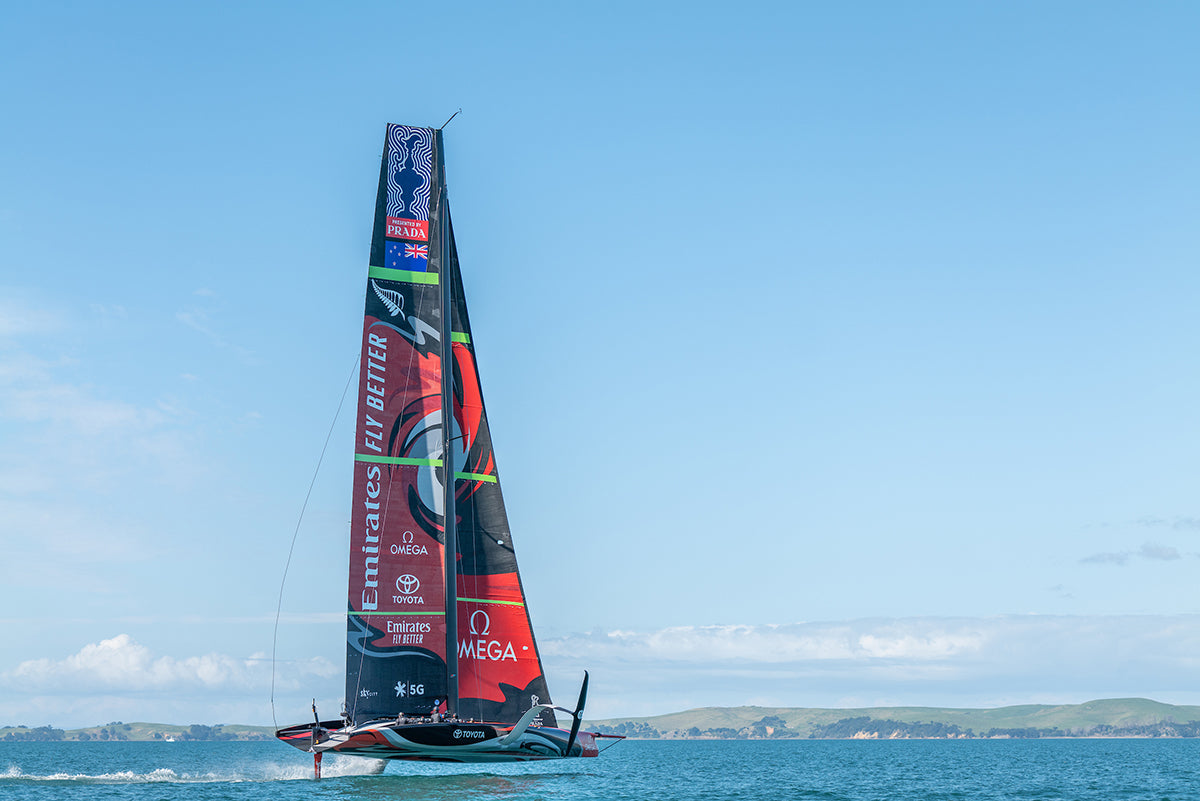
TEAM NEW ZEALAND'S FIRST IN WATER FOR 2021 AMERICA'S CUP
Representatives from North Sails New Zealand were in the crowd watching the race boat, christened Te Aihe or 'Dolphin', hit the water on a rainy Friday morning at Auckland’s Viaduct Harbour. "It was an amazing thing to witness," North Sails New Zealand sales and marketing manager Andrew Wills says.
READ MORE
READ MORE
people
SENIOR SAIL DESIGNER GLENN COOK JOINS NORTH SAILS
SENIOR SAIL DESIGNER GLENN COOK JOINS NORTH SAILS
The World’s Leading Sailmaker Continues To Attract The Brightest Stars In The Superyacht Industry
Senior Sail Designer and Superyacht Sail Design Expert Glenn Cook will join North Sails from October 2019. After 16 years with Doyle Sails North America as Head Designer, Glenn will play a key role as part of North’s global Superyacht team. He has an impressive track record of leading the design work for some of the most notable Superyachts to hit the water in the last 15 years. Standout projects include the iconic 147 metre Sailing Yacht A, as well as the eye catching 106 metre Black Pearl and 88 metre Maltese Falcon. For Sailing Yacht A in particular, Glenn developed sailing systems over the course of four years in partnership with Dykstra Naval Architects, Magma Structure, Future Fibres, Cachini and Bamar.
As Head Designer at Doyle, Glenn was responsible for the design and engineering of sails for a range of boats, from dinghies to Superyachts. As a Senior Sail Designer at North, he will be focused primarily on the Superyacht market from the outset. Glenn will be charged with bringing his unique experience and skill set to the preliminary design and engineering stages for new Superyacht builds and refits, and importantly acting as a link to the product team to ensure the right sails are manufactured and delivered for each owner.
Commenting on the new hire, North’s Director of Design and Engineering JB Braun concluded, “Glenn joining the North Sails team is another important step in ensuring we have the very best people working on our global Superyacht team. North is known for its groundbreaking 3Di technology and world beating products, but we know that success only comes from the people working within the company. All our product innovations and breakthroughs come from the dedication, hard work and skills of our team. And complete customer satisfaction is our goal. I have no doubt Glenn, with his unprecedented experience and talents, will be a key part of our ongoing commitment to our clients and everyone will benefit.”
The move continues the trend of world class talent in the Superyacht sector joining forces at North, with Commercial Manager, Andrew Schneider also joining from Doyle in 2019. Combine this talent with a number of young rising stars in North America, Europe and Asia-Pacific joining the Superyacht group, the outlook for clients seeking design, product and service support around the world has never looked stronger.
Glenn also has years of experience in software development, so will play a critical role in the further development and optimization of the North Sails Design Suite, with a particular focus on the Flow™ and MemBrain™ programs. The suite of in-house design software is key to analyzing and developing 3Di sail structures to create optimal custom layouts. Glenn’s career as a Head Designer will therefore add value across the entire design and product development process.
Glenn Cook added, “As a long time competitor to North I have followed their product developments and technology very closely. Ultimately I wanted access to these tools and products to better fulfill increasingly complex and demanding superyacht projects. Many of the best minds in sailmaking and sail design reside at North. I am honored to join this team and looking forward to working with such a talented and motivated group of people.”
Glenn will be based in Marblehead, MA and will work closely with international clients, project managers and industry partners to deliver custom sail solutions for many of the world’s most unique sailing vessels.
READ MORE
READ MORE

people
EXCELENTES RESULTADOS EN EL TROFEO CONDE DE GODÓ
El 46º Trofeo de Vela Caixabank Conde de Godó finalizó con excelentes resultados para North Sails.
READ MORE
READ MORE
people
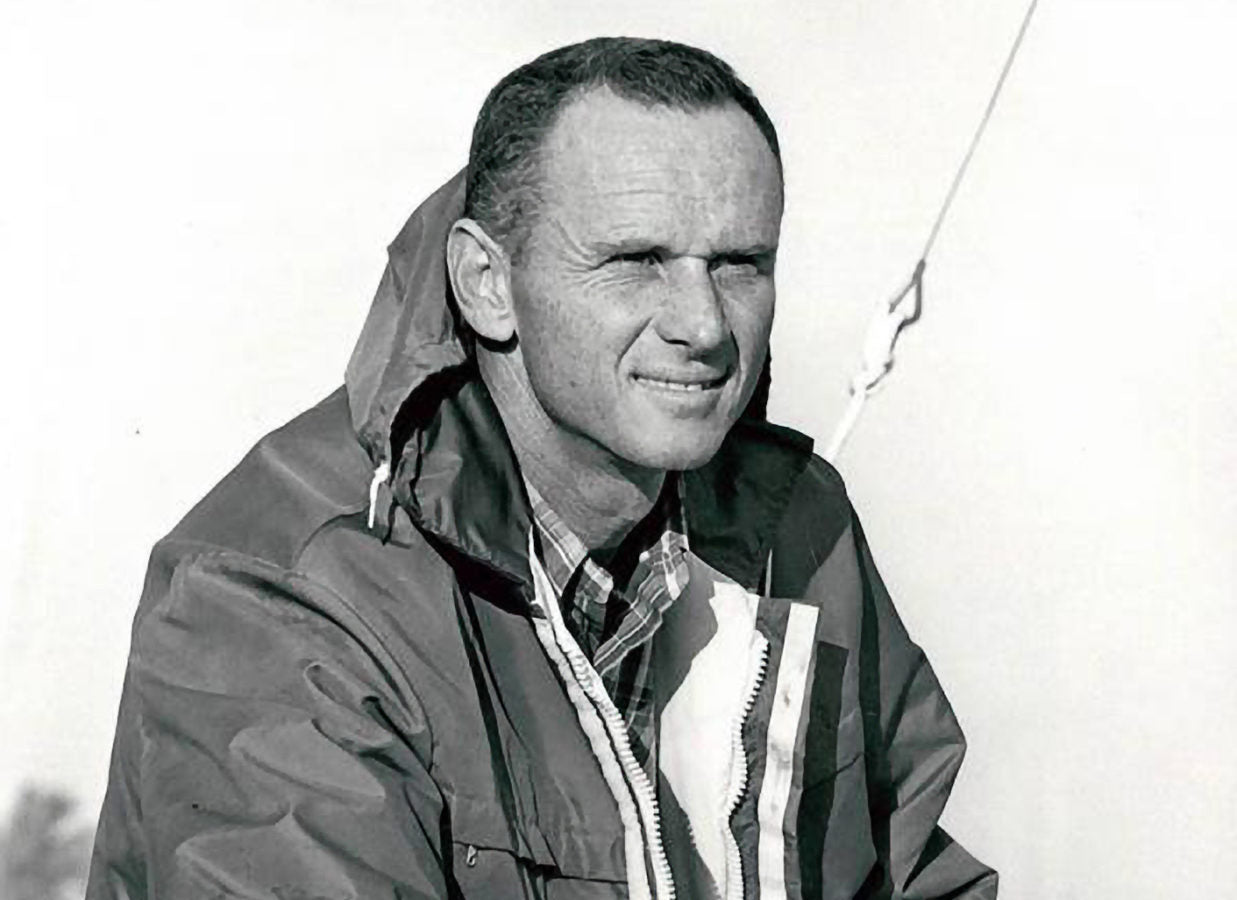
REMEMBERING LOWELL NORTH
REMEMBERING LOWELL NORTH
The Founder of North Sails Shaped Our Business and The Industry
Lowell North, the founder of North Sails, has passed away. Nicknamed “The Pope” by his peers, Lowell began his sailmaking career at the age of 14 when his father purchased a Star with cotton sails. The father and son team came in last in every race, motivating the young Lowell to recut the mainsail. The rest, as they say, is history.
“He pioneered new ways to make and shape sails. His clear purpose, creativity, and competitive spirit continue to drive North Sails today”
As an aeronautic/aerospace engineer, Lowell knew he could build a better sail through rigorous testing and incremental improvement. His methodical and scientific approach to sailmaking changed the industry forever, and it also helped him win five Star World Championship titles and a gold medal at the 1968 Olympics. The foundation laid by Lowell in 1957 has permanently shaped the North Sails culture.
“Lowell’s philosophy when building North Sails was simple,” explains North Technology Group CEO Tom Whidden. “Get the best people, who he called Tigers, and commit yourself to the science and technology of making the best product. He pioneered new ways to make and shape sails. His clear purpose, creativity, and competitive spirit continue to drive North Sails today—even as the company explores territories he never could have imagined.”
Lowell sold North Sails in 1984 and retired from sailmaking. He continued to sail, racing his boat Sleeper for many years, as well as cruising the Pacific. He passed away in San Diego at the age of 89, with his wife Bea by his side. He will be greatly missed.
READ MORE
READ MORE
people
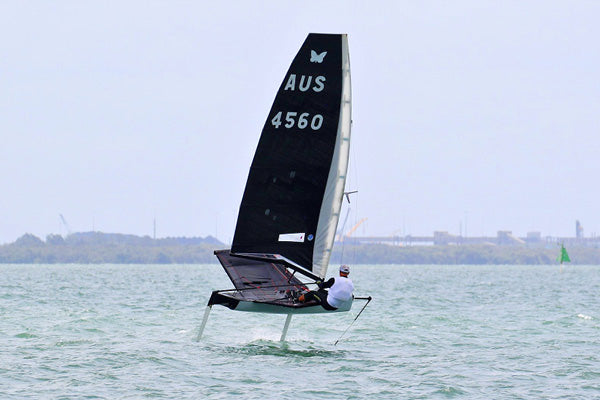
ROB GREENHALGH: GRAND PRIX VERSATILITY
ROB GREENHALGH: MOTH CLASS LEADER
Leading Expert With Grand Prix Versatility
📸 Nic Douglass / SailorGirlHQ
From Moths to Maxis to Multihulls, this pro sailor can make any sailboat go a little faster.
While Rob Greenhalgh didn’t officially join North Sails until 2018, he says the company was the first sailmaker he ever heard of. “I’ve always seen North as the biggest brand in the sport,” he says, adding, “and without a doubt, the best product in the sport. I wanted to associate myself with the best brand,” so he’s now based out of the Sydney, AUS loft.
A UK native, Rob learned to sail at age seven from his parents, who were “always into it.” The family lived in Sri Lanka for a few years, and after the Greenhalghs moved back to the UK, Rob stepped onto a 49er for the first time—just as the class joined the Olympic roster. “It was kind of a lucky year, a sort of revolution with asymmetric boats,” he explains. “49ers, then 18-foot skiffs, International 14s.” A lot of his success, he claims, stemmed from “being there in the right place at the right time.”
“Finding time to fit it all in is hard, but I’ve always been a dinghy sailor at heart. I love going back to the grassroots of some simple tactical racing, focusing on boathandling and tacking on small wind shifts and starting well.”
His big break into Grand Prix sailing came when he was invited to join the ABN AMRO team for the 2004-2005 Volvo Ocean Race. “I think we’d just won the 18-foot Skiff Worlds or something like that,” he remembers. “And I was doing a lot of other sailing. That set the scene for the next five Volvo races, and whatever else has happened in between.”
Rob’s impressively varied CV includes a string of podium finishes in various skiffs, as well as one victory and two second place finishes in the Volvo Ocean Race. Halfway through the 2011-12 VOR, he took up Moth sailing to avoid “a mental breakdown,” and he’s since racked up national and European titles in that class while maintaining a hectic racing schedule on the offshore and multihull circuits. “Obviously finding time to fit it all in is hard,” he says. “But I’ve always been a dinghy sailor at heart. I love going back to the grassroots of some simple tactical racing, focusing on boathandling and tacking on small wind shifts and starting well.”
The Moth keeps him current, Rob claims. “There’s so much going on; you’ve got the foiling, which is obviously the big fad at the moment. And the rig technology is pretty important. It’s a very good test platform for ideas and learning about the sport.” It also keeps him close to his roots. “I’m very conscious about not losing touch with being a dinghy sailor, and actually enjoying the sport, rather than just being the mercenary professional.”
A typical week finds Rob out on Sydney Harbour almost every day, in a wide variety of boats. “This last weekend it was a three day regatta on a TP52. Then Monday I did a Moth training session with the squad here. Tuesday we do a little evening racing on the Cup boats, which are Elliot 7s. Wednesday I went sailing with a grand prix client. Today I’ll go Moth sailing again, and tomorrow there’ll be sailing of some description. Then Saturday is another event in the morning, followed by Moth sailing in the afternoon.” May, he says, is “the only quiet-ish month,” because he spends much of Sydney’s off-season competing in the northern hemisphere. This year he’ll take part in the Transatlantic Race and Fastnet—another event where he’s posted a few records in both monohulls and multihulls.
Rob does make time for his favorite hobby. “If I’ve got the day off,” he says, “I’ll definitely go fishing.” But most days, he’s trying to fit in a little Moth training between his many other obligations. “It’s all sorts of sailing, with either North Sails clients or as a professional—here, there, and everywhere.”
📸 Martina Orsini
READ MORE
READ MORE
people
FLAVIA TOMISELLI: SAIL DESIGN
FLAVIA TOMISELLI: SAIL DESIGN
Key Roles Played By Women Within The Leading Sailmaking Brand
© Nico Martinez
Flavia Tomiselli is looking to make a big splash this coming season in the design world. Not only is she in the business of grand prix, she’s looking to break into the superyacht segment at our largest manufacturing facility in the world, as an up-and-coming sail designer.
As a teenager in Italy, Flavia got a taste of racing through a local summer camp. At the University in La Spezia, she studied ocean engineering surrounded by sailors. At 50 kilograms, her size makes her perfect for small one designs (420s, 29ers) and keelboats (Melges 24s, Este 24s, Melges 32s). Her weight helped earn her some pro racing opportunities early on, and now she combines a design-trained eye with sailing talent.
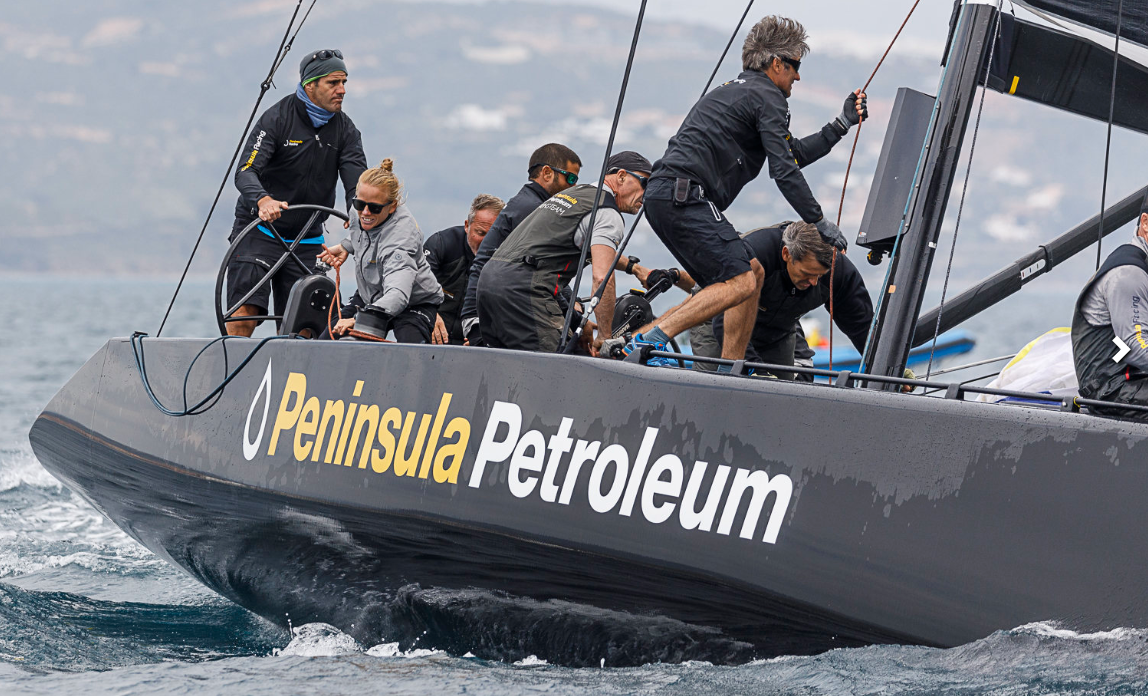
This year, Flavia will join Alegre for the TP52 Super Series. “I love racing. I learn more every time I get to sail. There is always a discussion about what could be better. It’s good for me to see what we do and how things work, both on and off the water. I try to be involved as much as possible in the performance debriefs, which helps me apply it to my every day at work.”
© Nico Martinez
When North Sails expanded in Palma, Flavia was a superyacht project manager. After the expansion, Flavia joined the design team. For 2019, she’s excited to gain more experience with superyachts and grateful for the chance to be a part of such an excellent team.
Flavia works closely with Heine Sørensen, a Dane who’s designed North Sails for 18 years. “Heine comes to Palma once a month, and we are always making sure we are on top of the current projects. He has taught me a little bit of everything about sail design. I enjoy learning from him because he is calm and precise, and a great teacher. It’s nice to learn from someone who is so articulate because everything makes sense and has order. He’s got a ton of experience, working on superyachts for many years. He is my mentor; we’re having fun.”
“Flavia is very dedicated and easy to work with,” Heine says. “She is eager to learn and working with Future Fibres and Southern Spars has given her a wide range of technical knowledge within our industry. She is a keen sailor in the RC44 and TP52 too. She doesn’t say no to a good Italian lunch either, which we all are benefitting from!”
-Heine Sorensen
“I’ve always looked for a job that could allow me to keep sailing and that wasn’t going to work with engineering,” Flavia responds. “I like my job with North Sails because it allows me to do what I love, but still all ties together. One day we are fitting new sails, then measuring the boat, then we go out and see how the sails look.
“Designing sails isn’t just what you see on a computer screen. You see how the whole boat revolves around sail power which for me is the big picture. The two come hand in hand.”
This season, Flavia will be sailing on team Alegre with mainsail trimmer and North Expert Noel Drennan, and lead Sail Designer Kevin George.
“I learn from what I see on the boat,” she explains. “Being on the water helps me relate to North Design Suite back at the office. Applying all the little things discussed on the boat gives me a much better understanding of how to be better designing sails.
© Nico Martinez
“Winning is always a great feeling,” she continues, “whether it’s a little regatta or world championship. When each team member is doing their job and doing it well, it helps create a positive atmosphere. In this level of sailing, a big part of our job is making sure the owner is happy, and that’s also the feeling of winning. Last year we placed third at the 52 Worlds and it was a great achievement.”
When asked about being one of only a few women in sail design, she replied; “I’ve never had any doubt that I could do the same work that a man could do, whether sailing competitively or designing sails. I knew that it was what I wanted to do and I managed to make it happen. I still work hard every day to get better.”
As a female sailor, Flavia has had unique sailing opportunities that have helped further her career.
“To excel you have to be confident,” she says. “For girls, it may be hard because we are not always the strongest physically, which could exclude women from many jobs onboard; that doesn’t mean there are not jobs that a woman would be perfect for.”
© Nico Martinez
When Flavia isn’t learning about sail design or on the water racing, she focuses on building and maintaining the strength she first found as a gymnast. This year she’s added running to her workouts, including training for a marathon later this year. She also loves hiking, cycling, and rollerblading. “That’s one of the reasons why I moved here ,” she says. “During the winter it’s quiet and I can focus on various things to keep me in shape. Palma has excellent terrain for outdoor activity, so I easily keep myself busy year-round.”
Flavia starts training for the TP52 Super Series season later this month and is excited to get back on the water. “We worked hard last season and got better each time. I hope that we’ll be able to start from where we left off at the Worlds. This year I’ll be more prepared from a design standpoint, and can learn more about what I am looking at onboard.”
Flavia knows she’s in the right place. “The good thing about North is that you are surrounded by so much knowledge. Their technology is very advanced. There are many people within the company that specialize in all sorts of things. From small boats to superyachts, there is an expert that knows it well. Having advanced knowledge of sailing is what makes me proud to work for a company like North Sails.”
Her advice to girls trying to break in?
“Don’t ever give up,” she says. “Do what you like and keep doing it, stick to the plan, keep learning, and you’ll get where you want.”
© Nico Marinez
READ MORE
READ MORE
people
JOSIE GLIDDON: ACCOUNTING
JOSIE GLIDDON: ACCOUNTING
Women Who Play Key Roles Within The Leading Sailmaking Brand
© Mark Jardin
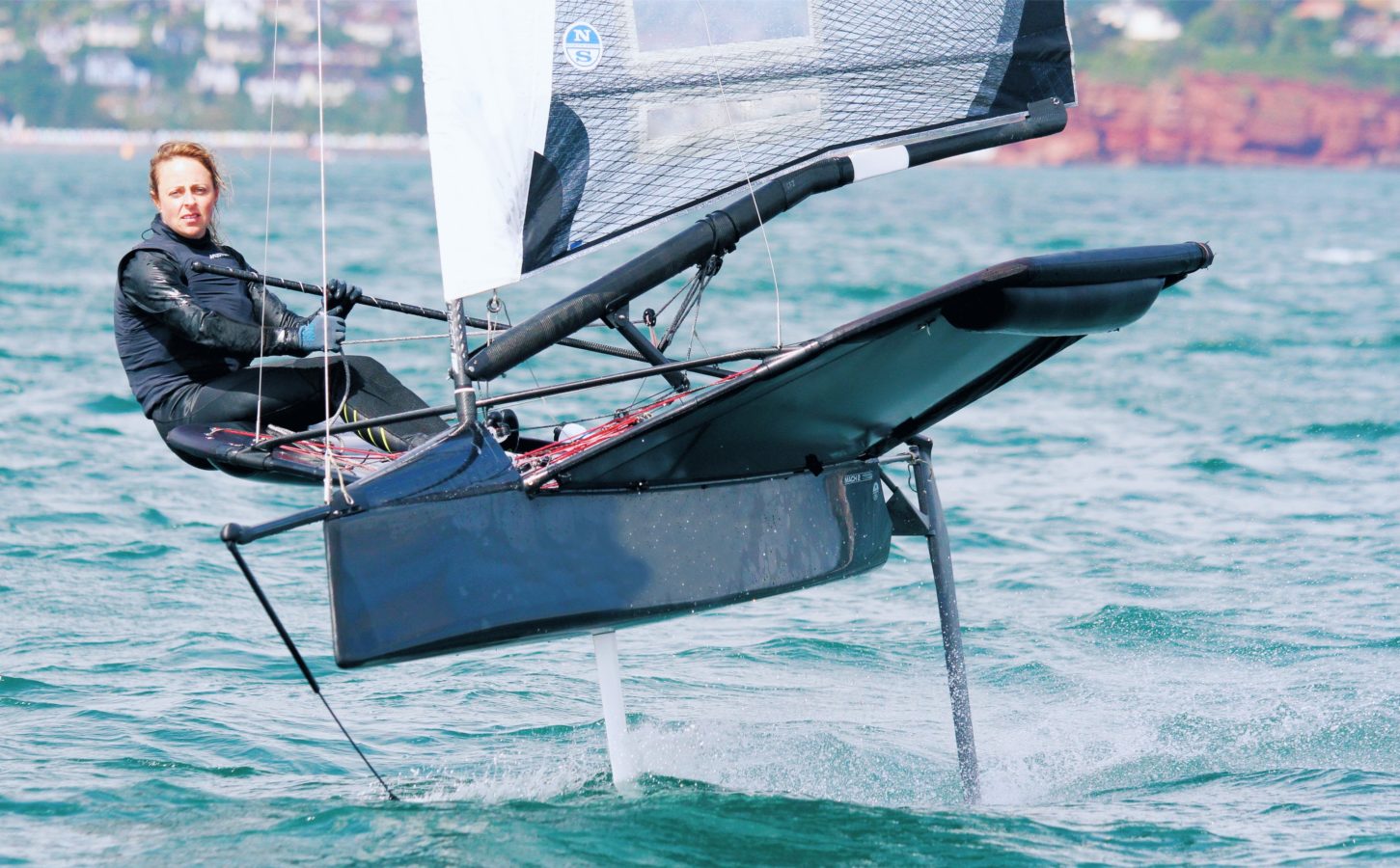
Josie Gliddon is Global Finance Transformation Lead at North Sails, based in Gosport, UK. Day to day, you can find her making sure our numbers can be reconciled. After work and on the weekends, you’ll find her on the water.
How did she start sailing? At eight, Josie went to sailing camp with her sister and got hooked. Her dad bought her a wooden Optimist, which she named Snoopy.
Her parents had a Norfolk Dinghy, but racing as a family was nothing compared to the independence of sailing an Opti down the river with friends, playing pirates and having a great time. Josie she will compete at the J/70 Worlds this year. She will also be racing the Fastnet on a J/122, her second year with the team; she is hoping to be navigator again because she enjoys that role.
“You feel like a complete beginner again, and foiling tacks are difficult. Being able to make it around the racecourse in 25 knots of breeze is extreme.”
© Mark Jardin
“I’m not top 10 of the Moth fleet yet, but I’m fully mixing it up with the rest of the sailors. Being able to foil around the course and properly race the Moth to its full potential is the best feeling in the world.” Josie is small, so she uses a “kiddy” rig to compete against larger sailors.
Josie’s next big Moth regatta is Foiling Week in July. Last year six women registered, and Josie placed first overall in the women’s division; she also finished in the top third overall, “which is more of the win in my books because I don’t necessarily compete at a female level. I compete on the same start line like everyone else.” The boat’s developmental approach gives plenty of opportunities for women to be competitive once they get the technique down.
© Martina Orsini
Josie gets out in her Moth as much as she possibly can. Her husband Paul also races Moths, so she is grateful to have his support and time with a good teacher.
“He’s a bit of an adrenaline junkie, so he likes his mountain bike, windsurfing, and he loves the Moth. It’s great. We can go sailing after work, and we can also go sailing at weekends and spend much time all week together.”
Since accounting jobs never disclose the company in the job specifications, Josie says;
“Try and find a company that you’re passionate about is almost unheard of. I just happened to be in the right place at the right time, and someone rung me up and said, “Are you looking for a job?” This was my dream job.”
Asked what she likes about working for North Sails, she said she enjoys the challenge. “Yes it is hard sometimes but everybody’s really passionate about doing the right thing. Whether it’s the Design team, Sales, Manufacturing or us in Finance, we’re all trying to do our very best, and that doesn’t exist in many companies that I’ve worked for in the past. I believe in the brand. I believe in the company. I want the business to grow. That’s why I like working here.
“Everybody’s passionate about doing the right thing,” she says. “Whether it be the design team or the sales team or the manufacturing team or us in finance, we’re all trying to do our very best, and that doesn’t exist in many companies that I’ve worked for in the past. I believe in the brand. I believe in the company. I want the business to grow. That’s why I like working here.”
Josie , top female at 2018 Moth Europeans © Martina Orsini
Josie enjoys her job for many reasons and enjoys working to help get more women into the sport of sailing. Knowing she has many sailmakers to choose from when she goes out on the water, she sticks to North because “The results speak for themselves. The thing which stands out for me from a client perspective is that there’s this element that North Sails gives that perhaps isn’t the physical, tangible thing that you buy. What you’re buying are these added intangible services. North provides expertise across the board. The services teams go beyond to assist clients globally, as well as North’s designers and experts, who are also excellent sailors and spend time on the water to create the best possible products. You can’t put a price on that, and that’s what sets North apart from the many other sailmakers.”
Juggling her day to day job and her passion?
“The answer is I work hard to play hard,” says Josie. I immerse myself in everything I do. I’ve always had this philosophy that if you have two passions that both inspire you, it makes you more efficient at both.”
When Josie isn’t at work or on the water, she’s staying fit. She works out five days a week, with her Spotify playlist as her gym buddy. Other than her goals of staying fit and keeping her head in the game both in the office and on the water, her goals for this sailing season other than to be top female finisher are to break into the top 20 at Foiling Week, Top 20 at J/70 Worlds, and to complete the Fastnet.
We are excited to see what her 2019 season brings, and we’ll keep an eye out for her on the starting line, where she is known to take an occasional port-tack flyer.
📽️ Day Three of Moth Worlds in 2017, Josie races in from the port end of the line in big breeze. Go Josie!
READ MORE
READ MORE

people
WILL WELLES J/24 CLASS LEADER
WILL WELLES J/24 CLASS LEADER
Two-time World Champion Loves to Share His Tricks
© Chris Howell
As a double world champion in the J/24, Will Welles has made good use of all the lessons learned over the years. “It’s pretty different than a lot of other boats,” he admits, adding that having a genoa changes how the boat is sailed (and tuned) compared to other small keelboats. Then he passes along a few other tips as well, because even during a winter office-bound interview he can’t resist sharing his knowledge.
Favorite job, favorite boat
Now based out of the Portsmouth, RI loft, Will learned to sail as a kid on Maine’s Mount Desert Island. “We always had a lot of boats around our place and were always fixing boats and working on boats,” he remembers. He sailed J/24s on and off but didn’t “fully get into it” until high school. After college, he bought a J/24 cheap and fixed it up himself.
“I just like driving boats,” he laughs. “One of my favorite jobs ever was working on the dock crew at Hinckley’s as a high schooler. I basically drove boats all day, in and out of the lift, to the dock, to the mooring. Powerboats, sailboats, whatever. I just loved it.”
As for the J/24, one aspect he enjoys most is the five person team, he says.
“It really is a little big boat, and you get on the road with a crew that you like. It’s fun on the water. It’s fun off the water. And I’ve been doing it a long time. It’s kind of what got me into all this with North Sails.”
Since his first job at North in 1997, Will’s worn a lot of hats. “I would sell big boat cruising and racing sails. I sailed a lot of events in larger boats, but always did the one design. That’s what I focus on now, one design sailing and selling.” In addition to the J/24, Will also sails Etchells, J/70s, Shields, and IODs. “I’m a strong believer in sailing what’s in your backyard, and the two biggest classes here in Newport are J/24s and Shields.”
© Chris Howell
Inventory Update
North’s J/24 inventory has proved itself by winning the past five Worlds, but Will says “We’re always looking at different things. A lot of things have been tried numerous times over the years. We feel pretty happy with the upwind sails, the main, genoa, and the jib.” There are two genoa options, and he says most people choose the DX7TT genoa, which excels in waves. But “they’re both good,” he clarifies. “You can’t go wrong. We usually tell our clients to stick with the genoa that they’re used to using.”
For spinnakers, most people buy the FR2. “We’ve worked on that quite a bit,” Will says. “It’s a full radial sail and it’s great in zero to 40. So that’s definitely the sail of choice.” Spinnaker design has evolved a lot over the last several years, he adds,
“So that’s one sail we’re working on. We haven’t found anything better than the FR2 yet, but we’re still trying… always looking to make sure we’re providing the best product possible.”
Number one J/24 trick
Why does Will keep coming back to the J/24, even after winning two Worlds? “I like that it is a super technique boat,” he says. “Once you learn the little tricks, it can be pretty good.” Asked for specifics, Will talks first about sail trim.
“You really overtrim the main to get headstay tension once you’re going. There aren’t many boats where you trim the main that hard, so that’s a big thing.”
And his number one trick? That’s a question he gets quite often at regattas, so he has a quick answer. “The biggest thing is to get comfortable with sailing the boat flat—once you do that, you really have something. The helm feels awful, but it’s the key to getting upwind the fastest. So you gotta go out there and practice it and get comfortable with it.”
© Chris Howell
Dock talks and helping customers
Will does dock talks at most big J/24 regattas, because he feels so strongly that sharing information is a big part of keeping classes going. “You gotta put back, especially into classes that have been good to you. It’s good for the class. It’s good for North Sails.” And even beyond the call of duty, Will says he enjoys helping people get faster—especially when a customer is actively taking notes. “That’s what you want to see when you’re standing up there, putting the time in. It’s good.” So, thanks to his sharing ways, all of Will’s customers can make good use of the lessons he’s learned as well.
Read more about Will’s 2018 Worlds victory
© Chris Howell
READ MORE
READ MORE
people
NEW CLASS LEADER FOR THE 5.5 METRE
NEW CLASS LEADER FOR THE 5.5 METRE
World Champion Christoph Burger Takes On New Role
© Robert Deaves
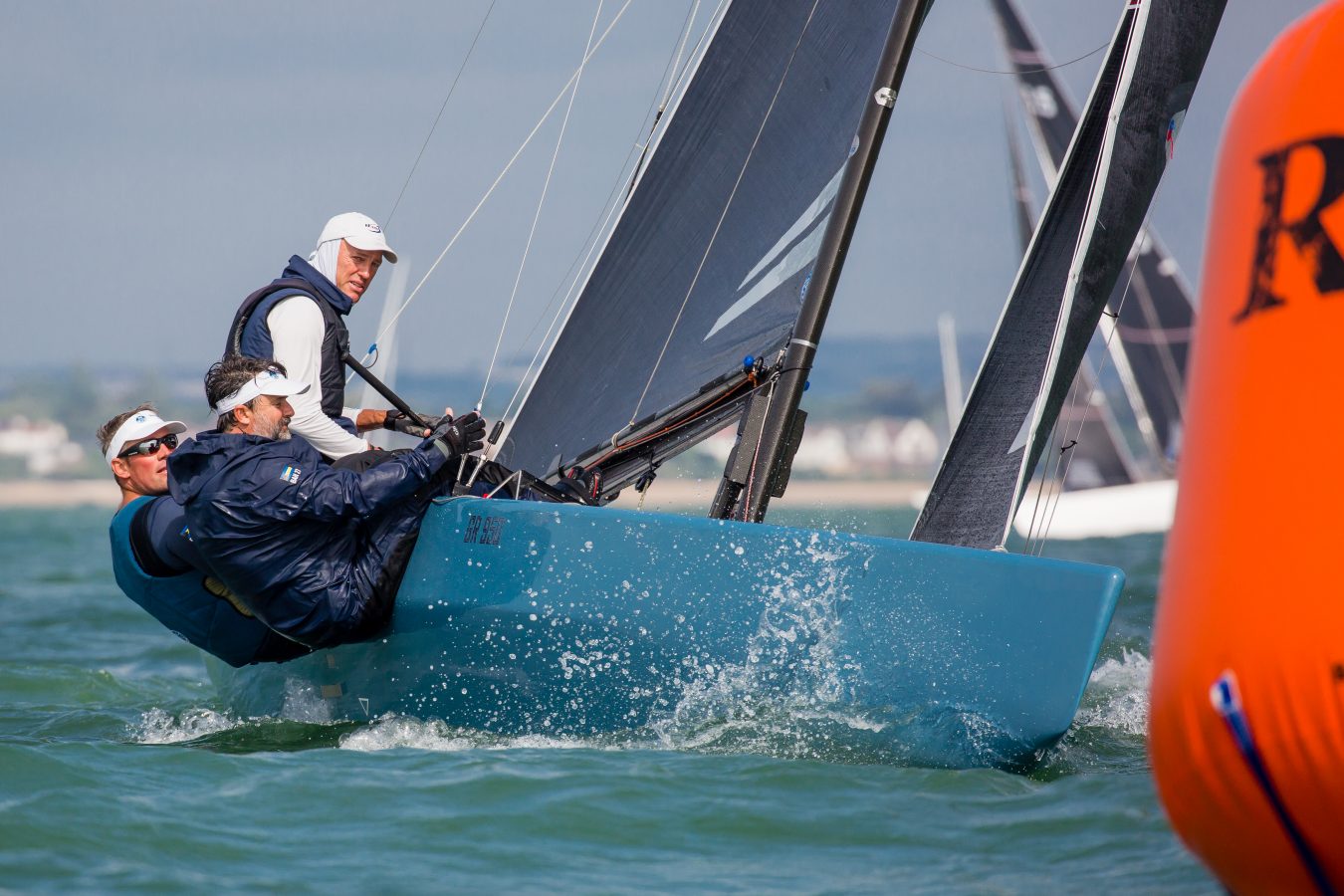
Christoph Burger has sailed a lot of different one designs since childhood, including two Olympic campaigns in the Finn, but he’s always returned to the 5.5 Meter class. “My dad built one of the first modern boat in 1994, when I was 18. That was my first link and I never really stopped sailing this beautiful boat.” Taking over as 5.5 class leader for North Sails has been desirable, he says, because “it is one of my favorite classes to sail.”
Based in Switzerland, Christoph joined North Sails in 2013 and now combines professional sailing and coaching clinics with selling sails. “That’s often a win-win situation. When you introduce someone to sailing or help him to get better, then the orientation to North Sails is very helpful and simple.” He continues to sail other classes, including the Finn, J70, Dragon, and Star, as well as campaigning the 5.5 as middle crew on New Moon, a Bahamian team that won the 2018 Worlds. They also finished either first or second at the other big 2018 regattas.
“I’m always saying you don’t have to win every regatta to be a good salesman,” Christoph says, “but it helps now and then that you’re on top and people look up to you. I’m really happy that other North Sails clients are performing well; I think we won all the regattas in 2018 and all the podiums with our sails.” Which is easier to do when ninety percent of the top 10 during the 2018 worlds, of the fleet is using North Sails.
© Robert Deaves
Sail Development
3Di is an “absolute rocket ship” in moderate to heavy winds, and Christophe says he’s quite happy with the current three jib designs (light, medium, and heavy air). “The designers just finished a lightweight jib and clients are buying.” The spinnakers are also fine up and down the range, so the next development project is to tweak the mainsail design to be more dynamic in light air.
“Only a year ago, we were the only team having 3Di sails,” Christoph reminds us. “We decided not to use them because they were not officially for sale yet and it would’ve been too much of a speed advantage. Now one year later, we’re already talking about new mainsails again!”
Technology unique to North makes it possible to continually improve designs, but that can be potentially confusing to his customers.
“I have to communicate really well what we have right now and where we want to go, and make a steady clever but sustainable development of the product.”
The 5.5M presents some specific challenges compared to other classes because it is not strictly one design in hull shape. Like twelve meters and other meter classes, “5.5” is the output number of a formula that includes hull displacement, waterline length, and sail area.
“So if the boat designer chooses to have maximum sail area, he has to build a heavier boat or choose a shorter waterline,” Christoph explains. “Each boat has its own sail plan; they all look the same but they’re optimized for each boat.” At the end it is still the crew that makes the biggest difference.
5.5 sailors like to be kept informed about sail developments, he says. “It’s not their profession like ours, they don’t have their heads 24/7 around sails. So whenever they see me, they’re really excited. What’s the new guy’s doing, what have I been doing, what’s the latest.” That’s a nice entry point for Christoph to explain the latest design tweaks.
© Robert Deaves
On the boat
Christoph won the second title during the 2018 5.5M Worlds with a team that has sailed together for three years. “Basically I’m responsible for the boat setup,” he says. “Which sails and then what tuning, getting the whole setup ready to go sailing. On the water, I’m doing strategy and tactics and a little bit of everything. The helm focuses on the steering and the bow is calling wind and current.” Christoph adds “But at the end we are a team with equally importance. We stand and fall together”. His team is excited to compete at the 2019 Worlds, the 100th anniversary of the class, in Helsinki—where the very first Gold Cup was sailed.
Off the boat
Christoph isn’t home much during the sailing season, so he tries not to schedule any travel in December to January in order to have time with his wife and three kids—aged eight, six, and three. The family enjoys skiing, as well as all kind of sports.
“It’s very cool to see the little ones growing up,” he says. “I’m always the first one suffering when I’m going sailing for two weeks.” A few winter boat shows are also on the docket this year. “It’s always good to get to see clients in a different environment. At regattas, everyone is in their own focus.”
The sailing season starts up again in early February with a J/70 regatta in Monaco, which makes Christoph grateful for his access to other North Sails experts. “As soon as I have a question I shoot an email to a colleague and he responds normally within a day, so I have a perfect first-hand answer. I do the same with the others.
“You have to keep on working and do your homework so you can be better,” Christoph adds. “I’m trying to get better every year.”
© Robert Deaves
© Robert Deaves
© Robert Deaves
READ MORE
READ MORE
people
DESIGNER SPOTLIGHT : MICKEY ICKERT
DESIGNER SPOTLIGHT: MICKEY ICKERT
In Search Of The Holy Grail Of Sail Design
© Nico Martinez
Mickey Ickert has been involved with 3Di for over a decade. “I think it must have been 2007 when I first saw a 3Di sail. We’d been fighting for years to reduce the dead weight in sails; mylar doesn’t do anything but keep the yarns in place. We always thought that if we can take that out and put more carbon in, we would have a lighter, higher modulus sail.”
What Mickey didn’t anticipate about 3Di was the adjustment designers would have to make to existing patterns.
“The string sails would stretch, so we’d counter that by putting extra curvature in the sails.” With 3Di sails, he explains, “The mold is closer to the flying shape so they are much more true to the design.”
As a result, the first 3Di sails were almost too stable. Trimmers (and designers) were used to sails distorting every time a puff hit.
“The mainsails in the beginning were beautiful,” Mickey says, “and everybody liked them, but the sail wouldn’t twist naturally. So we re-evaluated the structure and what makes the sail fly downwind, and ultimately the 3Di sails got lighter and lighter. Also the layouts changed to promote a little bit more active response.”
© Nico Martinez
3Di technology provides both repeatability and customization. The power of the North Design Suite allows designers to create shapes that will exactly match the finished sail. “Our tools are very, very accurate in terms of the shape we’re predicting and the shape we have on the water,” Mickey says. That gives designers the confidence to pursue a sail with a wider range of application. “One jib and one mainsail that deform themselves into the optimum as you go along. That’s the holy grail, not the reality, but you can push the envelope to it.”
To move toward this holy grail of sail design, Mickey becomes the conduit between sailors and the North Design Suite. Using Flow and Membrain, he can see the predicted flying shape. Then he climbs onboard and talks to the trimmers. “Say for example the feedback has been that the sail is a little bit weak up the range. You use your experience, the VPP, and feedback from the boat to figure out it’s a little bit full, a little bit round in the back. Then you design a sail to take care of these performance shifts.”
He uses the computer to answer questions that come up on the water. “Would the boat be going faster if the jib was flatter? How might we expand the range of the sail? The tools can help in making these decisions. The higher end flow predictions give an idea of what direction the combined system of the boat, the hydro, the aero, and the sailing team want to go.”
Mickey came to the North design team straight from the loft floor, not from an engineering background. “I’m a sailmaker by trade,” he says. But when he first joined North Germany in the early 1980s, Michael Richelsen was “inventing all the tools” so Mickey was able to “jump on the first wave of sail design.”
“It’s good to have different perspectives. Over the years, you get enough experience and you work with good people and you absorb a lot. It’s about working together and the innovation you can underpin with the tools and designs that pushes the envelope.”
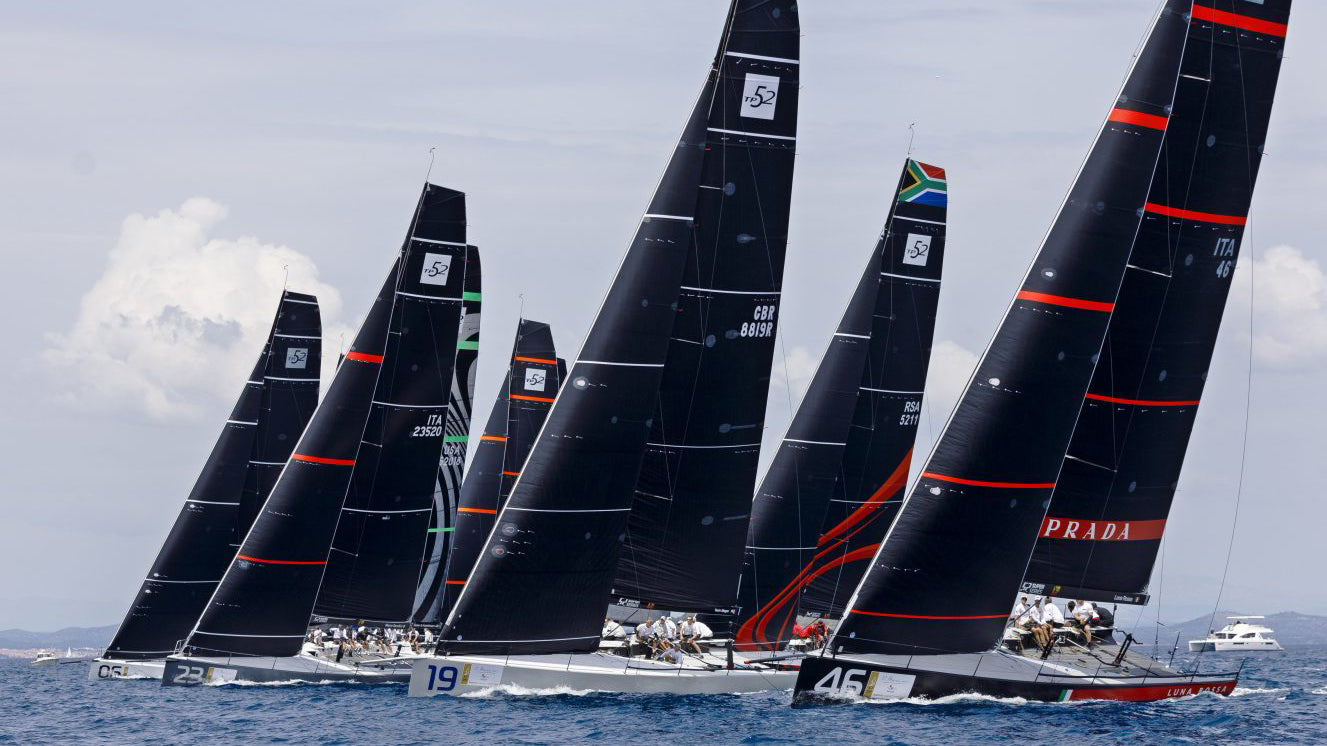
Based in Auckland, Mickey is currently active in the TP52 class, while keeping a very close eye on America’s Cup design developments. From November to April, he can generally be found tweaking designs from the previous season in order to improve them for the next. “You design the sail, you use Spiral to put the 3Di layouts over it, and you have a certain set of flow conversions to check. Then you pressurize the sail: ‘Okay, that is a flying shape.’ And you can rotate the sail around; ‘Okay, that’s roughly the look I’m after, I can visual the whole thing.’ And then you drill down, into the details.”
© Nico Martinez
From April to October, Mickey is on the TP52 circuit, talking to trimmers and also taking a lot of photos from off the boat, “because that is one view the trimmers don’t have.” Only by seeing the sails “in the wild” can he figure out how best to help teams get faster. There’s also a lot of information coming off the boat every day that needs processing ahead of the next morning’s briefing. “Performance data, sail shape data… it’s quite an involved process.”
Mickey says that, ironically, class sail limitations make updates and redesigns even more important. “If you have endless amount of sails, you wouldn’t need the analysis tools; you would just build more sails. But that’s an expensive way to go, so we use our tools to analyze performance and speed differences.”
Auckland is on the other side of the world from most Med-centric TP52 events, but Mickey says having a design team spread across time zones has its advantages. “If you wanna solve a problem quickly and you’ve got collaboration between JB , Juan Messeguer , and me in New Zealand, you’re spinning the wheel 24/7 without anybody actually working 24/7. In addition to the huge experience, you also have this real quick turnaround. So that’s very powerful.”
Worldwide design team collaboration has become even more of a priority under JB’s leadership. “We had a meeting in November and created work groups to focus on certain boundaries we want to push. There’s nothing quite like a difficult project and you say, ‘This is what I’ve been working on.’ If four or five think that’s a good way to proceed, that’s a pretty strong endorsement.”
Asked about his own sailing, Mickey says he sold his Farr 38 but still enjoys windsurfing. “We have to keep that connection going. You start to tell trimmers what to do without any sailing background, and that’s a tricky scenario that can very well go wrong for you.”
As for another holy grail, predicting the America’s Cup future, Mickey says the current TP52 fleet is a good place to start. “The sailors need to keep on using their skills before the new boats come online. Everybody needs to keep on the forefront of what is important. Design sails and make them faster with the communication available. Make them faster with the technology available. Optimize for whatever their target is. Those skills will be needed for the new boat. The top end optimization will step up as we go towards the next America’s Cup.”
From a designer’s point of view, he’s sure there will be plenty of challenges—like the double surface soft wing.
“But at the end of the day it’s two surfaces and we model them as we’ve always done and find a solution on making better and faster sails. Some of the parts will be different, but the whole concept of what we’re trying to achieve will be very similar.” Meanwhile, he says “it’s important to stay in top end pro racing . You could argue that the boats are so different but the technology, the drive, the communication, will all be the same.”
© Nico Martinez
READ MORE
READ MORE
people
DESIGNER SPOTLIGHT: JEREMY ELLIOTT
DESIGNER SPOTLIGHT: JEREMY ELLIOTT
North Design Services Goes Beyond Sail Design
From Maxi’s to Grand Prix, the North Design Services team employs the power of the North Design Suite to help yacht designers better understand the complete performance package. The result is owners get the most out of their sailing experience, whether it’s racing or pleasure. © Jeff Brown
The North Design Services is a team of sail design-engineers who specialize in optimizing a yacht’s total performance. Under the radar, yet super effective, this elite group is the North Sails version of the Special Forces.
“We’re getting invitations from yacht designers to help them look at different optimization options,” remarked Jeremy Elliott, Head of North Design Services. “Some underwater, some over the water, some both, our team is tasked with figuring out how to get the most performance out of these boats. It’s a real privilege for us to be trusted by the designers, owners, and teams to help optimize performance of their projects.”
Elliott is a North designer based in Gosport, UK. Educated in Southampton as a naval architect, his experience is made up of projects young sailors dream of adding to their CV. Volvo Ocean Race, America’s Cup, TP52, time spent learning sail design from the likes of Tim Corben, Henrik Soderlund, Guido Cavalazzi and many more.
The power of the North Design Services lies in the tools and personnel. The North Sails design team has a long tradition of being embedded in America’s Cup and Volvo Ocean Race teams where design collaboration is key. Out of that experience grew development to the North Design Suite, whose capabilities now extend far beyond the analysis of rig and sails. The North Design Suite is a tightly integrated suite of software capable of advanced hull, rig and sails modeling. Once a tool only used by North Sails designers, the suite is now in demand by yacht designers, owners and teams as a key resource to understand how hydro and aero packages interact for best total performance – be that for racing, cruising or both.
“Our software gives North Sails the capability to model the total performance of the yachts. North Design Services is about extending our experience, and the North Design Suite to our clients, their designers and teams,” explains Jeremy Elliott, the designer heading up North Design Services. “We can help our clients to get more from their yachts”.
Evolving sail designs start on the race course. North designers collect data on sail shape, boat speed, and performance before plugging it into the North Design Suite to create optimized sail structure models. ©Jeff Brown
Analytics is an integral part of how North designs sails and adds to our credibility to lead the most exciting and innovative projects in the sailing industry. 35 years of the brightest minds in sailmaking has made North Sails the undisputed worldwide leader in sail structure, aerodynamics, hydrodynamics and optimizing yacht performance. The experience and expertise of North Sails designers are the essentials required to utilize our powerful suite of design and analytics tools.
The power of North’s software is illustrated by its inclusion of an integrated Velocity Prediction Program (VPP). There are many VPP’s available, but North’s VPP is unique because the aero and hydro models are not embedded but totally open in structure allowing sail, rig, hull design features to be integrated independently with as much or as little detail as required for each project. The tool gives sail and yacht designers enormous flexibility and the ability to analyze an entire sailboat as a unified working system.
“The secret weapon is our VPP, where we can simulate how the sails and the rig interact with everything that’s happening underwater – or indeed above the water if it’s a flying boat,” remarked Elliott. “How the sails work and how they de-power is very much related to the hydrodynamics of the yacht. Our VPP brings the aero and the hydro data together. At North Sails, we customize the VPP aero model to represent the exact sails built or proposed for the project. So instead of a “black box” the North VPP is a fully transparent tool balancing aero, hydro and anything else for best total performance.
“Many of the questions we help to solve are too tricky for any one party to answer on their own,” explained Elliott.
“North Design Services acts as a collaboration partnership to bring structural engineers, or the yacht designer and sail designers onto one team. Projects are most successful when everyone involved brings their best experience and information together, then we at North Sails have the software to bring it all together to understand the interactions and the result. It’s not unlike how an America’s Cup or Volvo design team operates.”
“The work often feels closer to yacht design than sail design,” commented Elliott. This may seem like a bold statement to hear from a North sail designer, but it rings true to those familiar with Jeremy Elliott and North Design Services. “In reality, however, it is none of these exclusively – it’s about bringing all the parts and parties together so that we can – together – gain the clearest and most accurate understanding of our project and get the best result for our clients – when a collaboration such as this works out well it reflects well on everyone”.
The key difference between traditional sail design and North Design Services is that much of the data North generates is distributed to outside the sail design team and to yacht designers. In many projects, North Design Services groundwork happens well in advance of the boat concept or before the sail plan or deck layout is defined. It’s only when the rig and the sail plan are defined that North designers can start thinking about designing the sail inventory; work you’d normally think of as sail design.
Shows a Maxi 72 at TWS. Southern Spars & Future Fibres supply the “Windage” component which captures the aero drag of the standing rigging. The VPP balances all of these components together and computes the resulting boat performance over whatever range of wind speeds or angles you require for the project. It also allows North Sails to understand in detail what sail shapes are required for best overall boat performance. © Hull shape and hydro data courtesy of Judel-Vrolijk Yacht Design
Downwind VPP simulation of Malcolm McKeon Design #023, a 34m High Performance Sloop currently in build at Baltic Yachts. For this Project North Design Services delivered a total performance assessment program to assist client and designer understand the unique characteristics of 5 candidate designs. The simulation shown was run to quantify the downwind VMG performance of one of those candidates. A horizontal planar cut through the sail-plan at the height of the gennaker clew is shown below the 3D model in order to visualize optimal sail shape for this condition. © Hull shape and hydro data courtesy of Malcolm McKeon Yacht Design
“North Sails have focused our efforts on analyzing hydro and aero as a total performance package. Each tool in the North Design Suite is powerful, but the real power is the integration of the whole package. North Sails, using our Design Suite can model everything from the keel to the Windex, and then tweak the performance as required.”
READ MORE
READ MORE
people
DESIGNER SPOTLIGHT: JUAN GARAY & JUAN MESEGUER
DESIGNER SPOTLIGHT: JUAN GARAY & JUAN MESEGUER
How Science And Numbers Guide North Sail Design
For the past decade, both Juan Garay and Juan Meseguer have been sought after by the most competitive inshore Grand Prix teams because they combine sailing experience and sail design expertise. Juan Garay works closely with the TP52 team Azzura and has worked with America’s Cup team Artemis Racing. Juan Meseguer has been a designer since 2000 and helped BMW Oracle Racing win the 2010 America’s Cup.
Today the two Juans are at the vanguard of ground-breaking monohull R&D, because the TP52 class is serving as a test and training platform for potential America’s Cup teams. Much of this development work happens behind the scenes at North Sails, powered by the North Design Suite. With this specialized software, the North design team is able to analyze performance in the most efficient way possible: on the computer.
Today North designers use the VPP tool within the North Design Suite to investigate how the changes they make to their sail designs impact the sailing performance.
“We’re applying high-end technology to aid people in making decisions. The VPP tool allows us to organize all of the inputs to the yacht’s performance in one model.,” explained JB Braun, Head of Design and Engineering at North Sails.
“How do we design the sail? What sails do we put together for the best performance package? What impact do different designs have on boat speed? VPP allows us to answer all these questions. Juan G. and Juan M. are using the VPP tool to help teams improve their performance with better-designed sails.”
The advantage of working with VPP is that North designers can deliver a more optimized inventory from the start. “We remove a level uncertainty that you can not achieve without the tool,” remarked Juan G. “We run tests to see the cause and effect of different variables. The tool cuts down on the experimenting and guesswork of a large test sail inventory. VPP gives North designers better information to deliver more accurate designs before the boat hits the water. An inventory designed with good VPP saves a team budget, but also valuable time because you are working with sails that we feel already have a head start.”
Above is an example of a TP52 cross-over chart showing VPP results comparing a light vs. all-purpose (AP) mainsail. The results show the light mainsail (blue light) is the optimal choice in 8-11 knots, whereas you’d want to switch to the AP in more wind. Overall, the VPP gives designers an opportunity to predict how much faster a sail will be in given conditions, and rework their designs if they want a different wind range.
“The TP52 is an example of the most competitive fleet that we have right now,” says Juan Garay. “And it’s like a football game because everything is moving so quick and hectic. It’s very important to be part of the sailing team, to understand what they want.”
Juan G. recently wrote a paper entitled Quantifying Gennaker Performance by Virtual Wind Tunnel-VPP simulation in the TP52 Class. “The purpose of this new process is to have the ability to give a quick answer in a short period of time. North Sails Virtual Wind Tunnel is used to generate sail force data that in turn powers the VPP,” he explains. Combining two tools within the North Design Suite provides quicker results for initial performance analysis.
Our first question for Juan G. was to translate the article from designer-speak to something our customers could digest. “We can go into very deep studies, but sometimes the full analysis is not needed and we want to have an answer in two or three hours,” he says. “I cannot tell you exactly if will be 9.2 knots, but I can tell you that it will be .2 knots faster than the previous . These small differences are important in classes like the TP52 where teams are looking for inches rather than big gains.”
A screenshot from VPP, the NDS tool that Integrates rig, sail, hull and appendage performance data allowing North Sails designers to customize and refine sails for virtually any boat with unprecedented precision
North Design Suite Importance
Juan G. says the North Design Suite has industry-wide impact. “While the development in the TP52 fleet is what makes the news, the impact of this work is transferred to all sails that North designs. We have tools to help make any boat fast, tools like VPP, Membrain™ and Flow™. We can help designers build better boats through our Design Services department, we can improve a boat’s performance, and we can help sailors improve trimming of the sails and their setup. All of this is made possible by using the North Design Suite.”
A screenshot from Flow, the program within NDS that applies wind pressure to sail surface and calculates forces created
Juan Meseguer agrees the software is very important to North’s leading role in the industry.
“There are a lot of good sail designers out there who do not work for North Sails. They’re good competition for us because we cannot sleep. But our access to the North Design Suite is unique to our company and allows us to deliver more exact sails, while also limiting the amount of ‘test’ sails a program needs to purchase.”
How important is the North Design Suite to the work Juan G. and Juan M. are doing? “Everything goes through the North Design Suite. We use it daily,” says Juan G. “It is the best sail design software. There’s nothing even close to it on the market. We are good designers, but the software is a big part of how good we are.”
“Sail designers are tailors,” he continues. “Every sail is unique. Our job is to make a sail fit perfectly on the yacht. It is essential to take and input the proper measurements into the software. Whether we have AutoCAD drawings for a new project or exact measurements for older boats, getting it right is key to getting the sails to fit. Beyond that, there are variables: is the boat heavy or light, are we dealing with a carbon or aluminum mast, etc. With the 52’s we have a lot of detail, as specific as where the jib tack will be placed. The more detail we have, the better we can design the sail.”
Design Team Collaboration
Both Juan’s also mention collaboration among 80 experienced designers as a significant company strength. A designer working on a multihull project in North America can employ the expertise of a designer in France who’s worked on projects for Francois Gabart’s MACIF and Thomas Coville’s Sodebo. “Someone really specialized can speed up any sail designer on the specific task or specific boat,” Juan G says.
“I can ask any other sail designer in the company and they can give me the best starting point. That’s the strength of North.”
Juan M. describes how collaboration helped move the entire TP52 fleet forward in 2017. “We exchanged all our ideas and a lot of experiences throughout the season. We shared a lot of good ideas that led to next steps of design, and we also debriefed what went wrong. Which boats were fastest in which conditions, which designers worked best for which teams, etc. Everything was independent during the season, but we all come together in the end and agree on next season’s ‘baseline’ package. The baseline is used for new teams who are coming into the class for the first time. We have very high standards, and I am confident any team could be competitive with these designs.”
The North design team can also bring together an unprecedented depth of experience to solve a specific problem. At a recent meeting, nine designers focused on optimizing the North Design Suite for the America’s Cup monohull designs that will soon be announced. Juan M. points out that;
“Nine is more than other brands have on their entire staff, but it’s only a fraction of the North design team. Add up their cumulative experience, knowledge, and ideas, and it’s no wonder why North Sails has become the authority on sail design.”
Want to read more stories like this? Sail back to 1977 to get the full scoop on how digital sail design all began here at North Sails.
READ MORE
READ MORE
people
DESIGNER SPOTLIGHT: JB BRAUN
DESIGNER SPOTLIGHT: JB BRAUN
One of the world’s leading sail designers talks about the next generation of innovation
© Joe Berkeley
JB Braun loves making sailboats go faster, and that’s his job as Director of Design and Engineering at North Sails. “There’s a lot that goes into it,” he says. “It’s not only developing a product but developing the tools and software to help create it.”
JB manages the 80-person worldwide design team for North Sails. “I’m trying to develop and bring more communications, more design expertise into it. I want it to be recognized because it’s part of what makes North Sails different.
“We have 80 designers around the world, mostly working independently. In the past few years, we’ve implemented some great systems that help our design team be more efficient, which allows more time for collaboration and creativity. Exploring the design space will provide more performance for our customers.”
Before taking on his current role, JB was part of the design team for Oracle Team USA, helping to create the revolutionary foiling cats that defended the 2013 America’s Cup. JB was also instrumental in teams adopting 3Di during the Volvo Ocean Race 2011-12. “My job now is to try to take those skills and that type of development and bring that back into North Sails. Our process is the engine above the waterline, which is making boats perform better and increasing the enjoyment for our customers.”
JB’s on-the-water sailing career includes a cabinet full of youth trophies, two Team USA Olympic campaigns in the Flying Dutchman, and a Transatlantic record onboard Nicorette. Educated as a Mechanical Engineer at Northeastern University (Boston, USA), JB combined his passion for sailing with his engineering background to develop software and products that lead to faster sails. Today he is one of the world’s leading sail designers, having served as lead designer for various America’s Cup and Volvo Ocean Race teams and helping boats like the 100’ Comanche break records.
JB has helped revolutionize upwind/downwind sail design. In 2000 he developed Virtual Wind Tunnel, a program within the North Design Suite that made possible the first accurate simulation of downwind sails in action. Ten years later, he became the project leader for 3Di, developing and integrating sail design and construction techniques into the North Sails production line. “I helped bring 3Di from an idea that was not really a product into a mainstream product,” he explains. “The proof of concept for 3Di was the Volvo Ocean Race 2011-12. The product proved itself able to stand up to the brutal conditions of that race, and has since gone on to be further proven as the highest performance and most durable sail in the industry.”
Now that 3Di is sought after by both racing and cruising customers, JB is working on several new innovations. “We’ve changed MemBrain™, our finite elements analysis (FEA) tool, to engineer and analyze the winged sail combination that Team New Zealand is trying to apply for the next America’s Cup,” he says. “We’re also working on what we call the Sail App for North U, to help people better understand sail shape. You’re sailing along, you pull on the backstay, and you can see the performance change as you change sail shape. It’s still in the development phases, but I believe it’s the next step in how we communicate, both internally and with our customers.”
Other development projects include new velocity prediction (VPP) tools for the TP52 class. “That’s the premiere racing class right now,” he says. “We have some specific tools we’ve developed in the North Design Suite to help us quantify differences in design.”
What excites JB the most is making sails perform better, and he sees a fantastic opportunity in North’s fully integrated design approach.
“We’re unique in the industry because we design and analyze the sails with our North Design Suite software, and then use those same tools to physically build the 3Di sails. When we go through our analysis process, we have complete confidence that what we’re designing is actually what gets built and delivered to our customers. The design of the sail will have a huge impact on the performance of the boat.”
Industry experts like naval architects, engineers, and project managers now rely on North Design Services for information that will help them design and build faster boats. “From the very concept of a boat,” JB explains, “we’re helping these professionals by providing design software and tools to do a better job in their area of expertise. All these things start off as a concept or idea. North Sails helps grow that into a final product.
“Historically, a naval architect would design the hydrodynamic model, then ask for the aerodynamics,” he continues. “For us to do a really good job with the sail plan, we need to balance the two. It’s a seesaw, with aero on one side and hydro on the other. When the seesaw is balanced, you get the best performance, so if you start off with the seesaw at the beginning, the design loop gets much more refined. Change the hydro to balance with the aero. Design refinement before the boats get made.
“The IC37 by Melges is a perfect example. It went through design revisions and we developed aero models before the boats were even laid up.”
Naval architects and designers are finding this information so valuable, they’re coming back and wanting more.
“Our tools are now refined in a way that has a direct impact on the designs that this team is coming out with,” JB says, “and that will help us make boats go faster and be more efficient.”
READ MORE
READ MORE

people
1957 - THE PURSUIT OF BETTER SAILS
“If I started a sailmaking company, would you buy a sail from me?”
That’s what Lowell North asked his friend John Shoemaker, one afternoon in 1957, while seated at the bar of San Diego Yacht Club. John replied, “Yes, I would,” which surprised Lowell. Sure, they were friends, but neither man could predict that Lowell’s new company would eventually grow into the largest sailmaking business in the world. Or that along the way, Lowell would become a world champion sailor and two-time Olympic medalist.
During a recent interview at his house in Point Loma, Lowell told us John’s answer “gave me the encouragement to start North Sails.” He admitted that before starting the company, he hadn’t built many sails. He said it took him years to figure out how to make a fast shape, but Lowell quickly became known for his unique approach in an industry where he had little experience. And 60 years later, a scientific approach to material and product testing, as well as analytics-based sail design and performance development, continues to be the backbone of North Sails.
“The realization that I didn’t know anything about sail shape was really a big help,” Lowell explained. “I was then able to test a great variety of shapes, some of which tested faster. This objectivity helped us to make a lot of progress in sail shape.”
After that drink with John Shoemaker, Lowell dove in. It all started in a rented 20 x 80 foot space at the B Street Pier in downtown San Diego. He quit his job as an aerospace engineer at Narmco, and went to work on the floor building Snipe and Star sails. The early days were shaped by a tight group building a modest business. Lowell’s first wife Kay did the bookkeeping. Their first hire was a seamstress, Daisy. Next was Paul Merrill, who had worked for Herb Sinnhoffer sailmakers; he bridged the delicate gap between employee and teacher. Other early staff included friends like Earl Elms and Tom Nute, and later Pete Bennett from Murphy and Nye in Chicago.
“Pete brought a lot of really good production techniques with him, and established ways of cutting and sewing sails more accurately and efficiently,” Lowell said. “We started making Snipe sails, which was the first class we were really successful in. Meanwhile, Paul’s plan was to retire a few years from then and sail around the world.”
“Did he do it?” we asked.
“I haven’t seen Paul Merrill in years. I suspect he did.”
Around 1962, Lowell and production manager John Rumsey began empirically testing sailcloth stretch and fatigue. They read the numbers and confirmed the market standard was far too low. They could do better.
“The sails on the market weren’t good enough. I started re-cutting my Star sails from the prominent West Coast sailmaker at the time .”
“We began testing cloth samples by attaching them to the antenna of my car. We called it flutter testing, it seemed to match the real life degradation of the material and gave us a pretty good inkling of how the sail cloth would degrade in actual use. We later simulated the car antenna flutter testing by building an in-house machine which spun the attached samples on a rotating wheel or arm.”
This was the beginning of a long history in material development. The “30/30 benchmark” became known among cloth specialists: 30 minutes at 30 miles per hour. Looking past woven polyester, Lowell and textile converter Noah Lamport created the first laminated sailcloth, used on the 12 Meter Enterprise in 1977. In 1980, launching NorLamTM (a polyester/Mylar laminated sailcloth) complemented the company’s introduction of radial panel sail layouts.
Lowell’s legacy continued with patented three-dimensional membranes (1992), followed by the first warp-oriented polyester sailcloth, North Sails Radian™ (2008). North Sails 3Di composite membranes went to market in 2011, and they are continually improved by materials research out of the Minden loft. The capacity of North Sails 3Di technology continues to expand as designers and product engineers learn to adapt the product to new sailing markets. Ask North Sails designers today, and they’ll tell you it’s all about the strength and shape of the membrane – which goes right back to the same qualities Lowell was testing for.
On the water, Lowell is known as one of those guys who just “got it.” Renowned for his results in the Star Class, he medaled in 12 World Championships over 25 years and won gold at the 1968 Olympic Games in Mexico City. He also won a bronze medal in the Dragon at the 1964 Tokyo Games. It was during this time that North Sails was first getting off the ground, and Lowell met many people who would become key players in its expansion.
“Peter and I met in Japan at the 1964 Olympics. I think Eckart Wagner was there too. Charlie Rogers and Dick Deaver crewed for me in Japan. They were all instrumental in the early success of North Sails.”
Peter Barrett founded the second North Sails loft (Seal Beach, CA) before moving home to Pewaukee, WI to start North Sails Midwest, the first loft outside California. Eckart Wagner broke ground in Germany in 1966, followed by Andre Nellis with North Sails Belgium. Later, North Sails Italia came online with the arrival of Robin Morgan.
“At some point I went to a school for executives. They taught me if you put together a group of men that were fairly hungry for something, and you worked to provide them with what they wanted, they would help create a successful organization. The term Tiger seem to fit the personality of our loft managers at the time; they were hungry.”
At this point in the interview, Lowell’s wife Bea chimed in. “We were in Portofino, in a little medieval castle in the old port, to accept a “Life of Sailing” award for Lowell. The Italian TV guy asked me, “Do you know who you’re with? Do you really know who you’re with?” and I said, “Well, who am I with?” He said, “The man that revolutionized the world of sailing.”
Lowell replied, “I think I brought together a great group of guys whose ideas and thoughts made for a very innovative company, and a profitable organization.”
For 27 years, Lowell led North Sails to new heights by being a true pioneer. He crafted ways to test the strength of raw materials, introduced computer-driven cloth-cutting machines, and performed the first computerized structural analysis of upwind sails. Along the way, he built a trusted team from the ground up and found personal success with the products he offered. By devising his own approach, he established a new industry standard and left his company with an ideology that still survives today.
As we celebrate the 60th anniversary of North Sails, Lowell reflected on how the sport has changed by weighing in on a much-debated topic between traditional and modern sailors. “Sailing has changed very little, in that wind and water are the same. Racing and winning still rely more on the skill of the skipper then on the equipment. 60 years from now? Not much difference: bigger, faster and more aerodynamic boats, bigger sails and probably more foils.”
We asked, “What makes a master sailmaker?” and “What is the greatest strength of North Sails?” Lowell had the same answer to both questions: “The ability to build fast sails.”
We asked his favorite place to sail and he replied truthfully, “In the ocean off Point Loma in San Diego.”
“The worst place?” we asked.
“I stay away from places like that.”
READ MORE
READ MORE

people
BRAVO THOMAS!
Bravo Thomas!
Around the world in 49 days, 3 hours, 7 minutes and 30 seconds. Thomas Coville and his 31m maxi trimaran Sodebo Ultim’ has shattered the solo around the word record by over eight days. Eight days, 10 hours, 26 minutes and 28 seconds to be exact.
This adventure is Coville’s fourth attempt to break the previous record of 57 days and 13 hours set by Francis Joyon in January 2008. Coville joins Joyon and Ellen MacArthur in the prestigious, small group of three multihull sailors who have sailed around the world, nonstop and without assistance.
And after 50 days at sea, with little sleep, Coville is only focused on one thing. “Right now, I have only one desire: to sleep and to let my mind rest. I want to fall asleep by simply telling myself: Everything is fine!”
Coville trusted North Sails 3DiTM to get him around the world quickly and safely. He and his Sodebo Ultim’ team worked with the North Sails team in France to make this record dream a reality. Everyone at North Sails is incredibly proud of Thomas and this amazing achievement.
Bravo Thomas pour votre voyage fantastique.
READ MORE
READ MORE
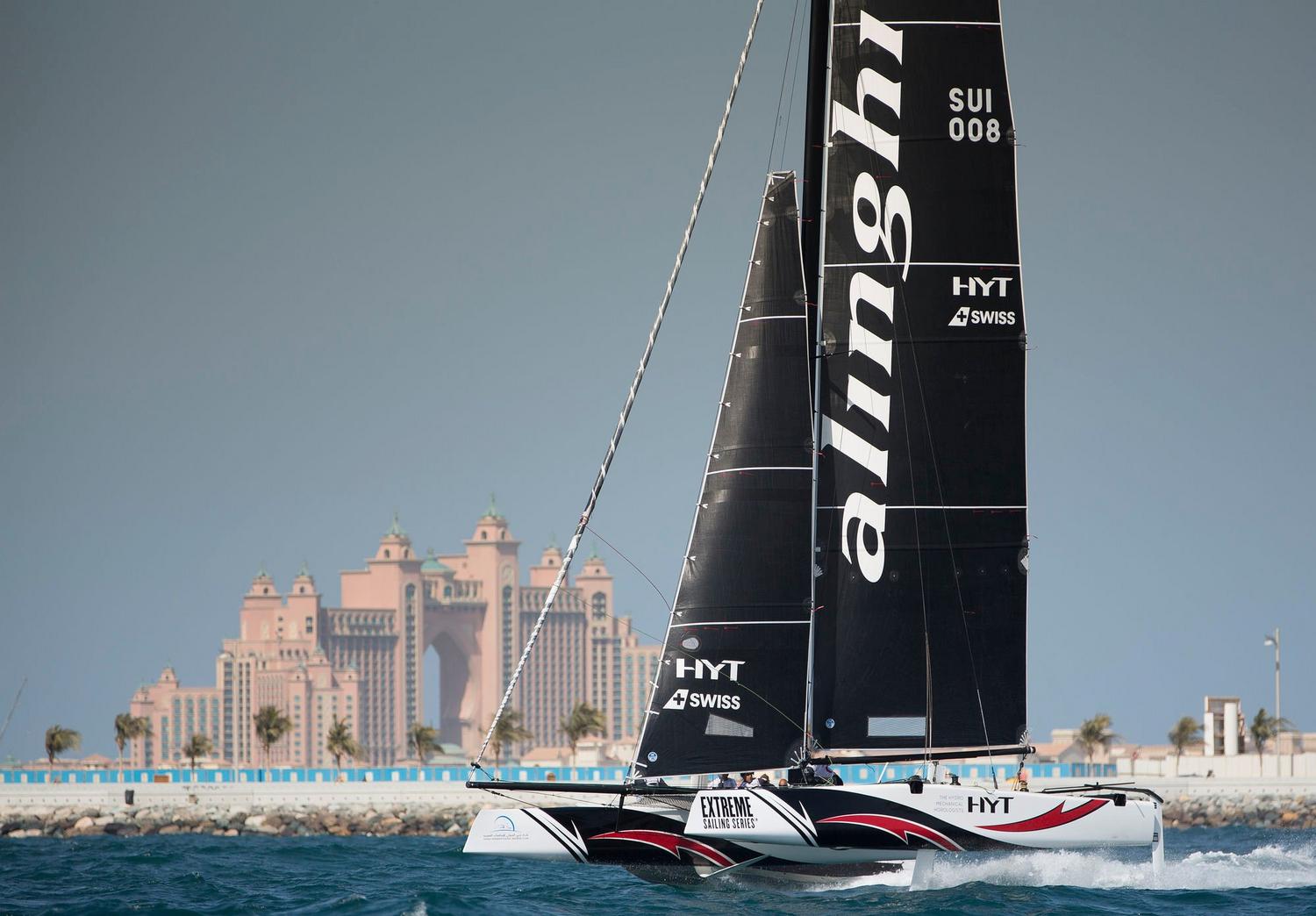
people
NORTH CREW: ARNAUD PSAROFAGHIS
As a sail designer for North Sails in Geneva and co-skipper of team Alinghi, Arnaud Psarofaghis maintains an envious balance of work and play. With the Extreme Sailing Series kicking off in Oman, this week you’ll find him foiling at the helm of Alinghi’s GC32.
“I have been a designer at North Sails Geneva for 10 years and enjoy it a lot. We face new challenges every day to build the fastest sails whilst also meeting demands from the customer. It’s nice to be able to create something new every day.” Lake Geneva is likely the perfect place for a multihull sailor like Arnaud. Originally from Corsier, he has risen as one of Switzerland’s top sailors and in 2014 was named the country’s Male Sailor of the Year. He has a broad and detailed range of experience across the multihull world, having found success in the D35s, the Ventilo M2, the Extreme 40 and also the AC45.
While sailing with Team Tilt, he won the 2015 D35 Trophy, a title that included a win in the iconic Bol d’Or. He also has made a big name for himself in the Moth Class of dinghy racing.
When asked for his advice to young sailors with big aspirations, he said:
“The key element is to be able to sail on several different types of boats to gain overall experience with different teams and sailors. All of my opportunities in sailing came from being able to spend a lot of time on the water.”
READ MORE
READ MORE