THE RETURN OF THE RANGE ROVER SARDINIA CUP
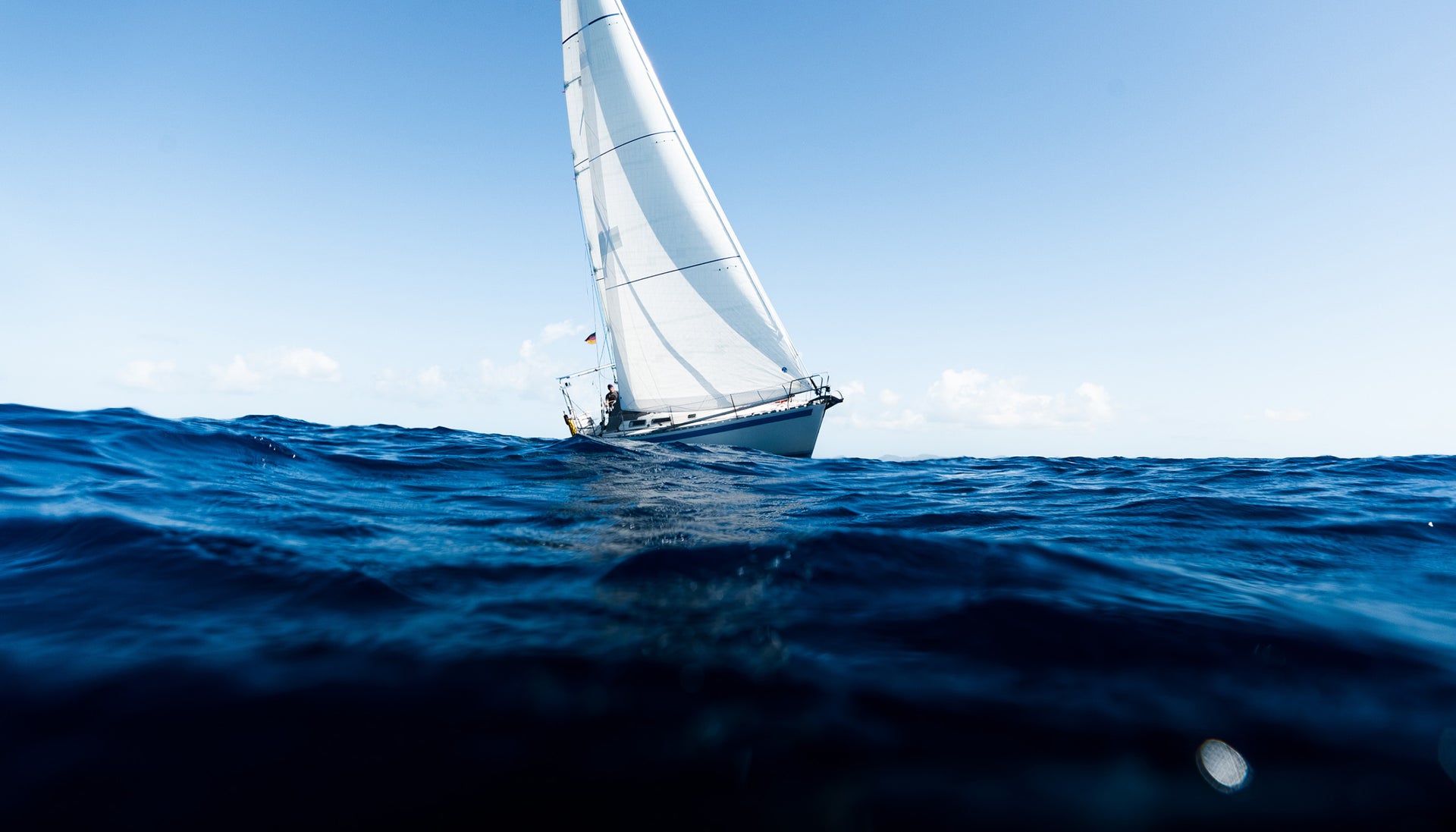
After 14 years it’s back. 20 boats, 10 teams pushing the limits of their sails; demanding performance both inshore at top speeds, and offshore in testing conditions.
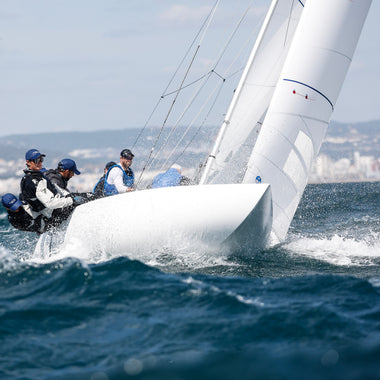
You might have heard; the Range Rover Sardinia Cup is back. After a 14-year hiatus, the multi-disciplinary sailing event, combining inshore and offshore racing, is a welcomed sight as it rejoins the IRC racing calendar. Each entry pairs two boats from a single yacht club, one in Class 1, one in Class 2, and their combined scores decide the winner. The host, Yacht Club Costa Smeralda, has long wanted to bring back the Sardinia Cup; the enthusiasm around last year's RORC Admiral's Cup revival demonstrated that the appetite was there. The two clubs have worked closely to align formats and IRC ratings so the events can now build on each other in alternating years.
"The discipline of competing in a two-boat team ensures that the focus on speed and tactical mastery of windward leeward racing is equally balanced with the endurance required in the middle of the regatta with an overnight offshore coastal race. Changing your mindset from pure VMG upwind/downwind racing to having to reach and run and possibility dealing with heavy weather breaks the Groundhog Day of pure windward-leeward racing," says Paul "Flipper" Westlake, Vice President and Grand Prix Sales Leader at North Sails. The two-boat format keeps the event exciting; both boats need to be doing well, and the last race carries double points. "You spend the whole time racing against your own fleet, but if for free you get the opportunity to be a bit of a nuisance to someone else in support of your team, why wouldn't you?" Says Ben Saxton, Grand Prix Global Co-Lead, North Sails.
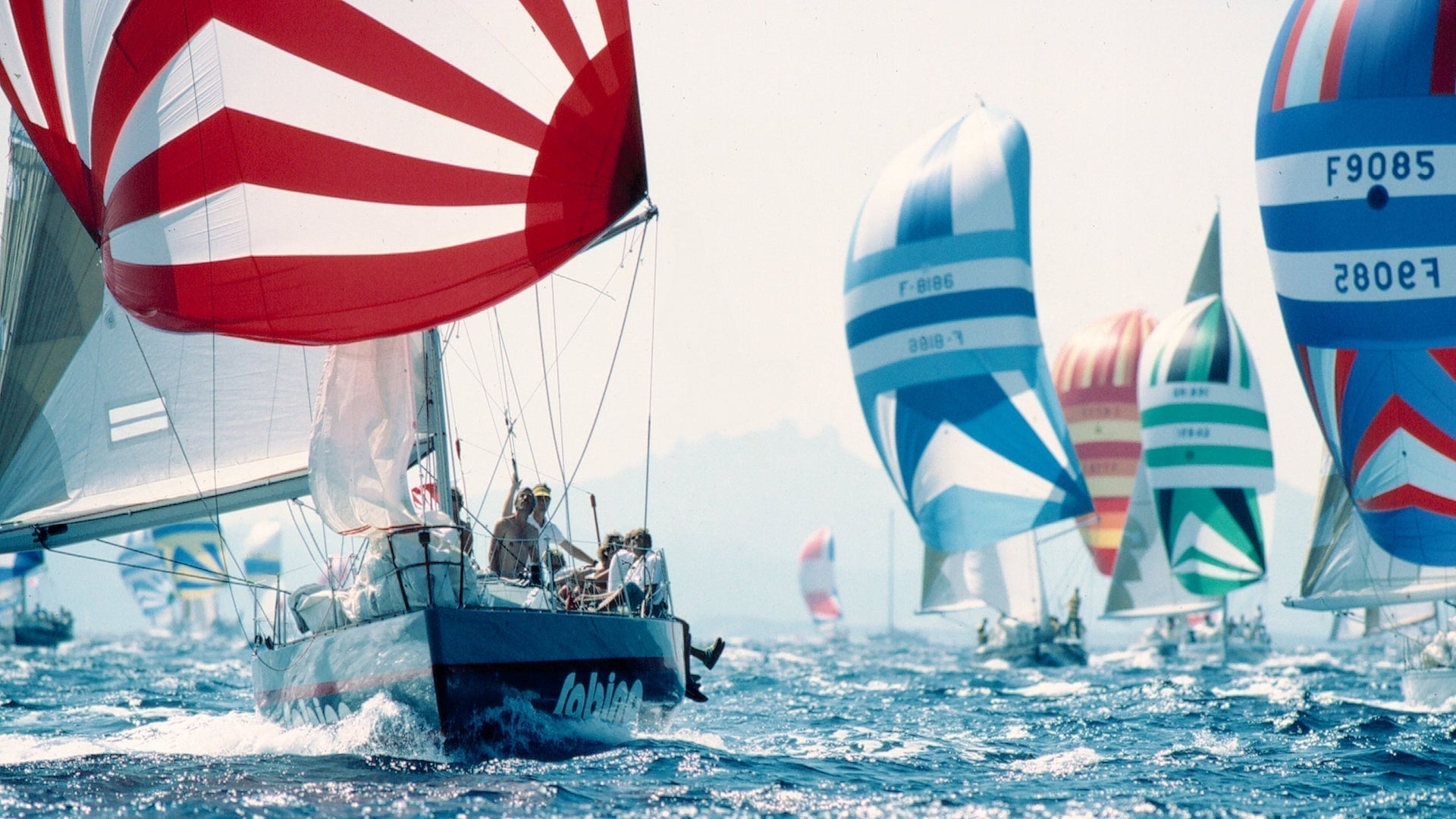
The world of sailing has changed dramatically in 14 years. In the last Sardinia Cup boats were still using symmetrical spinnakers and spinnaker poles, and were fully optimised for upwind and downwind efficiency. Since then, under IRC, the development of boats and sails has accelerated: both lighter and stiffer, able to handle more power. That shift has reshaped the sail inventory itself: where one set of sails used to cover a broad range of angles, now modern Grand Prix boats carry purpose-built sails for specific conditions. The most visible result is the development of “triple-heading” where three sails are set starting with either a Jib Top or Code 0 from the bow sprit, then a jib on the forestay and finally a staysail. The aerodynamic efficiency of having each working together to accelerate the airflow over the next and then onto the mainsail presents significant boat speed opportunities.
North Sails has been at the forefront of all these advances. 3Di molded composite sails, now standard at the Grand Prix level, and Helix, the structured-luff platform that extends each sail's working range, were both built up and refined through successive America's Cup cycles. That lineage runs straight through to this year's Sardinia Cup, where over half the line-up is powered by a North Sails inventory. As Ben Saxton puts it: "there's learning between events; from the America's Cup to the Admiral's Cup, from the Admiral's Cup to the Sardinia Cup." That feedback loop runs both ways, through every sail North builds, from a Sardinia Cup main to a Thursday-night club race.
Behind each North-powered program is years of work. A sales lead is assigned to each team, defining the inventory that best plays to the boat's rule position before a single sail is designed. Behind them sit the sail designers, running performance studies and VPP modeling through North Design Suite; the coaches who sail on or alongside the boat; and the service crew who'll prep, check and repair sails through the regatta itself. The approach flexes around each customer. Some come with an open scope, asking North to run trade-offs and shape the wardrobe before they commit. Others arrive with detailed specifications. "You couldn't put two teams side by side and say they're the same," says Flipper. "By the time the event starts, what shows up at the dock is the visible result of a relationship that's been years in the making."
"We had huge successes [at the Admiral's Cup], North Sails filled the podium and delivered hundreds of sails. This is an opportunity to keep that momentum going" says Flipper. "The Sardinia Cup really focuses on versatility of your sail inventory, both versatility and the reliability of the structures of the sails to be able to take some abuse. "At some point you'll have your light medium jib (optimised to 14 knots) up in 25 knots in the middle of the night. Then you want to use it two days later, in lighter air, without it looking like it's been through a hurricane. That’s what 3Di is engineered for."

North's philosophy is built upon making the best sails, whatever the conditions, whatever the requirements. As Flipper says, North Sails embodies the 3 P's, "with great People and great Product, you're going to create the conditions for great Performance."
The turnout this year shows a desire from owners and the broader sailing community for something different on the racing calendar. The Sardinia Cup carries real nostalgia for many Italian sailors who raced it years ago; its scenery and conditions are distinctly unique, and the two-boat format builds comradery with the owners in a way few modern regattas do. The Django team is the only single-owner entry; the rest pair two owners together as a team.
"For years the industry was caught in an either/or: windward-leeward inshore, or full-on offshore. The Admiral's Cup reignited the fire last year. The Sardinia Cup does it again. And it takes a host like the Yacht Club Costa Smeralda, putting the fire and focus behind it, to relaunch something this iconic,” says Flipper.